Welcome to Faculty of Divination!
Explore our growing collection of 350+ exclusive teachings on Afa Divination, Igbo Numerology, Igbo Astrology, Pendulum Divination, Dream Interpretations, and Other Divinatory Systems.
Search results will show you available teachings organized by category for easier navigation.
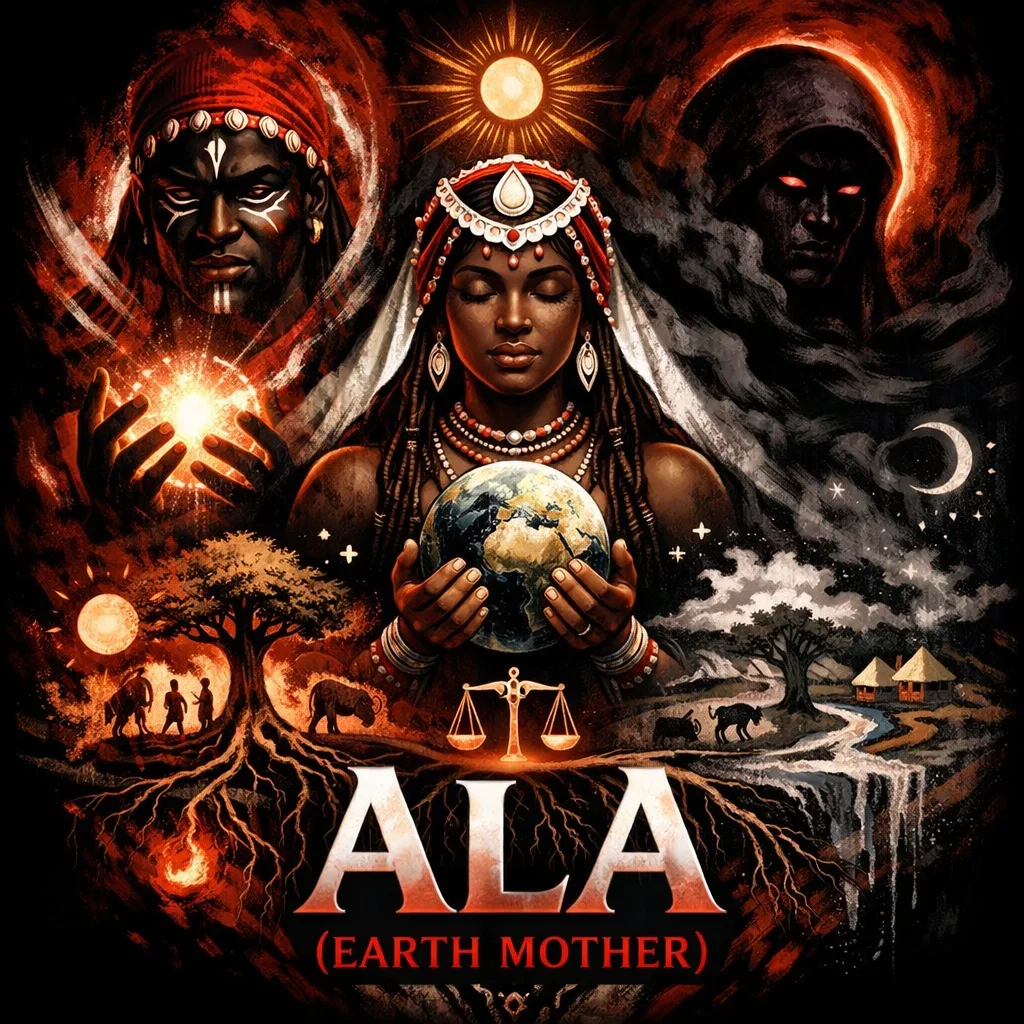
Aka Odii as Ala (Earth Mother) in Afa
Aka Odii in Afa explains how primordial origin becomes grounded as earth consciousness. Aka carries original essence into experience, while Odi provides the dark, gestational space where form develops. Together, this gives rise to Ala, the Earth Mother and living law of the physical world. This teaching shows that the earth is a conscious system that regulates life, morality, and balance through natural order.
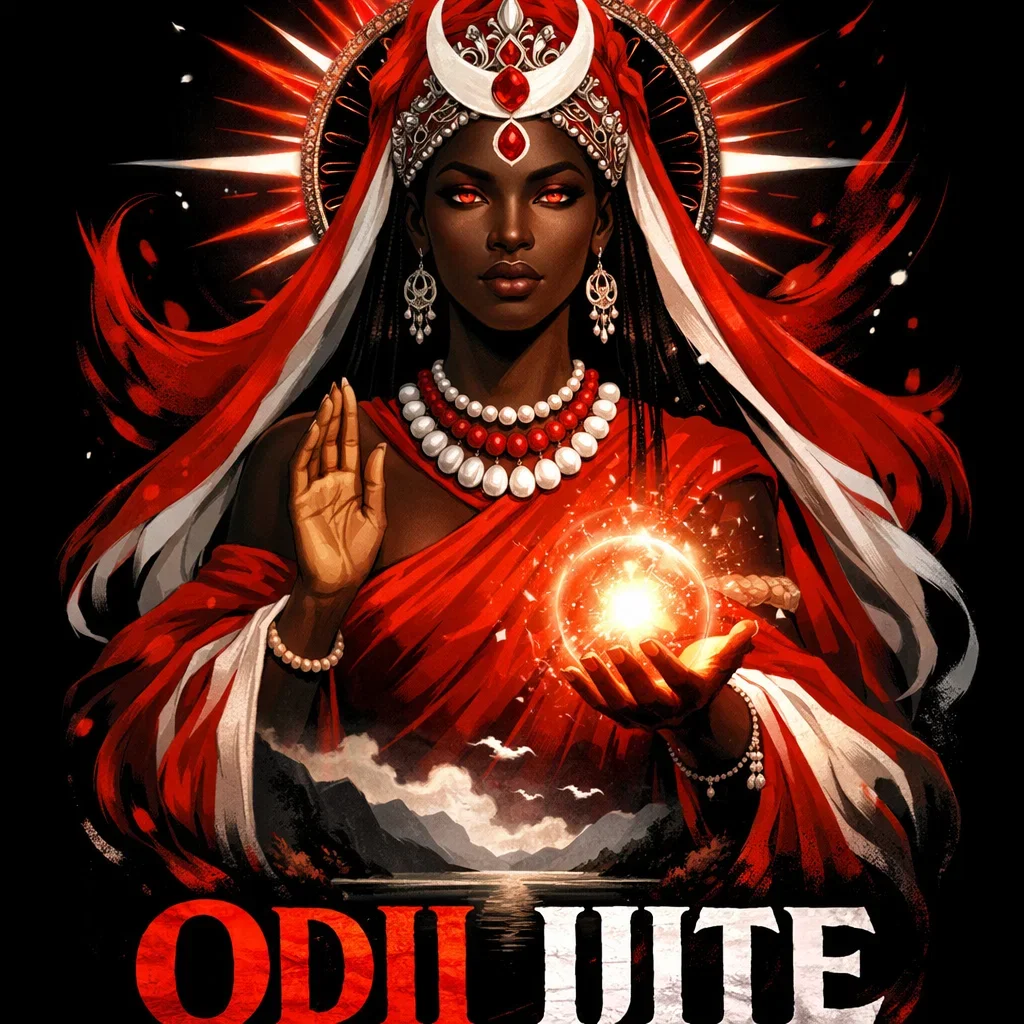
Odi Ogwute as Nnekelechi in Afa
In Afa, Odi Ogwute describes the emergence of being from darkness. Odi represents the generative state of hidden potential, while Ijite (Ogwute) represents identity and “I-am-ness.” Together, they form the foundation of existence, identified as Nnekelechi, the divine mother who gives rise to Chi. This teaching shows that nothing can exist without first passing through a state where identity is formed from undifferentiated potential.
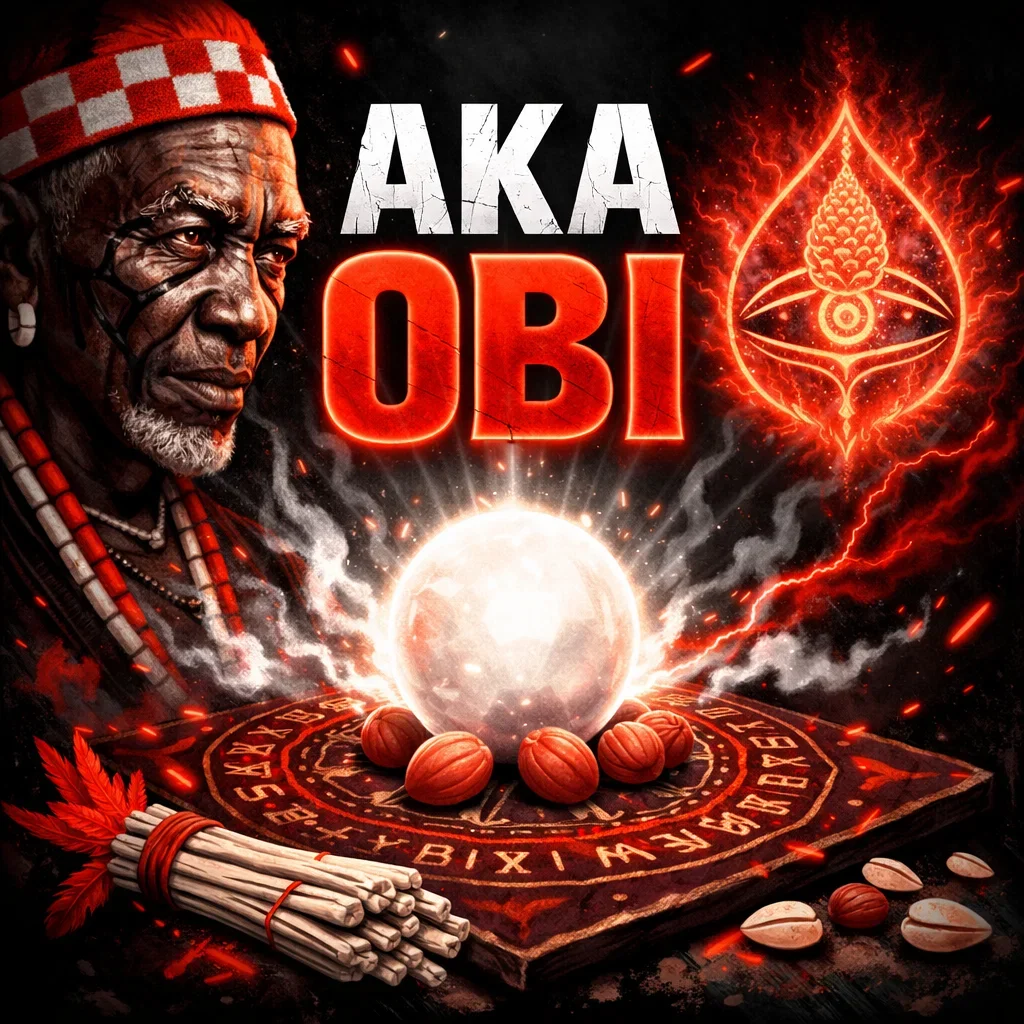
Aka Obi as the Mind of God in Afa
In Afa, Aka Obi describes the mind of God as the first movement from stillness into action. Aka represents origin and journey, while Obi represents movement, dialogue, and problem-solving. Together, they explain how divine intelligence operates as process, guiding how things begin, unfold, and are resolved. This teaching shows that reality follows structured principles rather than random occurrence, with all action emerging from an initial movement of order and intention.
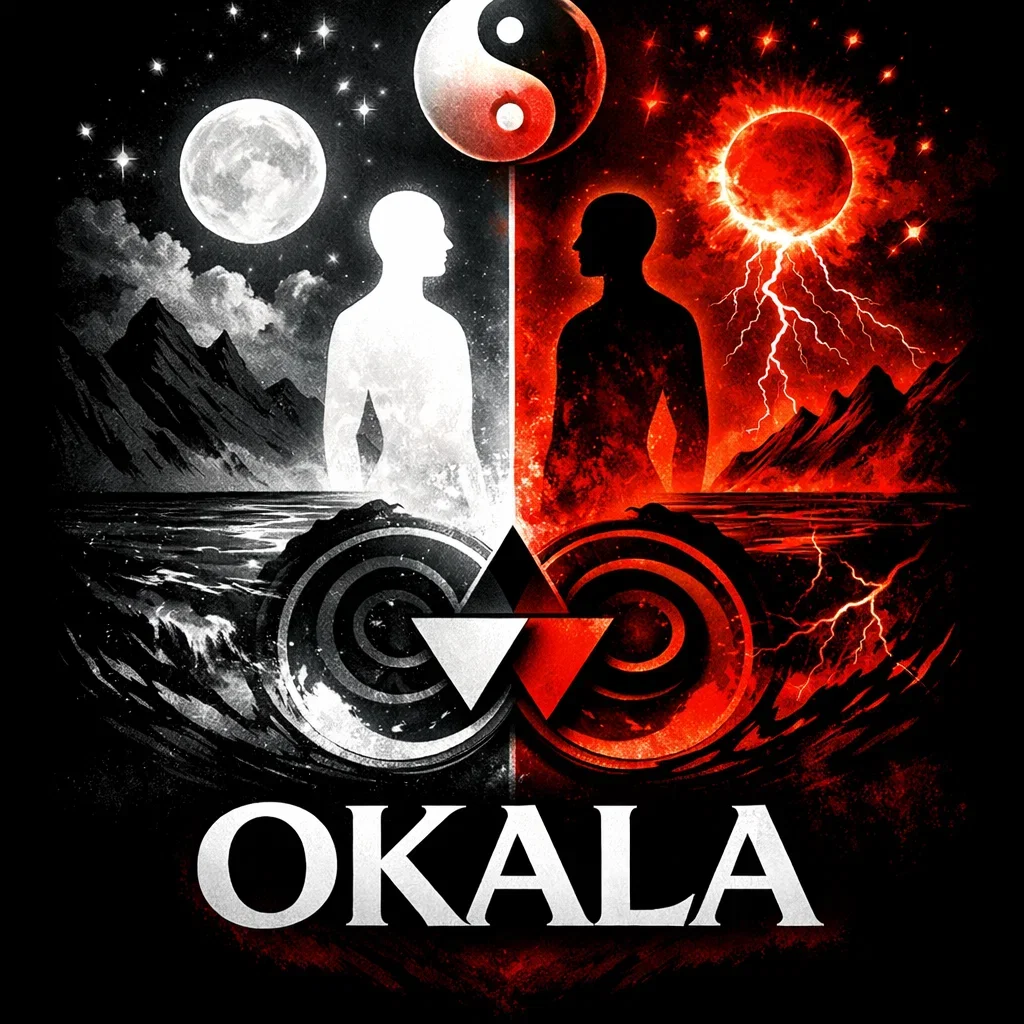
A Basic Understanding of Okala in Afa
In Afa, Okala represents the substantial movement from stillness into existence; the moment where unity gives way to duality, allowing life, change, and awareness to emerge. As that which stands astride, Okala embodies the principle of being between worlds, captured in the axiom Okala mmadu, Okala mmuo—one foot in the human realm and one in the spiritual. It is through this tension of opposites that Obi and all expressions of life arise, making Okala not a symbol of division, but the dynamic field where creation, mediation, and transformation become possible.

Number Two as Okala in Afa
In Afa, Okala as number Two represents the principle of division and duality—the moment where unity unfolds into distinction, making it possible for one thing to be known in contrast to another. It is the firmament of difference, the ground upon which change, relationship, and meaning emerge. As ihe kpogala akpoga, that which stands astride, Okala symbolizes the tension and balance between opposites, revealing that life itself is shaped through contrast and interaction. This teaching explores Okala as the dynamic field where existence becomes knowable, where unity expresses itself through difference, and where transformation is born from the interplay of forces.

Number One as Ofu in Afa
In Afa, Ofu (One) is the sacred symbol of unity, wholeness, and origin—the indivisible reality from which all existence flows. It represents Chukwu Okike, the Supreme Creator, the One without a second who brought the universe into being yet remains beyond it. As Otu Ihe, Ofu expresses completeness, calling both the cosmos and the individual back to inner unity. Yet it also holds deeper truths. This teaching explores Ofu as both the beginning and the return; the eternal reminder that all things arise from, and ultimately resolve into, One.
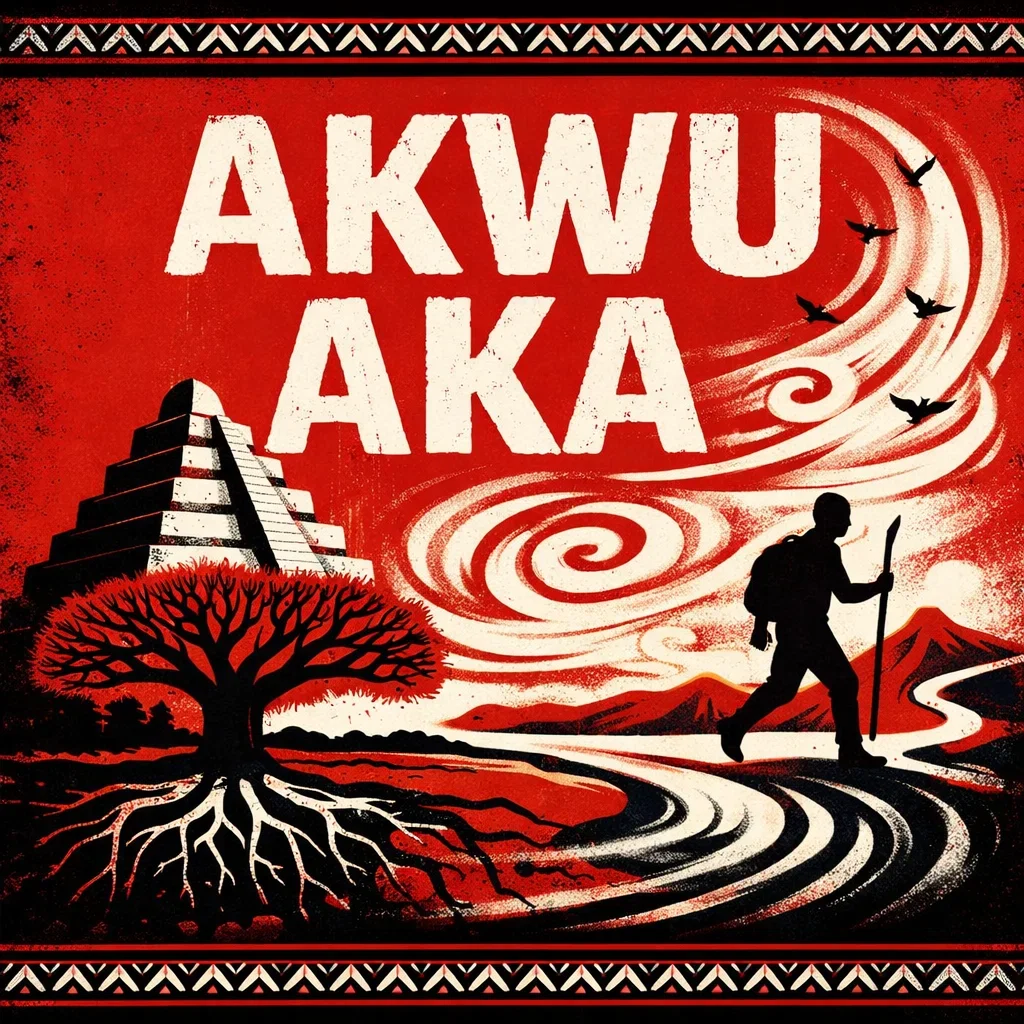
Nkwo Market Day as Akwu Aka in Afa
In Afa, Nkwo market day can be understood as Akwu Aka, the principle of movement emerging from stillness. Akwu represents stability and grounding, while Aka represents journey and motion. Together, they explain wind as a force that arises from stable conditions and enables transmission and connection. This teaching shows that movement is most effective when it is rooted in a stable source rather than acting without direction.
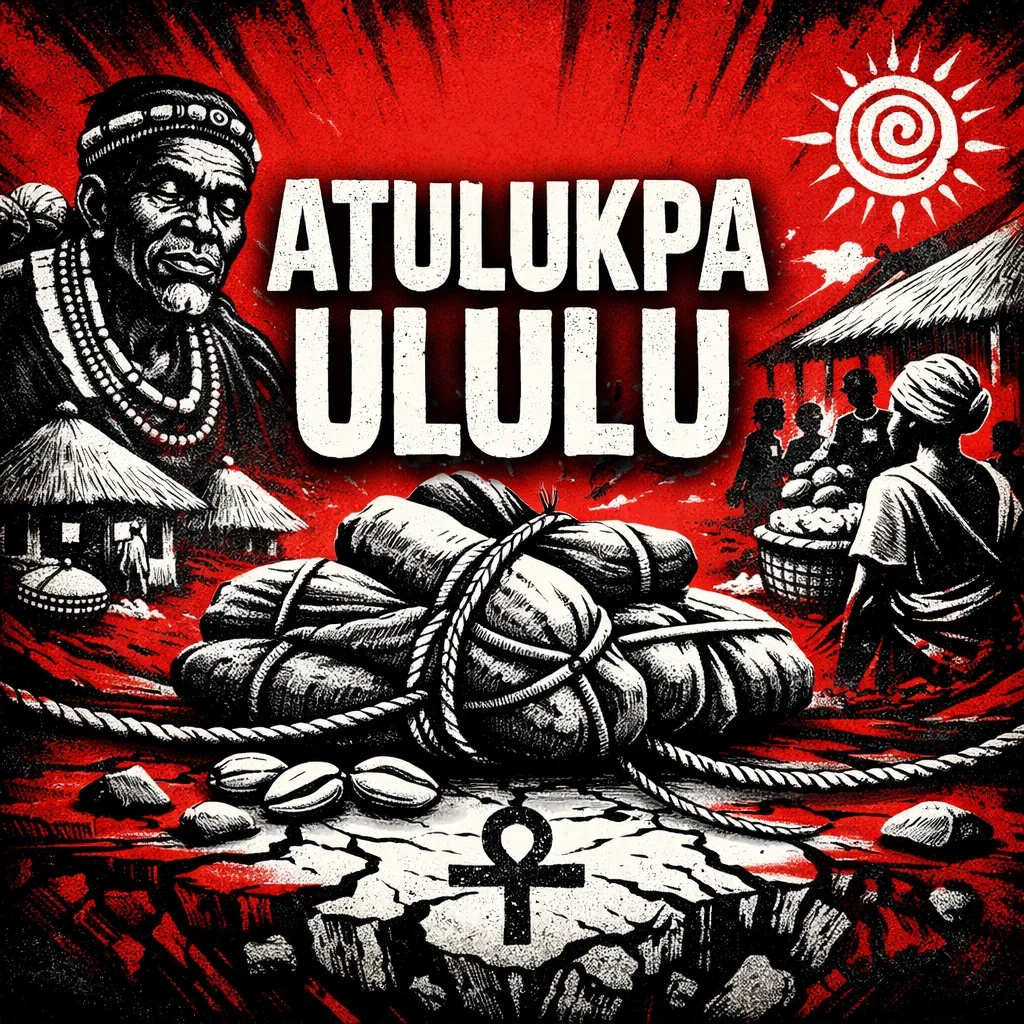
Afo Market Day as Atulukpa Ululu in Afa
In Afa, Afo market day can be understood as Atulukpa Ululu, the principle of what is bound together becoming grounded in reality. Atulukpa represents things tied, wrapped, or distinguished, while Ululu represents gravity and anchoring within the physical world. Together they explain why Afo is associated with ancestral presence and communal stability. This teaching shows that traditions, identities, and obligations remain strong when they are both properly bound and firmly grounded in the life of the community.

Afo Market Day as Otule Ululu in Afa
In Afa, Afo market day can be understood as Otule Ululu, the grounding of speech into real consequence. Otule represents cases, disputes, and arbitration through spoken testimony, while Ululu represents anchoring through land, body, and gravity. Together they explain why Afo, the earth-aligned market day, is associated with settling disputes and establishing binding agreements. This teaching shows that words carry authority only when they are rooted in responsibility and material accountability.
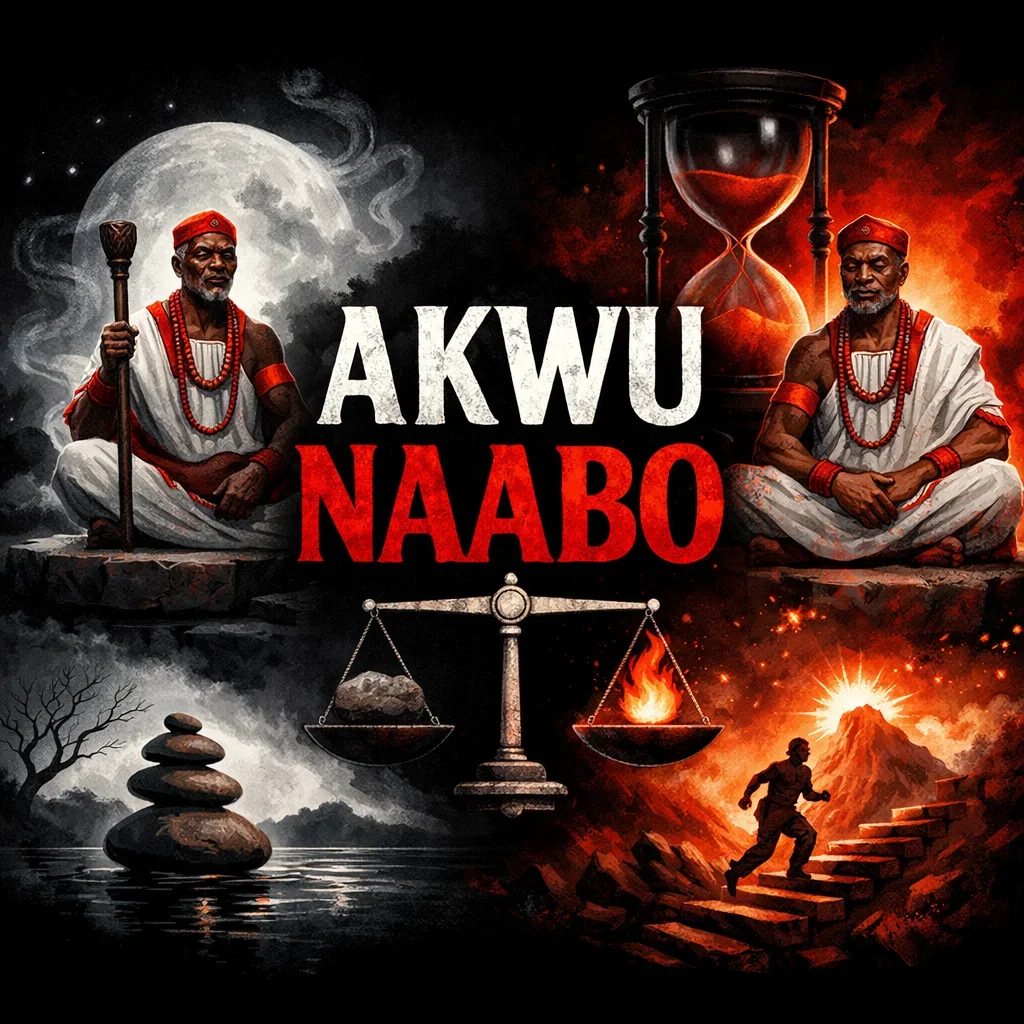
Akwu Naabo as Inertia in Afa
Akwu Naabo in Afa explains how stillness can become inertia when it is reinforced without balance. Akwu represents stability, patience, and remaining in one place, but when it appears twice, stillness intensifies into passivity. This teaching shows that while stability is necessary for reflection and endurance, excessive stillness prevents movement and progress. Balance between stillness and action is therefore essential for growth.
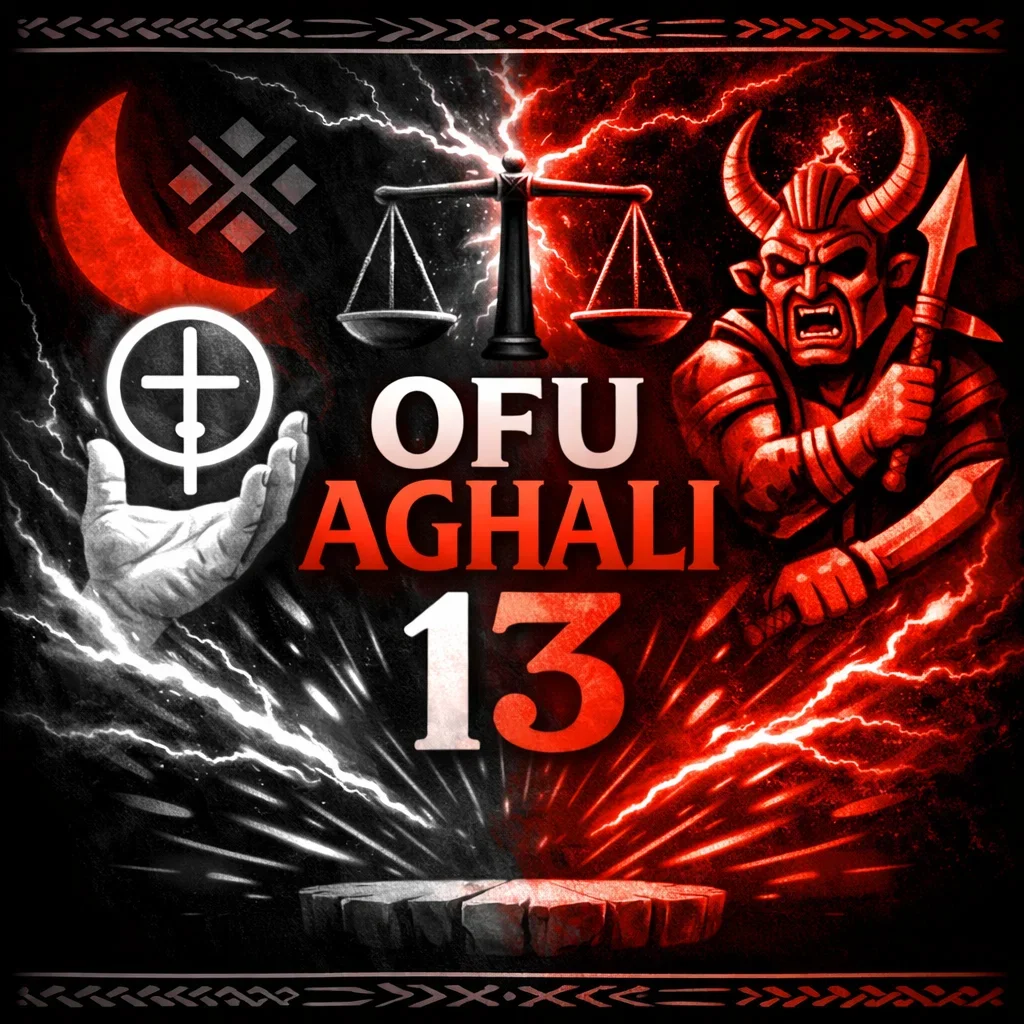
Number 13 as Ofu Aghali in Afa
In Afa, the number 13 can be understood as Ofu Aghali, the combination of unity (Ofu) and the strength of Ikenga (Aghali). These two powerful forces merge to produce balance and structural stability, symbolized by the number four. This teaching shows that when strong energies are properly aligned, they create equilibrium rather than conflict, allowing power to support order, transformation, and purposeful action.
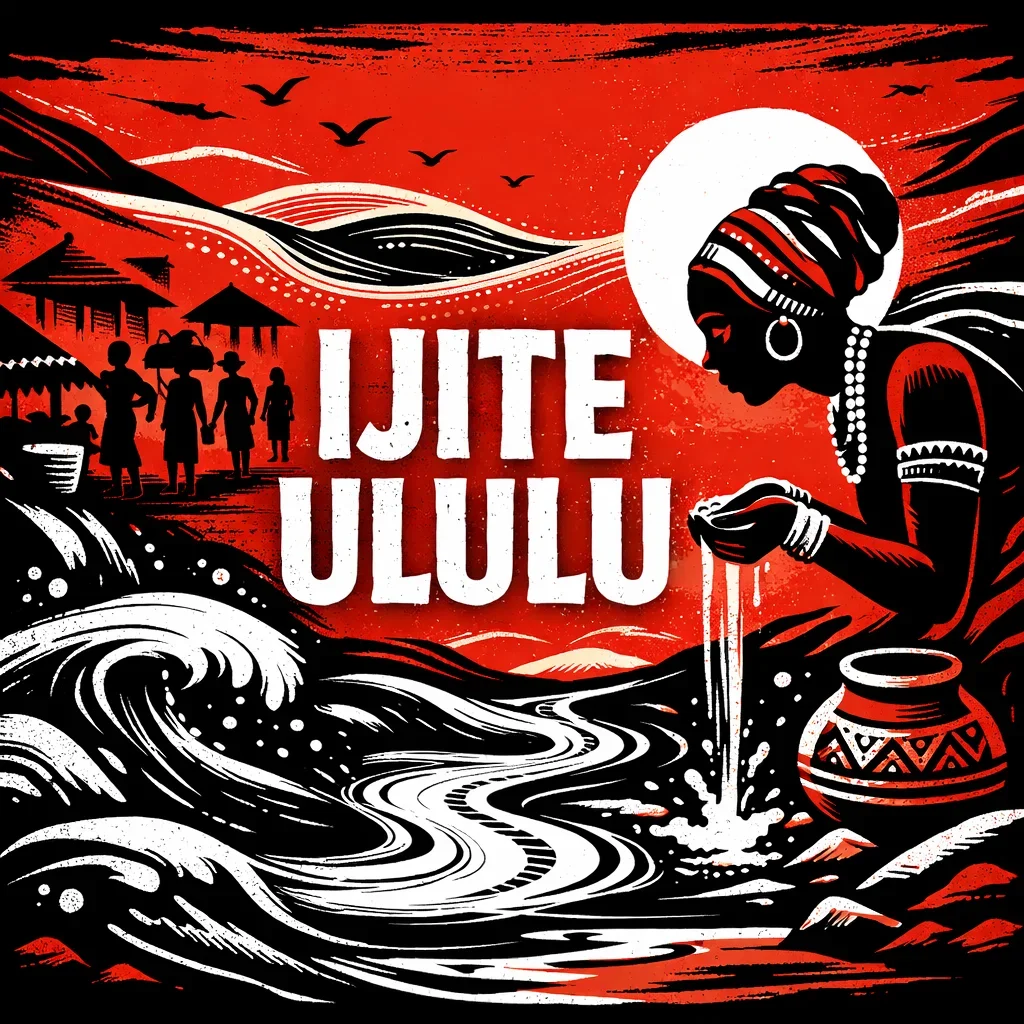
Orie Market Day as Ijite Ululu in Afa
In Afa, Orie market day can be understood through the lens of Ijite Ululu, a principle of grounded flow associated with water. Ijite represents natural channels of movement, while Ululu represents depth, anchoring, and consequence. Together, they explain an important framework attached to Orie day. This teaching shows that progress on Orie comes from fluid movement that is structured, accountable, and balanced, like water flowing within its banks.
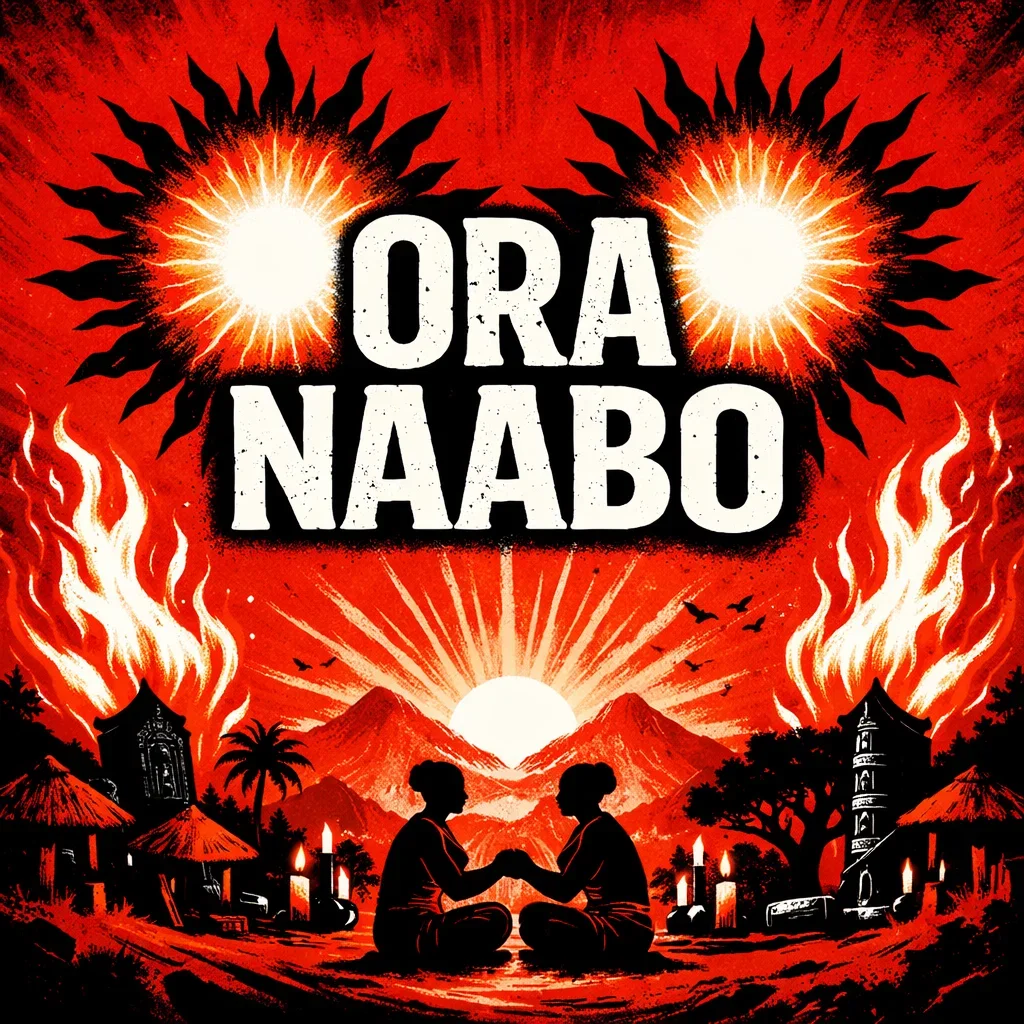
Eke Market Day as Ora Naabo in Afa
In Afa, Eke market day can be understood as Ora Naabo, meaning light reinforced through repetition. Ora represents illumination, fire, and visibility, and when it appears twice, clarity becomes dominant and sustained. This is why Eke is associated with beginnings, morning, creation, and sacred activity. As Ora Naabo, Eke is the proper time for initiation, exchange, and decision-making, because conditions favor visibility, alignment, and manifestation.
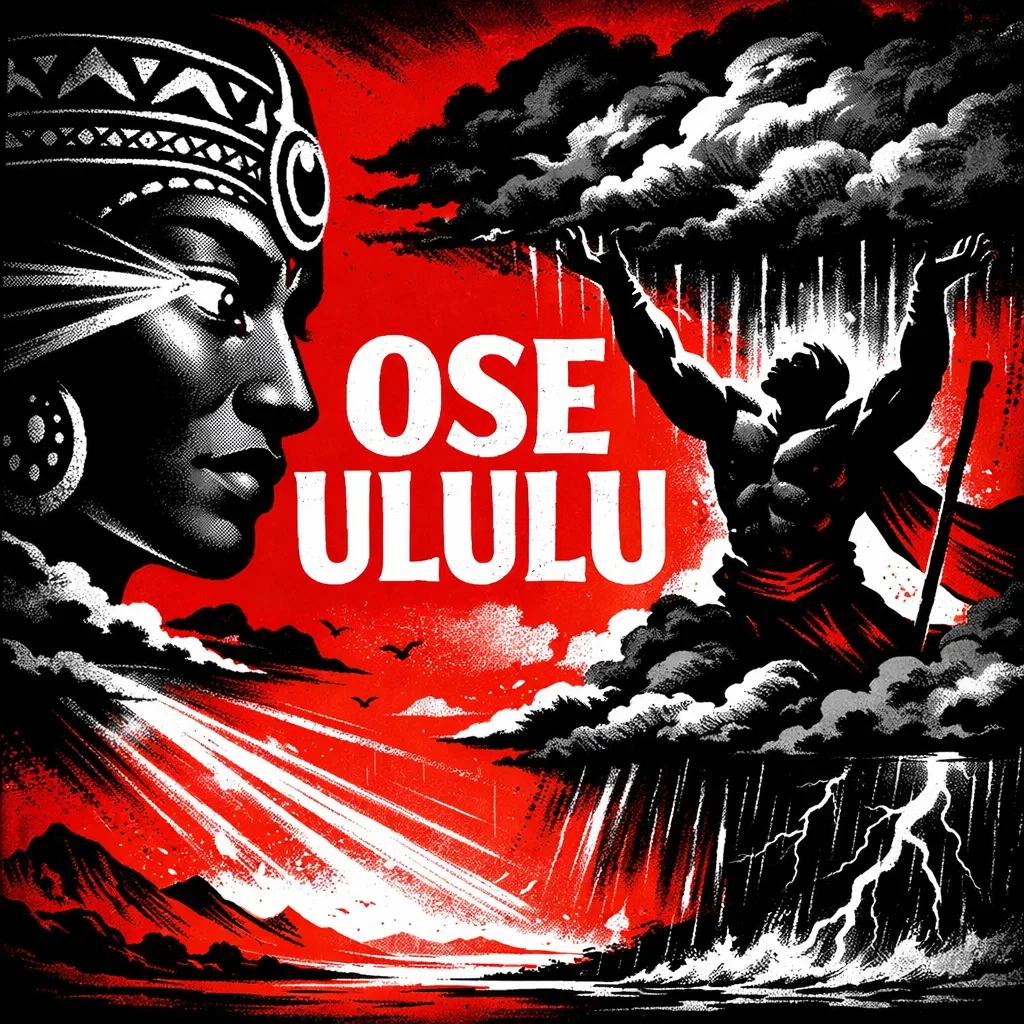
What Ose Ululu Teaches Us About Rainmaking in Afa
Ose Ululu in Afa explains rainmaking as the cooperation between perception and anchoring. Ose represents the ability to see beyond ordinary appearances into atmospheric readiness, while Ululu represents gravity and the gathering force that allows clouds to release rain. This teaching shows that rain does not respond to force, but to alignment with natural principles. Ose Ululu emphasizes wisdom, timing, and balance as the foundation of true rainmaking.
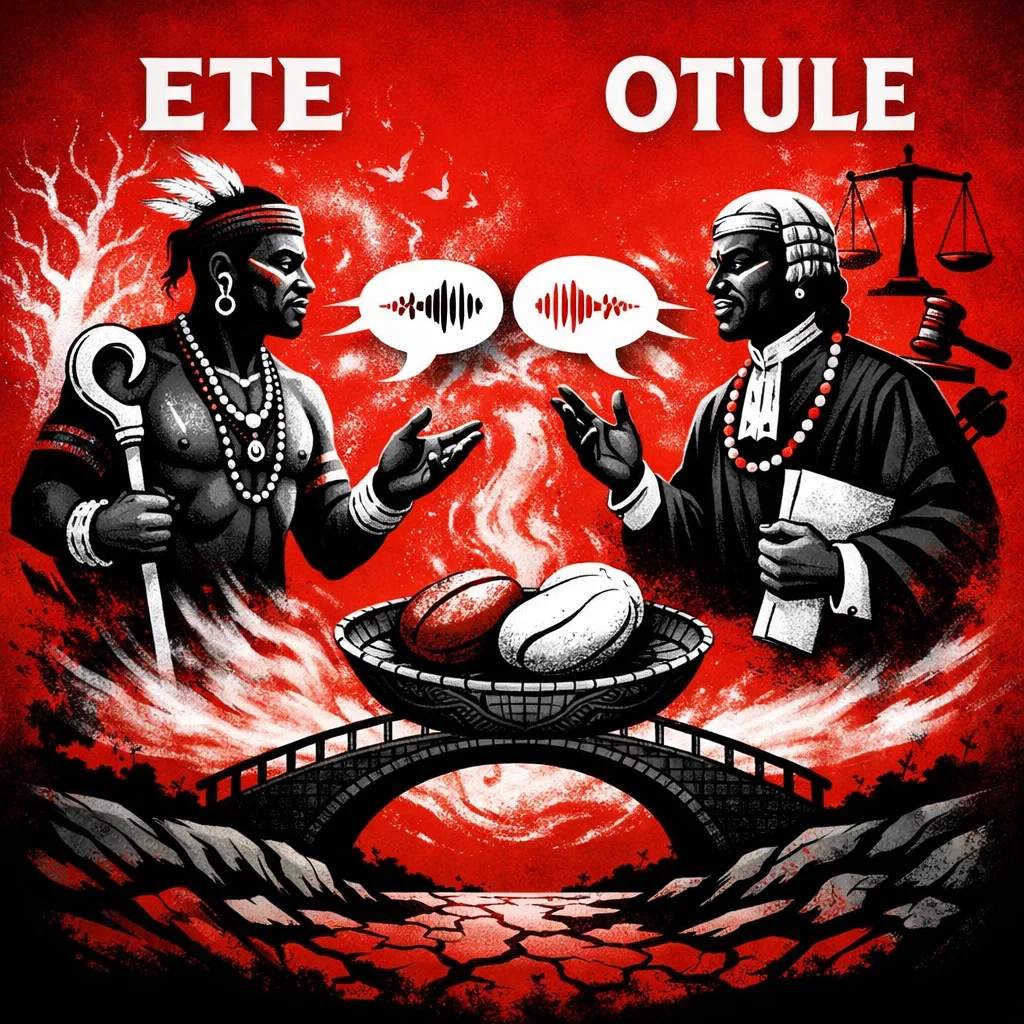
Ete Otule as Oji Igbo (Kolanut) in Afa
Ete Otule in Afa explains how speech becomes a bridge for resolving issues. Ete represents connection across realms, while Otule represents speech, cases, and arbitration. Together, they show why kolanut (Oji) functions as a sacred tool for opening dialogue, settling disputes, and affirming agreement. This teaching emphasizes that words, when spoken within the right structure, carry authority and transformative power.
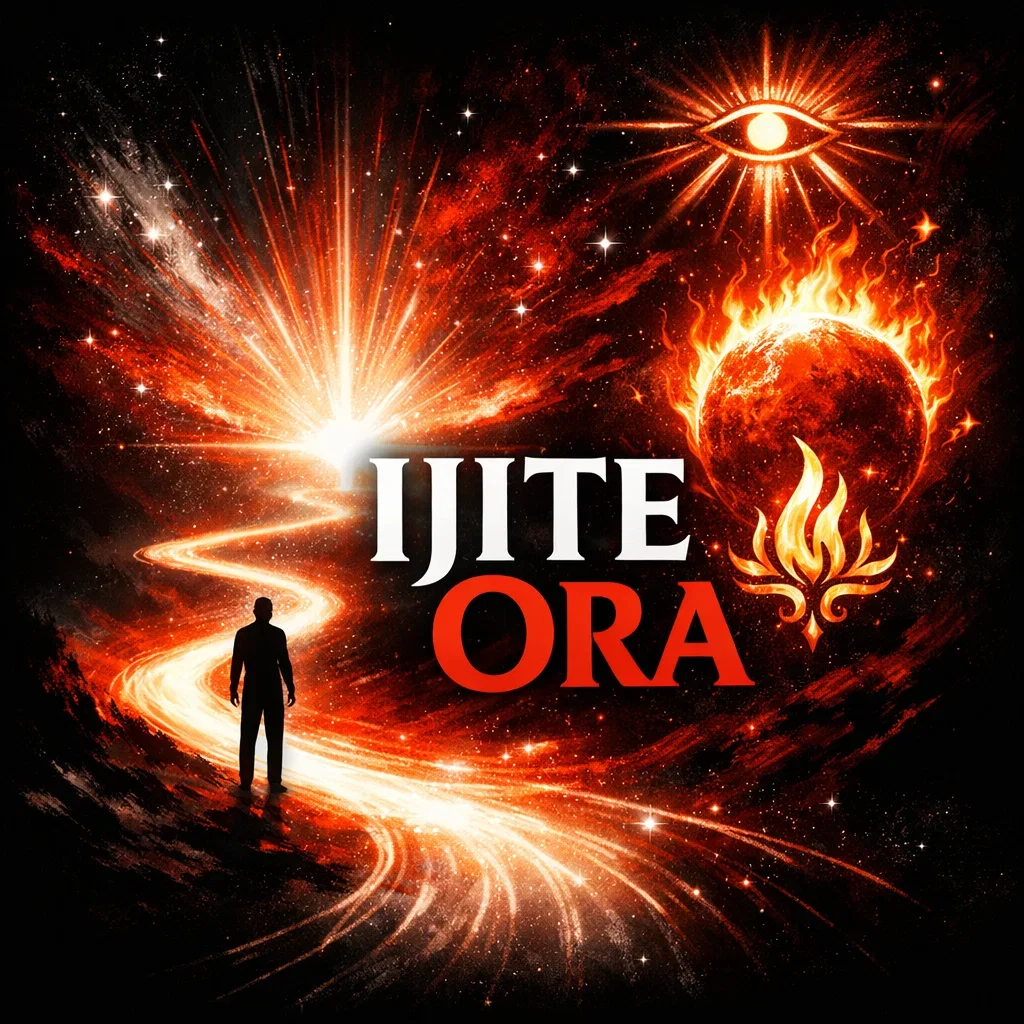
The Role of Chi as Ijite Ora in Afa
In Afa, Chi as Ijite Ora describes destiny as a clearly illuminated path. Ijite represents the main direction of life centered in “I-am-ness,” while Ora represents light, fire, and visibility. Together, they show that Chi not only guides internally but reveals and energizes one’s purpose outwardly. This teaching explains that clarity of calling and sustainable contribution emerge when identity and direction are fully illuminated.

The Role of Chi as Ijite Ofu in Afa
In Afa, Chi as Ijite Ofu describes destiny as a unified main path. Ijite represents the natural direction of life centered in “I-am-ness,” while Ofu represents wholeness sustained through work and endurance. Together, they explain that Chi functions as alignment between identity and journey. This teaching shows that to have one’s Chi on one’s side is to move forward without inner division, guided by clarity, responsibility, and sustained effort.
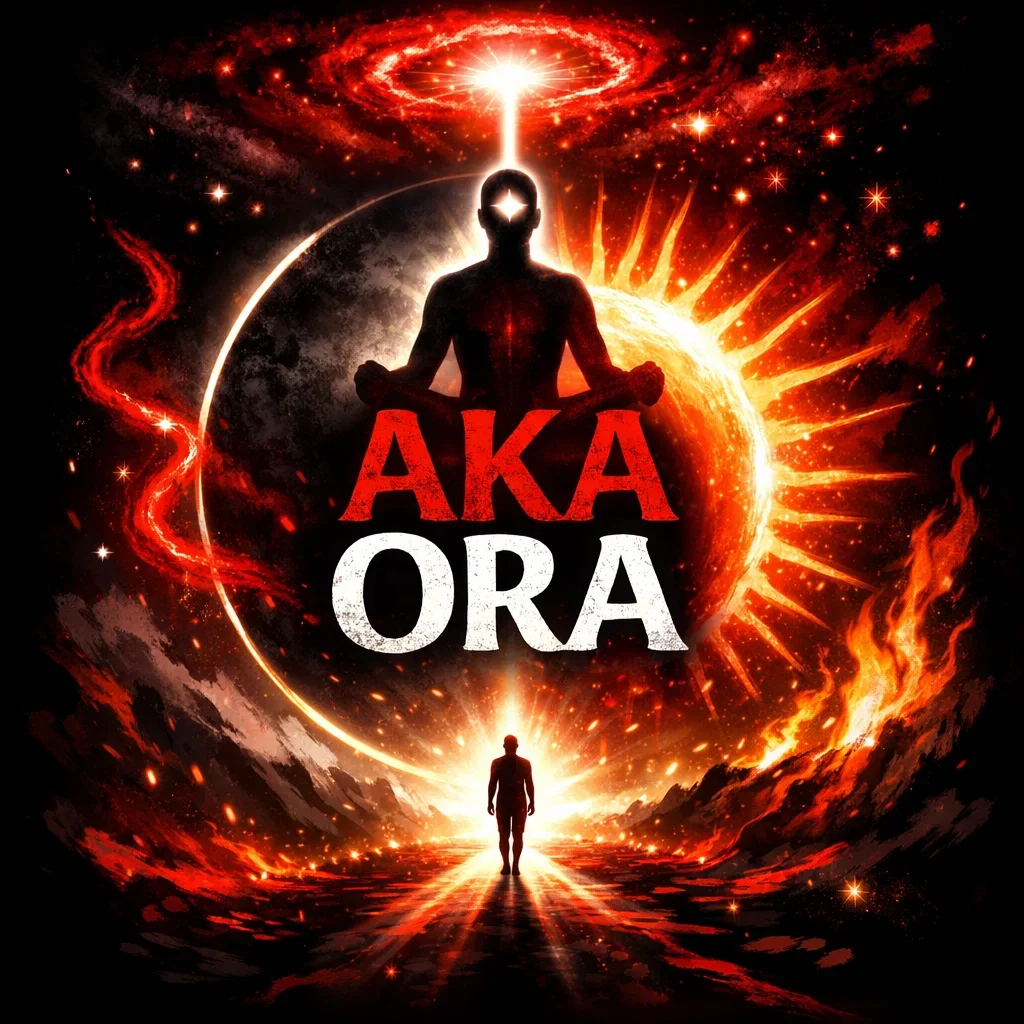
The Role of Chi as Aka Ora in Afa
In Afa, Chi as Aka Ora describes how primordial origin becomes illuminated destiny. Aka represents the journey of divine energy into lived experience, while Ora represents sunlight, fire, and visible radiance. Together, they show that Chi is not only an inner guide but a force that shines outward through identity, action, and purpose. This teaching emphasizes that destiny unfolds through clarity, timing, and alignment, becoming visible when one’s inner source is fully expressed.

The Role of Chi as Aka Ofu in Afa
In Afa, Chi as Aka Ofu explains how divine unity becomes personal destiny. Aka represents the journey of primordial essence into lived experience, while Ofu represents oneness sustained through responsibility and effort. Together, they show that Chi is the individualized expression of divine source guiding each person’s life path. This teaching emphasizes that fulfilling destiny requires maintaining alignment with one’s inner unity through conscious action and discipline.
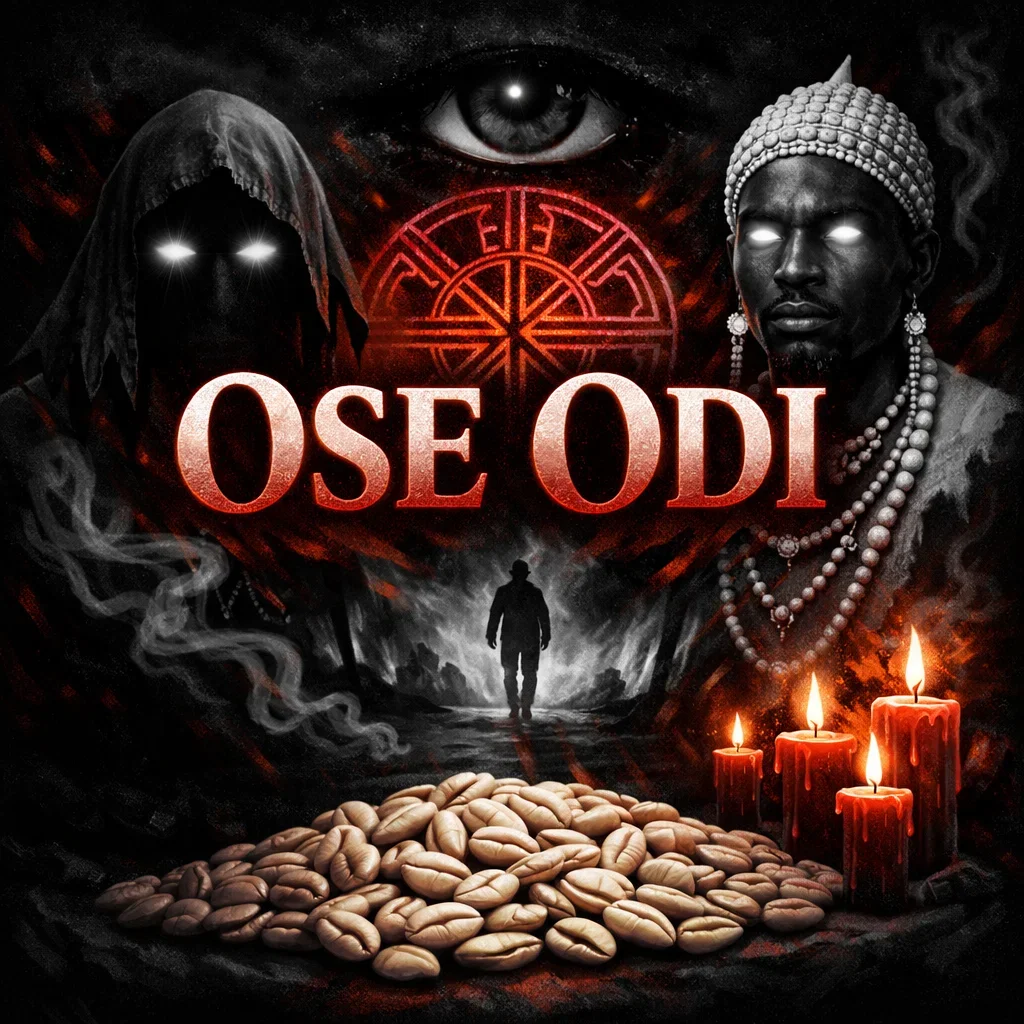
Ose Odi as Igbo Mystics in Afa
Ose Odi in Afa describes the mystic who can see clearly within darkness. Ose represents opened perception and deep insight, while Odi represents the hidden, difficult layers of reality. Together, Ose Odi explains how certain individuals access hidden knowledge, confront uncomfortable truths, and operate in spaces others avoid. This teaching shows that true clarity comes not from avoiding darkness, but from developing the ability to see within it.