Welcome to Faculty of Divination!
Explore our growing collection of 350+ exclusive teachings on Afa Divination, Igbo Numerology, Igbo Astrology, Pendulum Divination, Dream Interpretations, and Other Divinatory Systems.
Search results will show you available teachings organized by category for easier navigation.
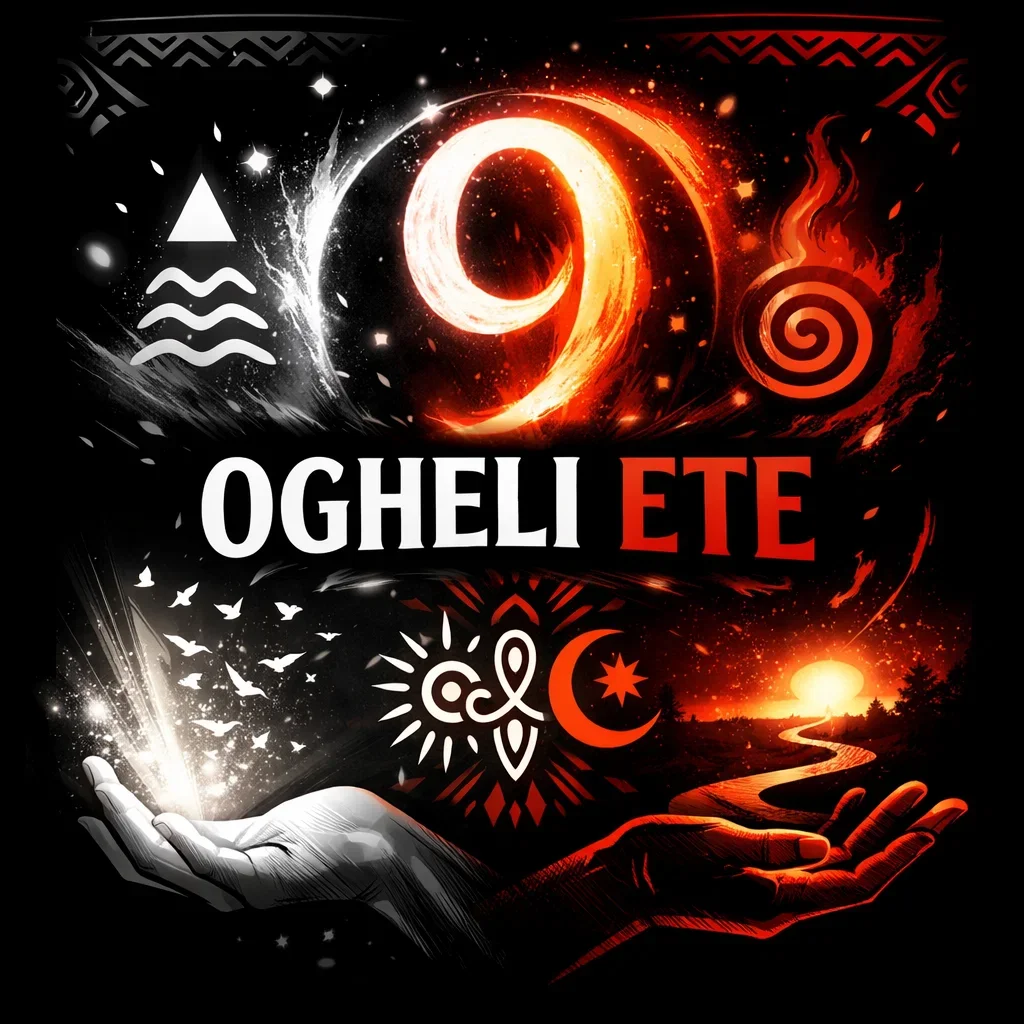
Number 9 as Ogheli Ete in Afa
In Afa, number 9 (iteghete) can be understood as Ogheli Ete, a principle of transformation that preserves stability. Ogheli represents release and correction, while Ete represents transition and movement. Together, they explain why 9 remains unchanged in essence despite transformation. This teaching shows that true stability comes from the ability to adapt and remain whole through change.

Number Two as Okala in Afa
In Afa, Okala as number Two represents the principle of division and duality—the moment where unity unfolds into distinction, making it possible for one thing to be known in contrast to another. It is the firmament of difference, the ground upon which change, relationship, and meaning emerge. As ihe kpogala akpoga, that which stands astride, Okala symbolizes the tension and balance between opposites, revealing that life itself is shaped through contrast and interaction. This teaching explores Okala as the dynamic field where existence becomes knowable, where unity expresses itself through difference, and where transformation is born from the interplay of forces.

Number One as Ofu in Afa
In Afa, Ofu (One) is the sacred symbol of unity, wholeness, and origin—the indivisible reality from which all existence flows. It represents Chukwu Okike, the Supreme Creator, the One without a second who brought the universe into being yet remains beyond it. As Otu Ihe, Ofu expresses completeness, calling both the cosmos and the individual back to inner unity. Yet it also holds deeper truths. This teaching explores Ofu as both the beginning and the return; the eternal reminder that all things arise from, and ultimately resolve into, One.
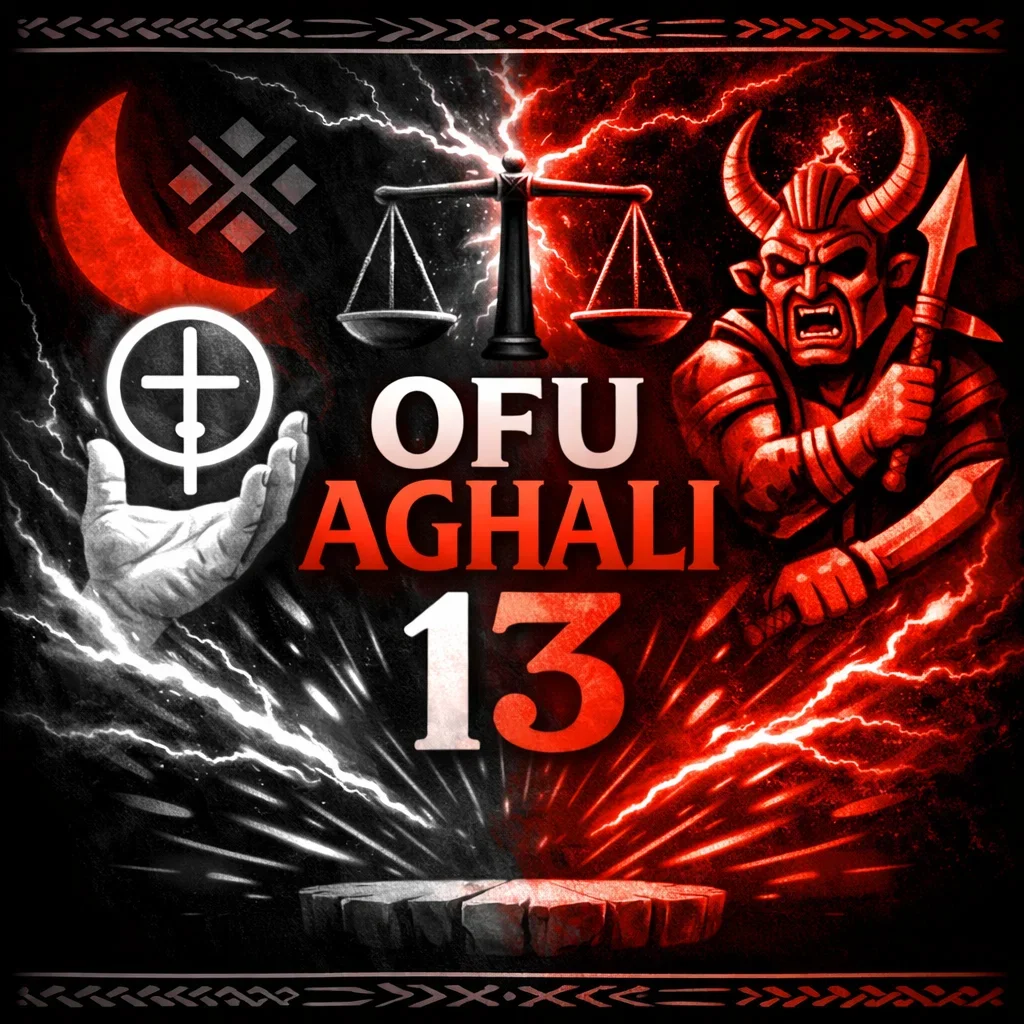
Number 13 as Ofu Aghali in Afa
In Afa, the number 13 can be understood as Ofu Aghali, the combination of unity (Ofu) and the strength of Ikenga (Aghali). These two powerful forces merge to produce balance and structural stability, symbolized by the number four. This teaching shows that when strong energies are properly aligned, they create equilibrium rather than conflict, allowing power to support order, transformation, and purposeful action.
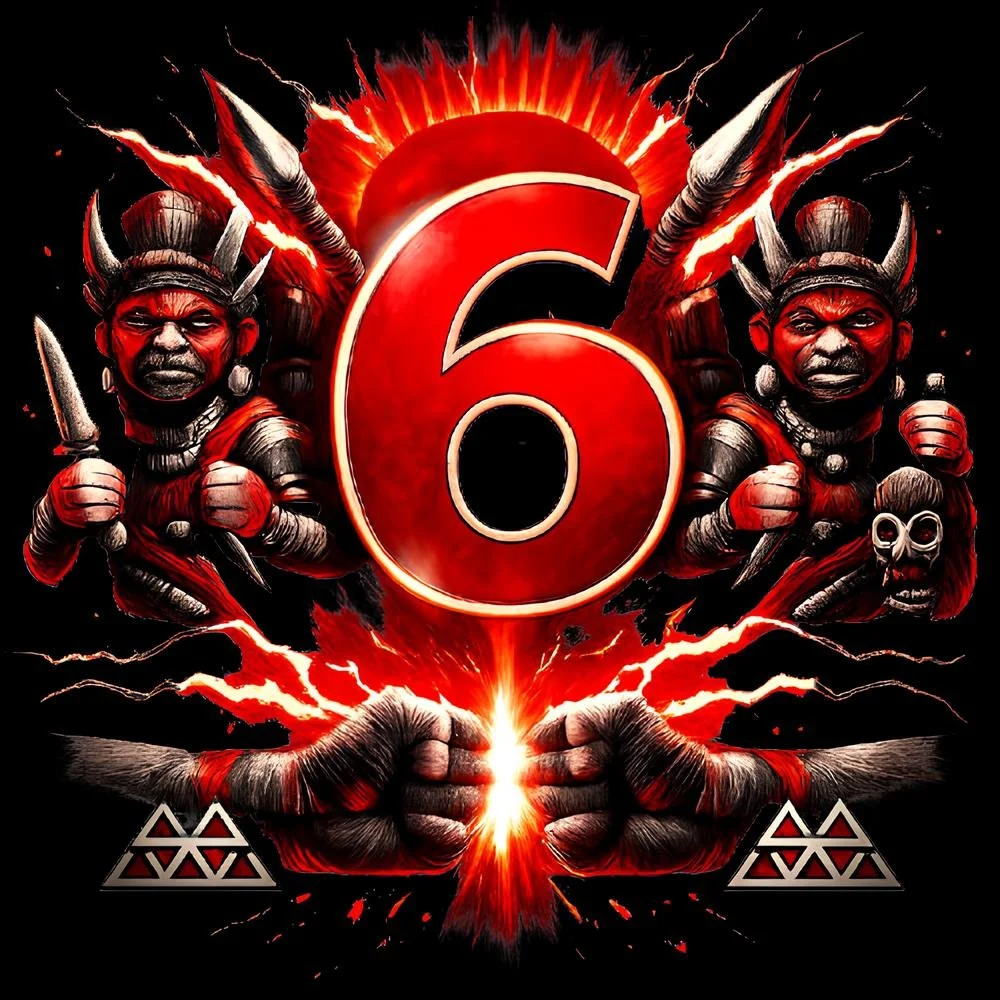
Number 6 as Agali Naabo in Afa
In Afa, the number 6 can be understood through the lens of Agali Naabo, representing compounded Ikenga energy. Agali signifies strength, will, victory, and the force of achievement, while the number 3 encodes Ikenga itself. When Ikenga is expressed twice—3 + 3 = 6—strength reinforces strength, producing momentum, fulfillment, and decisive power. Agali Naabo explains why six represents victory, authority, and successful outcomes: it is Ikenga energy that has doubled, stabilized, and proven effective through action guided by intelligence.
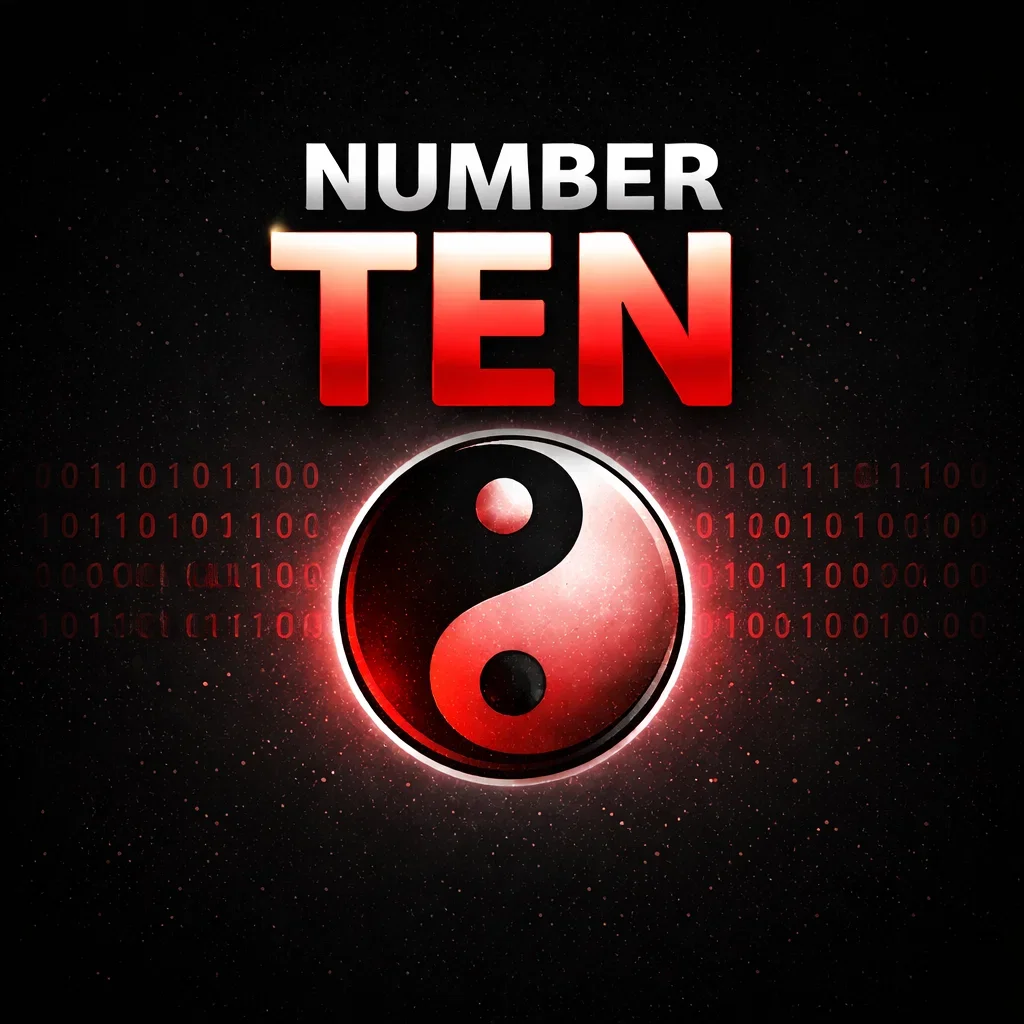
Number 10 as Obi Akwu in Afa
In Afa, the number 10 can be understood as Obi Akwu, the union of movement and stillness. Obi represents active intelligence, dialogue, and problem-solving, while Akwu represents grounding, patience, and stabilizing presence. Symbolically, this is reflected in binary, where 1 corresponds to Obi and 0 corresponds to Akwu, forming 10 as action anchored in stillness. This combination explains why Obi Akwu is associated with the collective, the world, and great strength, many individuals acting within a shared structure. Obi Akwu teaches that real power emerges when movement is supported by stability, allowing intelligence to scale into communities, systems, and lasting impact.

Master Number 33: The Master Teacher (Ikenga Mmadu, Ikenga Mmuo)
Master Number 33 is known as the Master Teacher (Ikenga Be Mmadu, Ikenga Be Mmuo), carrying the highest spiritual vibration of compassion, healing, and selfless service. A rare and potent number in Igbo numerology, it blends the creative power of 3 with the nurturing responsibility of 6, but on a divine scale. Those who embody 33 are called to uplift others through unconditional love, wisdom, and sacrifice, usually by walking a path of healing, teaching, and quiet leadership. This teaching explores the strengths and challenges of the 33 path, and how it serves as a beacon for collective transformation in these awakening times.

Master Number 22: The Master Builder of Spiritual Architecture (Okara Naabo)
Master Number 22, known as the Master Builder (Okara Naabo), carries the rare spiritual frequency of turning vision into reality in a very balanced but fierce way. It combines the intuitive brilliance of 11 with the practical grounding of 4, making it a powerful force for manifesting large-scale impact. Those influenced by 22 are usually tasked with building lasting systems, organizations, or legacies that serve humanity. This teaching explores how 22s are called to rise into leadership not through ego, but through humble mastery, anchoring divine purpose into tangible form for the collective good.
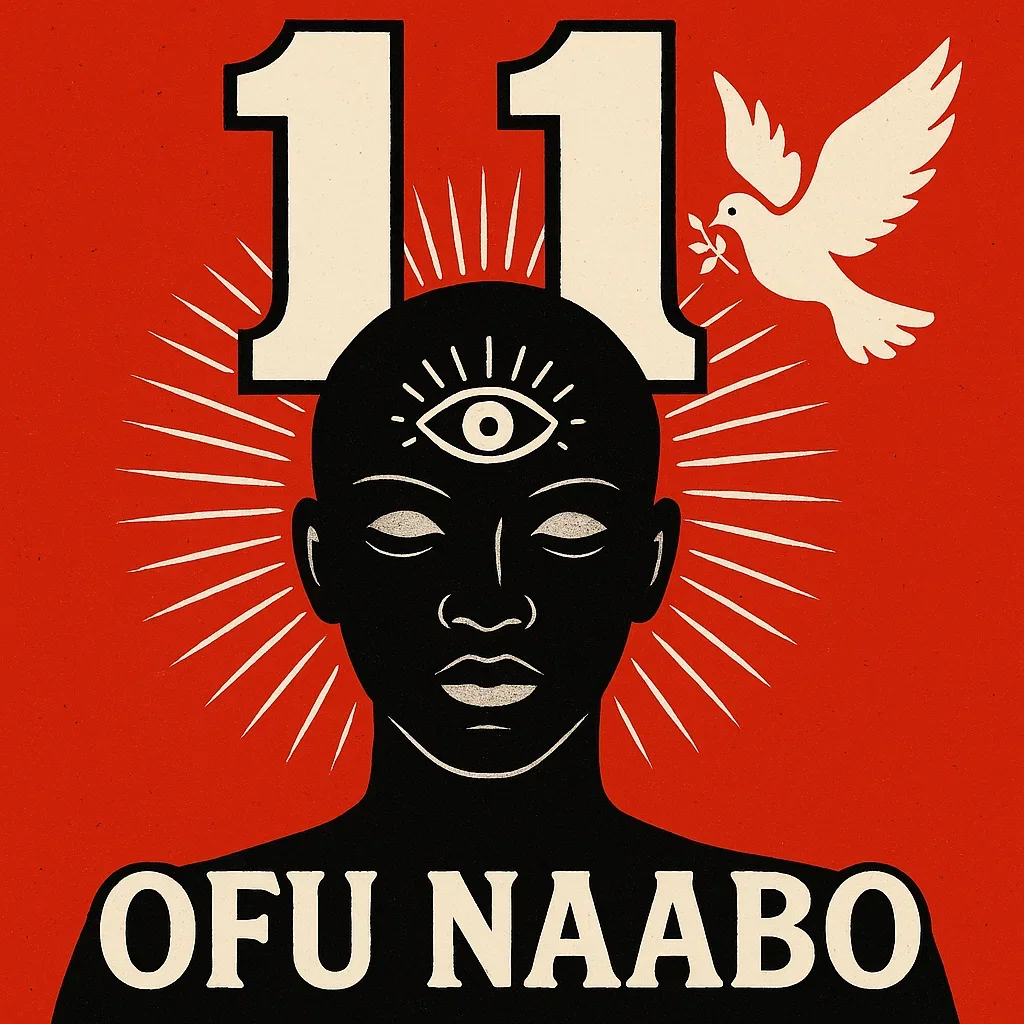
Master Number 11: The Illuminator and Spiritual Messenger (Ofu Naabo)
Master Number 11, the “Spiritual Messenger” (Ofu Naabo), carries a vibrational frequency of intuition, emotional insight, and divine purpose. Those aligned with this number are usually marked as old souls—visionaries, healers, and lightbearers—called to uplift the world through wisdom and inspiration. This teaching explores the deep energy of 11 as a path of spiritual awakening, revealing its gifts, its challenges, and the sacred balance it must strike between inner vision and real-world impact.

ISE: Number Five as Ete Ora (Revelation and Actualization)
Number Five (ISE) can be understood as Ete Ora—a sacred point of revelation, testimony, and actualization, in Afa dictum. It marks the moment when hidden truths emerge into the world, when spiritual insight takes form, and when the voice of one's Chi begins to speak clearly. Associated with ether, prophecy, and primordial creative energy (Omumu), Five represents the threshold between the invisible and the visible. This teaching explores how ISE functions as the divine number of expression, urging us to reveal, embody, and manifest the sacred purpose we carry within.

Nine (9) as Chi’s Sacred Number “Ijite” in Igbo Mysticism
In Igbo mystical numerology, number Nine (9) is revered as the sacred point of Ijite—the moment of spiritual emergence and the declaration of “I am.” It marks the awakening of Chi as it prepares to manifest purpose in the world. Number Nine is a metaphysical threshold in Igbo numerology—where hidden essence becomes conscious identity. This teaching explores how Nine symbolizes the power of becoming, the rhythm of destiny, and the sacred pulse of personal divinity in both ancient and modern life.

Theory of Master Numbers
In Igbo numerology, some numbers stand out, not because they are better, but because they carry deeper spiritual intensity. These are the Master Numbers: 11, 22, 33, 44 and a few alternative numbers. They represent paths of immense growth, challenge, and potential. This teaching explores the theory behind Master Numbers, what they mean in your chart, and how they guide those chosen to lead, heal, and inspire on a higher level.

The Realms of Influence of Numbers
A Simple Guide to How Numbers Shape Our Inner and Outer Worlds. This teaching explores how numbers shape different aspects of human experience; with 3, 6, 9 influencing the spiritual realm, 2, 5, 8 resonating with soulistic matters, and 1, 4, 7 grounding us in the physical world. While each set holds distinct energy, they are deeply interconnected, working together to create a balanced chart of the human design.

Iri na Atọ: The Significance of No. 13 in Igbo Numerology
In Igbo numerology, Iri na Atọ, the number 13, holds a special place. While every number carries both positive and negative aspects, in this teaching we are focusing on the symbolic meanings of 13, which make it one of the most fascinating and powerful numbers in the Igbo cosmic understanding.

How to Use Igbo Numerology for Divination
The true power of divination does not necessarily lie in the numbers themselves but in the diviner's ability to connect with divine intelligence and interpret the spiritual messages they convey. This post will guide you on how to use Igbo numerology for divination, emphasizing the key aspects and steps to perform effective readings.

Itenaani: Interpretations of Number 9 in Igbo Numerology
In Igbo numerology, the number nine, Itenaani, (also referred to as Itolu, Iteghete, Asanno, or Iteginaa, depending on the dialect), is highly symbolic. It represents fulfillment, enlightenment, mystery, power, end/finity, consciousness, and infinite wisdom.

Asato: Interpretations of Number 8 in Igbo Numerology
In Igbo numerology, the number eight, known as Asato or Isato, has symbolic meanings that encompass prosperity, infinite possibilities, ascension, cycles of life, new beginnings, mastery of spirit and matter, and divine grace.

Asaa: Interpretations of Number 7 in Igbo Numerology
In Igbo numerology, the number seven, known as Asaa or Isaa, carries deep symbolic meanings that represent completion, spiritual cycles, rest, beauty, excellence, authority, and mystical knowledge.

Isii: Interpretations of Number 6 in Igbo Numerology
In Igbo numerology, the number six, known as Isii or Ishii, holds significant symbolic meanings that encompass leadership, family, fruitfulness, fertility, victory, wealth, and purpose.

Ise: Interpretations of Number 5 in Igbo Numerology
In Igbo numerology, the number five, known as Ise, is a symbol of manifestation, movement, sight, foresight, divine intelligence, communication, and commitment.