Welcome to Faculty of Divination!
Explore our growing collection of 350+ exclusive teachings on Afa Divination, Igbo Numerology, Igbo Astrology, Pendulum Divination, Dream Interpretations, and Other Divinatory Systems.
Search results will show you available teachings organized by category for easier navigation.
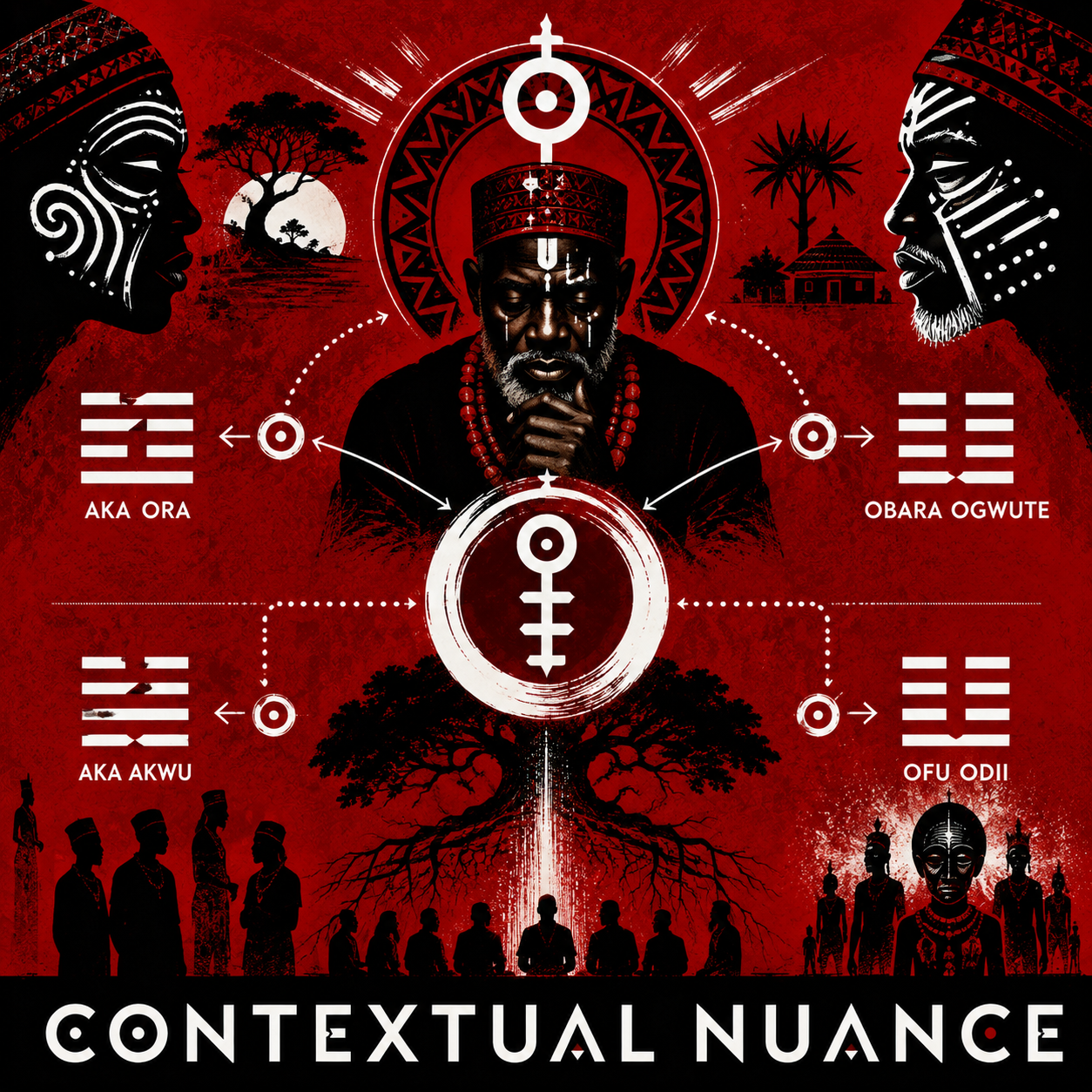
Theory of Contextual Nuance in Afa Akpukpala Interpretation
The Theory of Contextual Nuance in Afa teaches that the same spiritual reality can be expressed through different patterns and combinations, with each revealing a distinct dimension of its nature. Thus, while two Afa states may refer to the same subject—such as Aka Ora and Obara Ogwute both alluding to Agwu, or Aka Akwu and Ofu Odii both referring to the ancestors—the unique energetic context of each pattern determines the tone, emphasis, and depth of the interpretation. Every combination carries its own nuanced message, making it essential for the diviner to understand the intrinsic energy of each Afa state before interpreting their interaction. Guided by Agwu, the skilled diviner discerns not only what Afa is revealing, but how and from which dimension that truth is being communicated, transforming symbolic patterns into precise and living wisdom.
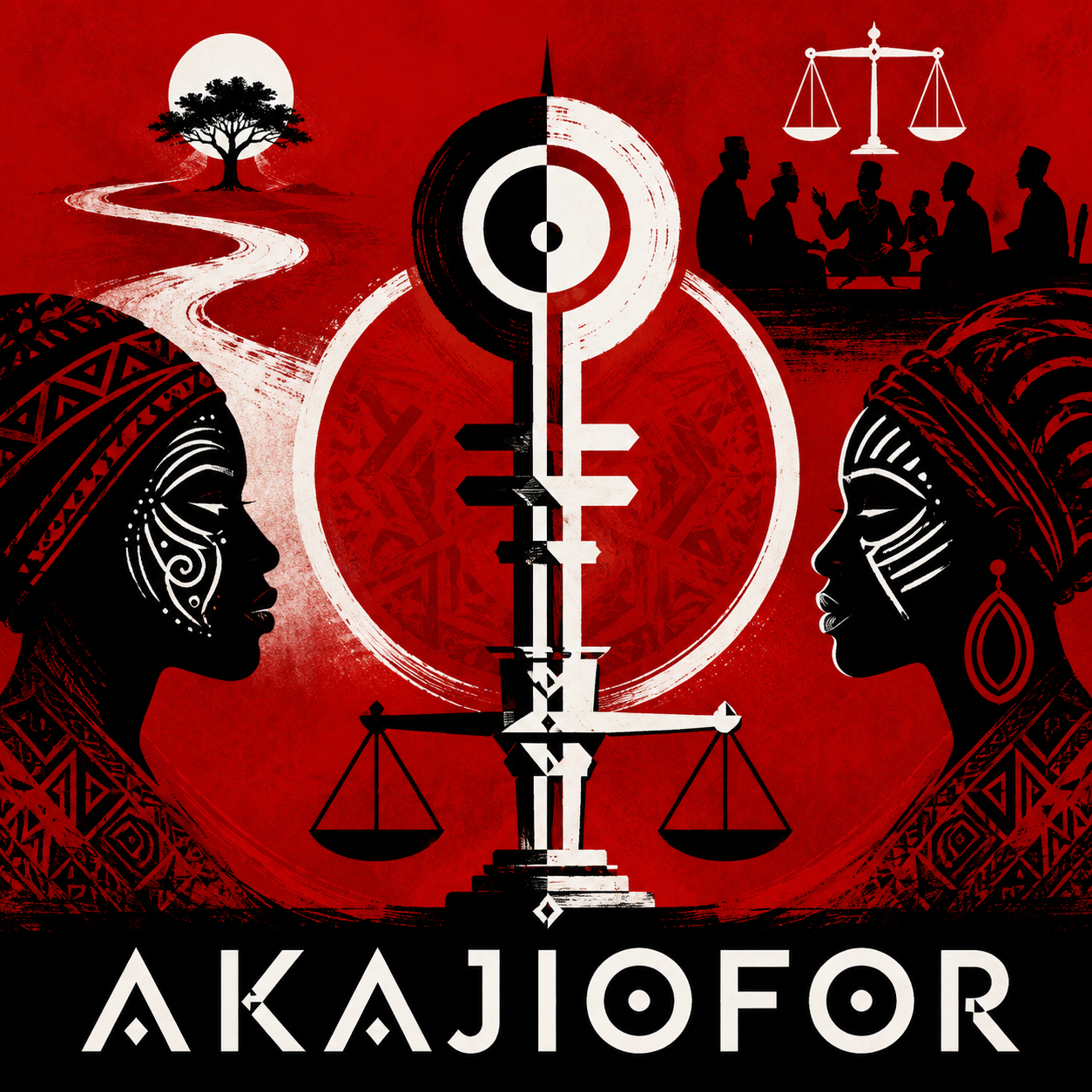
Aka Otule as Ofo — The Sacred Symbol of Truth, Justice, and Authority in Afa
In Afa, Aka Otule reveals the sacred principle behind Ofo, the symbol of truth, justice, legitimate authority, and moral accountability. Aka represents the primordial journey from origin into manifestation, while Otule represents okwu and ikpe—speech, disputed matters, arbitration, and judgment. Together, they teach that every word claiming authority must be capable of journeying back to its source in truth; what is said must remain faithful to what is real, and judgment must arise from principle rather than power. This is why Ofo, in Igbo worldview, represents a truth greater than the person who holds it. Ofo places authority under judgment, reminding us that true power becomes legitimate only when speech, action, and justice remain aligned with truth.
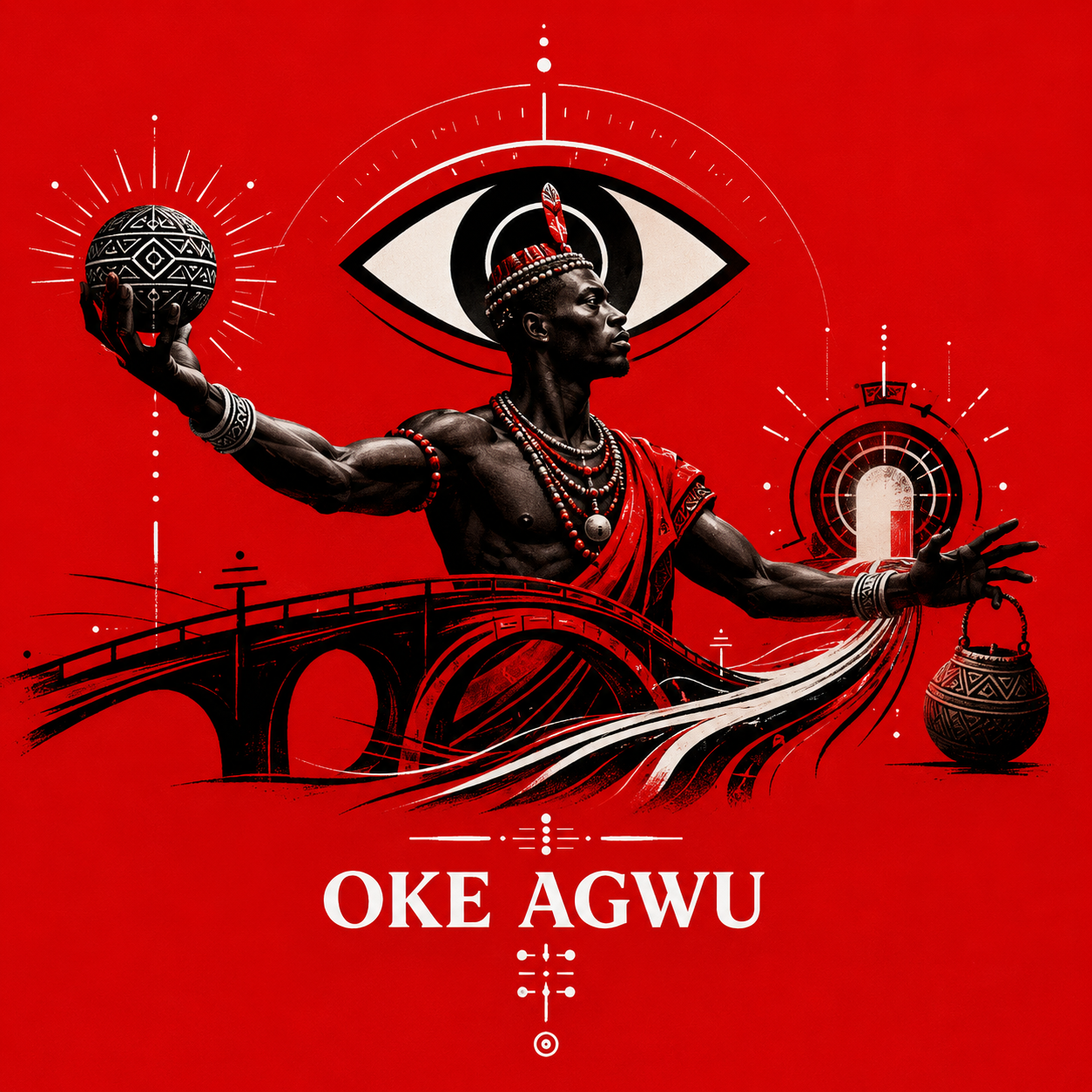
Ose Ete as Oke Agwu — The Masculinized Expression of Agwu in Afa
In Afa, Ose Ete reveals Oke Agwu as the active, outward-facing expression of divine creative intelligence, with “masculinized” referring to energetic activity rather than biological gender. Ose represents the opened eye, perception, and the potency to recognize what lies beyond the obvious, while Ete represents the bridge, vibration, and transmission through which something moves from one state or place into another. Together, they explain why Ose Ete is associated with giving, picking, bringing, and taking; it is the power that transforms perception into active exchange with reality. Oke Agwu therefore represents Agwu as agency—the intelligence that sees what is possible, reaches toward it, selects what is needed, and brings possibility into manifestation.

A Basic Understanding of Ofu in Afa
Ofu is the Afa principle of absolute oneness, indivisible wholeness, and source energy undispersed. Ofu symbolizes the primordial unity from which all existence arises and within which all existence remains connected. It is the metaphysical expression of Chukwu, reflected through Chi, illuminated by Anwu, and embodied in the divine intelligence of Agwu. As the foundation of all being, Ofu teaches that beneath the apparent diversity of creation lies a single, unbroken reality. To understand Ofu is to recognize that divine wisdom begins by seeing beyond separation and remembering the universal unity that binds all life, consciousness, and existence into one eternal whole.
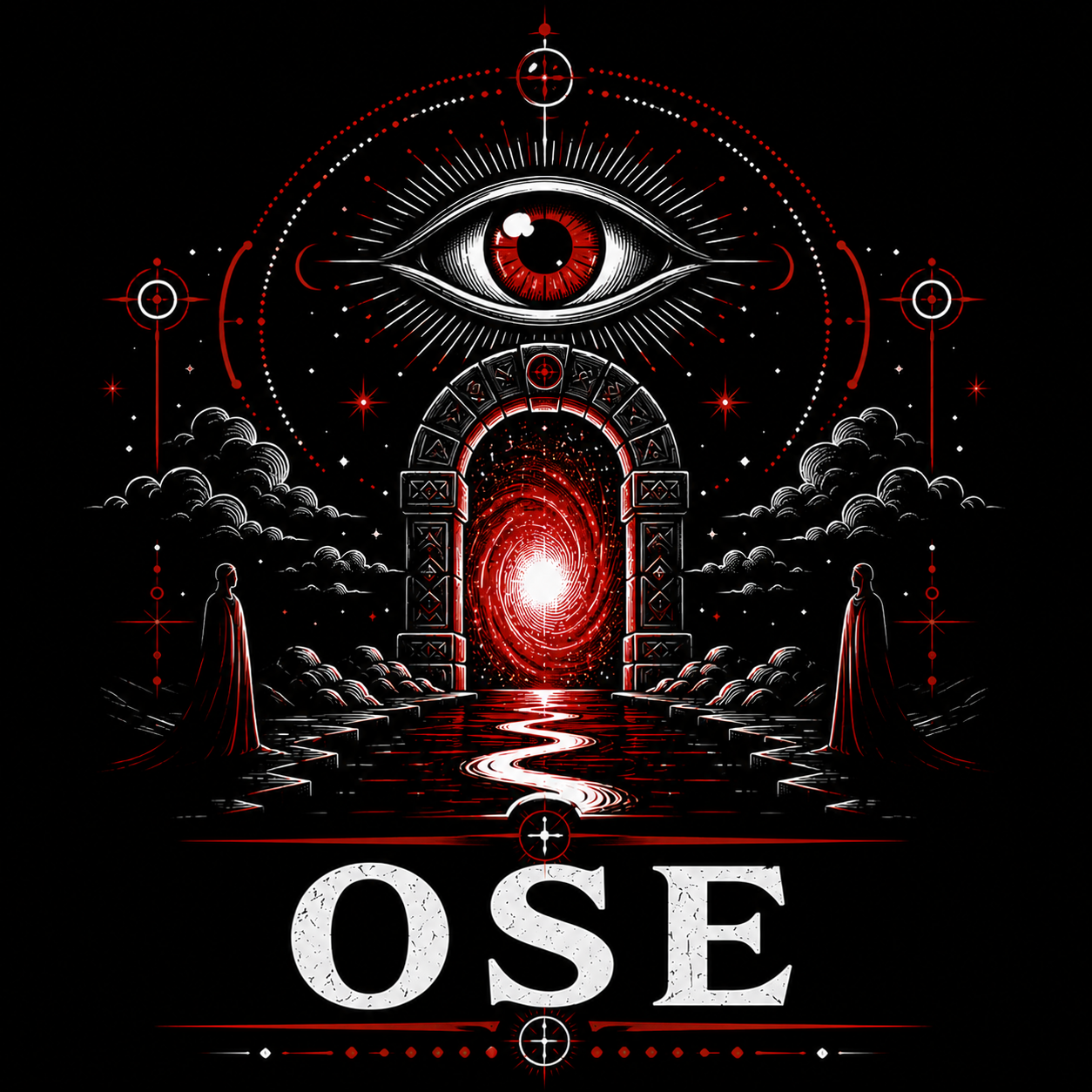
A Basic Understanding of Ose in Afa
Ose is the Afa principle of potency, openness, and transmission—the enabling force that makes communication and movement between realities possible. Symbolized by the eye (Anya) and the portal (Ihe Ghere Oghe), Ose represents the capacity to perceive beyond ordinary sight and to receive knowledge from both the visible and invisible dimensions of existence. Unlike Ete, which serves as the bridge connecting realms, Ose is the living potency that allows that bridge to function. It teaches that every revelation begins with an opening, and that true vision is not simply the act of seeing, but the awakened ability to perceive deeper truths, underlying patterns, and the realities that lie beyond the physical world.
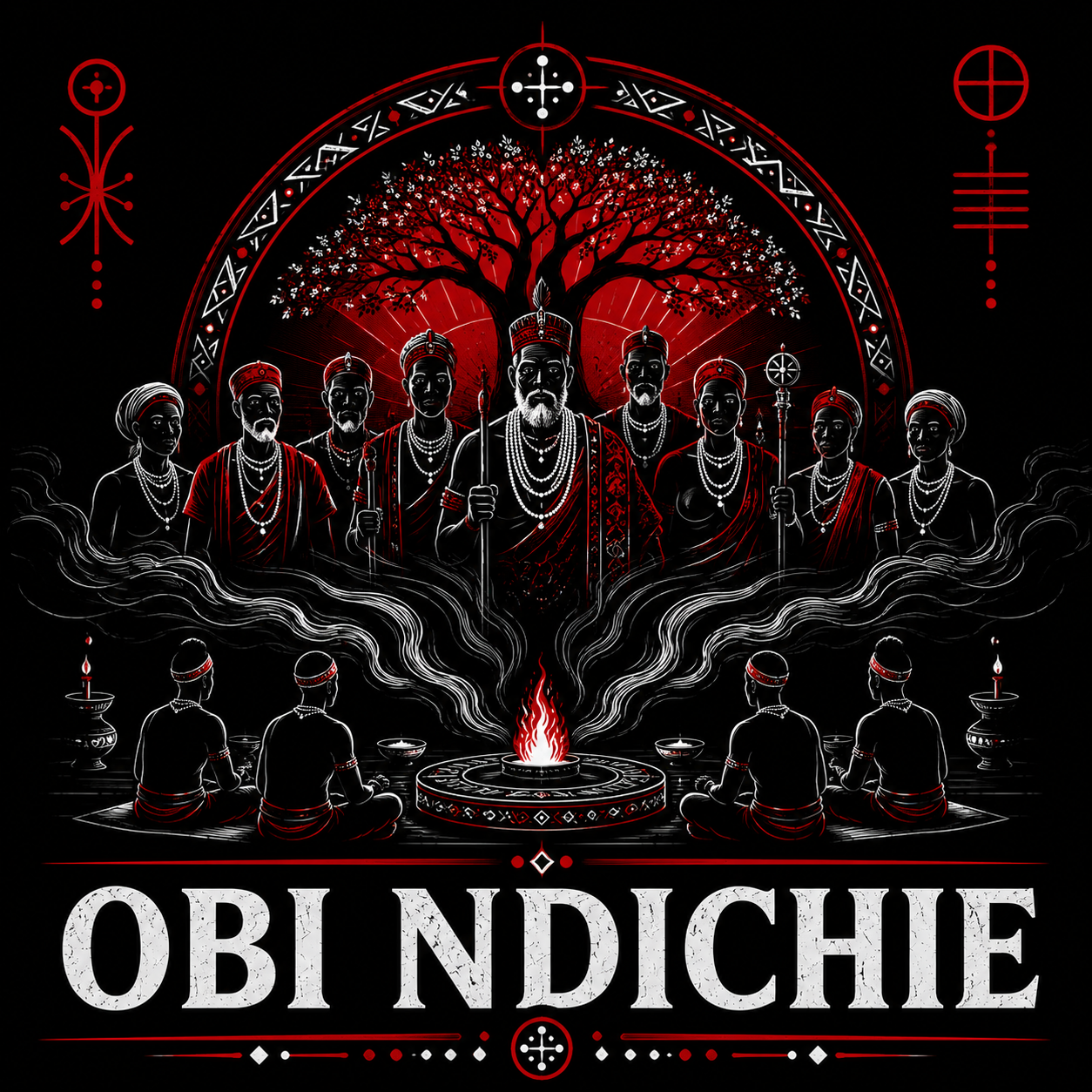
Aka Ululu as Obi Ndichie (The Ancestral Abode) in Afa
In Afa, Aka Ululu describes the ancestral abode as the place where the journey of life becomes permanently rooted within the continuity of the lineage. Aka represents life's unfolding journey, while Ululu represents anchoring, permanence, and enduring presence. Together, they explain why the ancestors are understood as living custodians of memory, wisdom, and identity rather than simply people who have simply passed away. This teaching shows that the ancestral realm is the enduring foundation from which every generation receives guidance, belonging, and continuity.
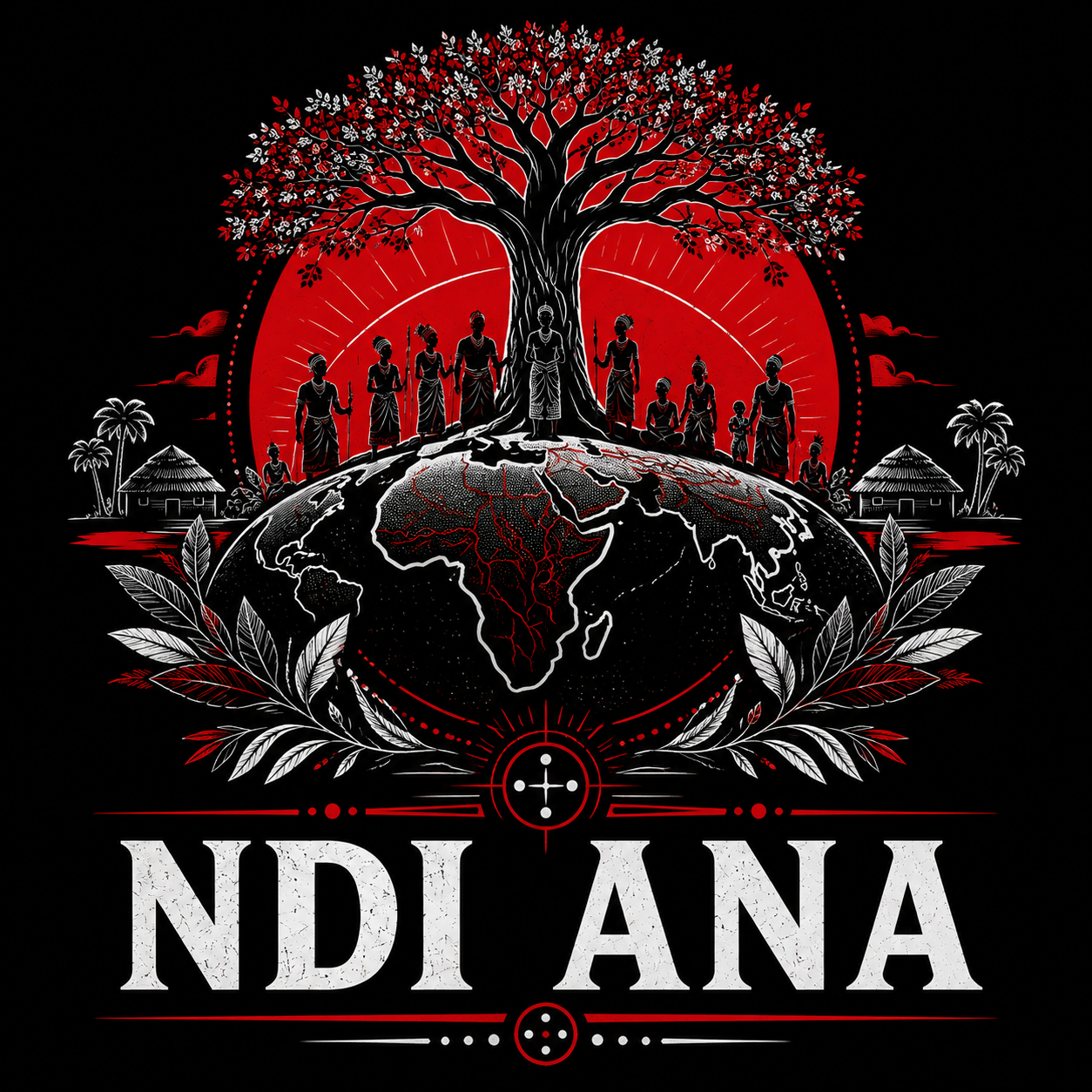
Aka Ijite as Mmuo Ana (Land Spirits) in Afa
In Afa, Aka Ijite describes the living Earth as the place where the primordial journey of existence becomes centered in being. Aka represents movement and the unfolding of creation, while Ijite represents identity, presence, and the realization of life. Together, they explain why Ala is understood as more than land—it is the living foundation where spirit, memory, and human existence are continually established. This teaching shows that the Earth is not simply a place we inhabit, but a living reality that participates in the unfolding of life itself.
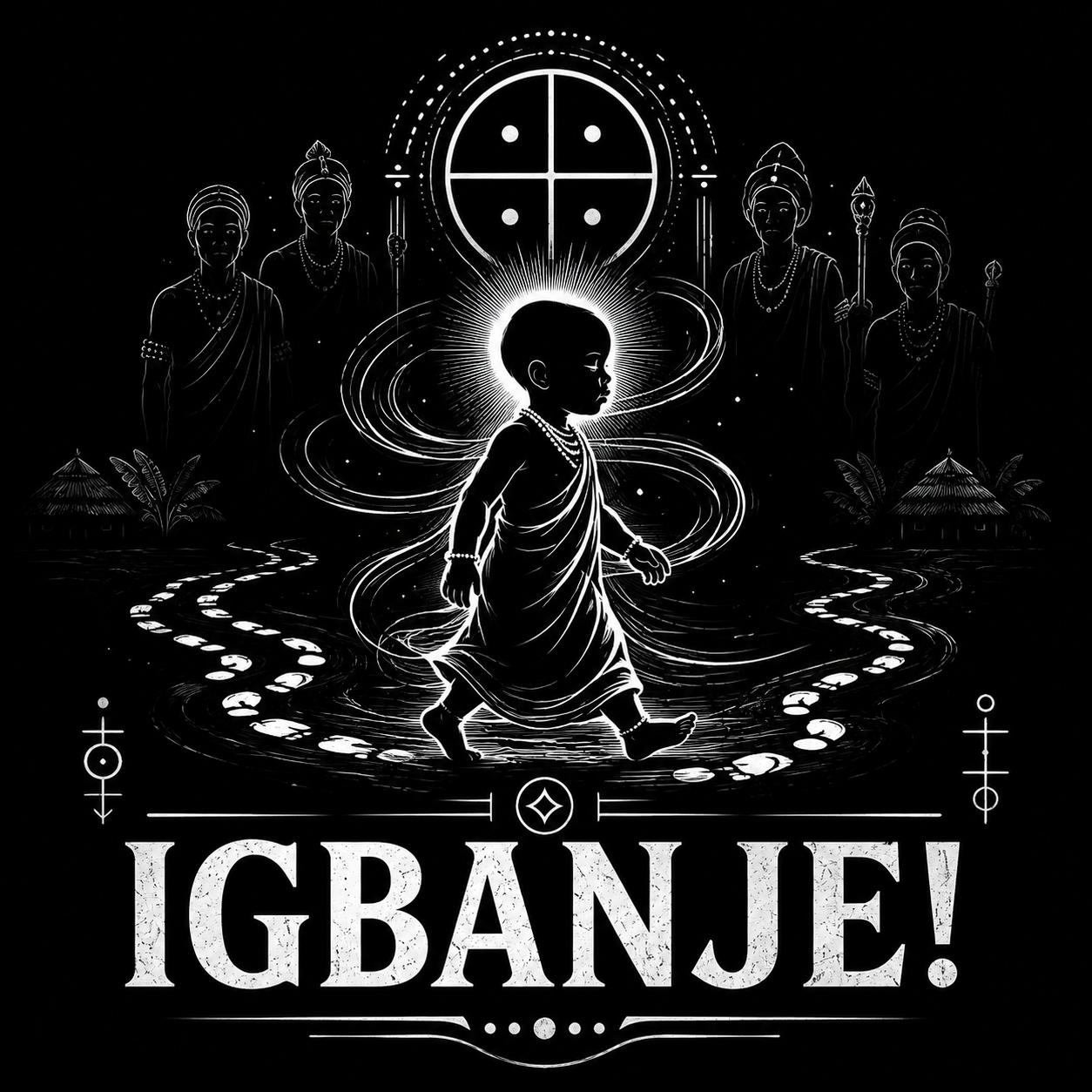
Aka Naabo as Ogbanje in Afa
In Afa, Aka Naabo describes Ogbanje as spirits whose journeys are driven by an extraordinary sense of purpose. Aka represents the primordial journey of life, while Naabo doubles the emphasis of that journey, symbolizing a mission of unusual intensity and significance. Together, they explain why these spirits are portrayed as travelers constantly responding to deeper assignments rather than simply wandering between worlds. This teaching shows that the true meaning of Aka Naabo lies in an amplified calling—a life shaped by purpose so powerful that movement itself becomes part of its destiny.
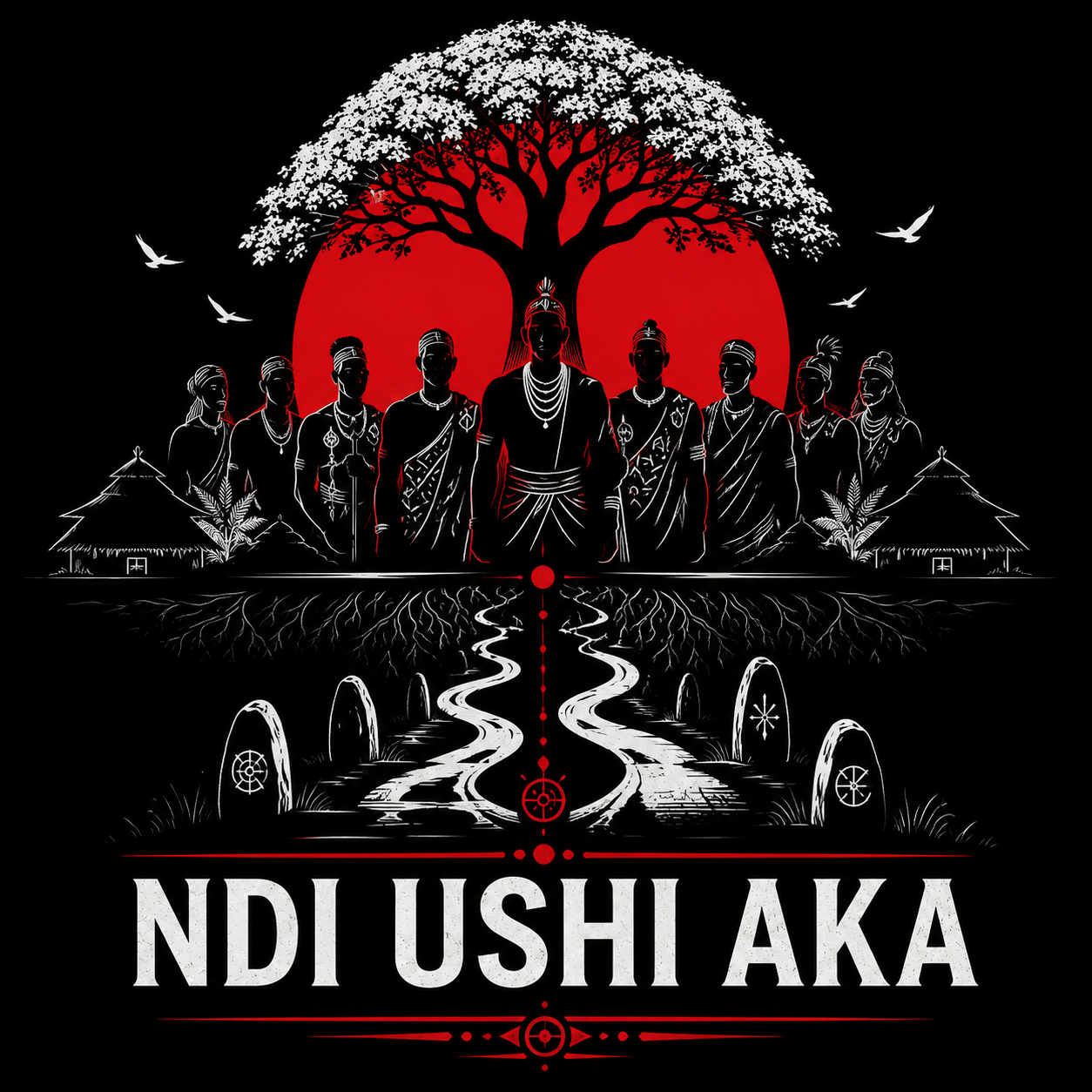
Aka Akwu as Ndi Ichie (Ancestors) in Afa
In Afa, Aka Akwu describes the ancestors as those who transformed the original journey of life into lasting foundations for future generations. Aka represents the primordial journey, while Akwu represents stability, permanence, and preservation. Together, they explain why Igbo ancestors are remembered as the enduring custodians of wisdom, identity, and communal continuity. This teaching shows that the true legacy of the ancestors is not simply that they lived before us, but that they established the foundations upon which every generation continues to build.
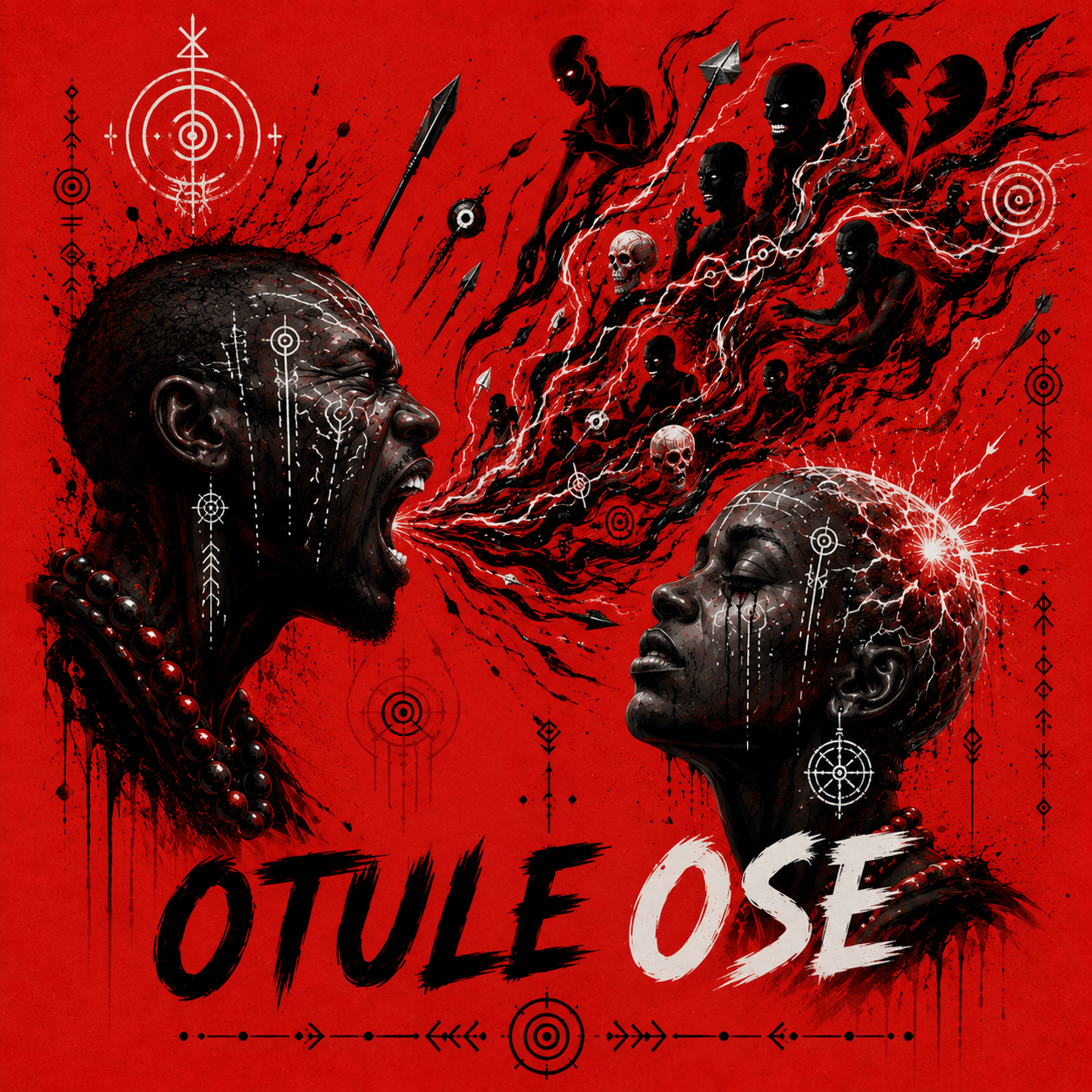
Otule Ose as Ajo Okwu (Harmful Speech) in Afa
In Afa, Otule Ose describes harmful speech as words that enter deeply into a person's mind and spirit. Otule represents speech and verbal force, while Ose represents perception and openness. Together, they explain how words can pierce, influence, and sometimes wound another person long after they are spoken. This teaching shows that speech is a powerful force capable of both healing and harm, depending on how it is used.
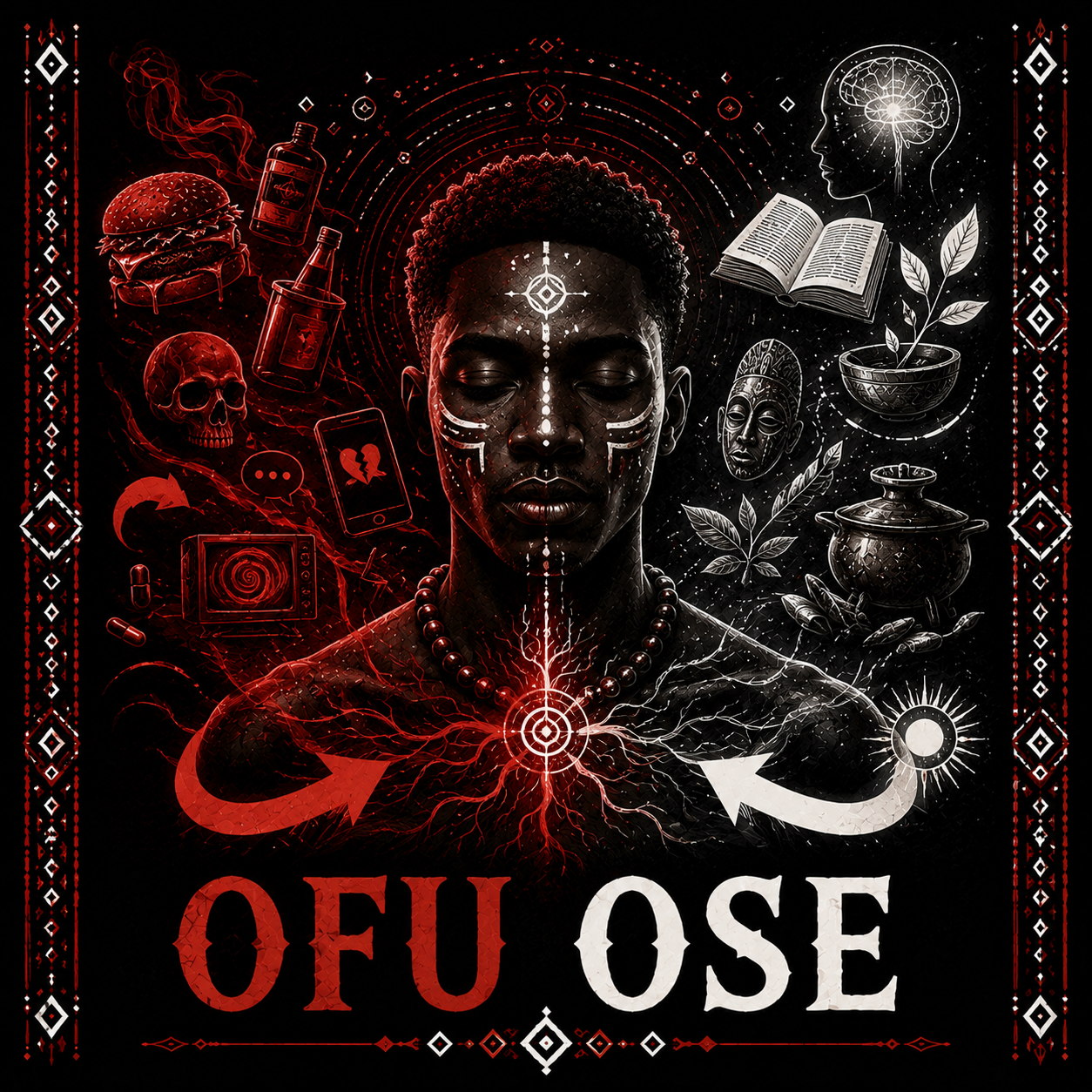
Ofu Ose as Ajo Nni (Bad Food) in Afa
In Afa, Ofu Ose describes bad nourishment as anything harmful that is accepted and absorbed into one's life. Ofu represents integration and internalization, while Ose represents openness and reception. Together, they explain how unhealthy food, ideas, habits, or influences can become part of a person's condition. This teaching shows that good wellbeing depends not only on what we consume physically, but also on what we allow into our minds and spirits.
Theory of Pattern Combinations in Afa Corpus
The Theory of Pattern Combinations in Afa proposes that when two Afa states or patterns combine directly within the structure of the Akpukpala Mystic Matrix System, they can give rise to a third state that reveals their deeper collective potential. For example, the combination of Ete and Otule produces Odii, suggesting that the interaction of those two energies carries within it the possibility of manifesting the qualities associated with Odii. This principle allows the diviner to see beyond isolated meanings and understand how patterns interact, evolve, and generate new realities. In essence, the resulting state becomes a revelation of what the original patterns are capable of becoming together, offering insight into emerging outcomes, hidden potentials, and the dynamic nature of existence itself.
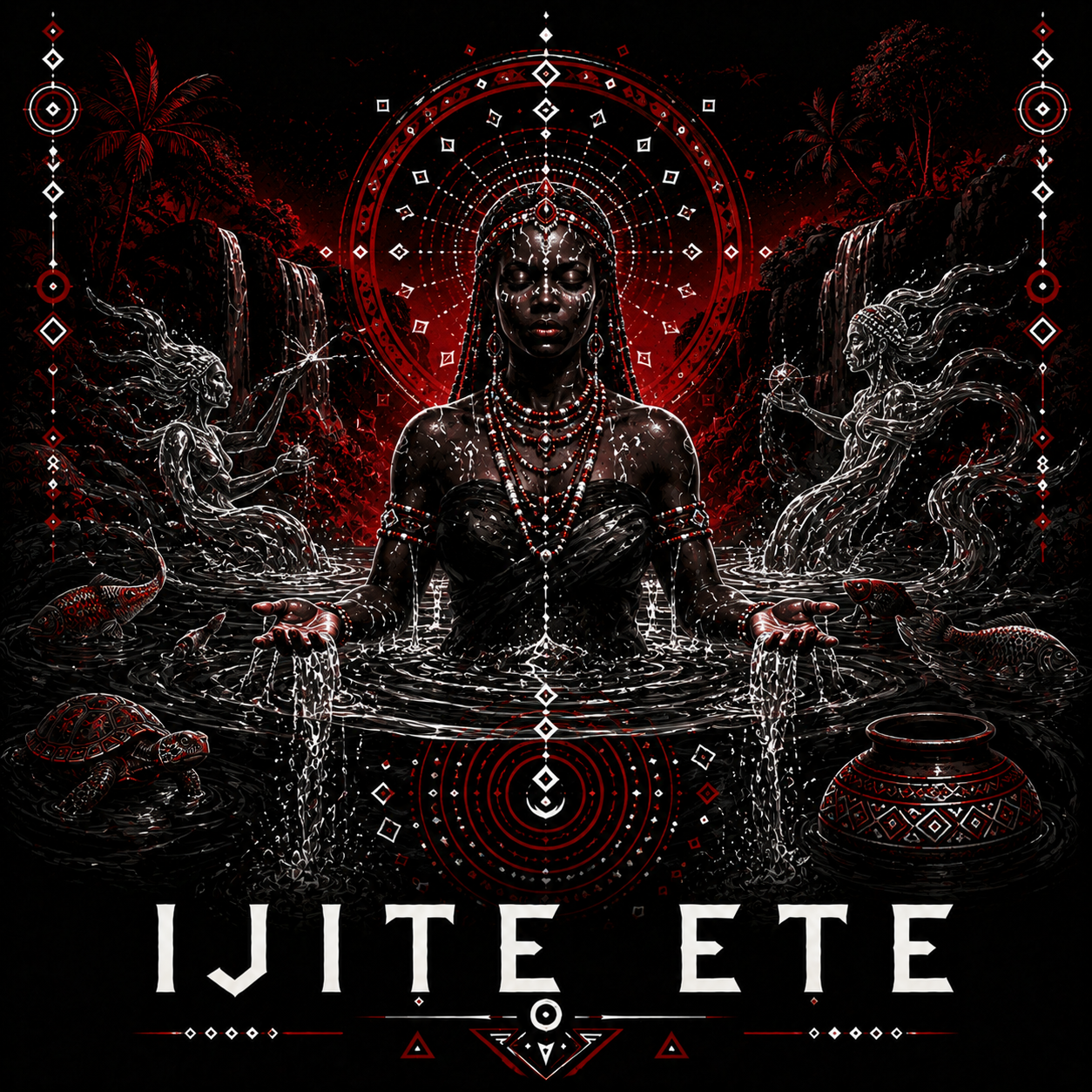
Ijite Ete as Water Spirits in Afa
In Afa, Ijite Ete describes water spirits as living forms of spiritual movement and consciousness. Ijite represents flowing existence and the path of being, while Ete represents transition, vibration, and passage between states. Together, they explain water as a sacred medium that carries life, memory, and spiritual intelligence. This teaching shows that water is understood not only as a physical element, but as a living force connected to transformation and hidden spiritual realities.
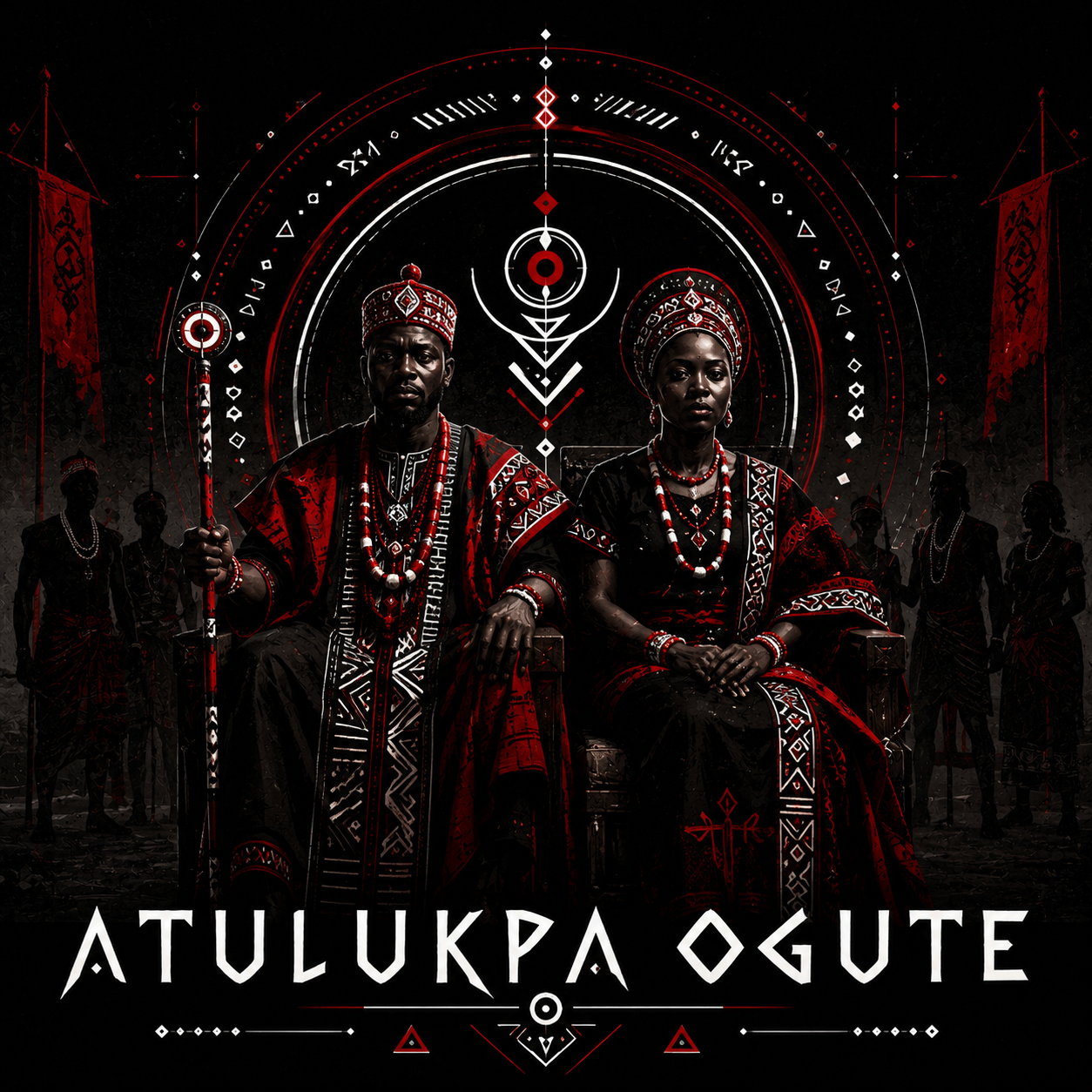
Atulukpa Ogwute as Ndi Nze na Ozo in Afa
In Afa, Atulukpa Ogwute describes Ndi Nze na Ozo as people whose identities are spiritually and socially bound to responsibility and order. Atulukpa represents sacred structure and disciplined distinction, while Ogwute represents grounded existence and the path of being. Together, they explain titled personhood as a form of mature authority rooted in balance, ethics, and communal responsibility.

Atulukpa Ora as Nseke (Spiritual Trouble) in Afa
In Afa, Atulukpa Ora describes spiritual trouble as the restriction of clarity and inner harmony. Atulukpa represents limitation and entanglement, while Ora represents light, truth, and illumination. Together, they explain how setbacks and disagreement can arise when spiritual alignment is obstructed. This teaching shows that many difficulties are signs of blocked clarity that require realignment and restoration of balance.
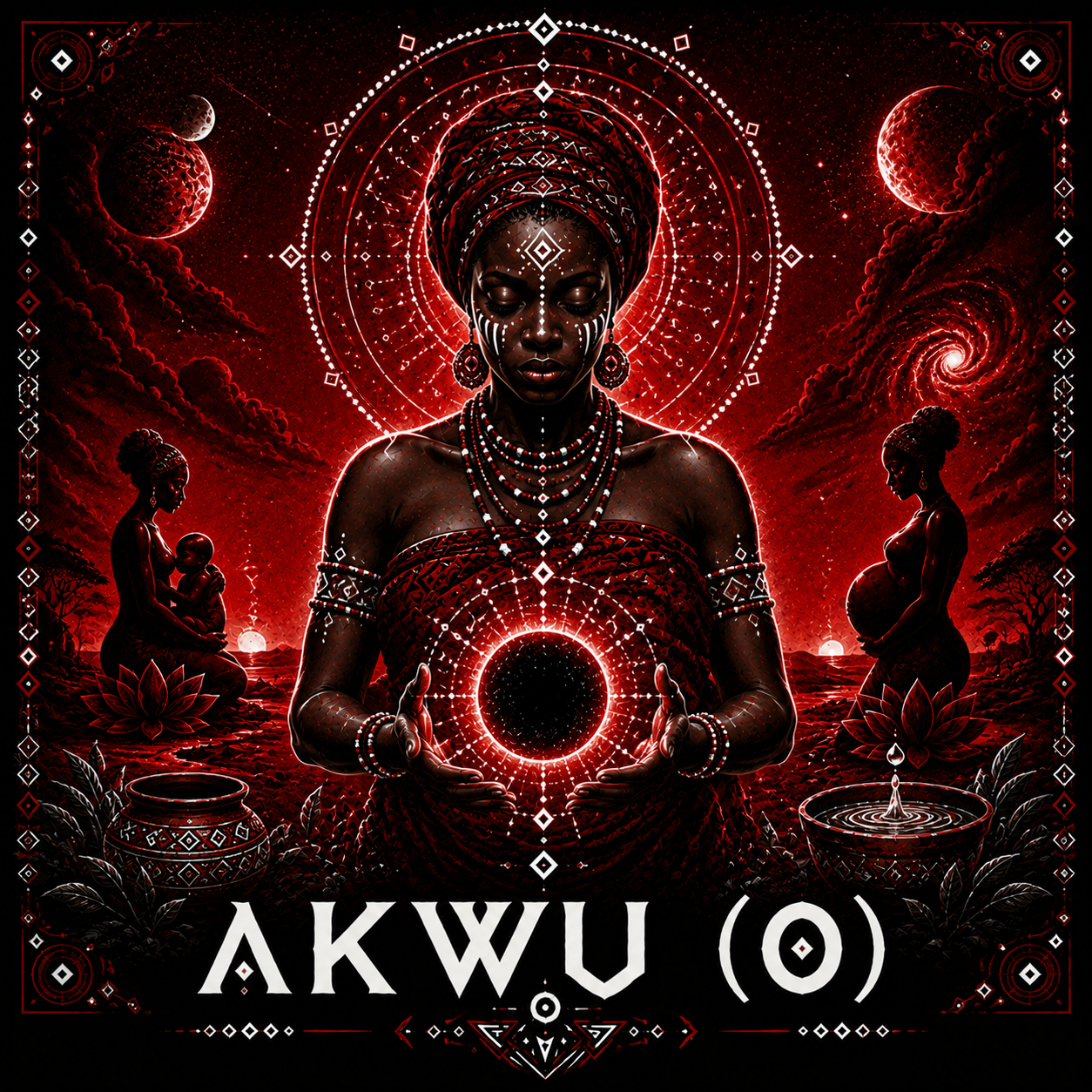
A Basic Understanding of Akwu in Afa
Akwu is the primordial principle of Cause in Afa, representing the totality of potential energy from which all life, consciousness, and manifestation emerge. Associated with Zero (0) in the Afa binary system, Akwu symbolizes the Great Void and Sacred Womb—the fertile state of unmanifest possibility that exists before creation takes form. As the primordial feminine principle, it embodies stillness, patience, receptivity, and the hidden power of potential energy. Akwu is fullness concealed, containing within itself every future reality waiting to emerge. It teaches that before movement, there is stillness; before effect, there is cause; and before creation, there is the silent, potent mystery of potential.
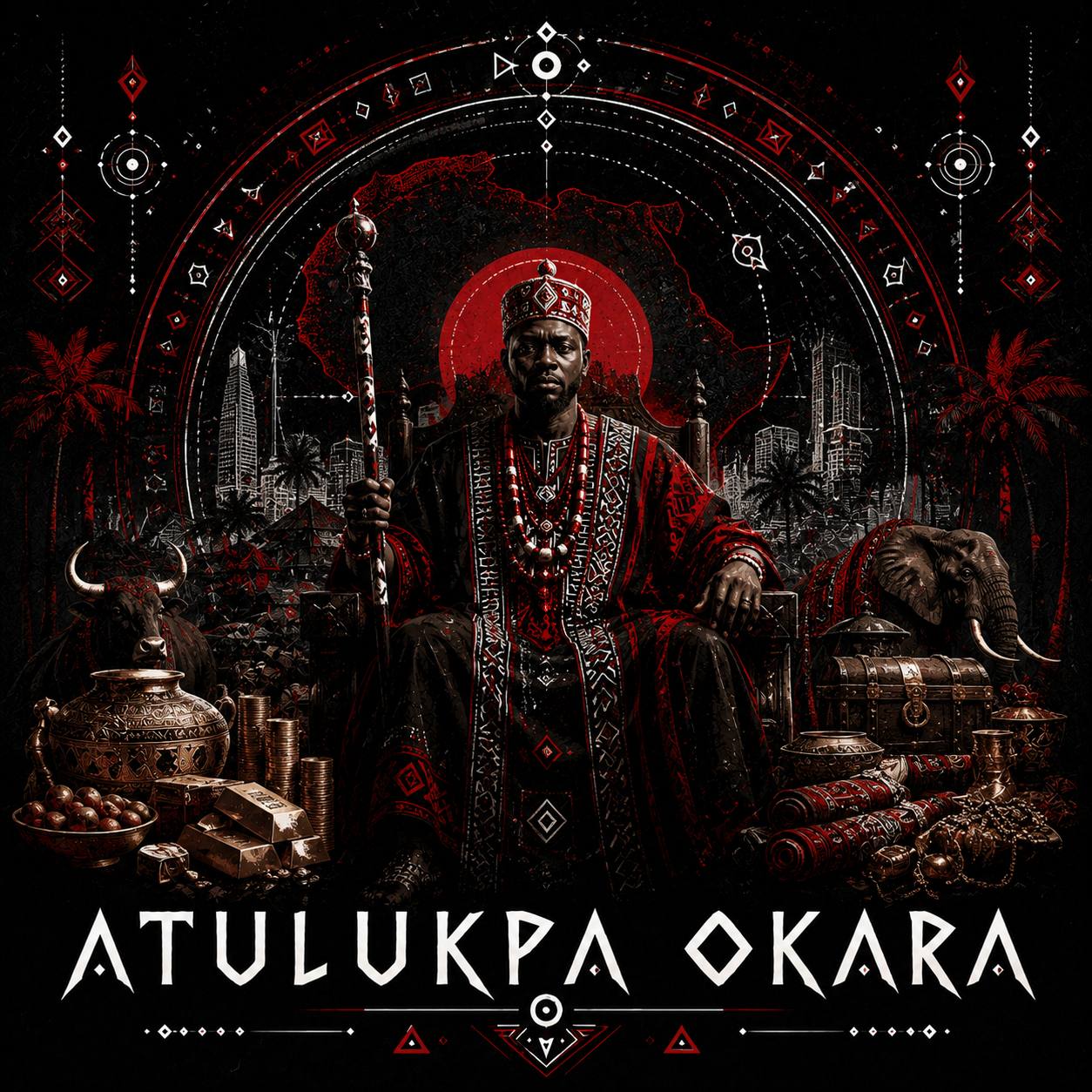
Atulukpa Okara as Wealth in Afa
In Afa, Atulukpa Okara describes wealth as prosperity that is both structured and expansive. Atulukpa represents protection, organization, and stability, while Okara represents breadth, influence, and established presence. Together, they explain wealth as secure abundance that can sustain life and grow across time. This teaching shows that true prosperity depends on both expansion and disciplined stability.
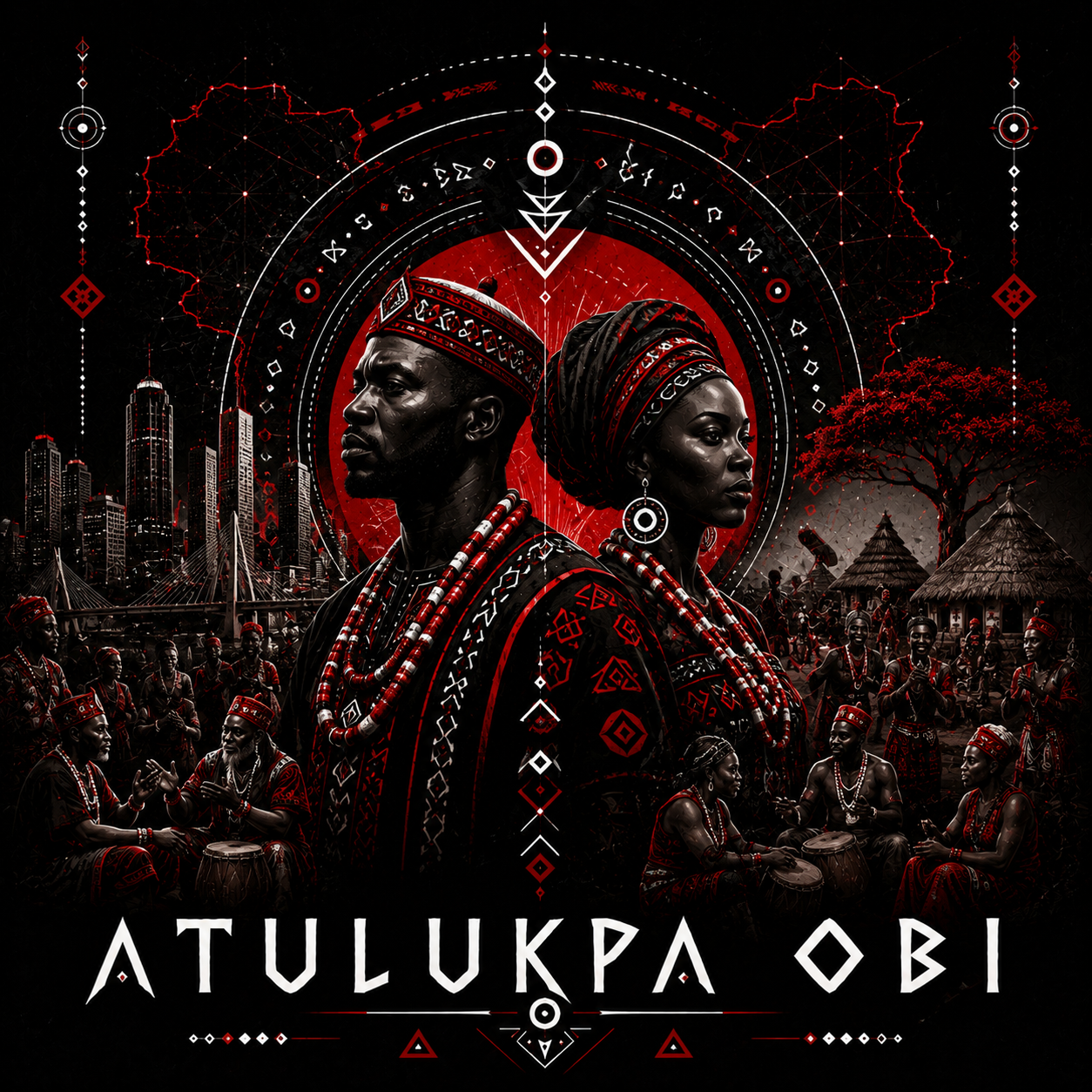
Atulukpa Obi as Ndi Igbo in Afa
In Afa, Atulukpa Obi describes Ndi Igbo as a people whose identity is maintained through movement, adaptation, and dialogue. Atulukpa represents structure and cultural continuity, while Obi represents activity, communication, and problem-solving. Together, they explain how a people can preserve their identity while constantly moving, changing, and engaging with new conditions. This teaching shows that continuity is strongest when tradition and adaptability work together.
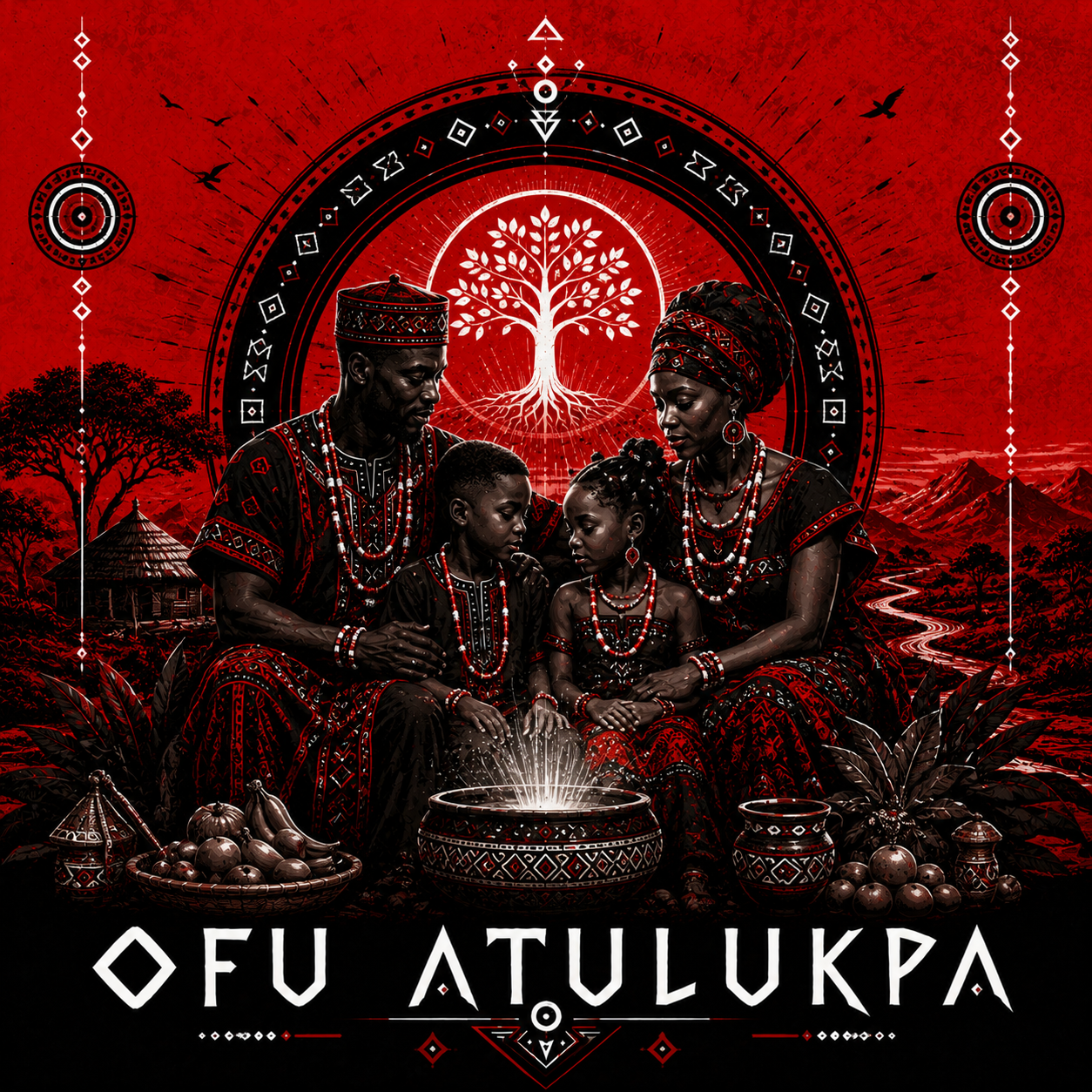
Ofu Atulukpa as Blessings in Afa
In Afa, Ofu Atulukpa describes blessings as goodness that is gathered, protected, and sustained within life. Ofu represents wholeness and balance, while Atulukpa represents stability and preservation. Together, they explain blessings as conditions of harmony, wellbeing, and lasting peace. This teaching shows that true blessings are not only material gifts, but stable forms of goodness that support life and continuity.

Atulukpa Aka as Speed in Afa
In Afa, Atulukpa Aka describes speed as the release of compressed energy into rapid movement. Atulukpa represents stored or tied-up force, while Aka represents motion and journey. Together, they explain how pressure and contained energy can suddenly transform into fast action or movement. This teaching shows that speed often comes from accumulated tension seeking expression.