Welcome to Faculty of Divination!
Explore our growing collection of 350+ exclusive teachings on Afa Divination, Igbo Numerology, Igbo Astrology, Pendulum Divination, Dream Interpretations, and Other Divinatory Systems.
Search results will show you available teachings organized by category for easier navigation.
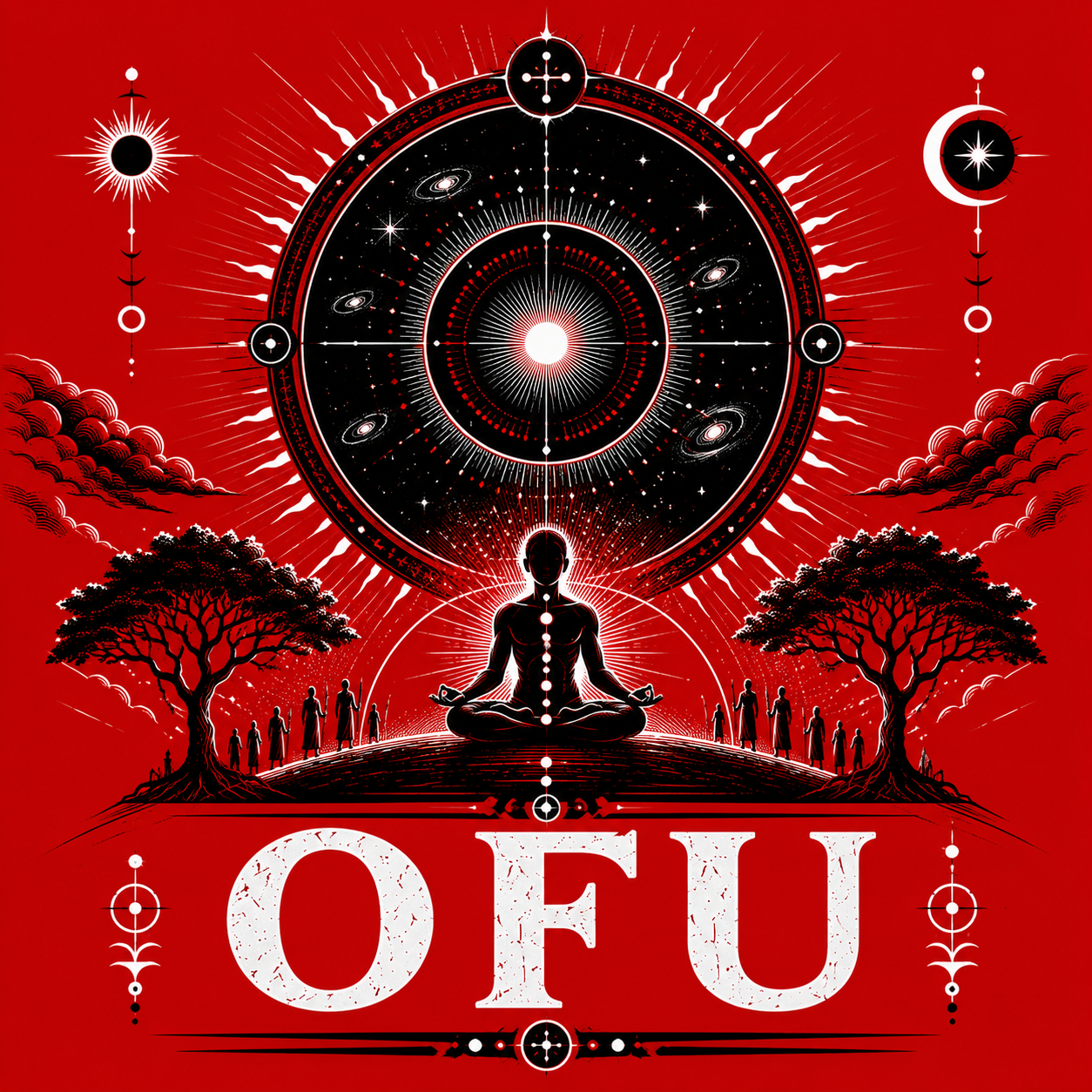
A Basic Understanding of Ofu in Afa
Ofu is the Afa principle of absolute oneness, indivisible wholeness, and source energy undispersed. Ofu symbolizes the primordial unity from which all existence arises and within which all existence remains connected. It is the metaphysical expression of Chukwu, reflected through Chi, illuminated by Anwu, and embodied in the divine intelligence of Agwu. As the foundation of all being, Ofu teaches that beneath the apparent diversity of creation lies a single, unbroken reality. To understand Ofu is to recognize that divine wisdom begins by seeing beyond separation and remembering the universal unity that binds all life, consciousness, and existence into one eternal whole.
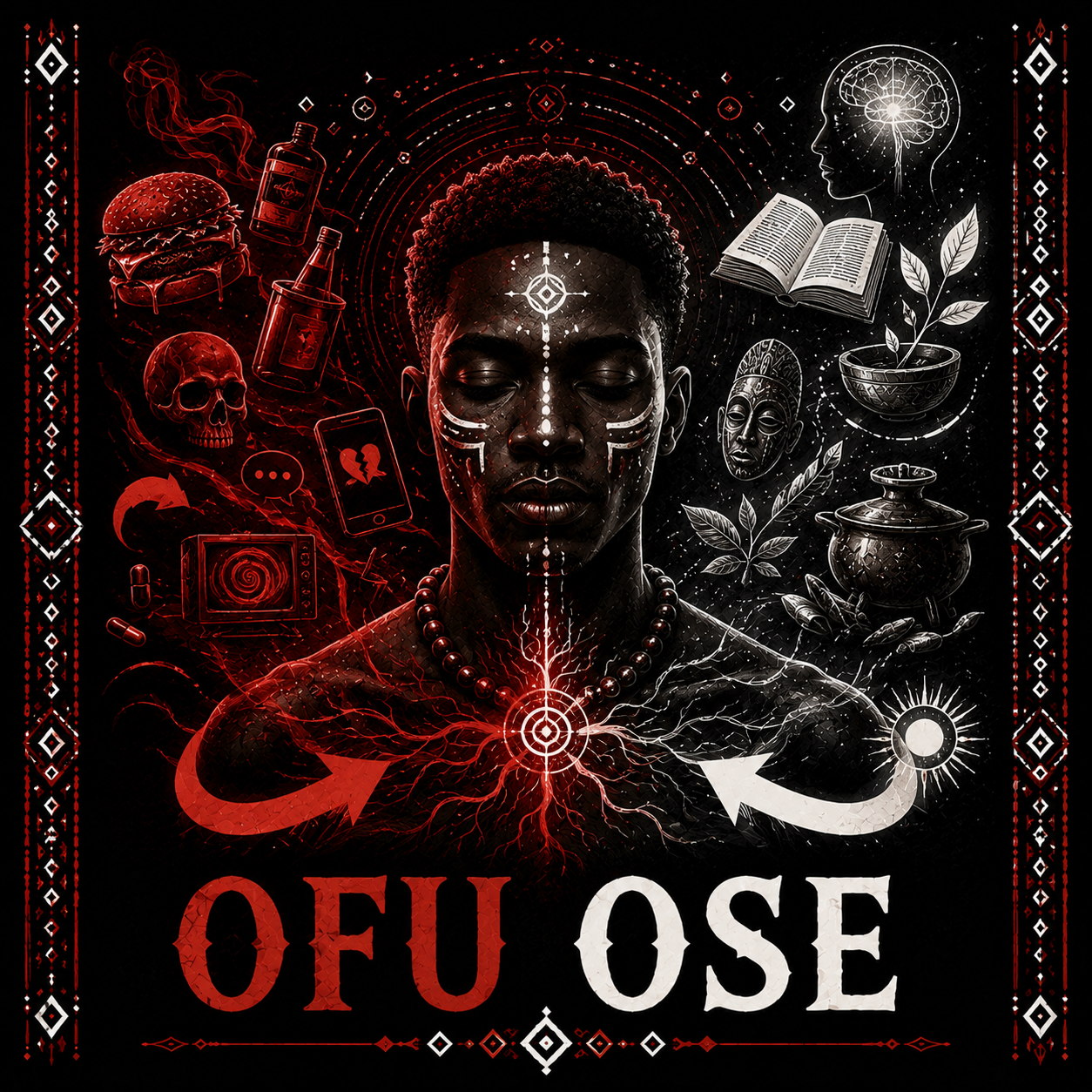
Ofu Ose as Ajo Nni (Bad Food) in Afa
In Afa, Ofu Ose describes bad nourishment as anything harmful that is accepted and absorbed into one's life. Ofu represents integration and internalization, while Ose represents openness and reception. Together, they explain how unhealthy food, ideas, habits, or influences can become part of a person's condition. This teaching shows that good wellbeing depends not only on what we consume physically, but also on what we allow into our minds and spirits.
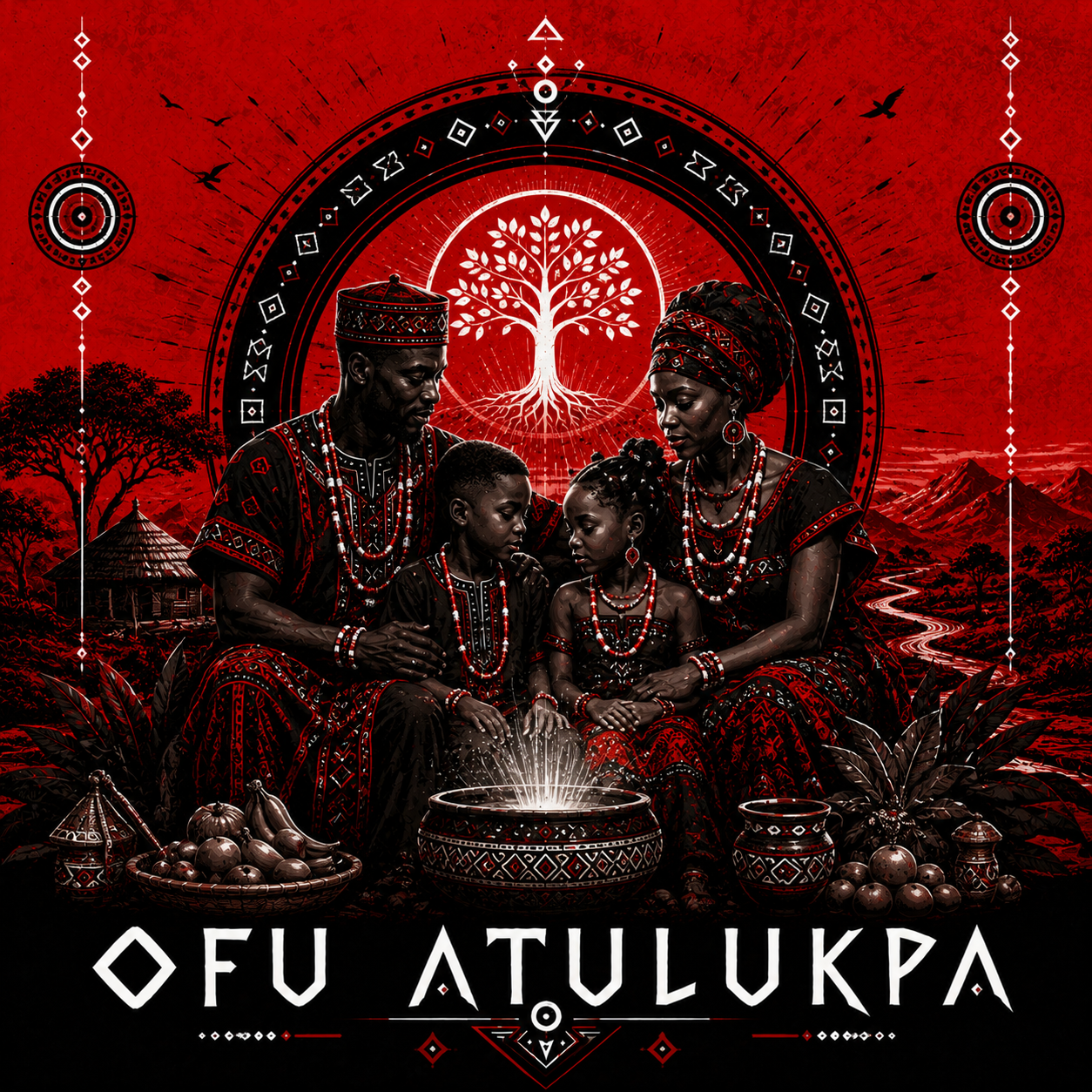
Ofu Atulukpa as Blessings in Afa
In Afa, Ofu Atulukpa describes blessings as goodness that is gathered, protected, and sustained within life. Ofu represents wholeness and balance, while Atulukpa represents stability and preservation. Together, they explain blessings as conditions of harmony, wellbeing, and lasting peace. This teaching shows that true blessings are not only material gifts, but stable forms of goodness that support life and continuity.
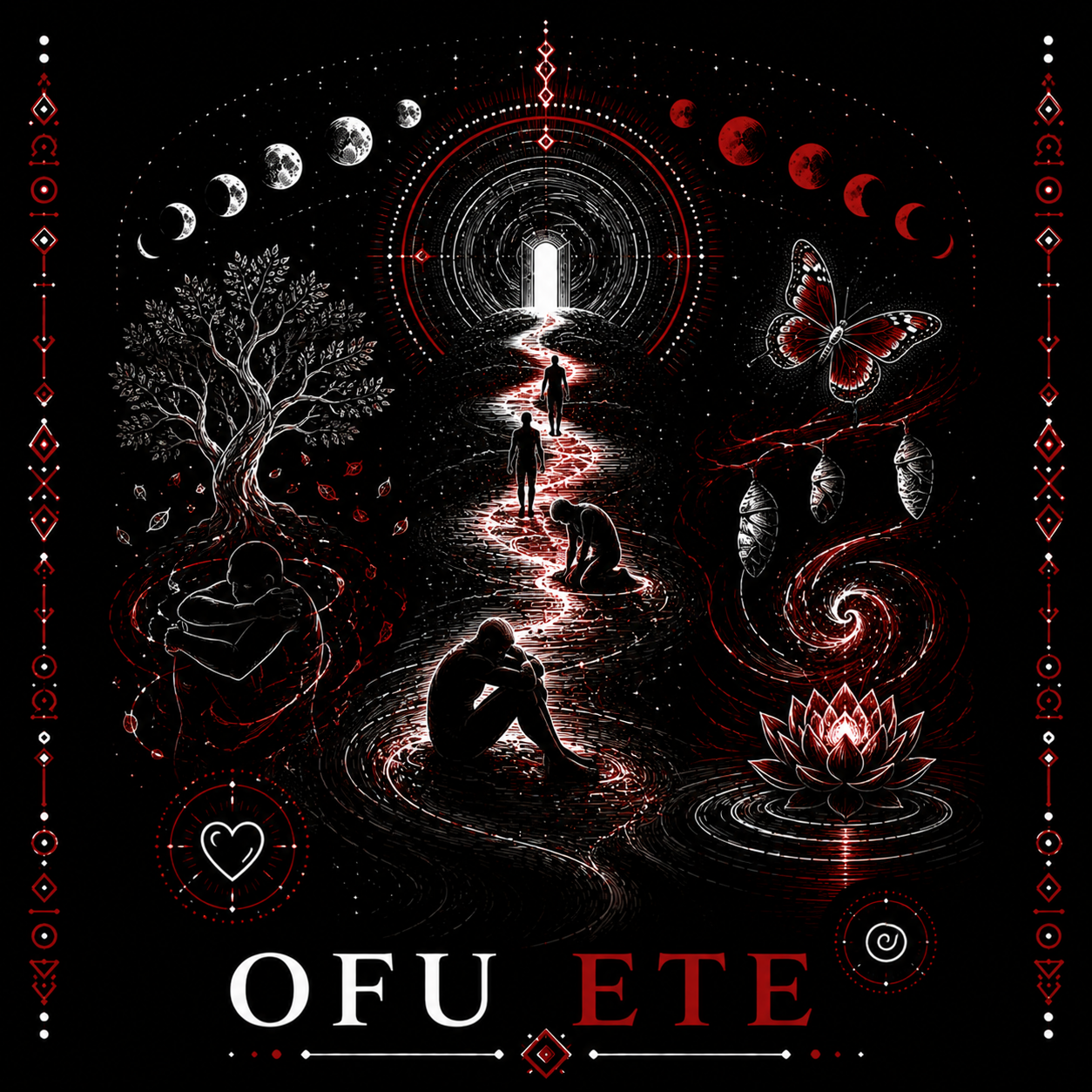
Ofu Ete as Sorrow in Afa
In Afa, Ofu Ete describes sorrow as the experience of carrying emotional pain through a process of transition. Ofu represents wholeness and endurance, while Ete represents movement and passage across emotional states. Together, they explain mourning as a journey through grief rather than simple suffering. This teaching shows that sorrow is part of how human beings process loss, memory, and emotional transformation.
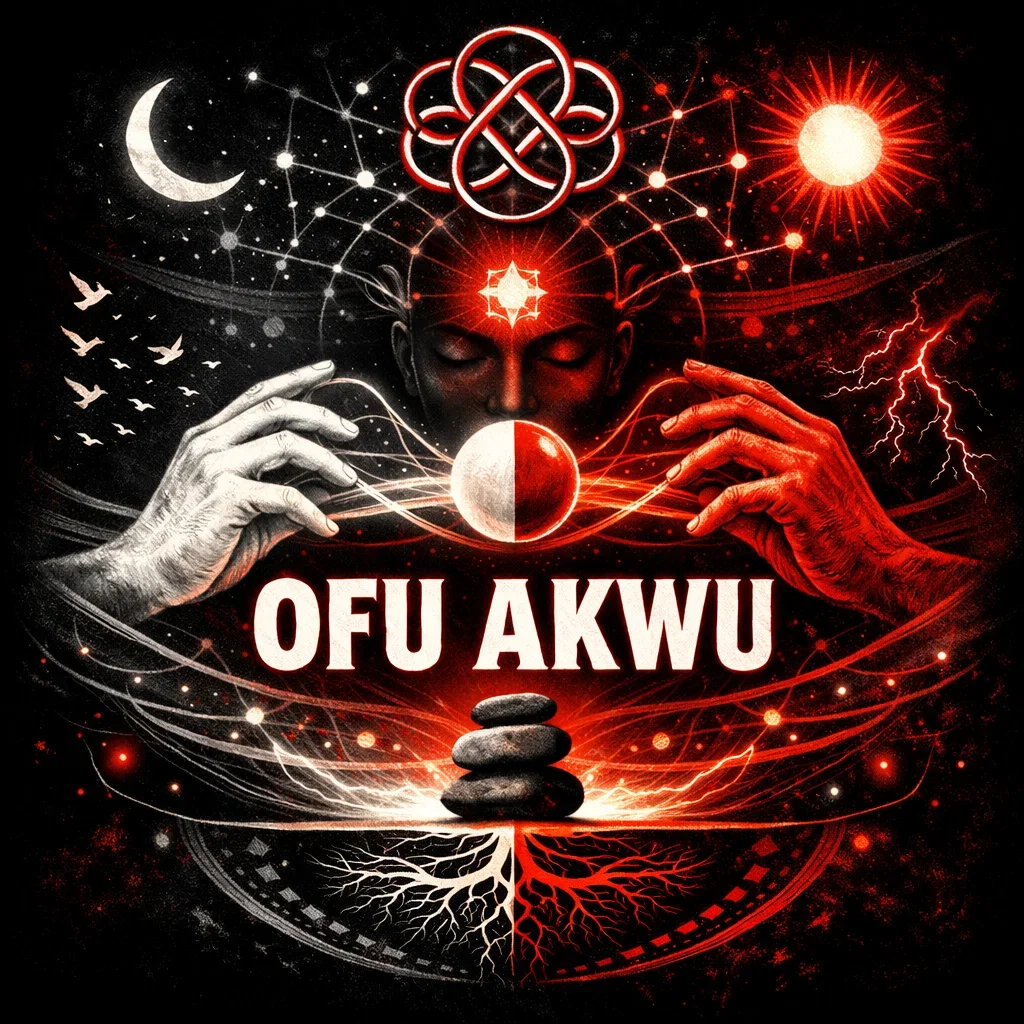
Ofu Akwu as Agwu in Afa
In Afa, Ofu Akwu describes Agwu as unified and anchored intelligence. Ofu represents oneness and totality, while Akwu represents stillness and grounding. Together, they explain Agwu as the organizing force that gathers and stabilizes all existence. This teaching shows that true intelligence comes from integration and balance, where all parts are held together in a coherent system.
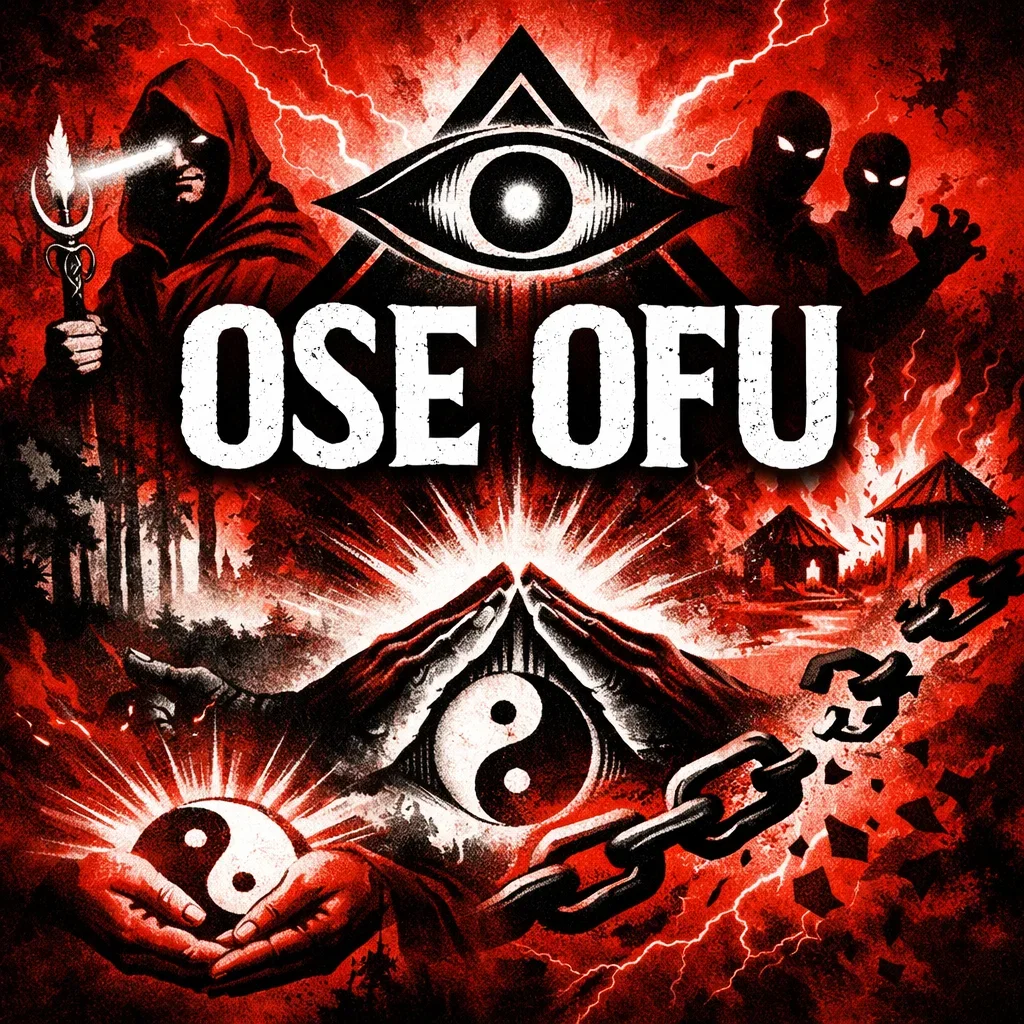
Ose Ofu as Ndi Amosu in Afa
In Afa, Ose Ofu describes access to the core of existence through perception and openness. Ose represents the ability to see beyond the ordinary, while Ofu represents unity and destiny. When aligned, this produces insight and understanding, but when misused, it leads to interference with the natural flow of Chi, described as Ndi Amosu or destiny disruptors. This teaching shows that deep perception must be guided by responsibility to maintain balance.

Number One as Ofu in Afa
In Afa, Ofu (One) is the sacred symbol of unity, wholeness, and origin—the indivisible reality from which all existence flows. It represents Chukwu Okike, the Supreme Creator, the One without a second who brought the universe into being yet remains beyond it. As Otu Ihe, Ofu expresses completeness, calling both the cosmos and the individual back to inner unity. Yet it also holds deeper truths. This teaching explores Ofu as both the beginning and the return; the eternal reminder that all things arise from, and ultimately resolve into, One.
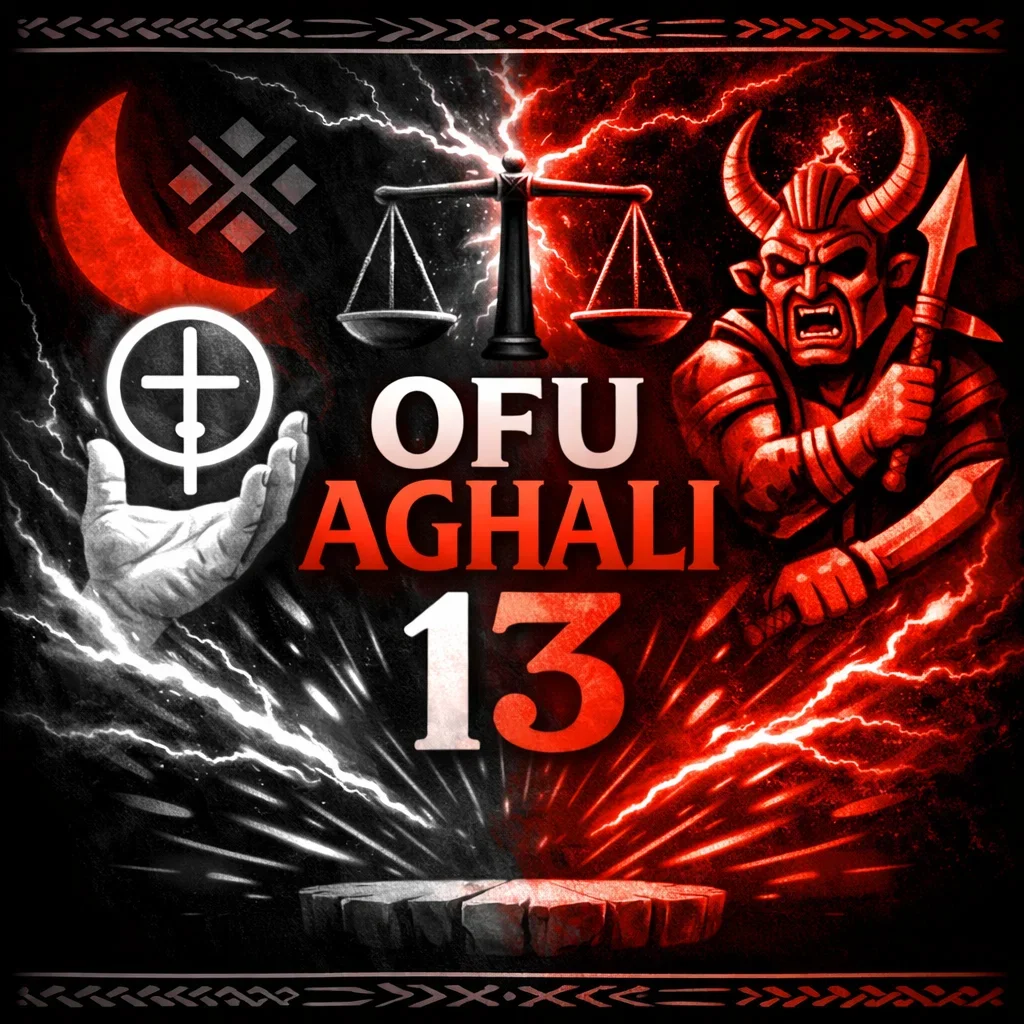
Number 13 as Ofu Aghali in Afa
In Afa, the number 13 can be understood as Ofu Aghali, the combination of unity (Ofu) and the strength of Ikenga (Aghali). These two powerful forces merge to produce balance and structural stability, symbolized by the number four. This teaching shows that when strong energies are properly aligned, they create equilibrium rather than conflict, allowing power to support order, transformation, and purposeful action.

16 Basic “Ofu (Ovu)” Combinations in Afa (With Some Regular Igbo & English Meanings)
Afa language which is used primarily for divination and spiritual consultation in Igbo spirituality, consists of specific terminologies that typically differ from everyday (regular) Igbo words. Knowing these Afa terms and their regular Igbo and English equivalents can provide deeper insight into your cultural and spiritual practices as an Odinani practitioner. This post contains Afa terms with “Ofu”, their regular Igbo equivalents, and their English meanings

Ofu: Interpretations of Number 1 in Igbo Numerology
In Igbo numerology, the number one, known as Ofu (also referred to as Otu, Ovu, Nge, or Oli depending on the dialect), represents unity, independence, responsibility, the masculine principle, destiny, honesty, and source energy.