
562 (historical & traditional) images reflecting Igbo history, knowledge systems, and culture. Use them as learning tools to see what once was; perhaps to inspire something new, or simply to enrich your mind with the visual beauty and present knowledge of our heritage.
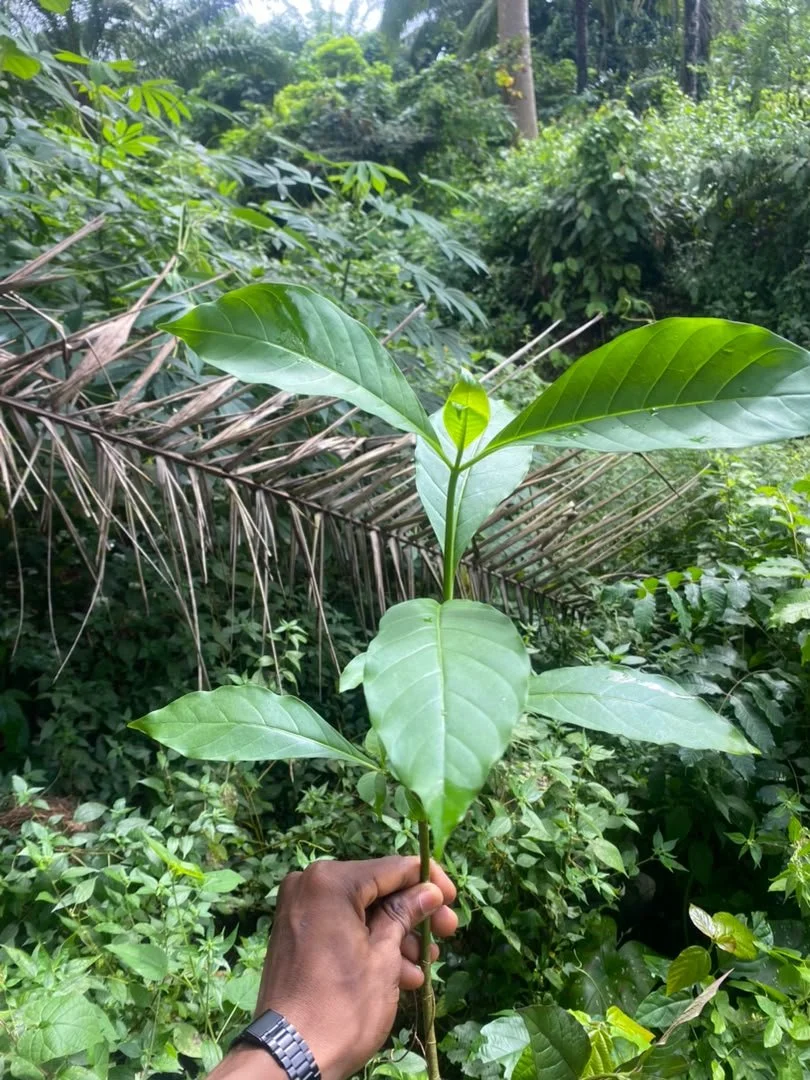
Akwukwo Egbu
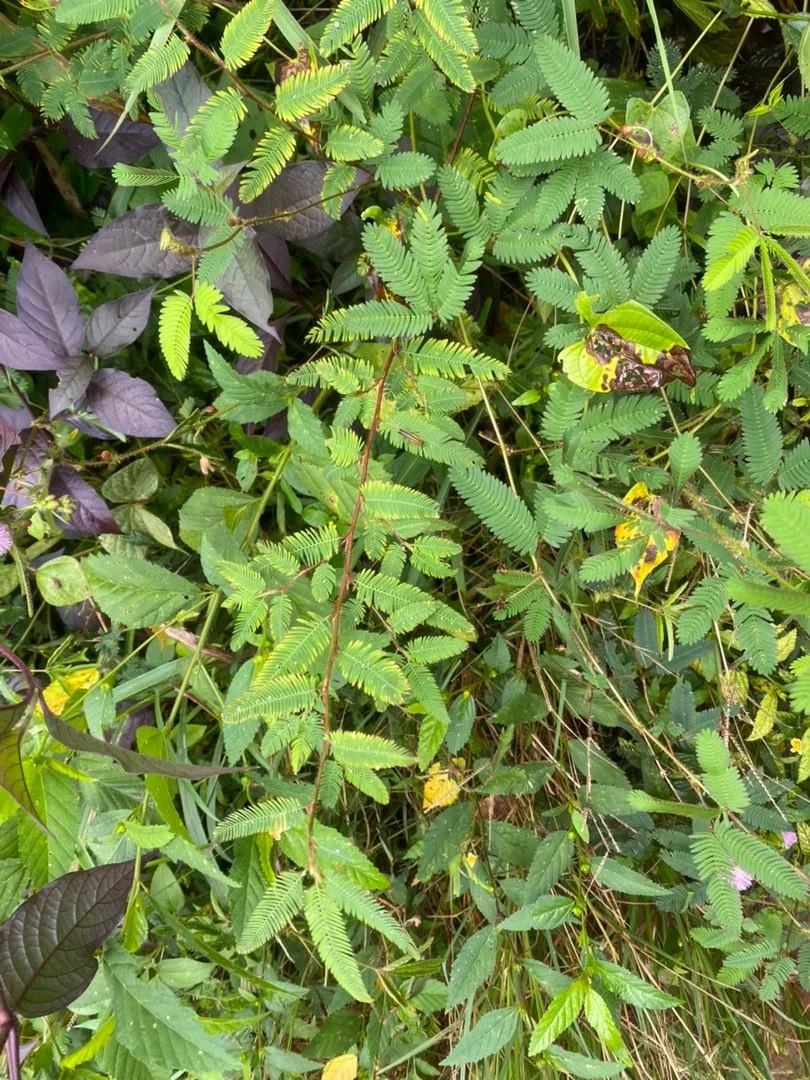
Akwukwo Ogu na Okirika
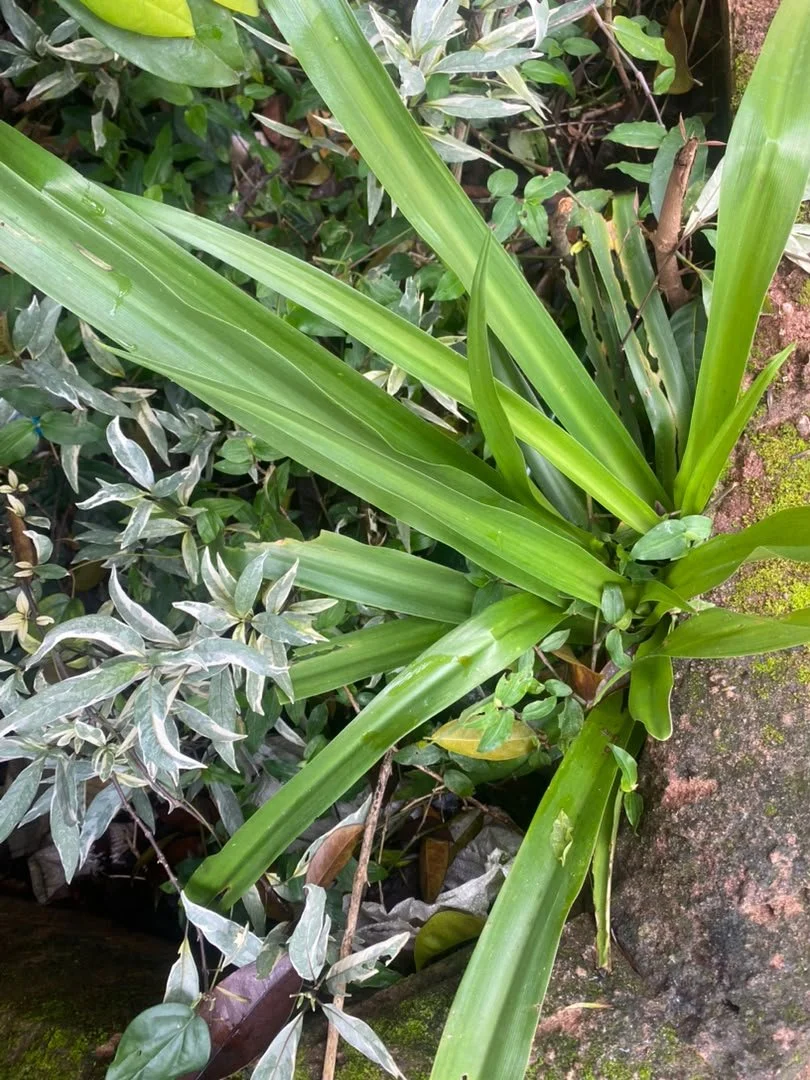
Akwukwo Olodulu
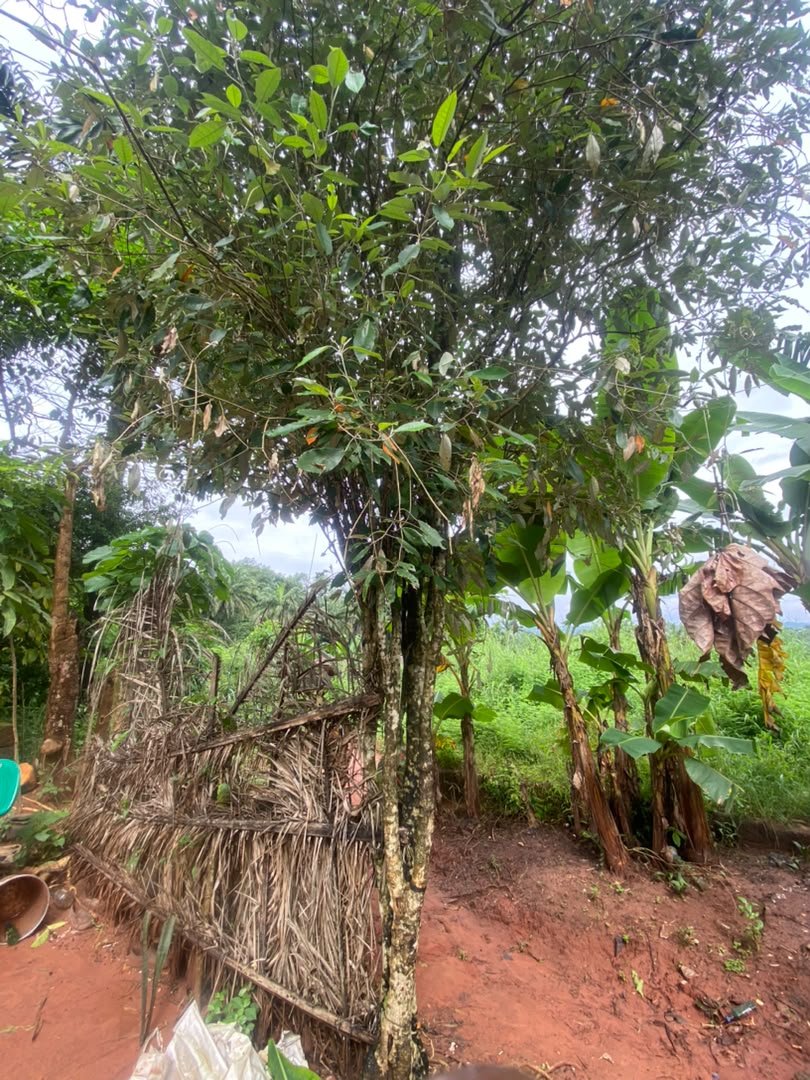
Osisi n’egbochi egbe-igwe
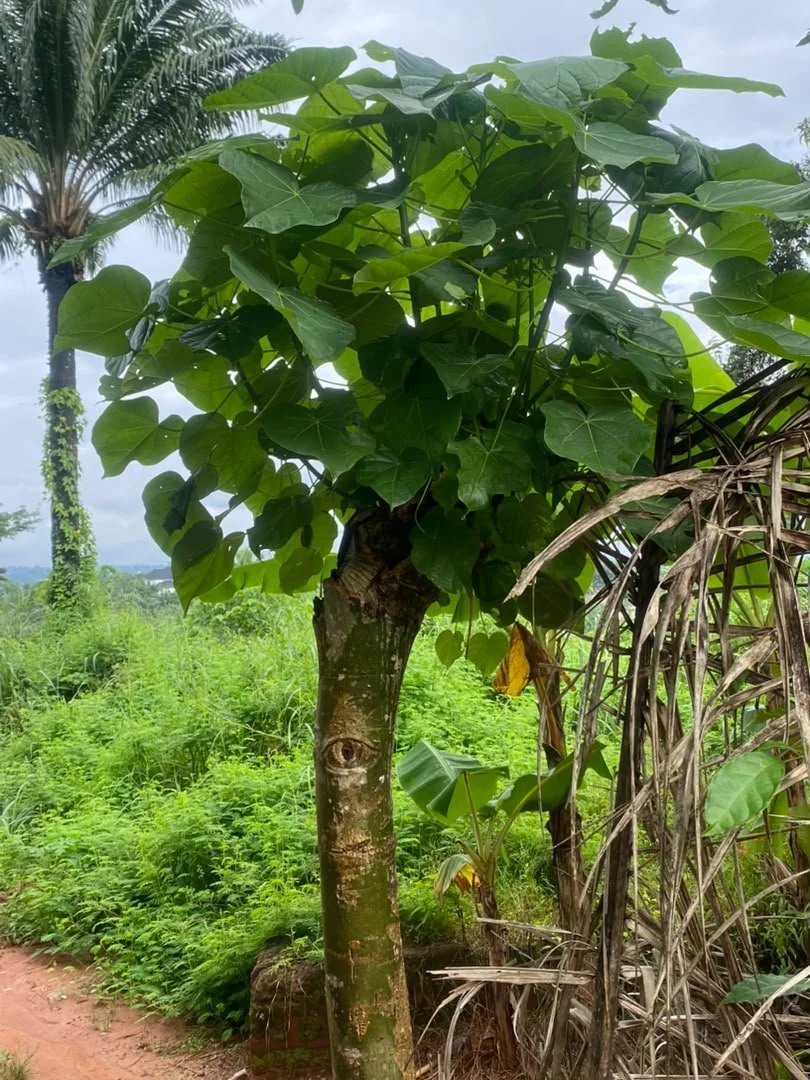
Osisi Uhuku
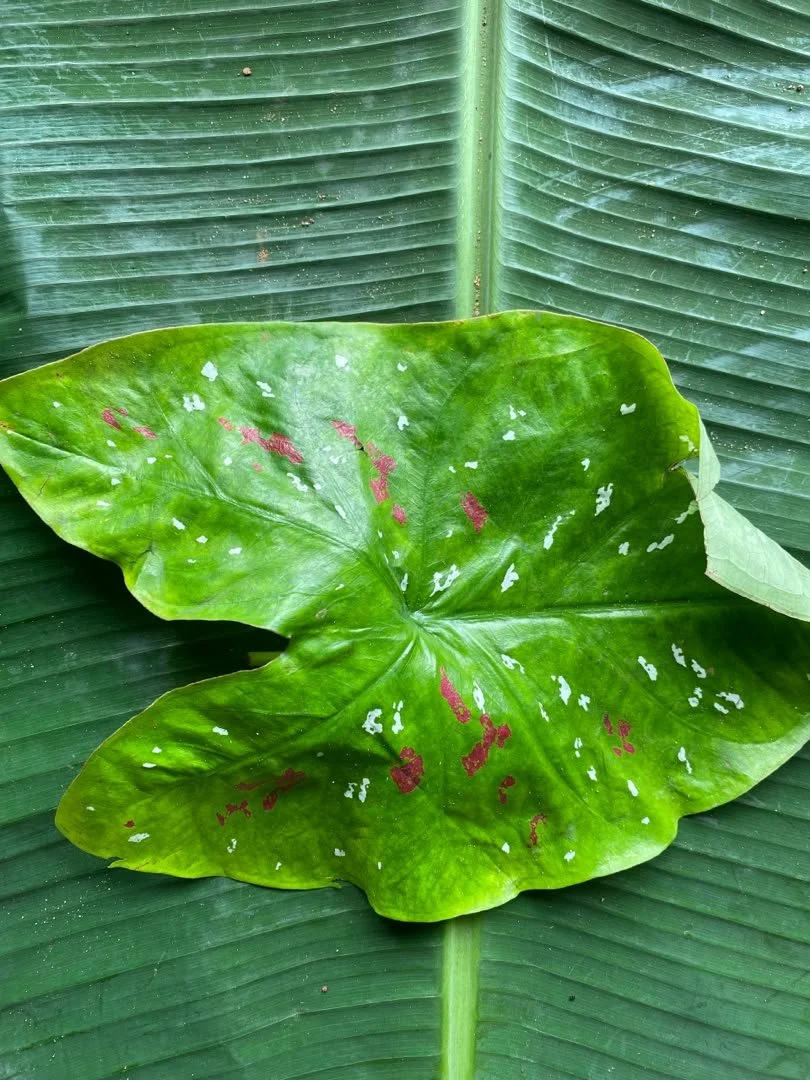
Akwukwo Ede-Mmuo
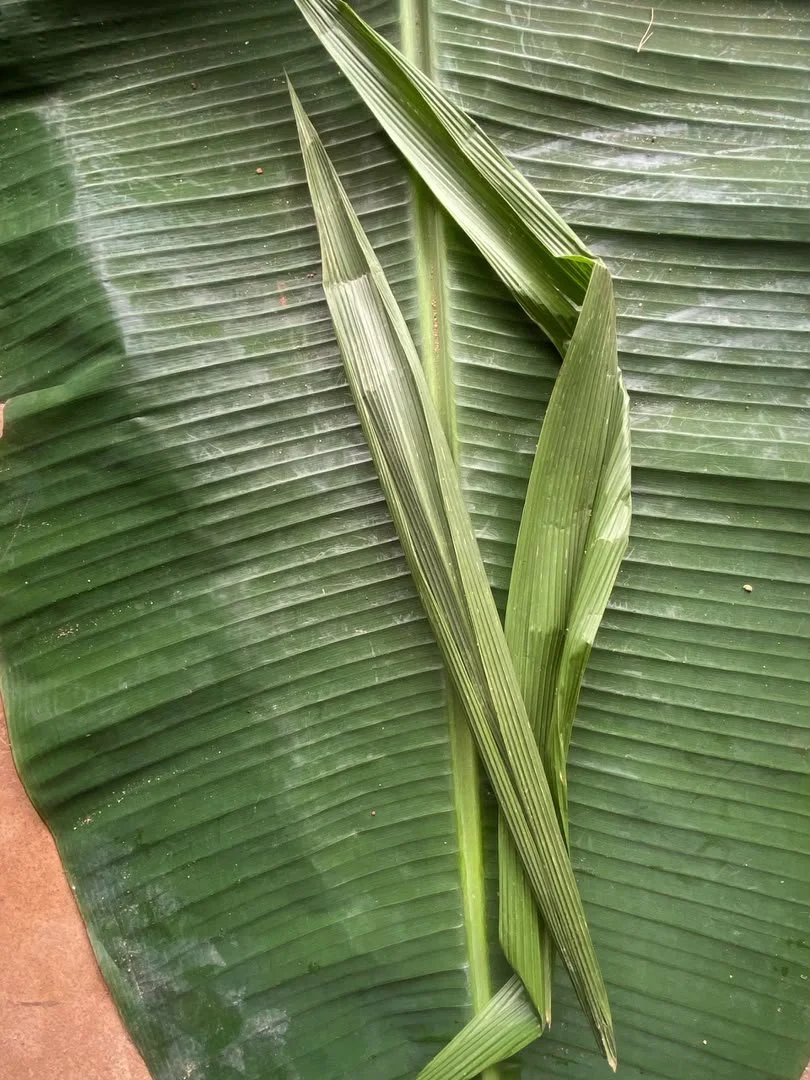
Akwukwo Ahiara
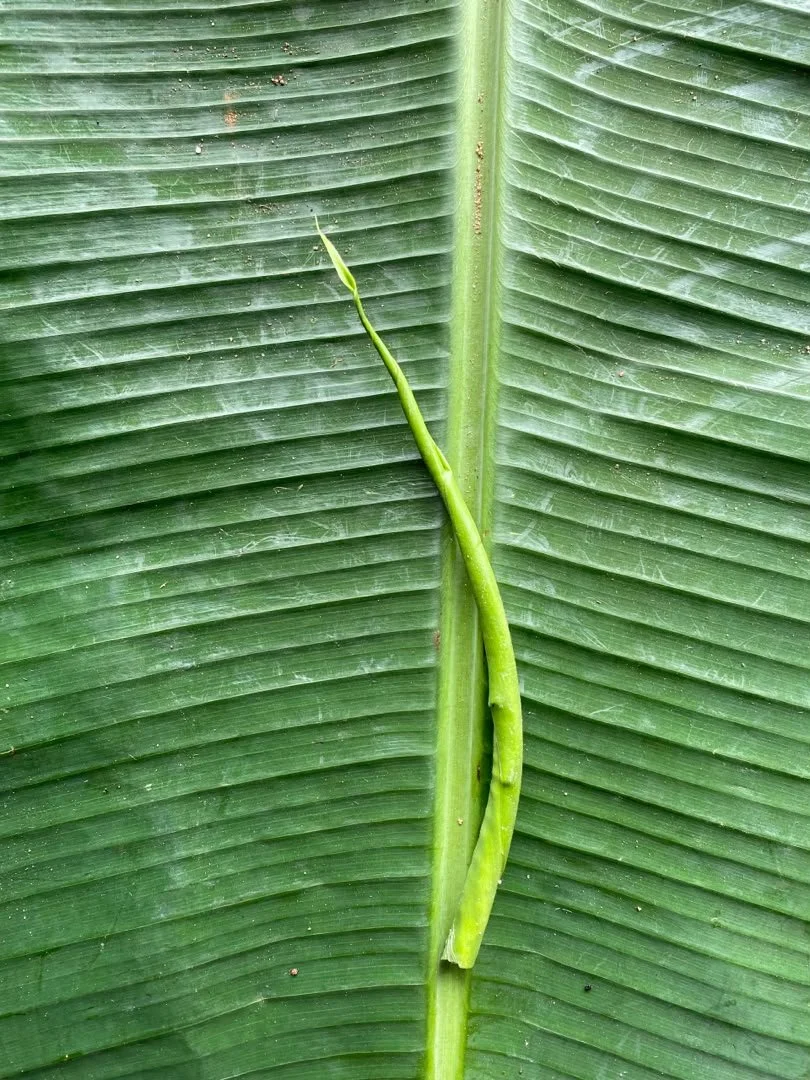
Akwukwo Oge
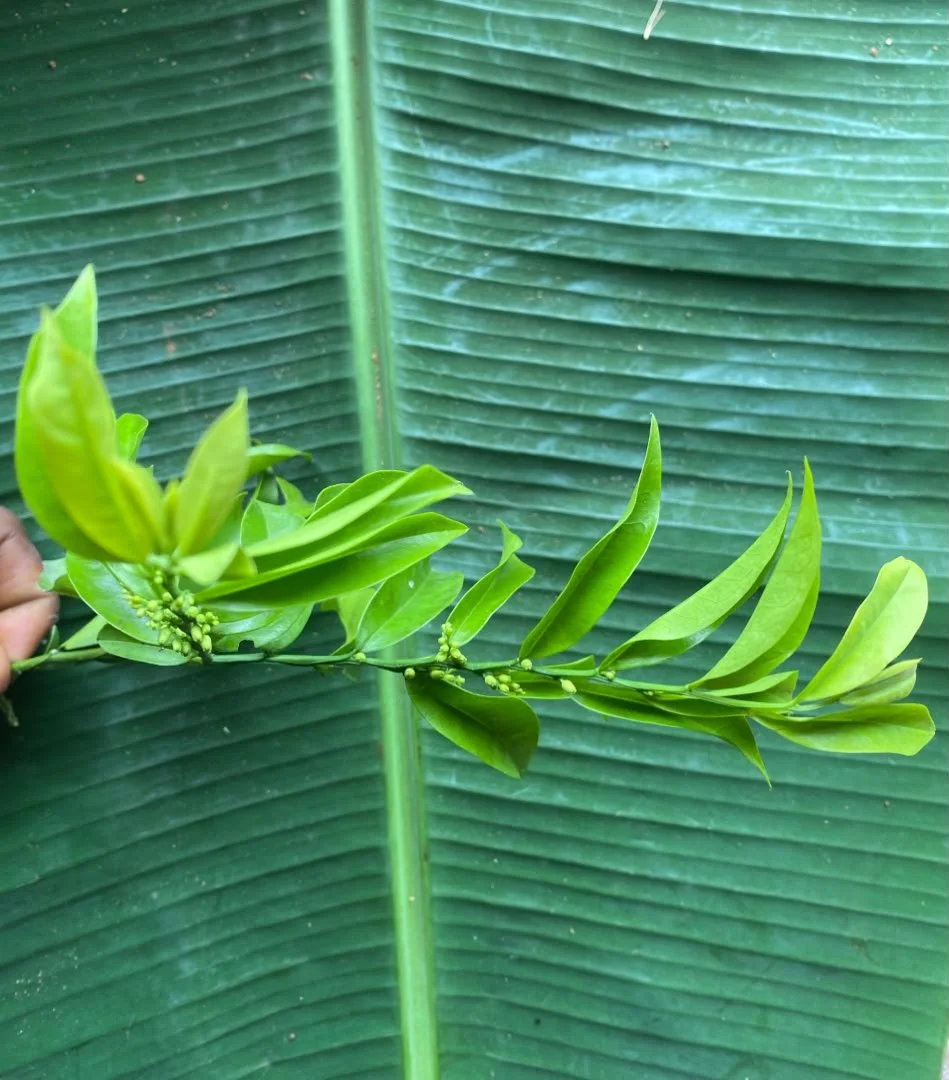
Akwukwo Oke-Akpa.
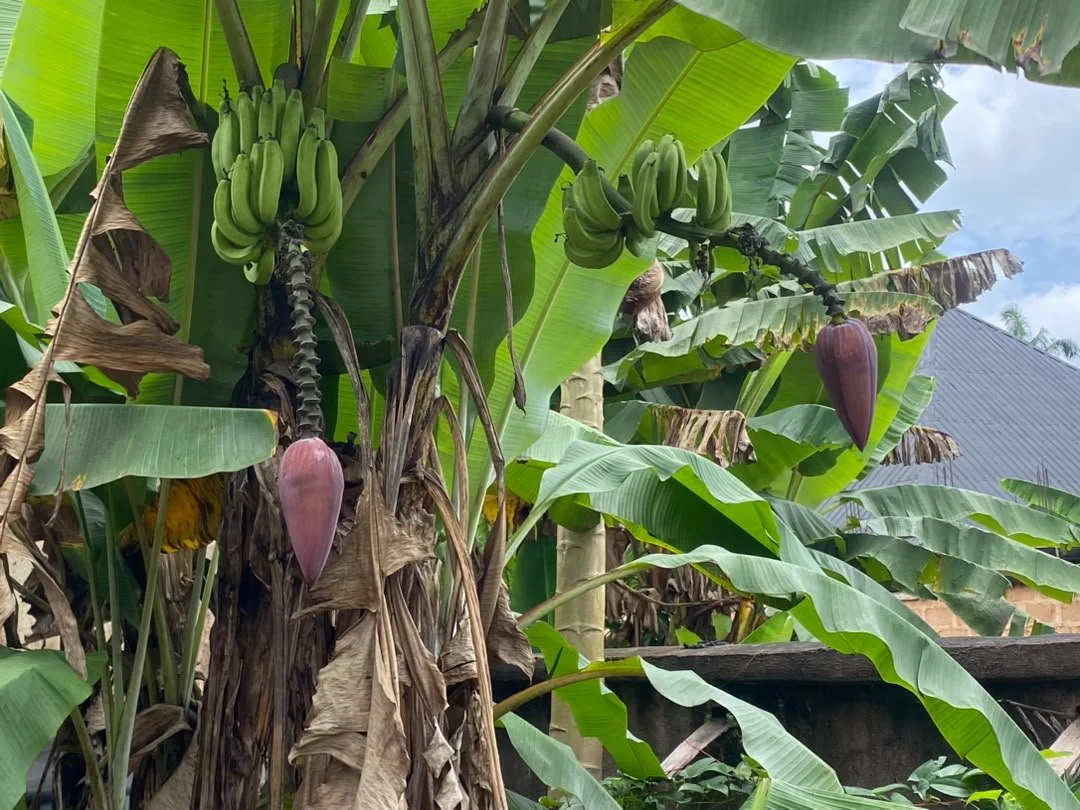
Photo showing Uru-Unele which is derived from plantain trees.
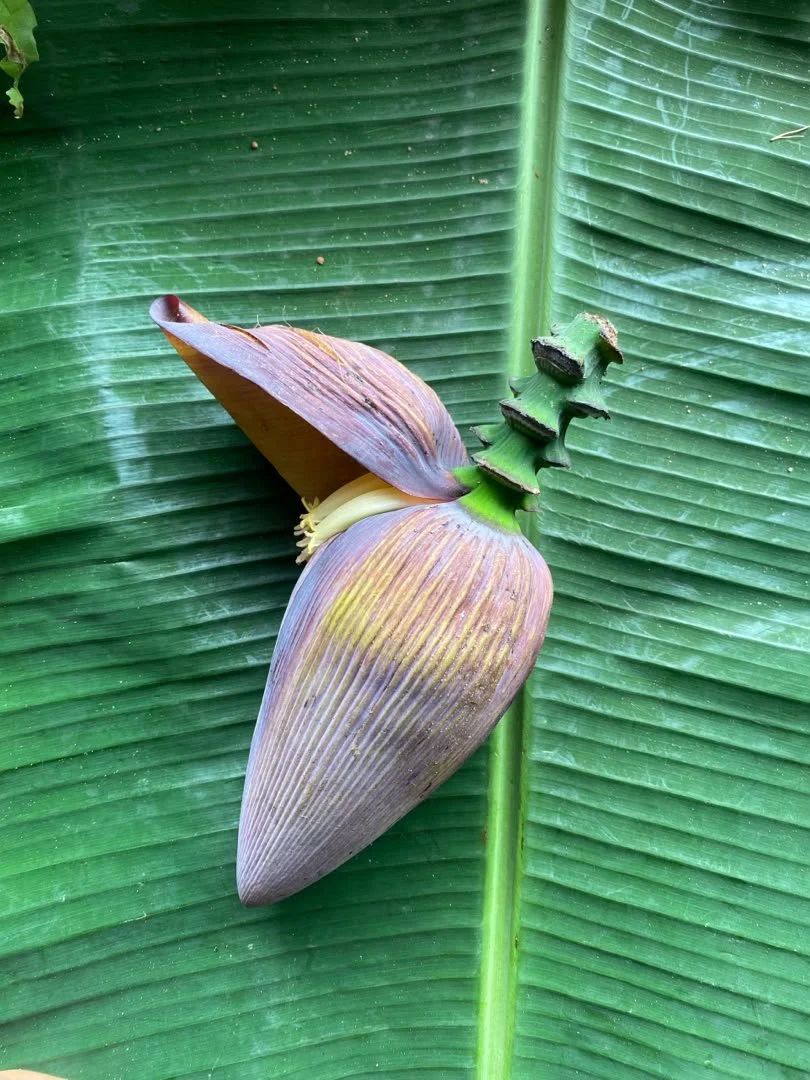
Uru-Unele
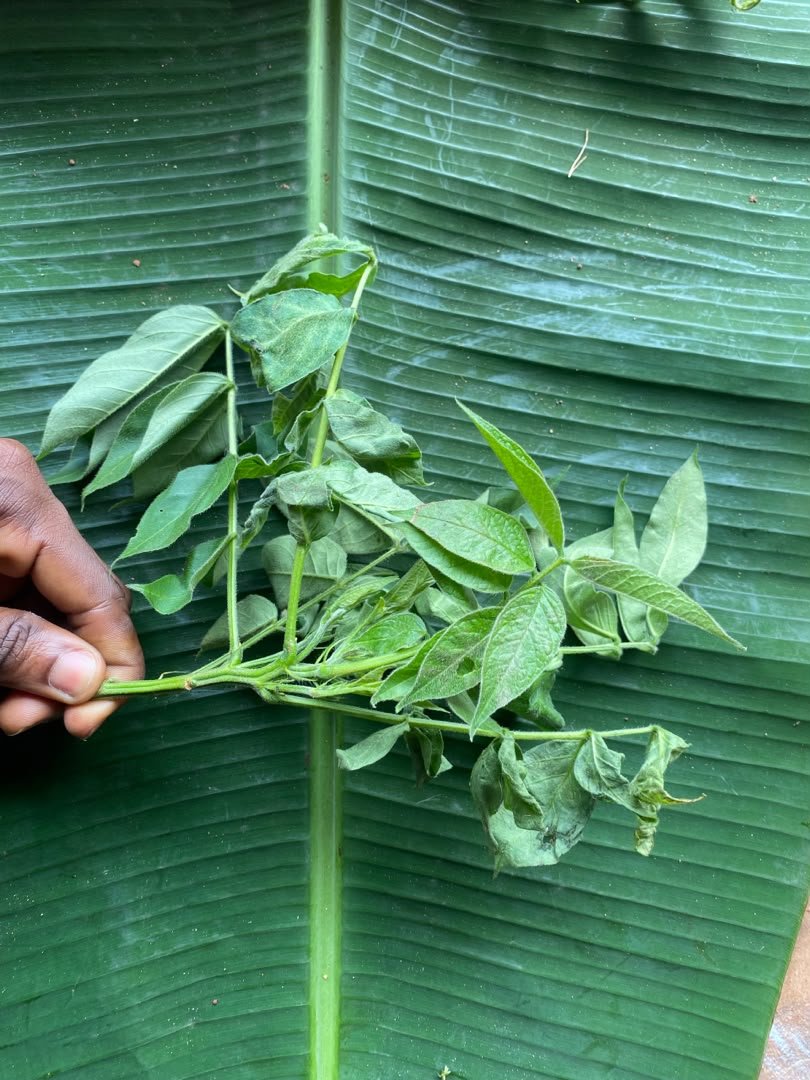
Akwukwo Nsigbu-mmuo
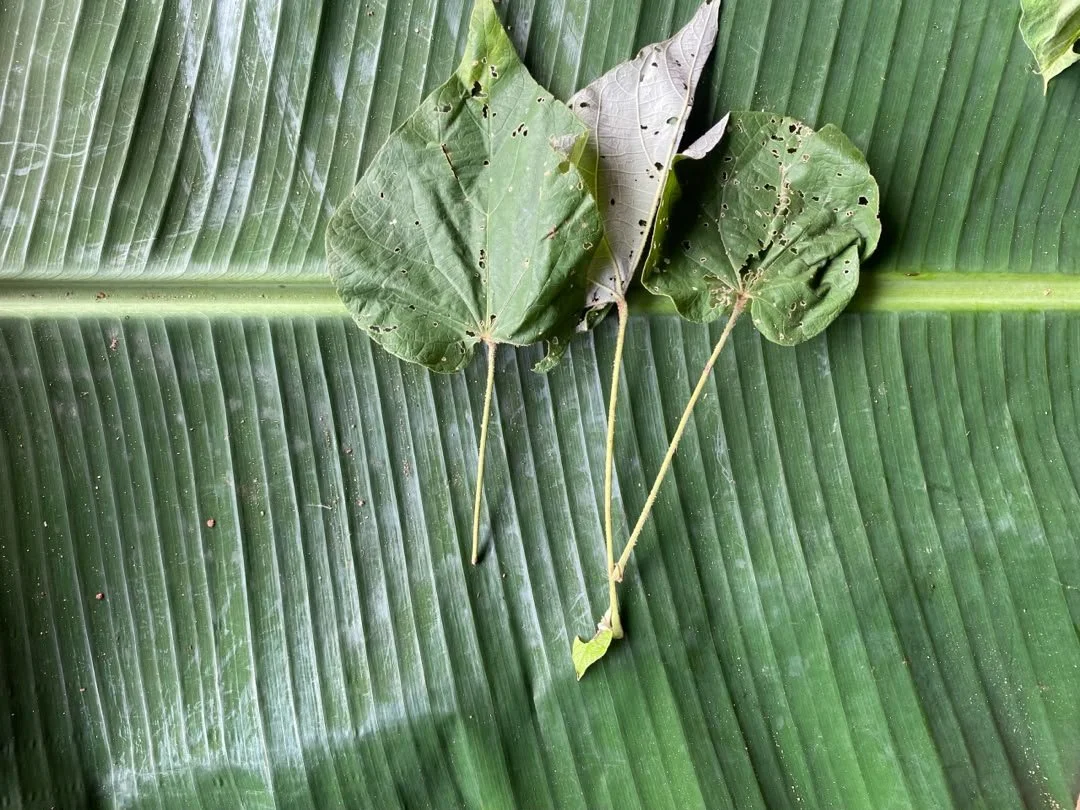
Akwukwo Nwanne-na-Nwanne Etiobi.
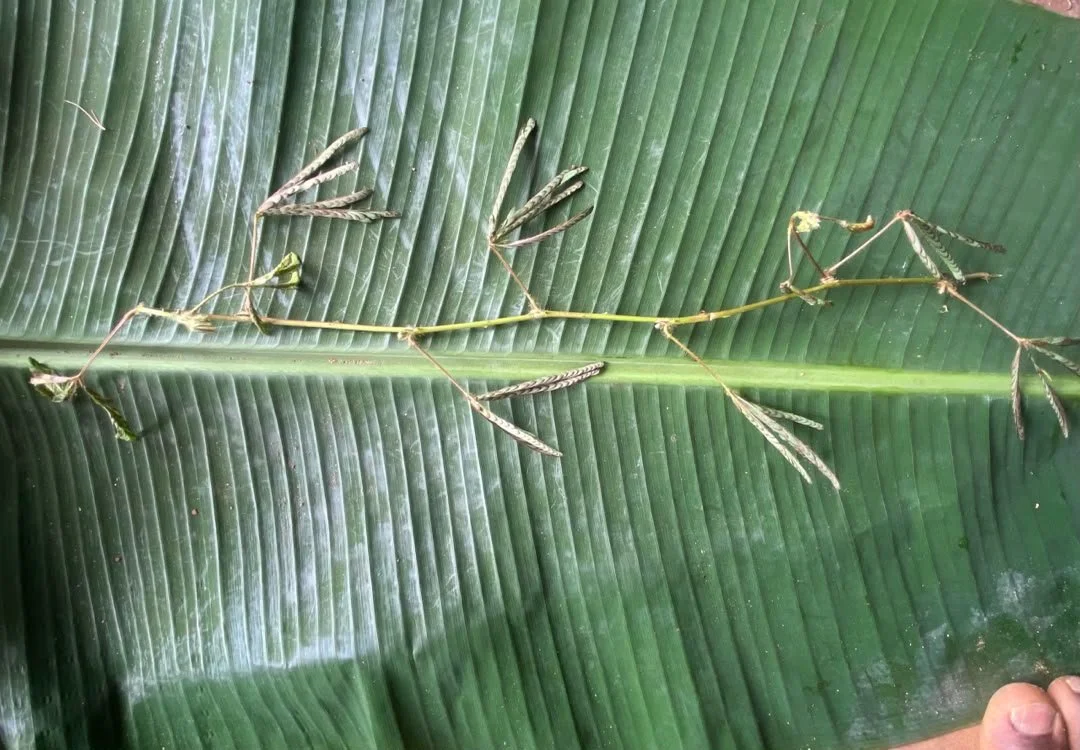
Akwukwo Uke
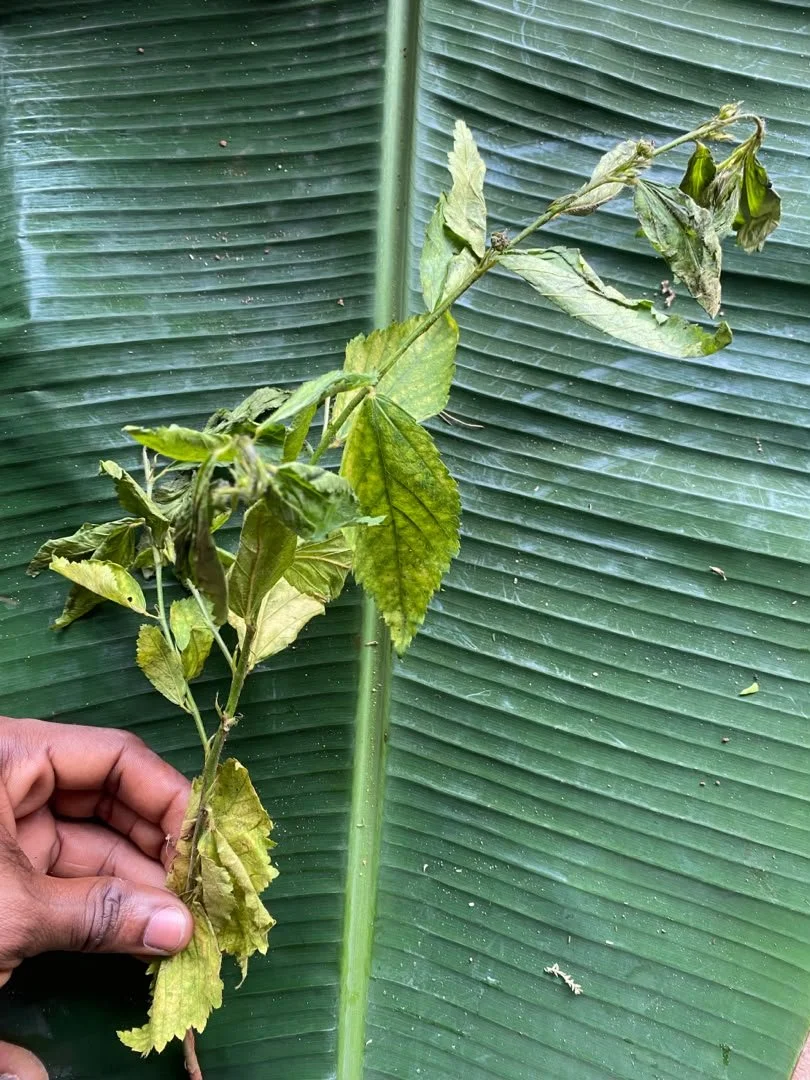
Eze-Mgborogwu Dada-anura.
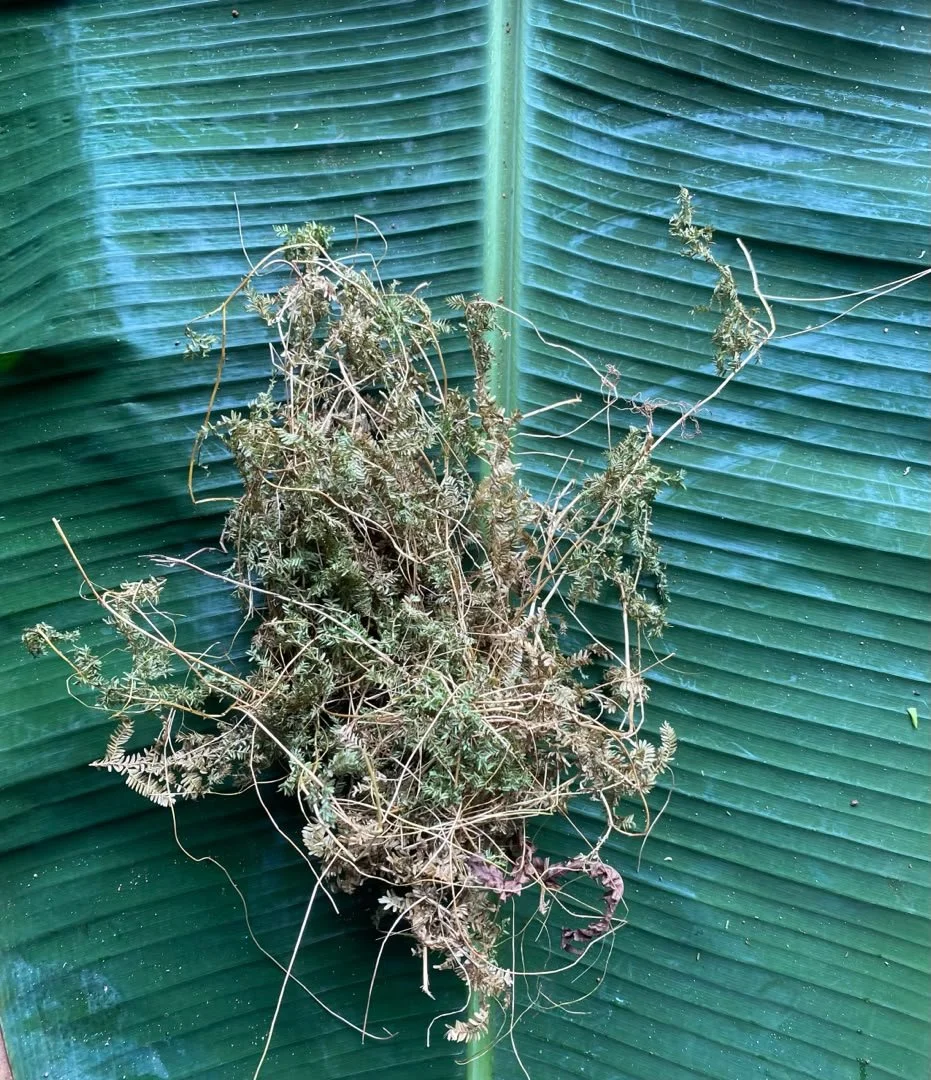
Akwukwo Akuro
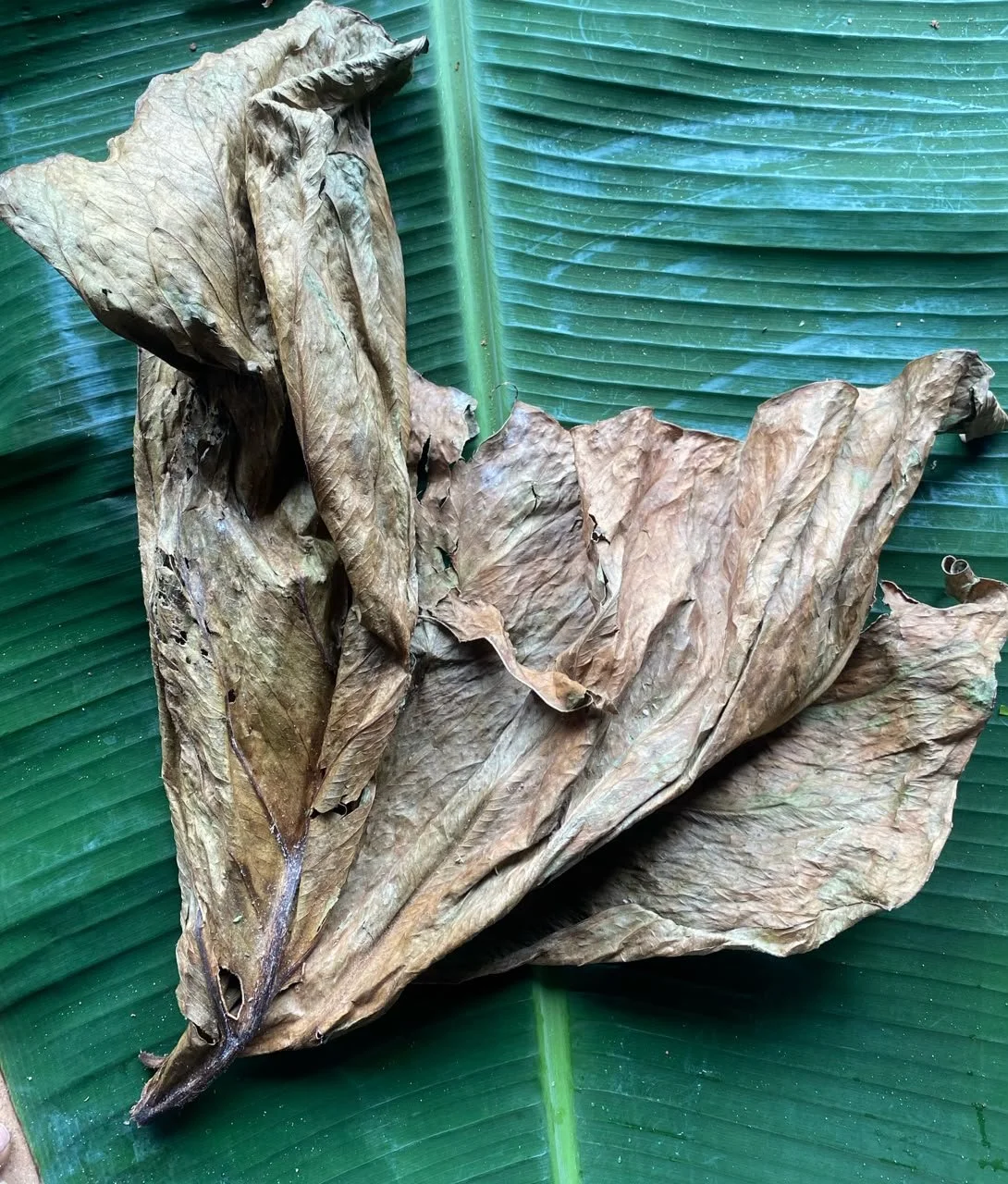
Akwukwo Eko
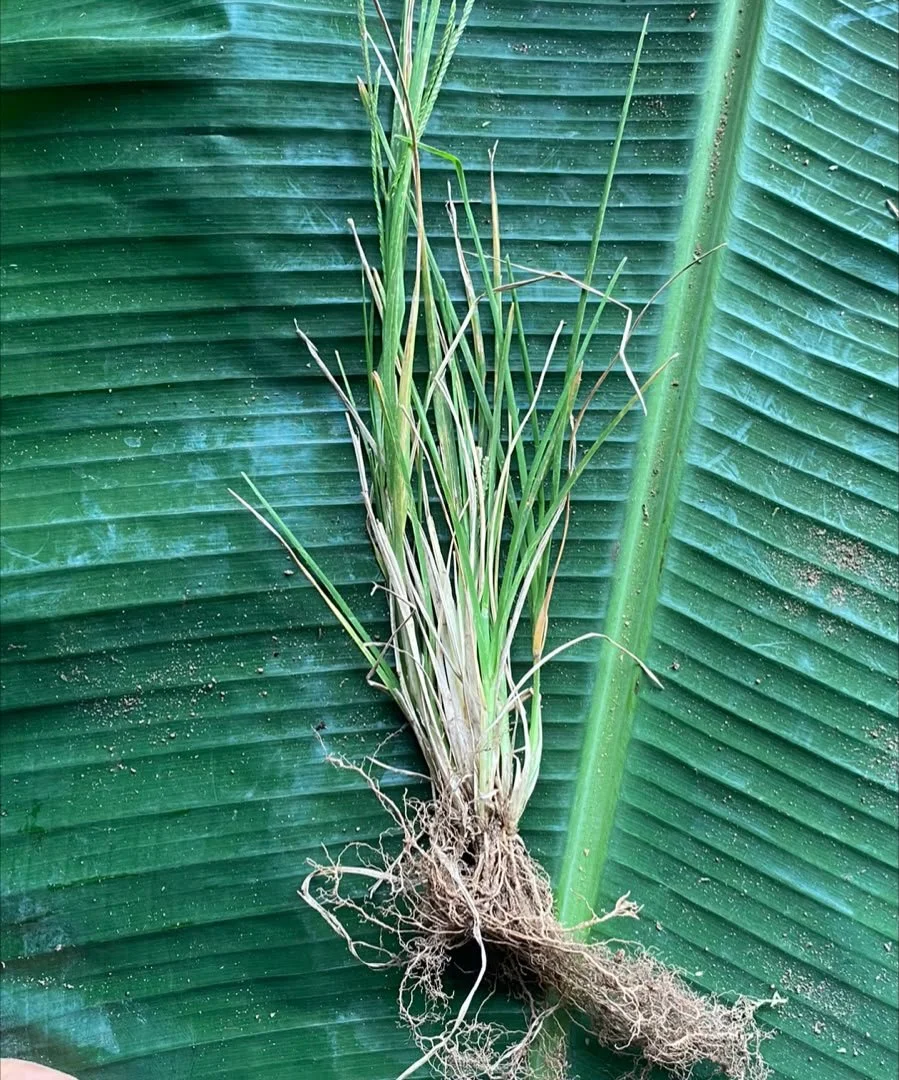
Akwukwo Ijite
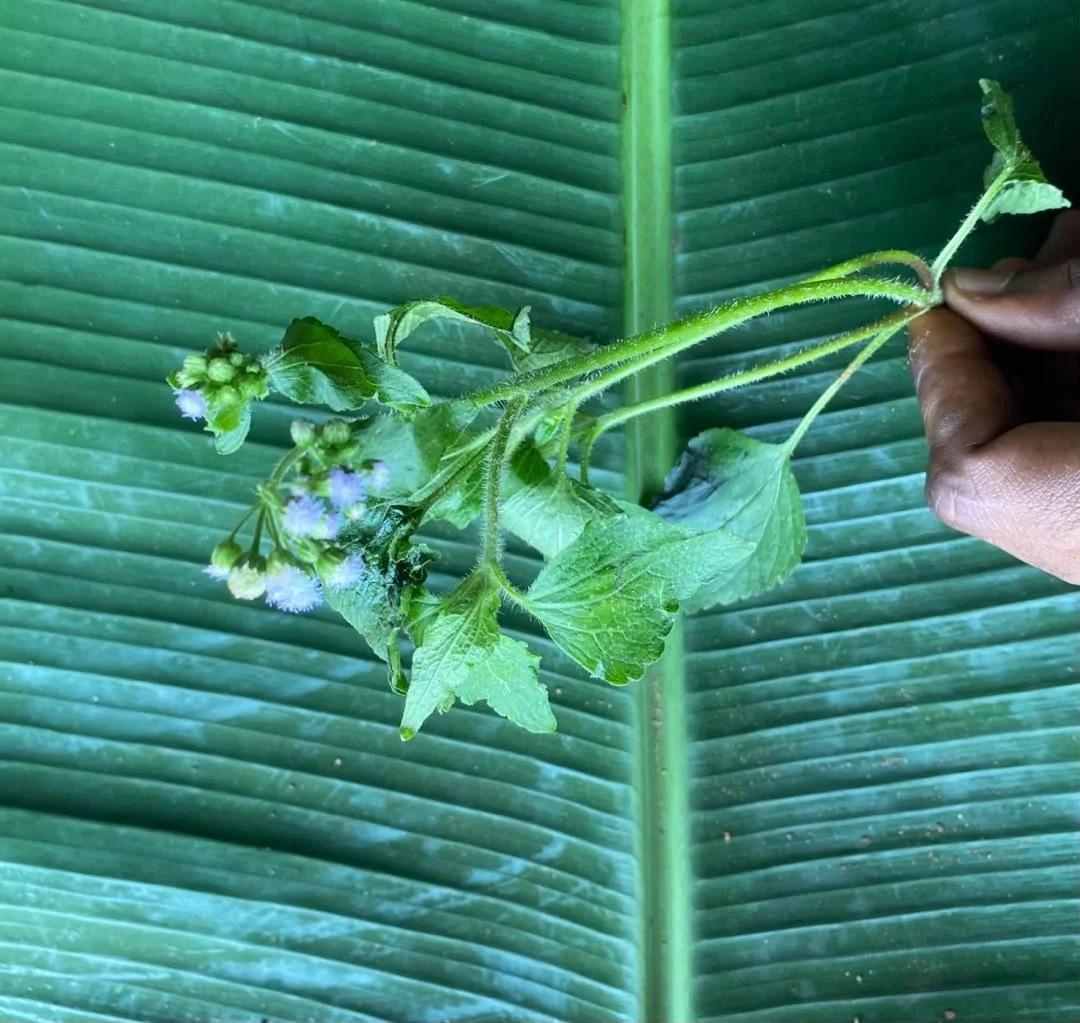
Akwukwo Nwatarie-ogbo
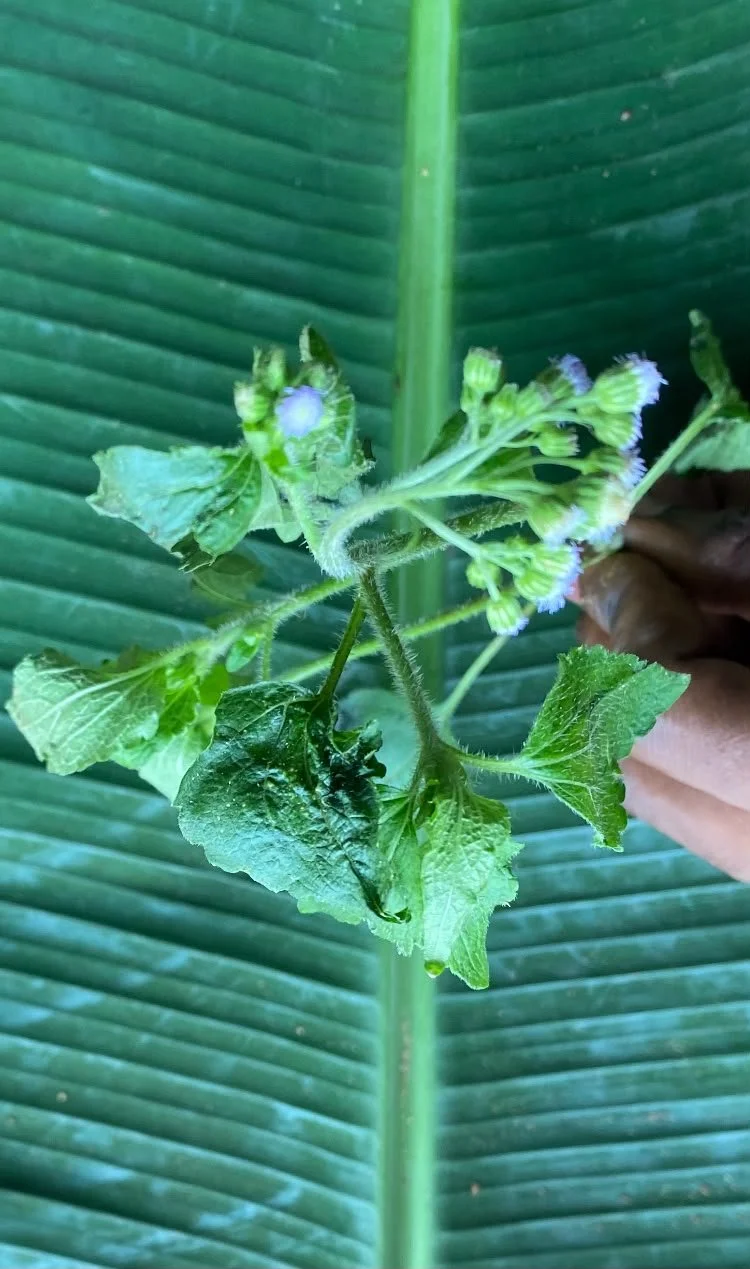
Akwukwo Nwatarie-ogbo
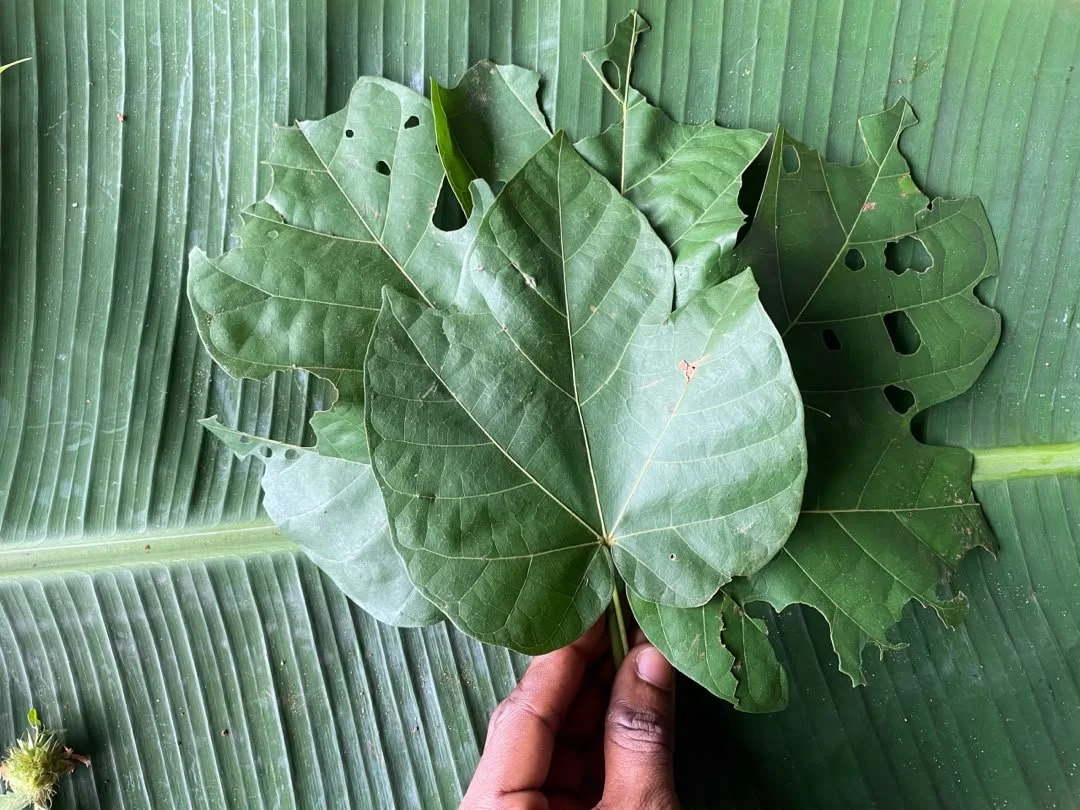
Akwukwo Ebenebe
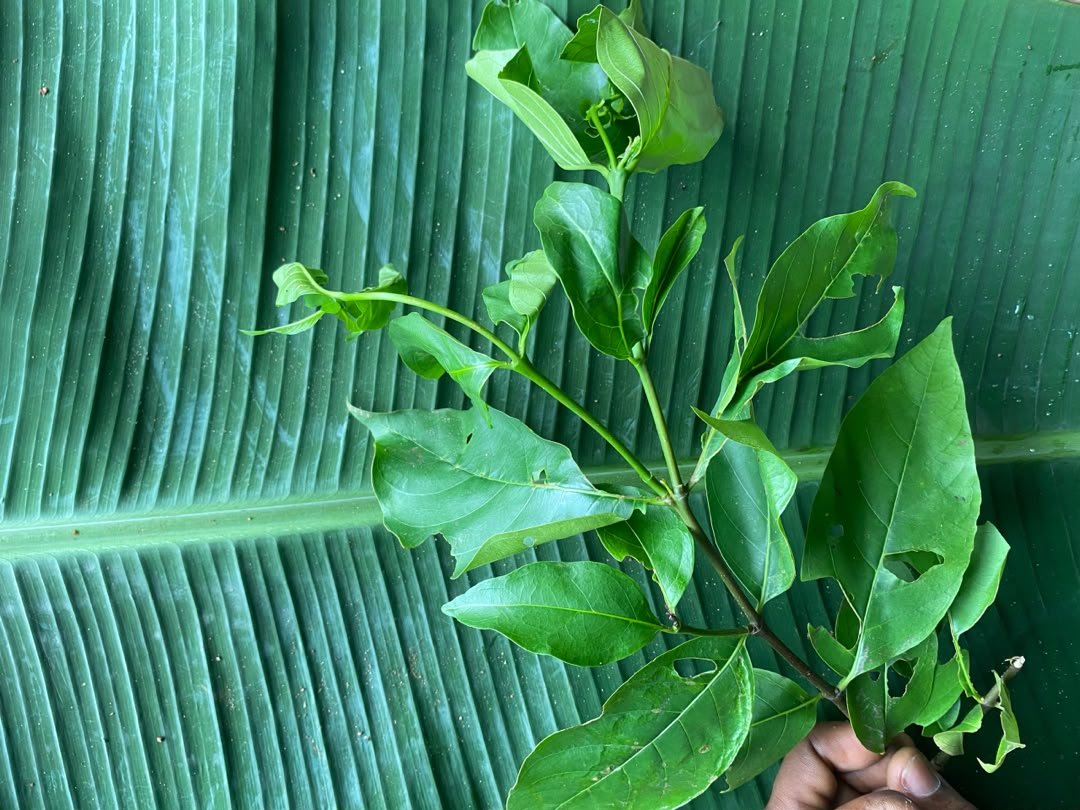
Akwukwo Mba.
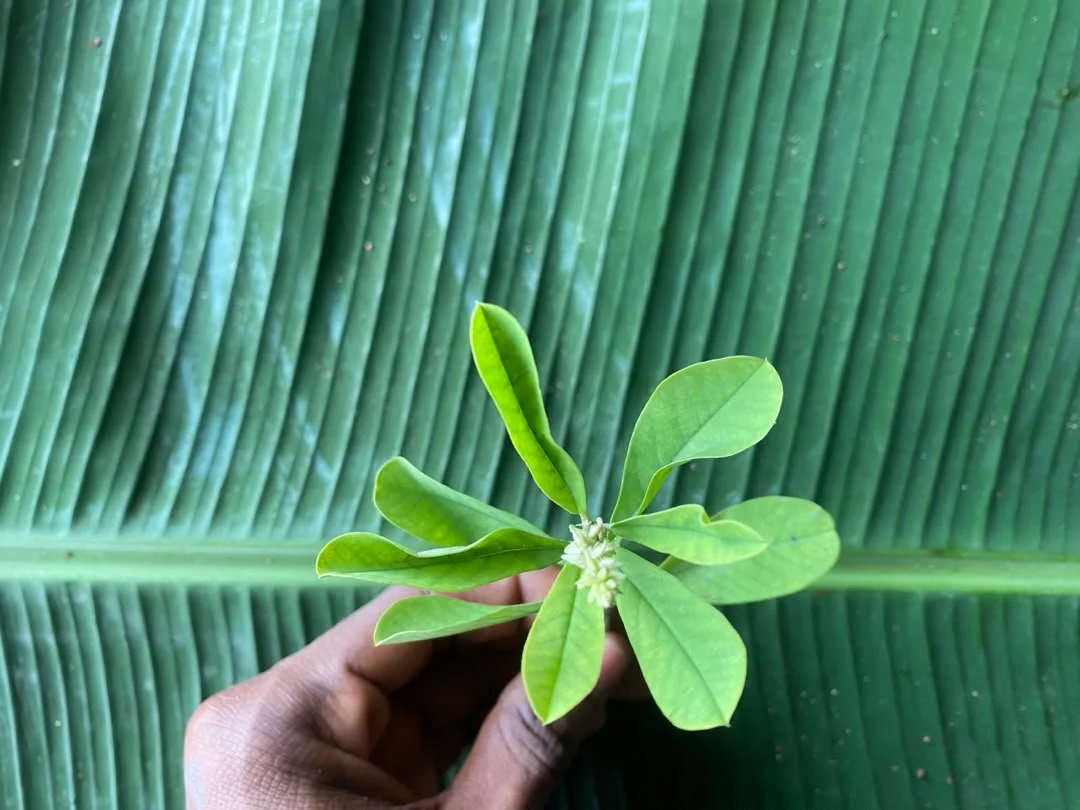
Akwukwo Onye-ekwero-ekwetalu ya.
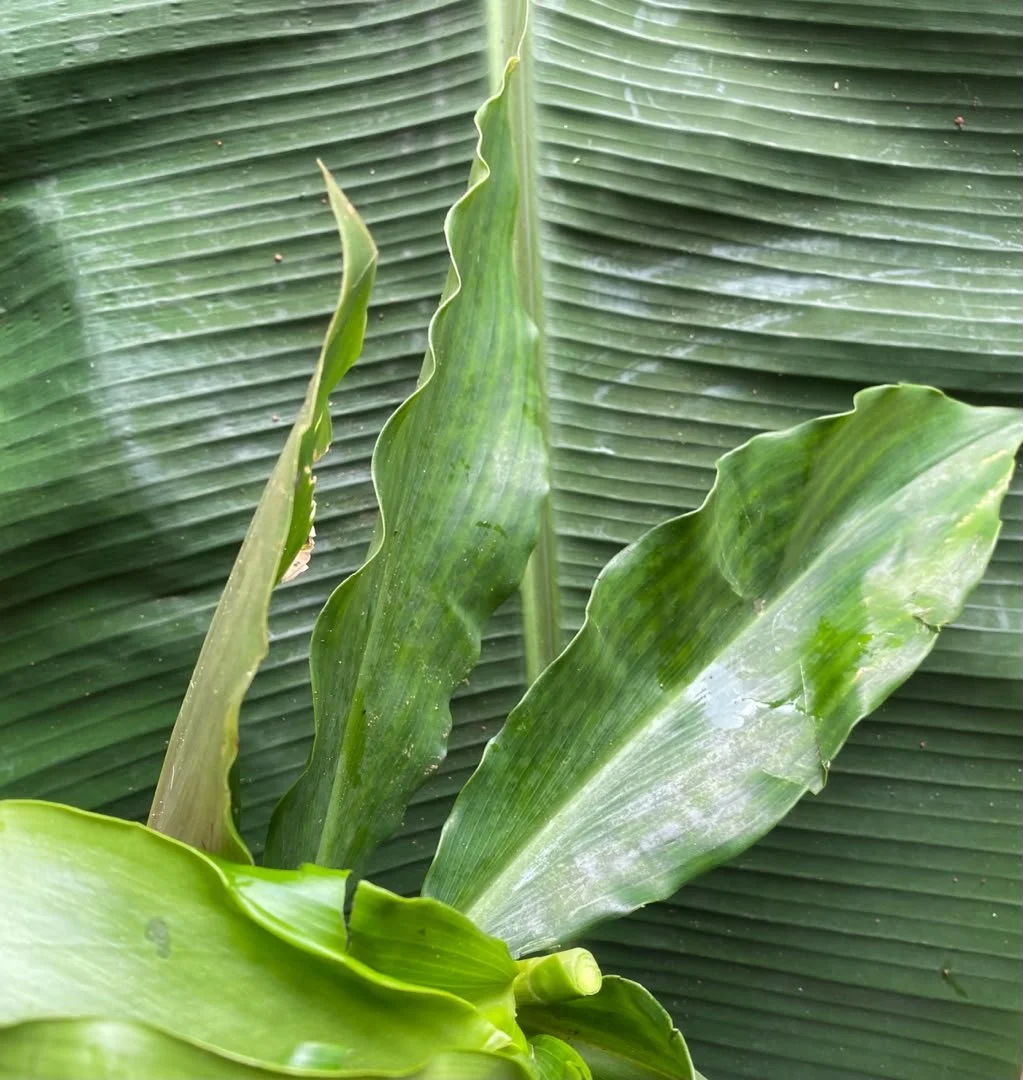
Akwukwo Egbo-ndi mmuo.
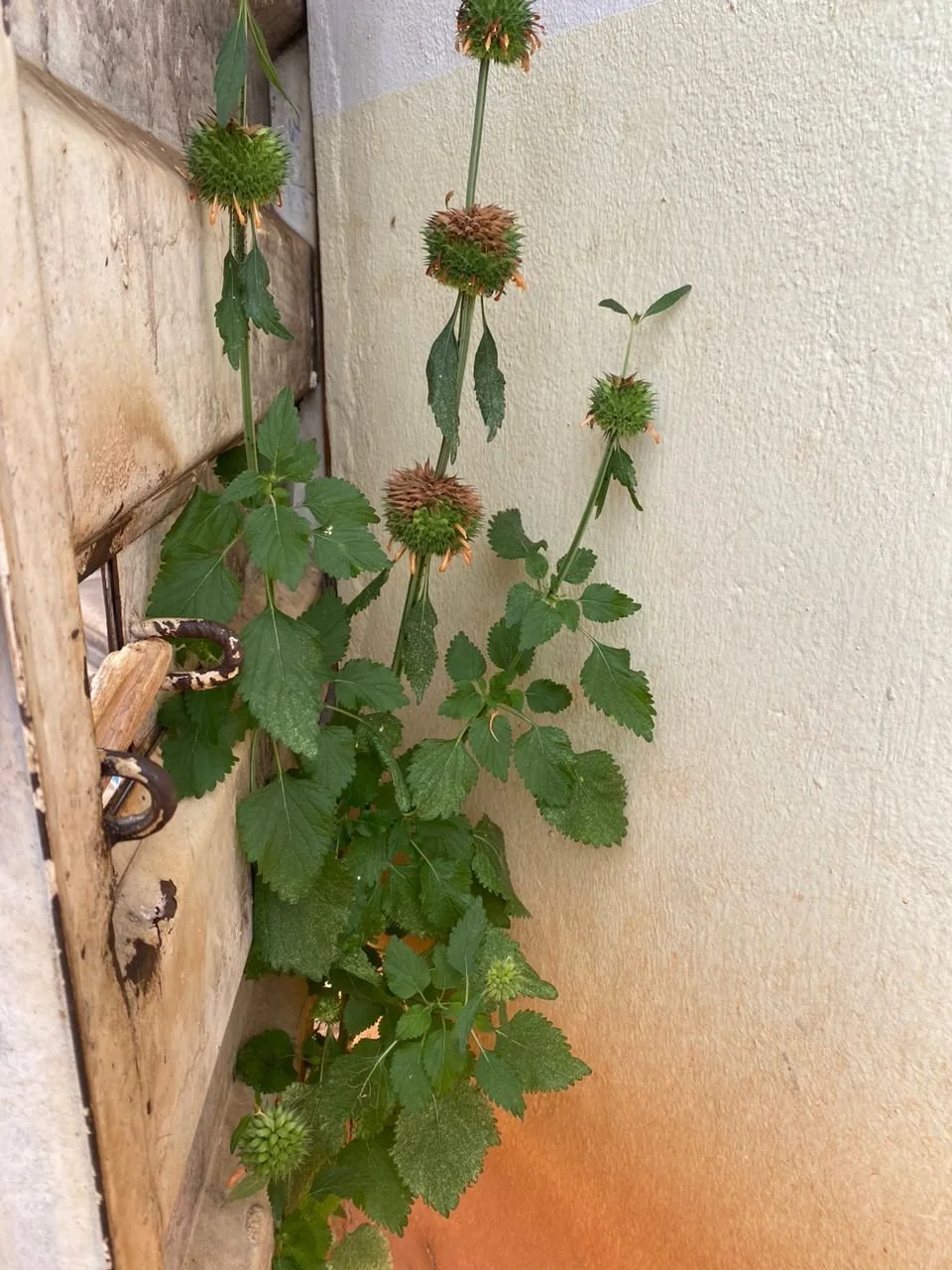
Isikwalu-isi plant in its natural growing state.
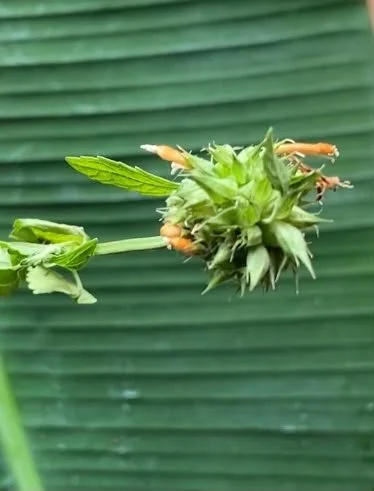
Akwukwo Isikwalu-isi.
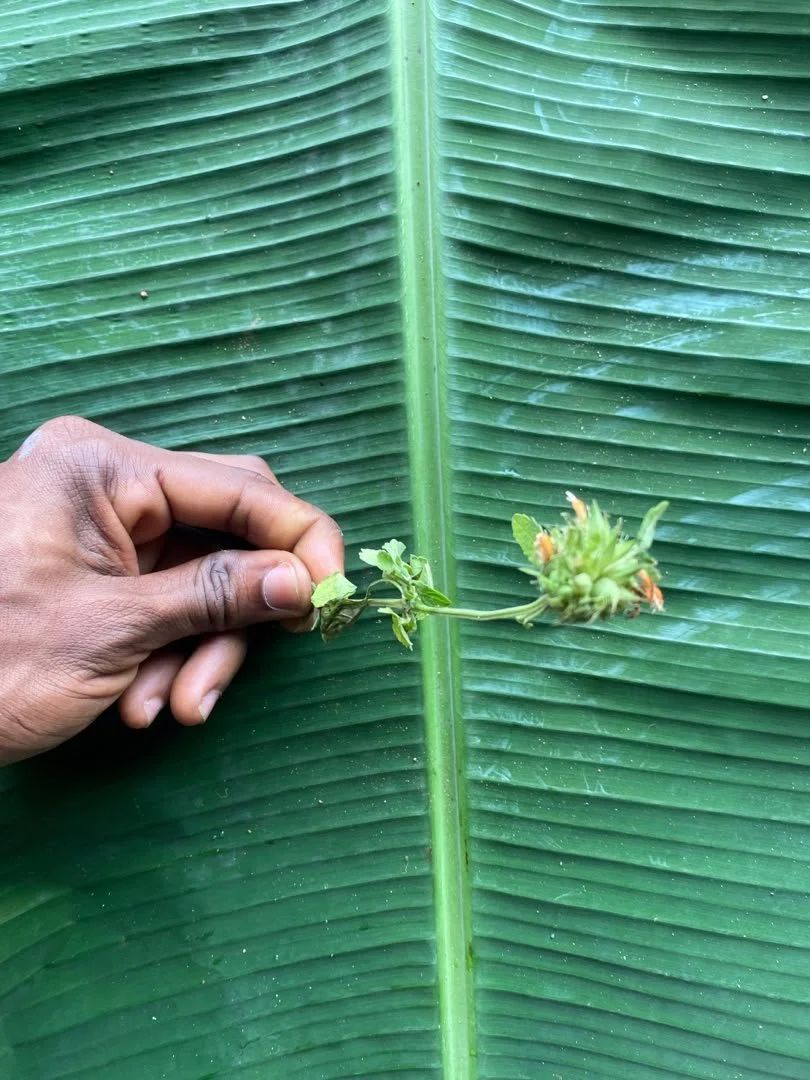
Akwukwo Isikwalu-isi (b).
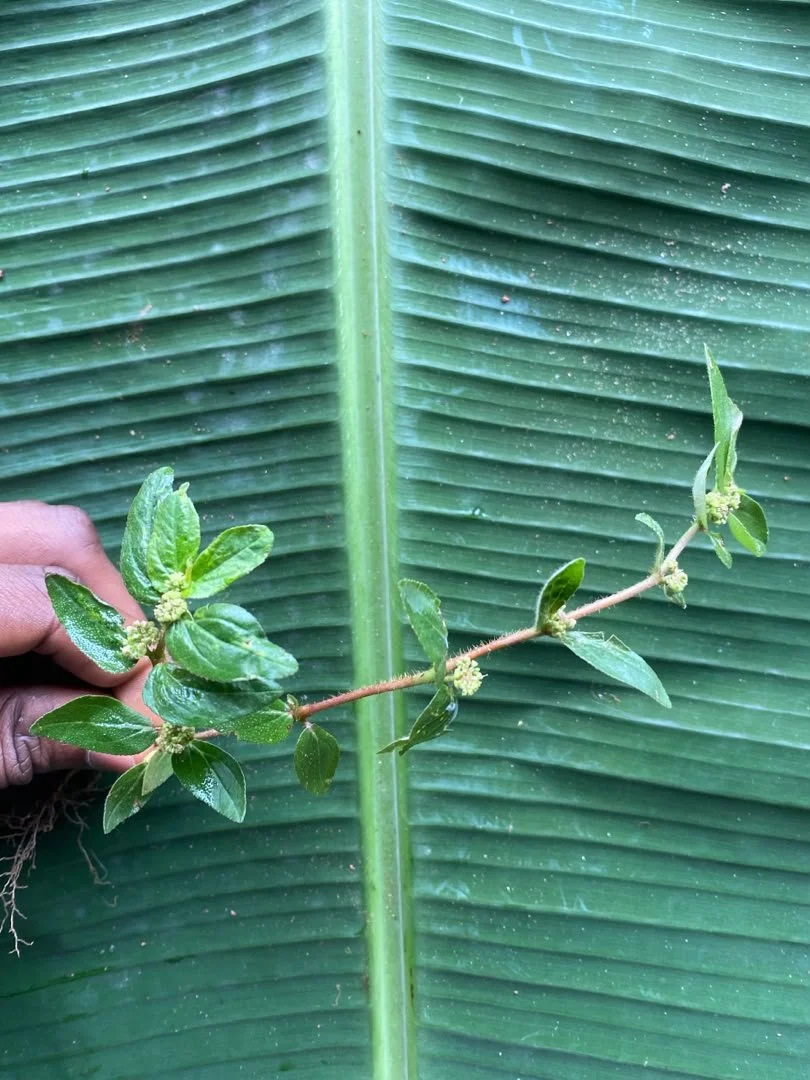
Akwukwo Ekwueme (Do-as-I-say plant).
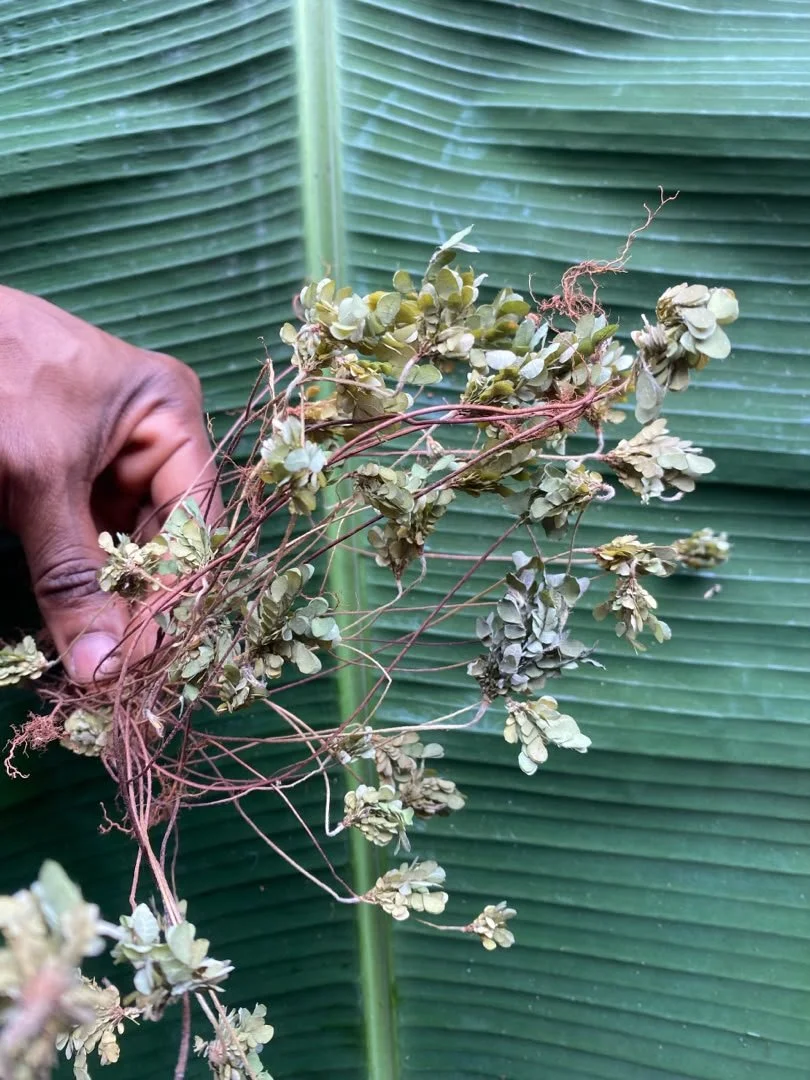
Ulatuoajommuo-Ulatuoajommadu.
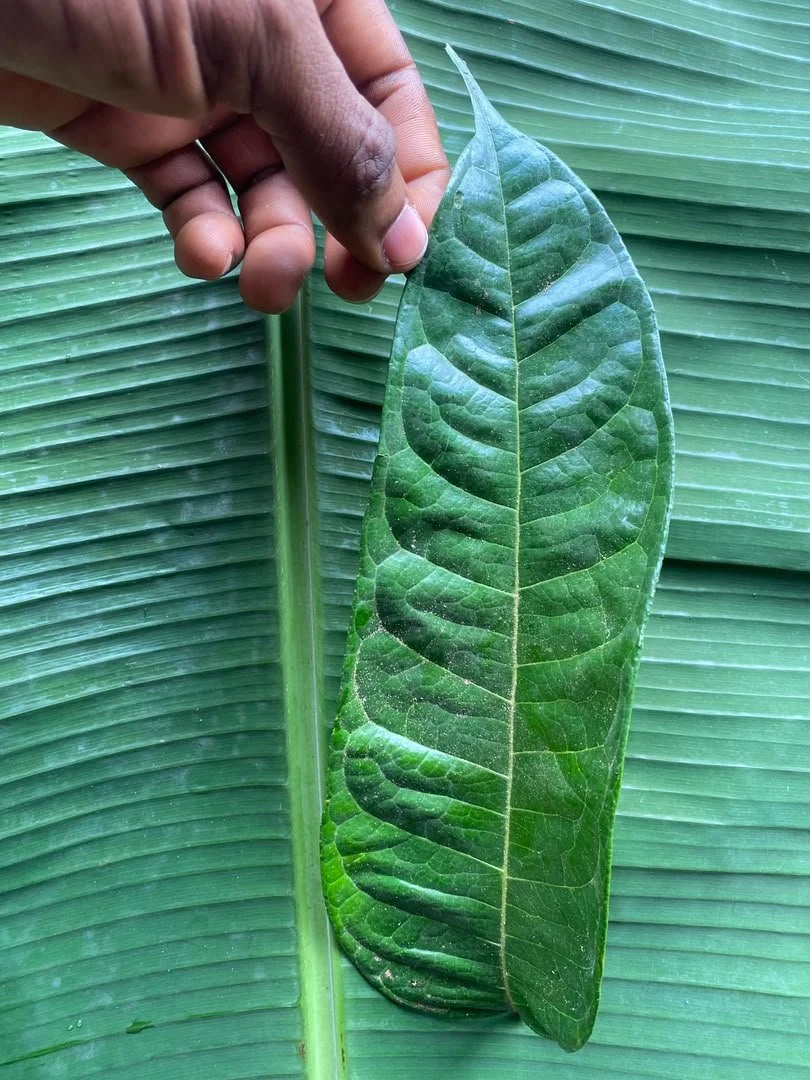
Akwukwo Ube (a.k.a Ubenebe).
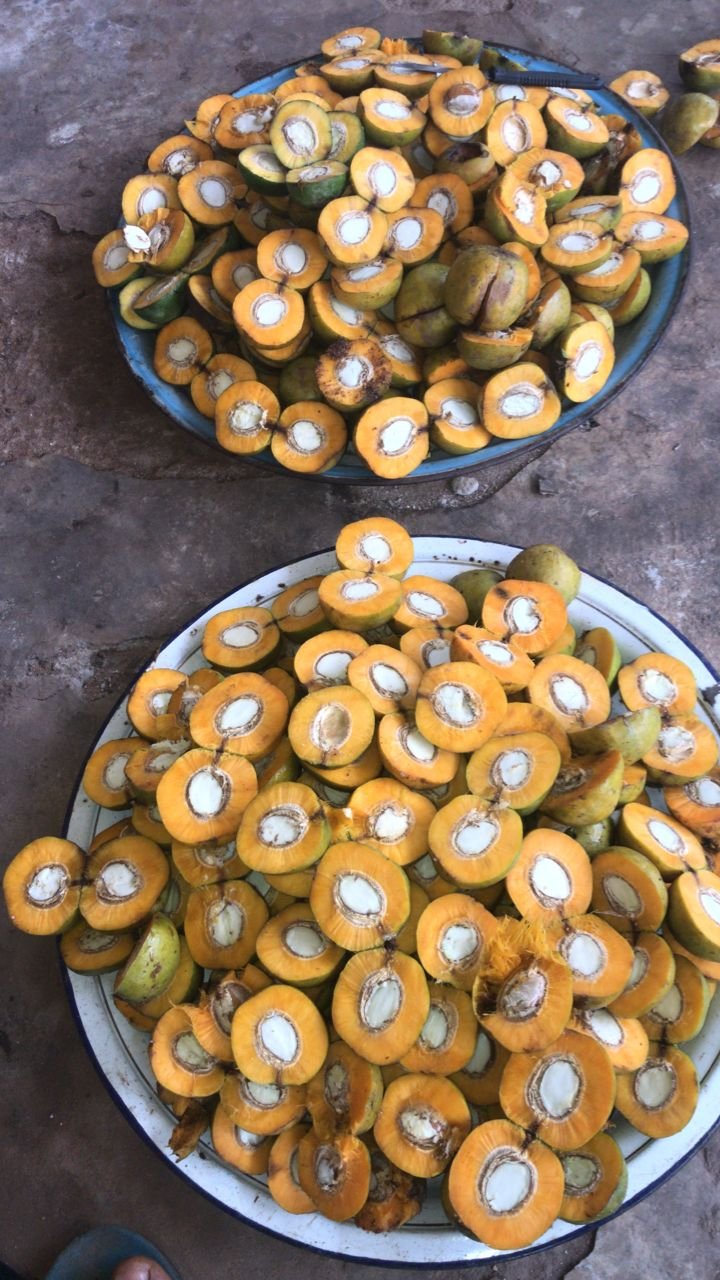
Ugiri being processed.
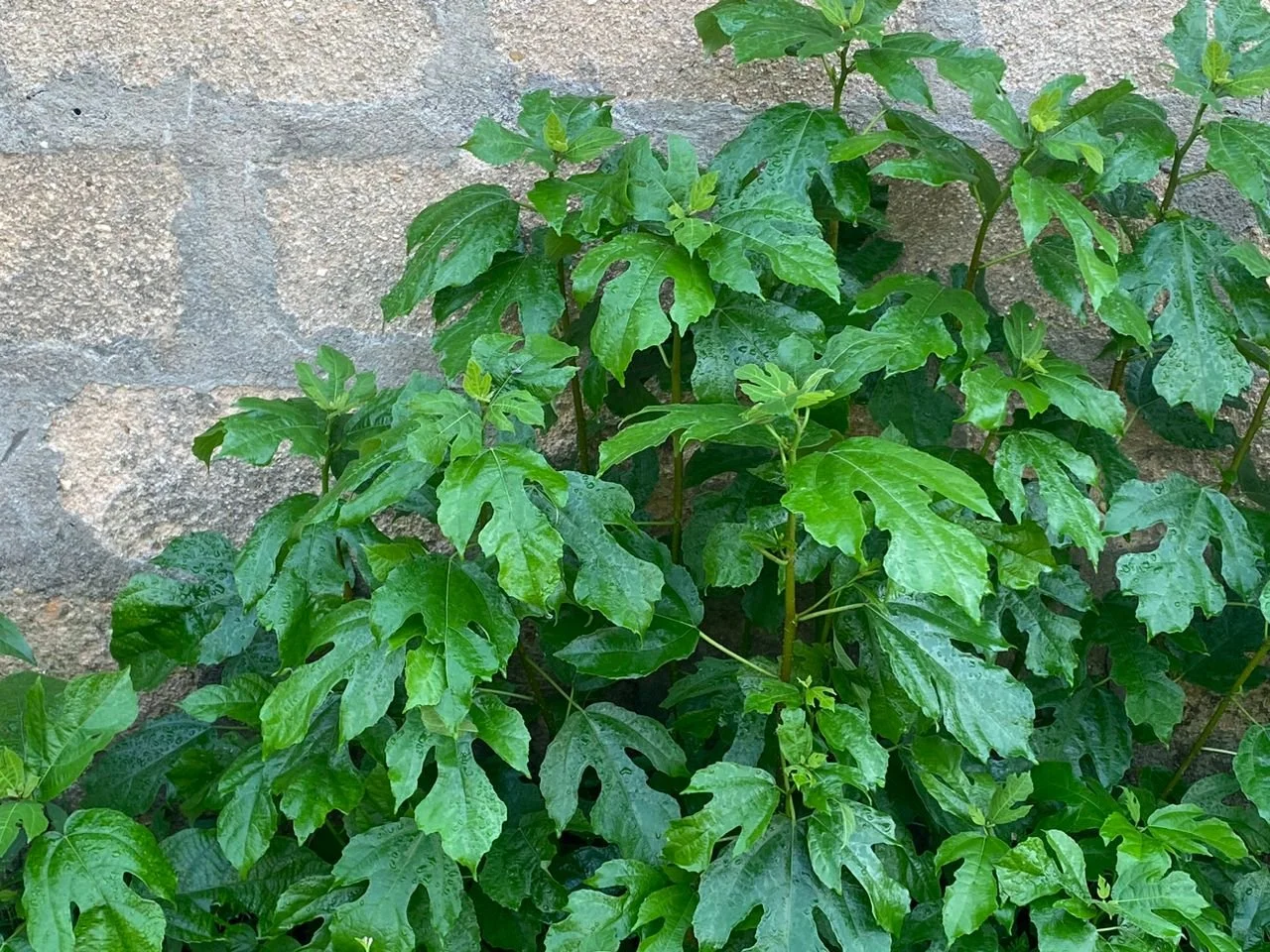
Sandpaper plant. It has a rough texture (like actual sandpaper) and its rough leaves are used as a natural scrub for cooking pots and also to polish wood. Its leaves as highly nutritious food for goats, sheep, and other livestock. Also, the crushed leaves of this plant are applied to wounds to stop bleeding.
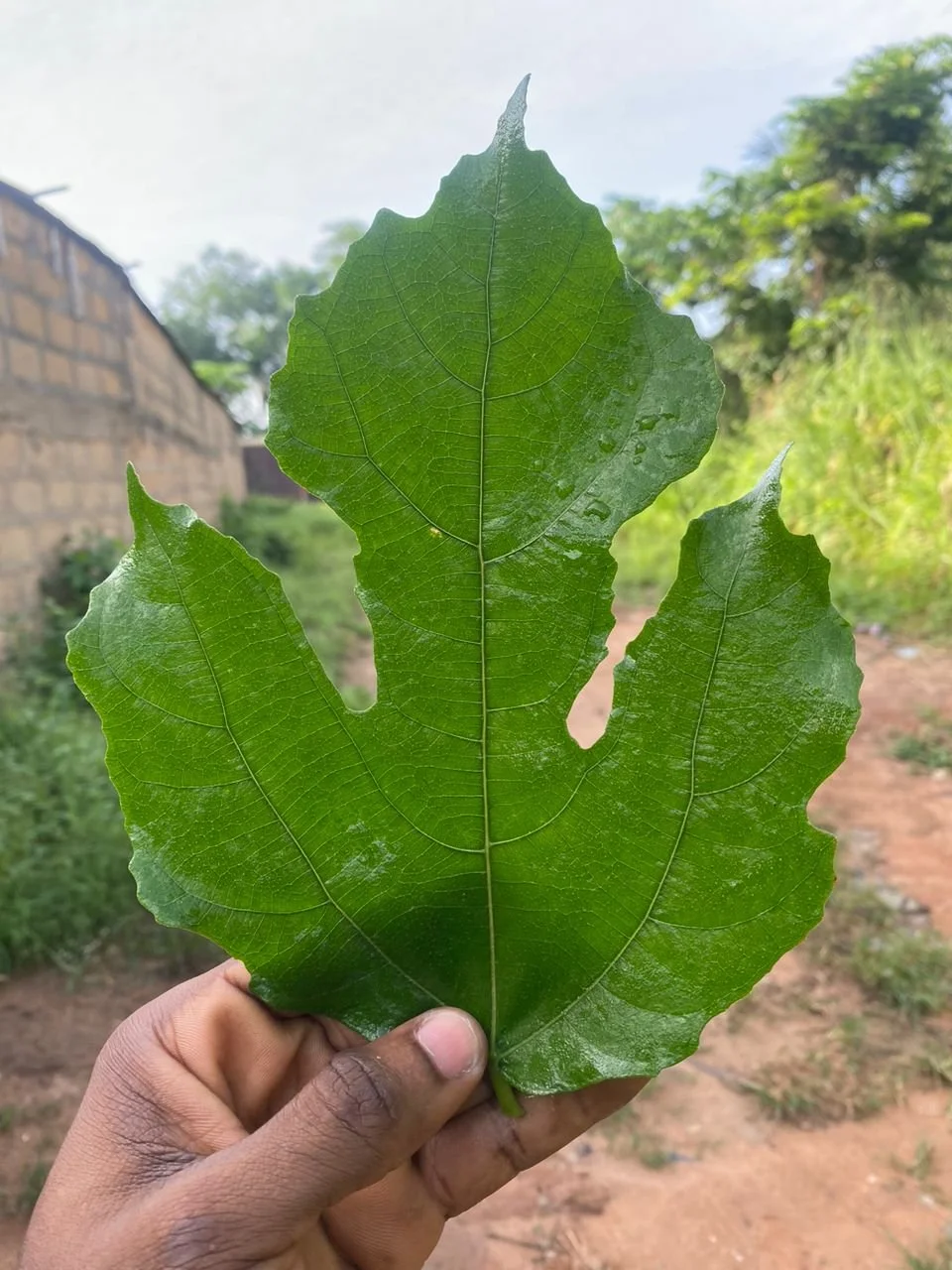
Sand paper plant sample.
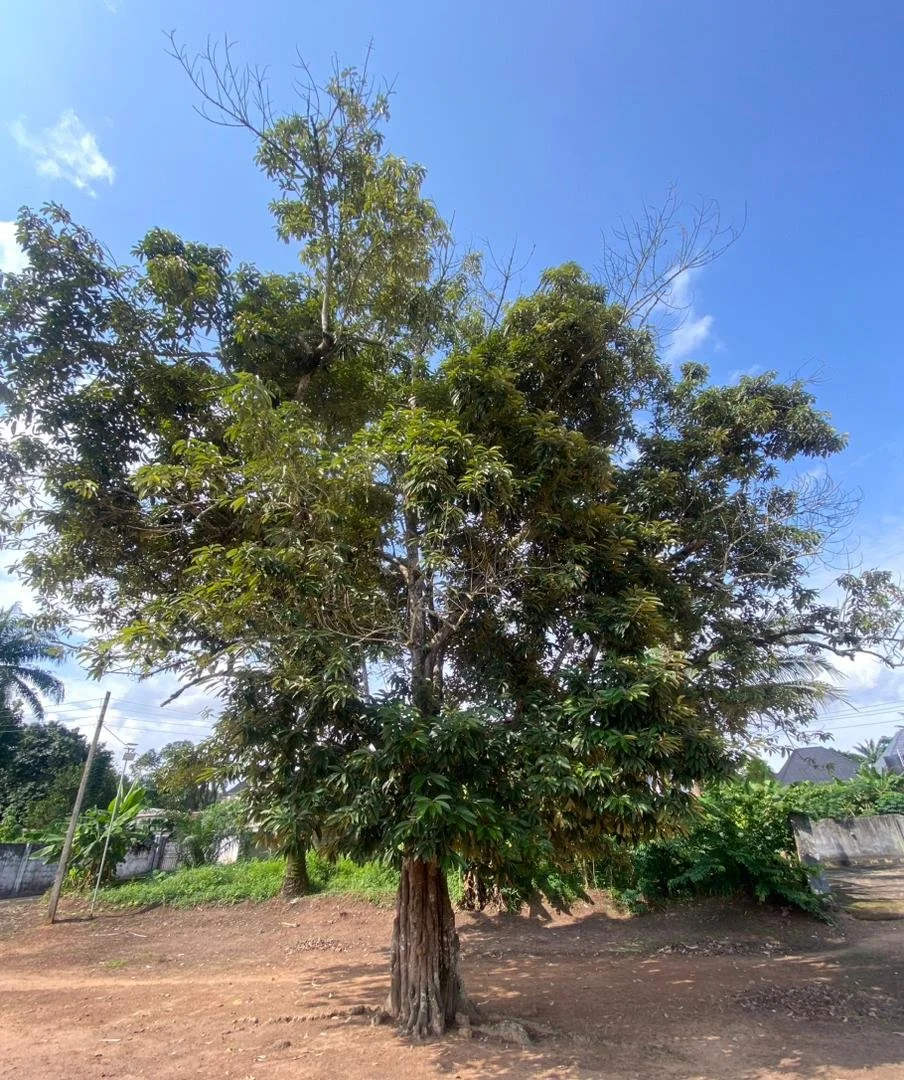
Osisi Udala (Udara Tree).
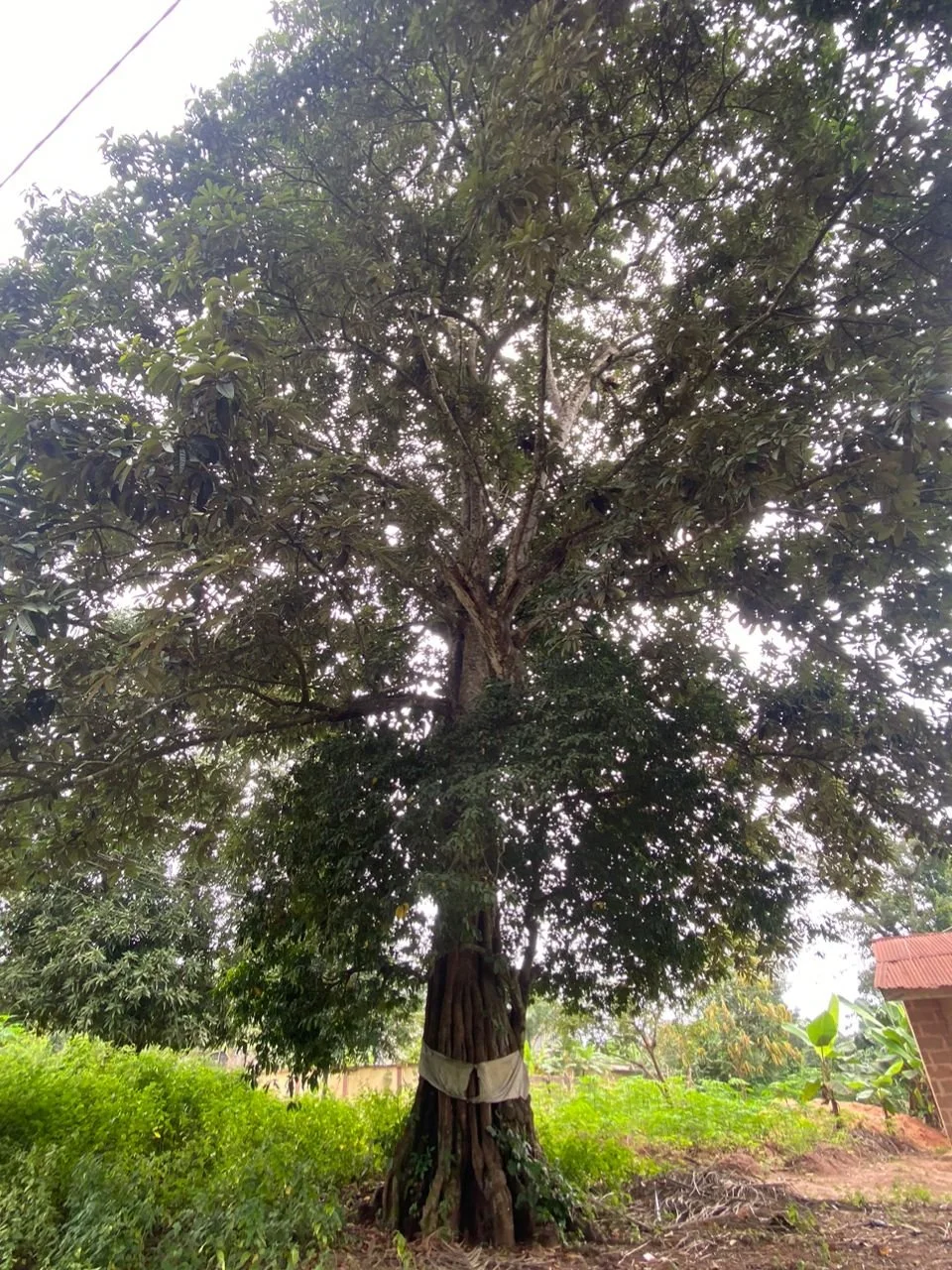
Osisi Udala (b).
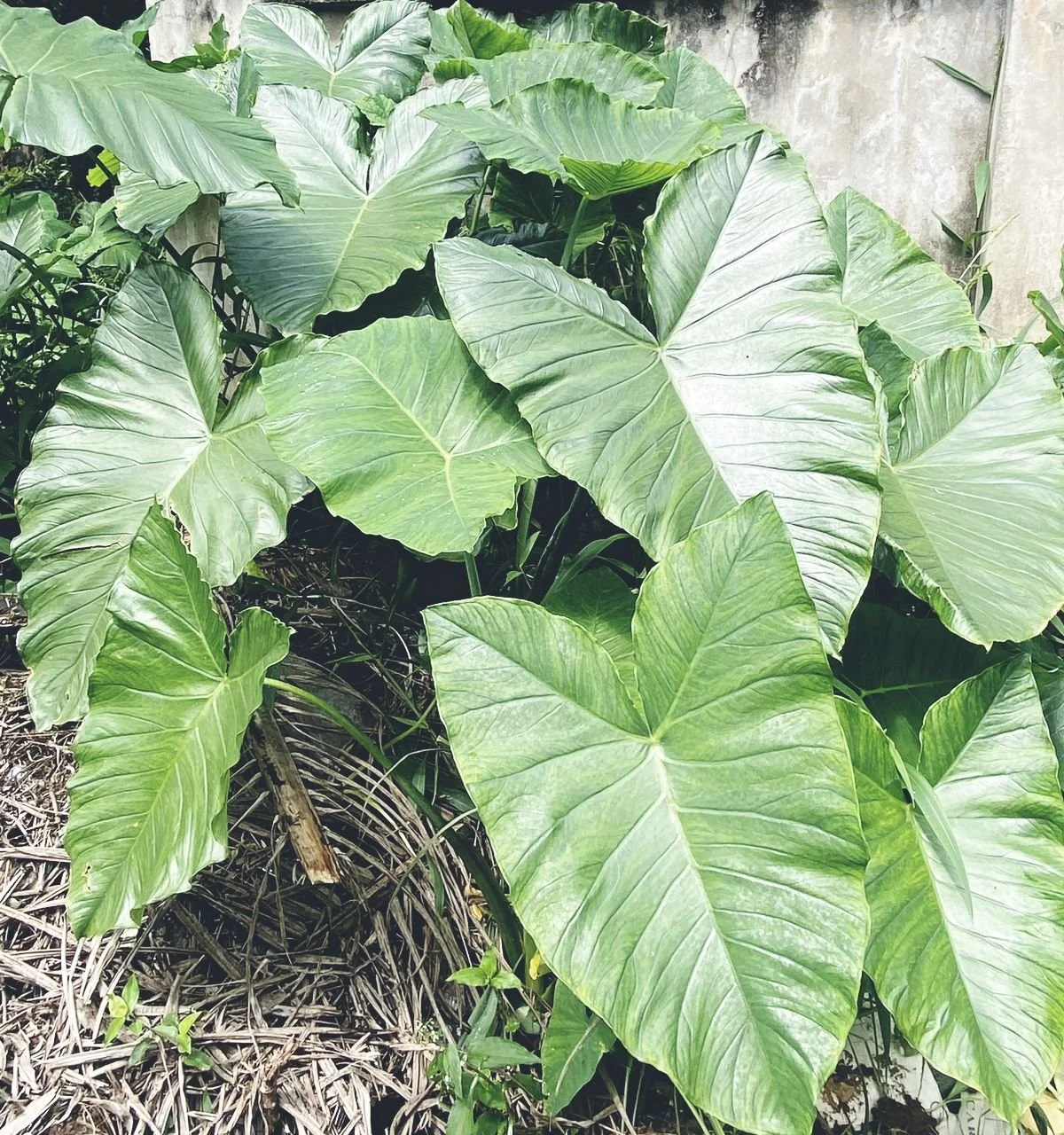
Ede (Cocoyam leaves).
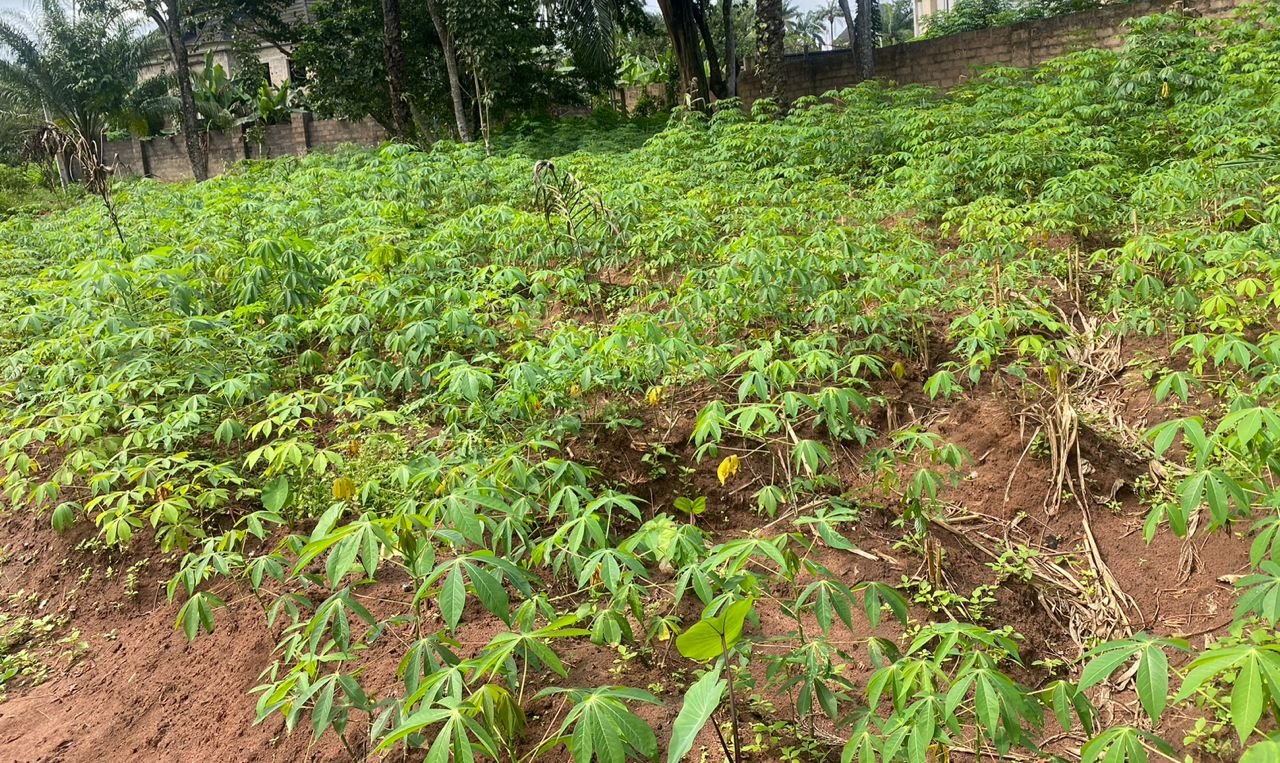
Akpu (Cassava farm).
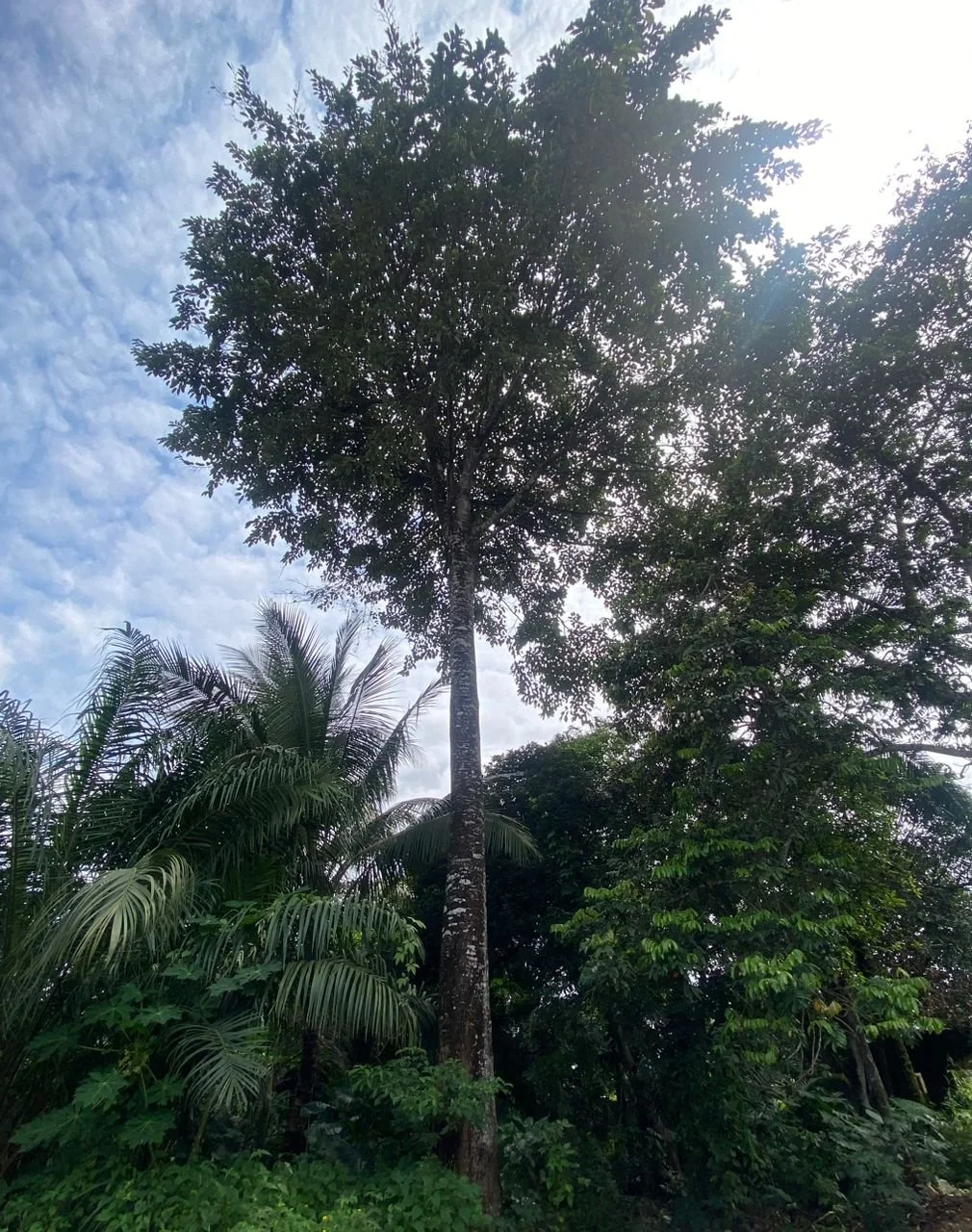
Osisi Ojii (Iroko Tree).

Osisi Nkwu. Nkwu-Elu (used in Igba-Nkwu ceremonies) is gotten from this tree.
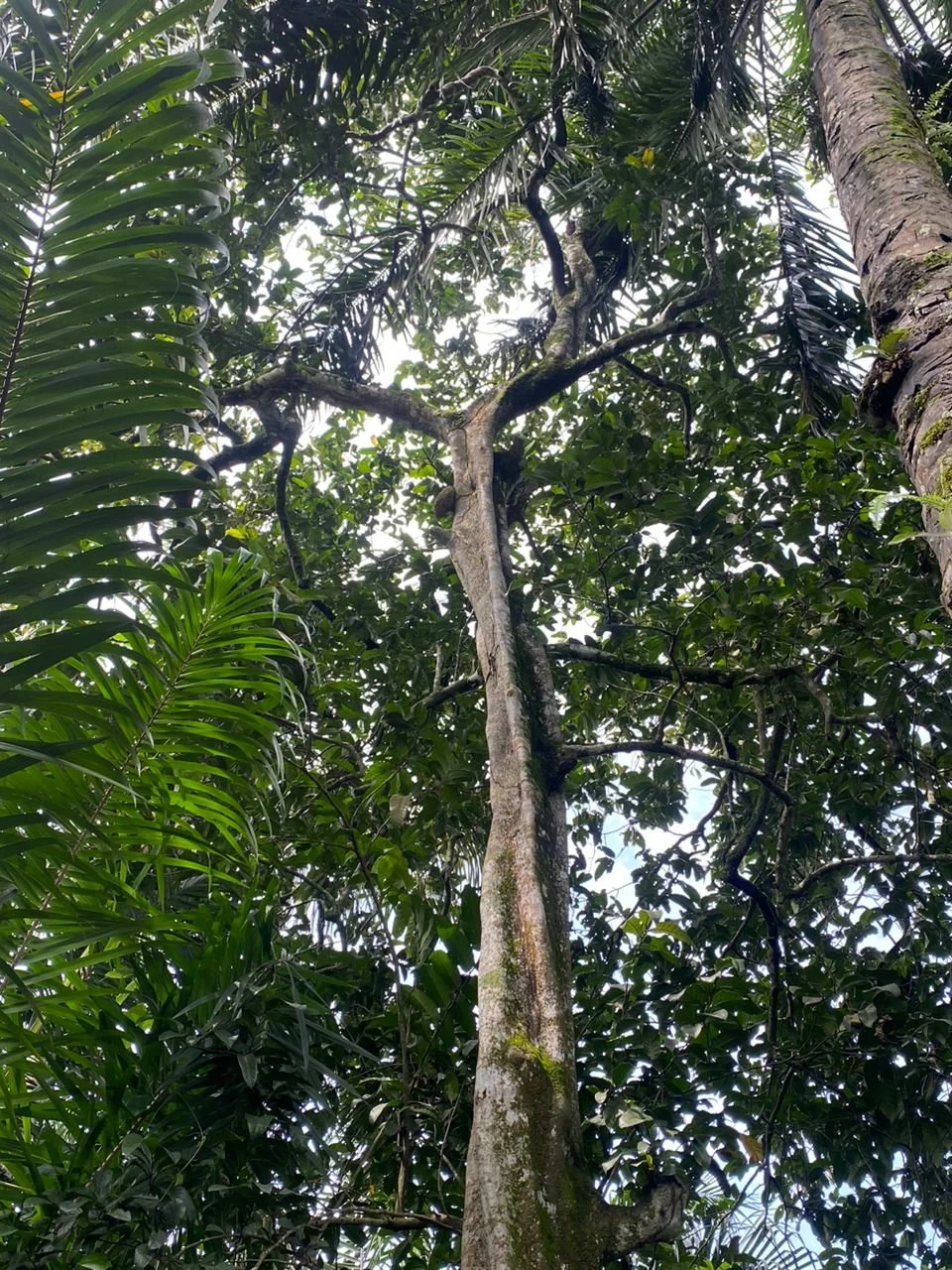
Osisi Ukwa (a)
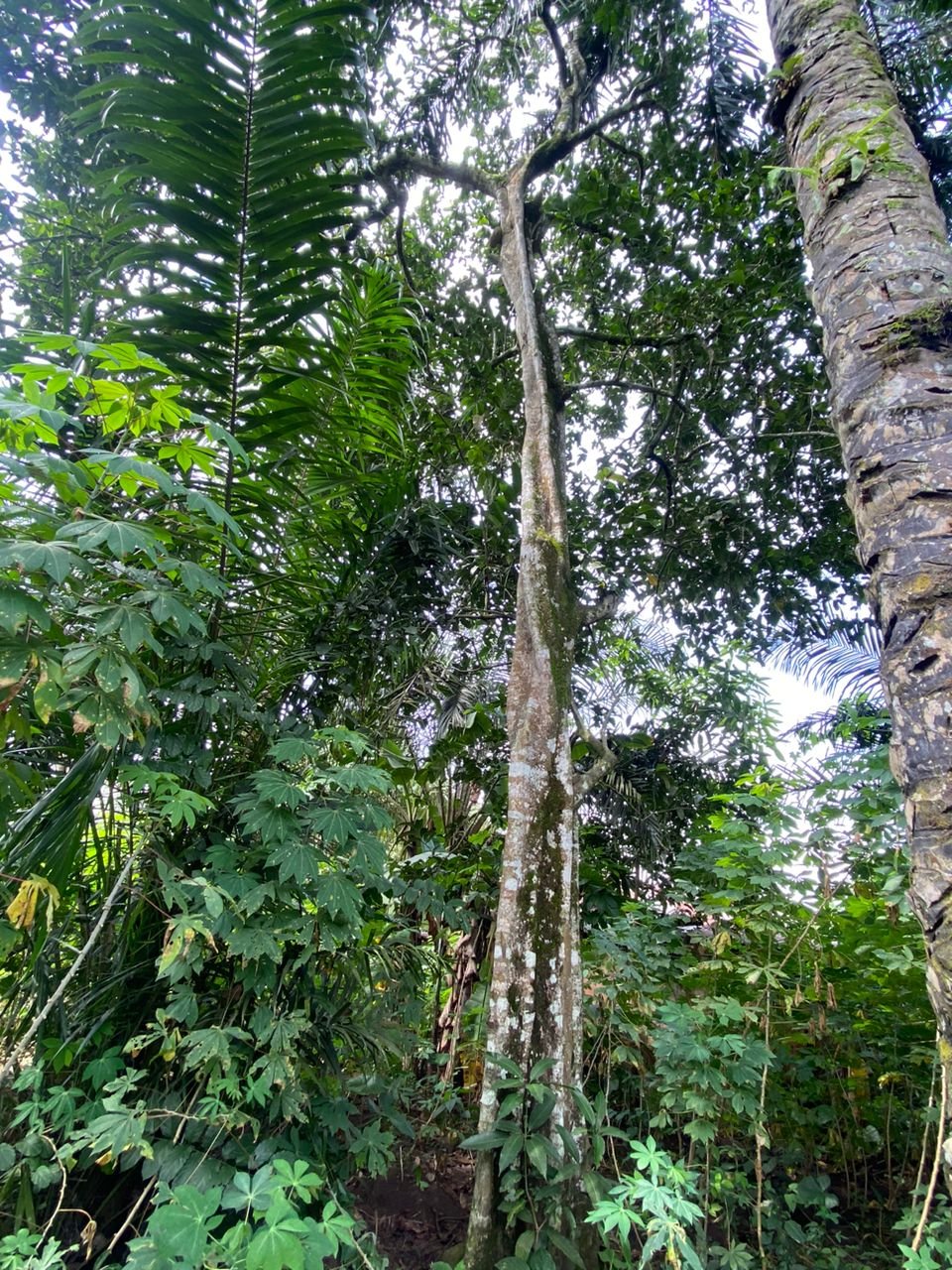
Osisi Ukwa (b).
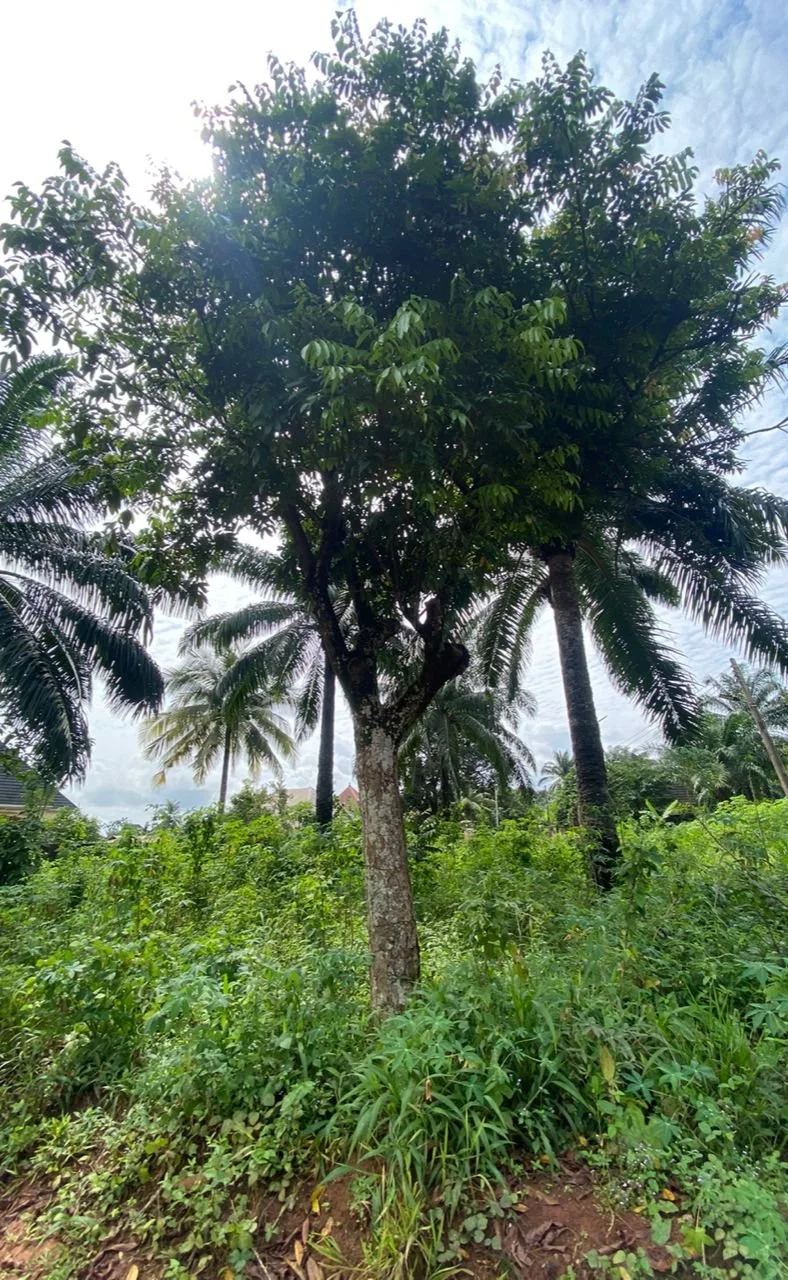
Osisi Ube (African Pear Tree).
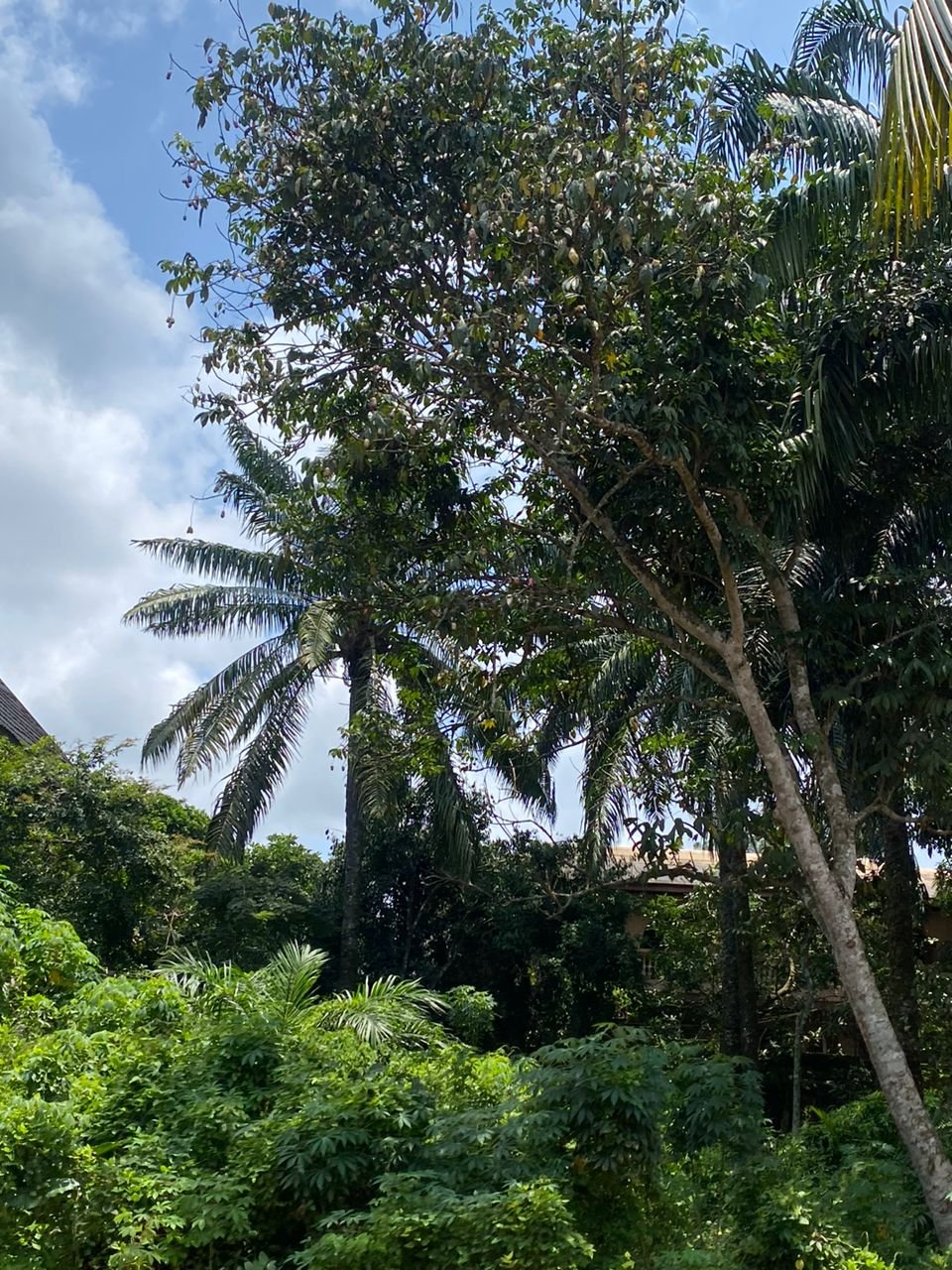
Osisi Ube (African Pear Tree) II
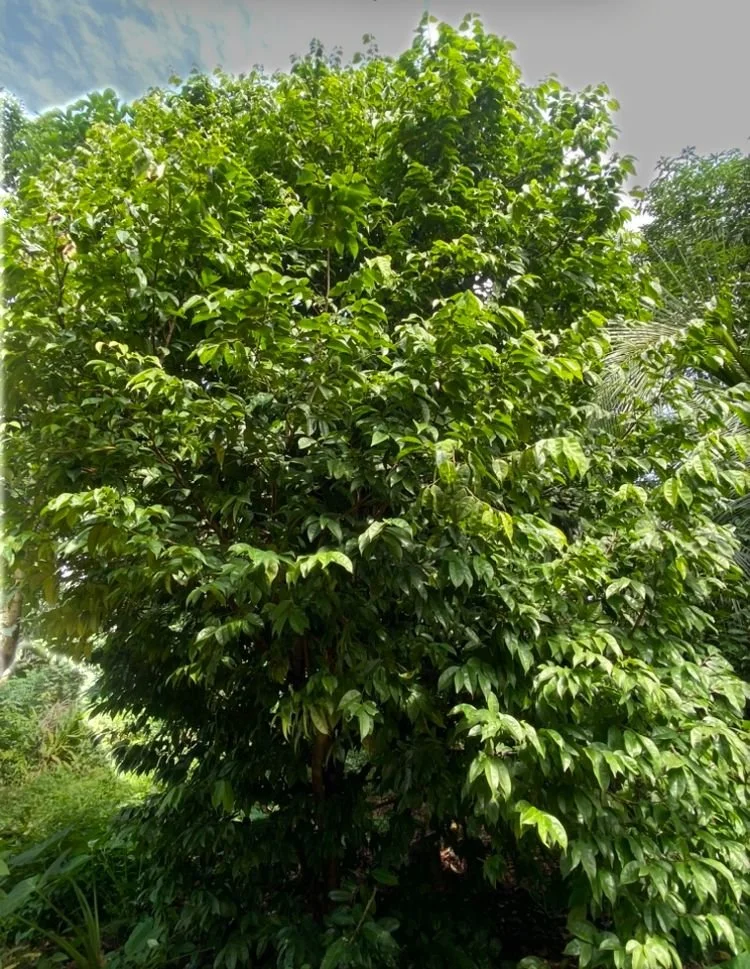
Mmimi plant.
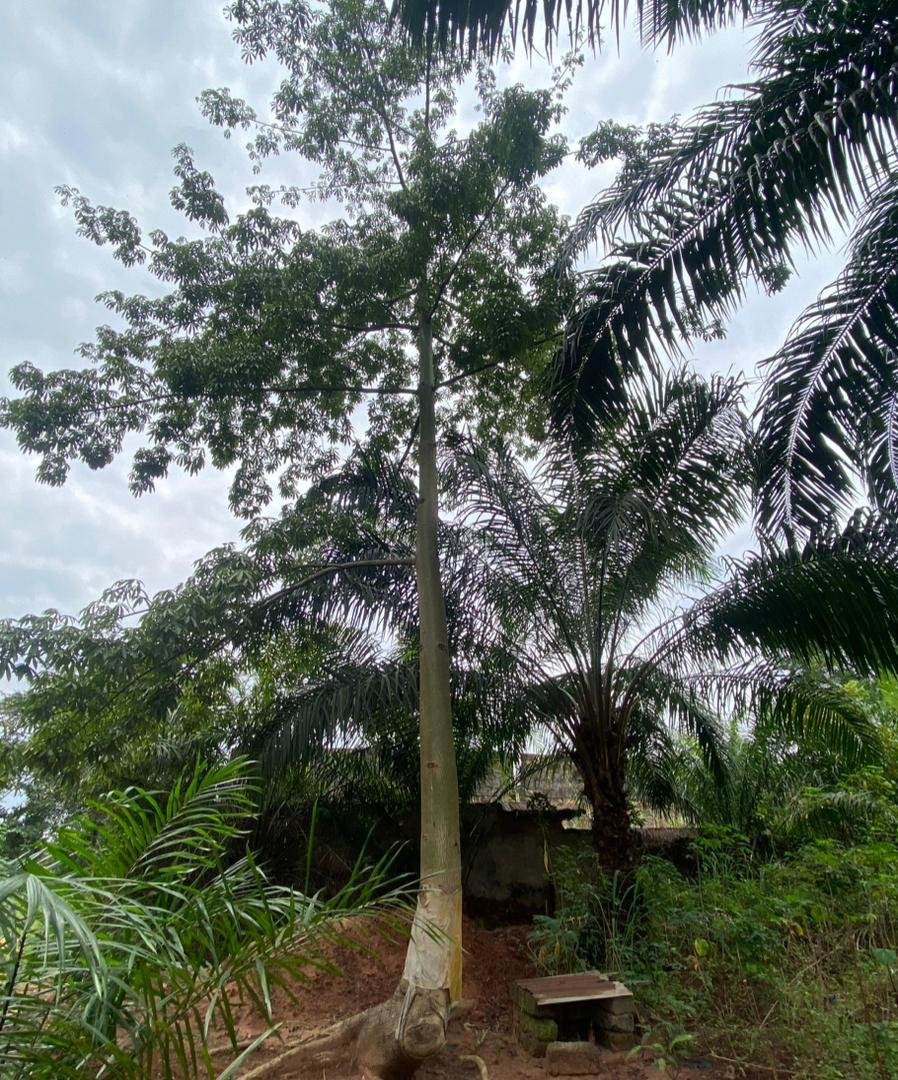
Osisi Akpu (Silk Cotton Tree)
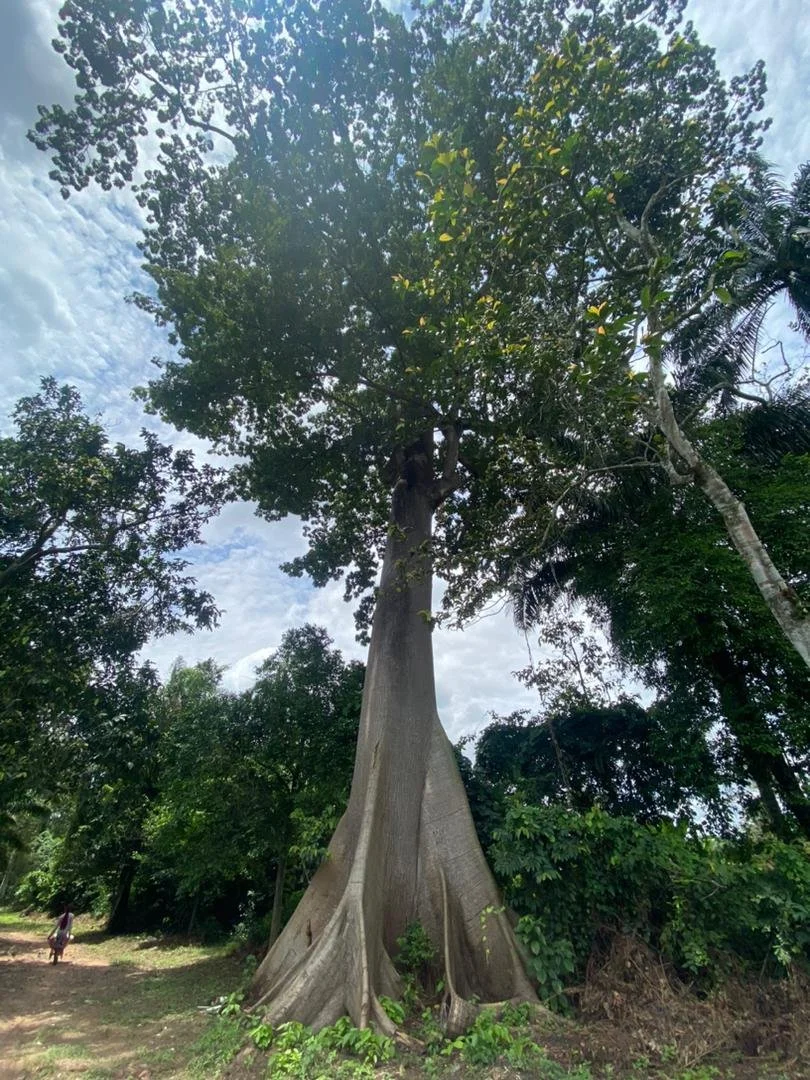
Osisi Akpu Okalaete (Silk Cotton Tree without spikes).
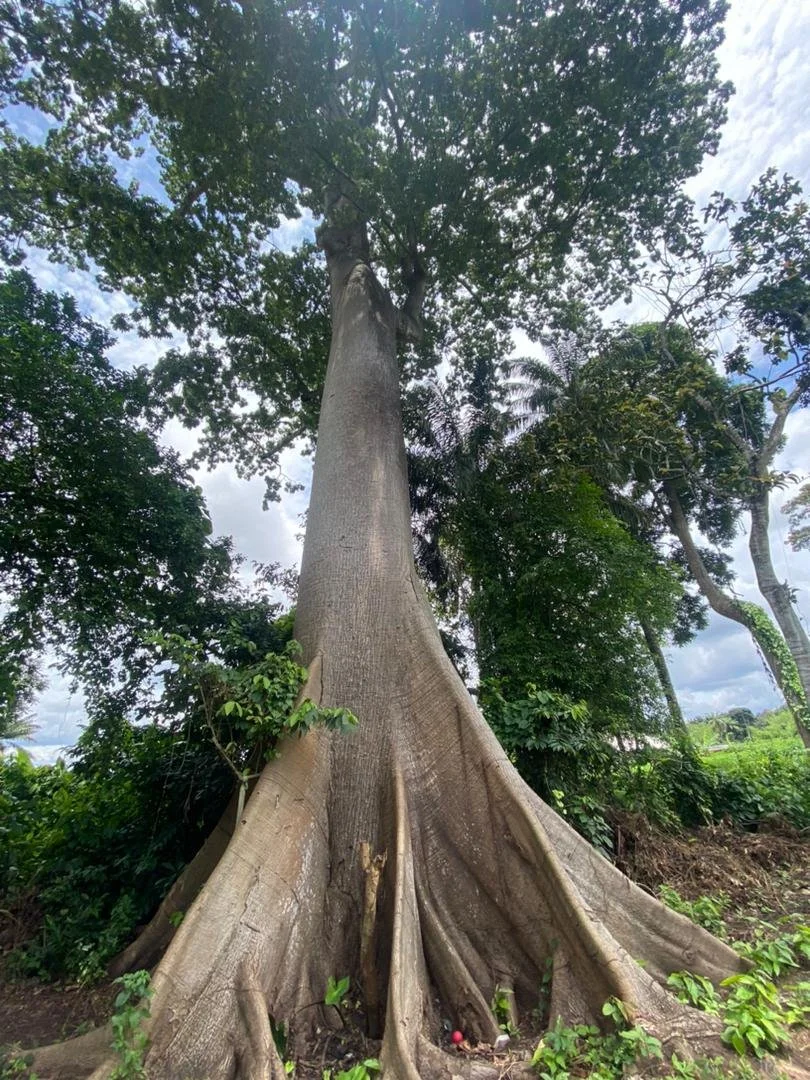
Osisi Akpu Okalaete (Silk Cotton Tree without spikes) ii.
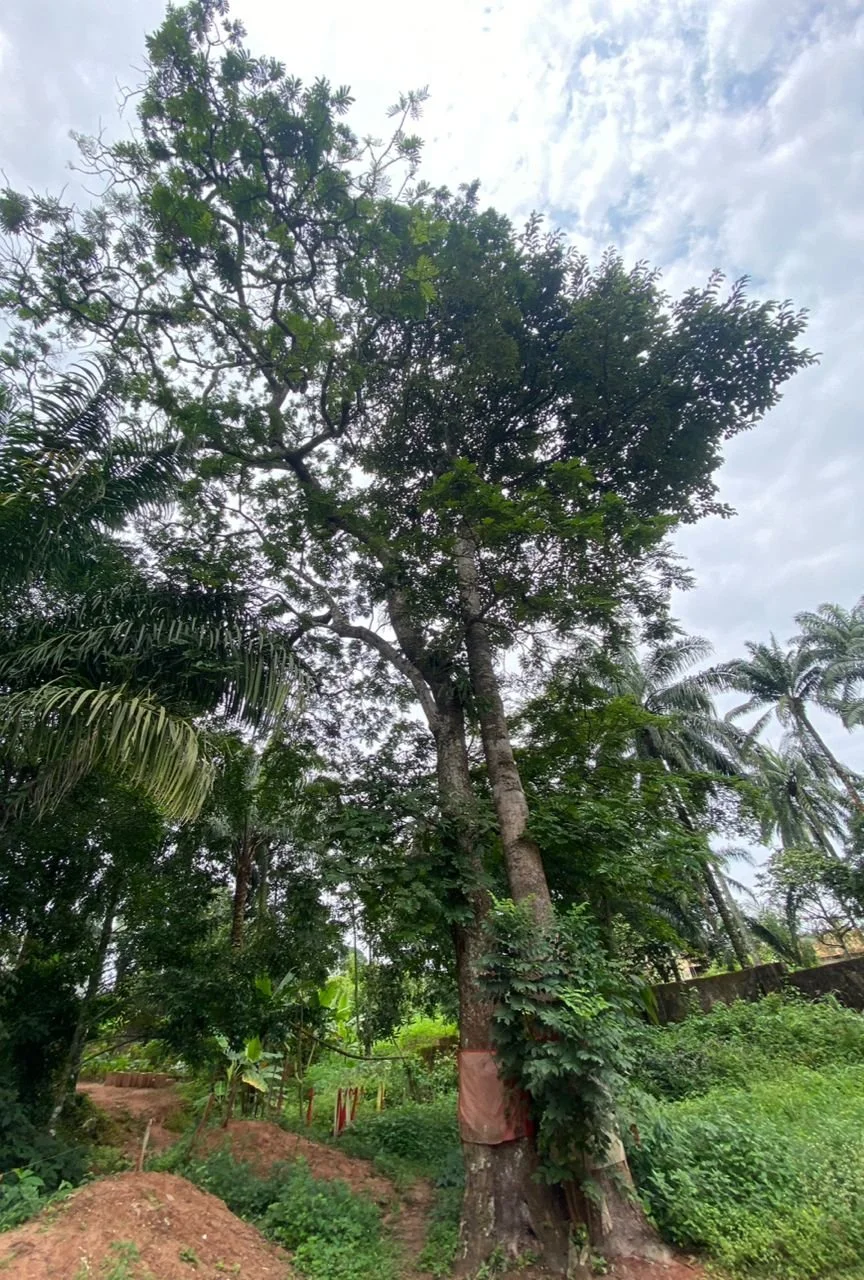
Osisi Ukpaka (left) and Osisi Ojii/Iroko (right)
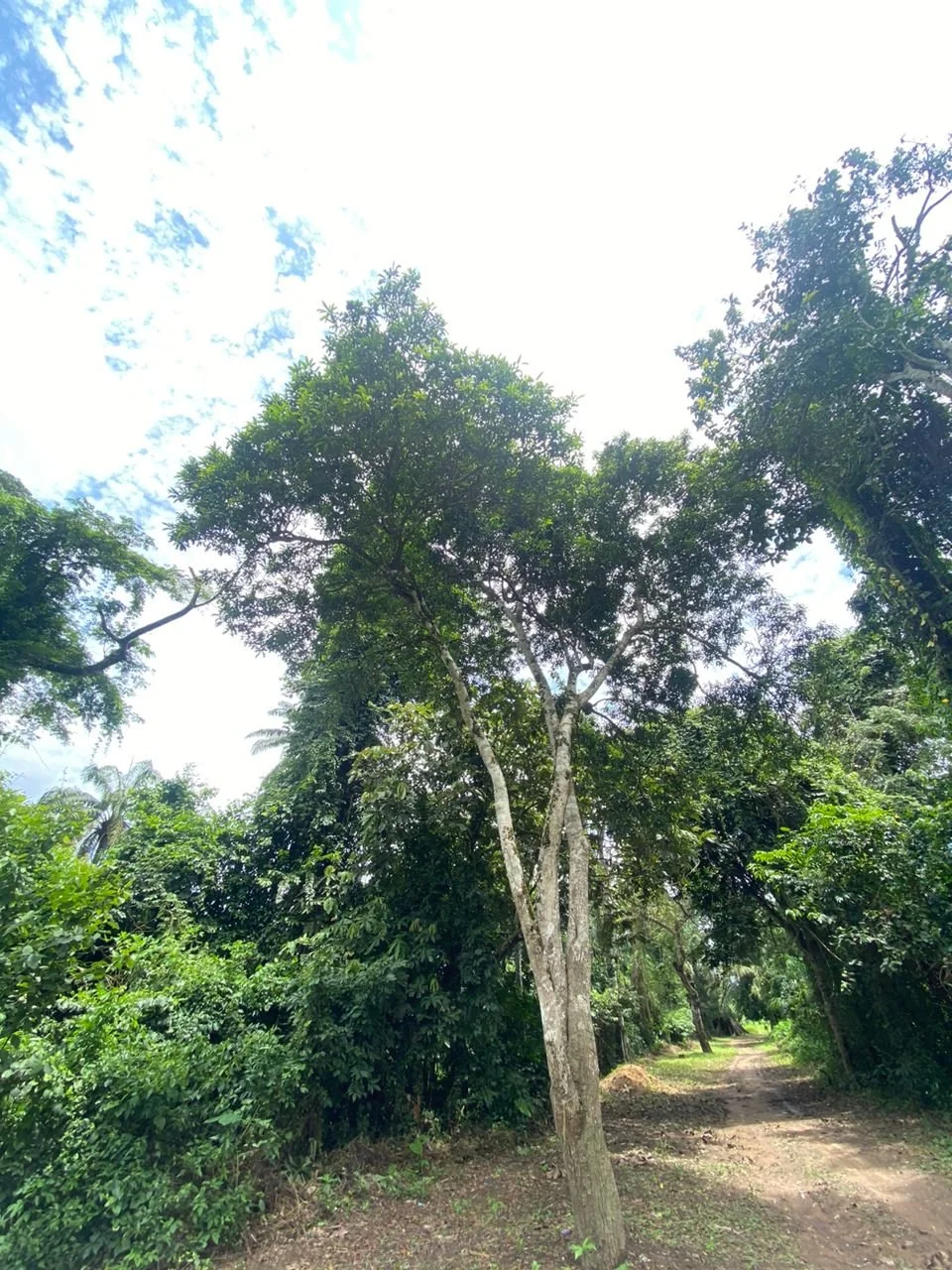
Osisi Oji (Kolanut tree).
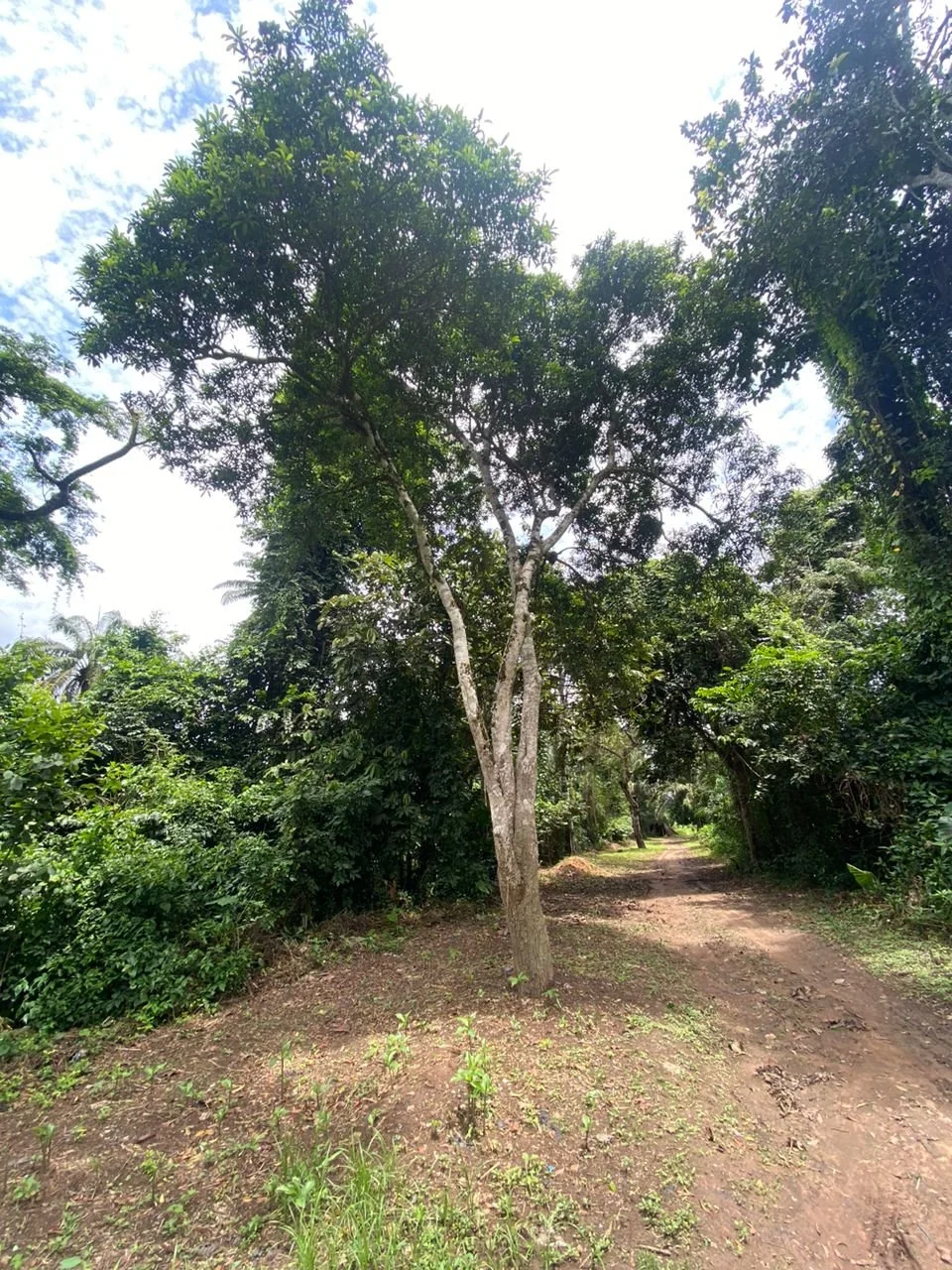
Osisi Oji (Kolanut tree) ii.
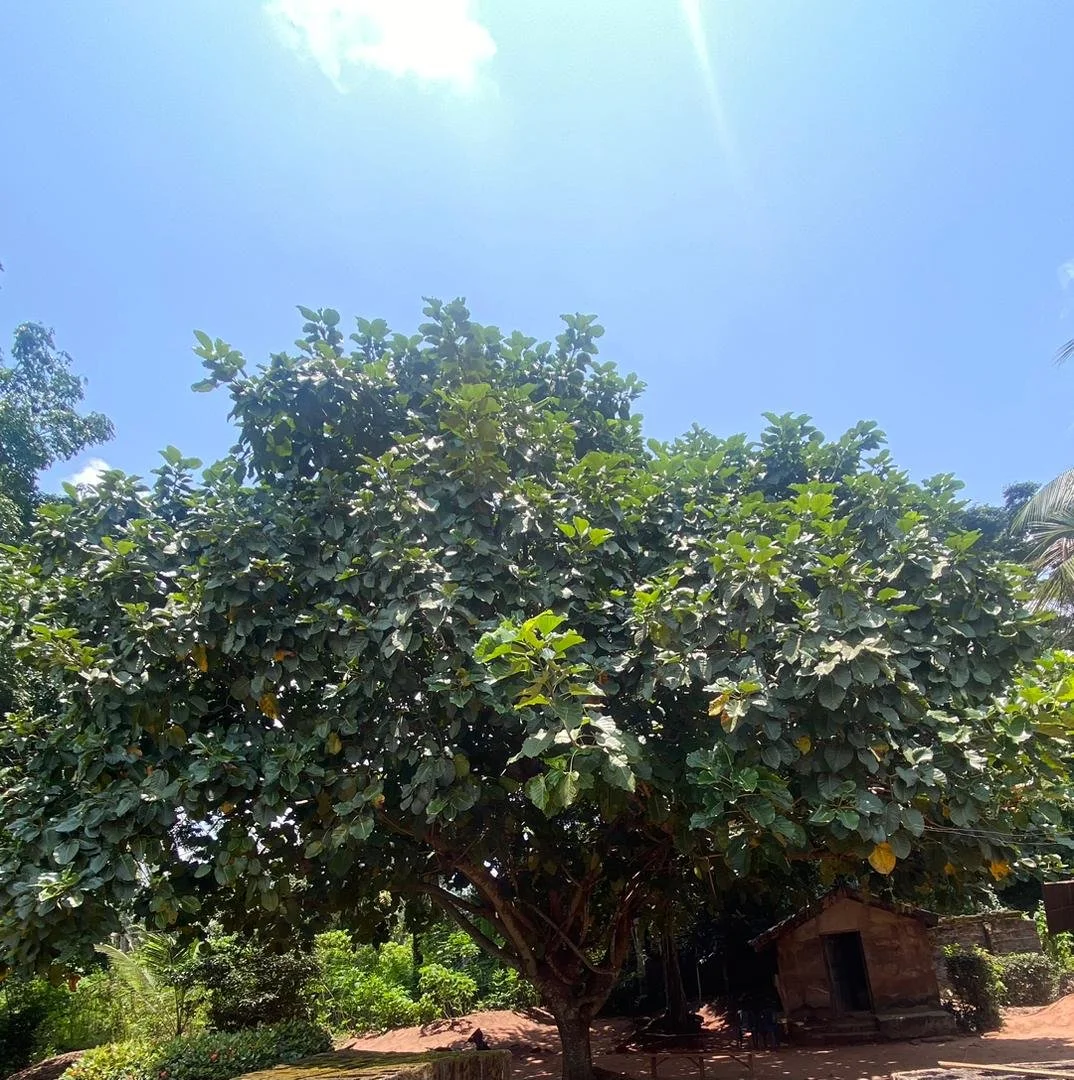
Osisi Ogbu (i).
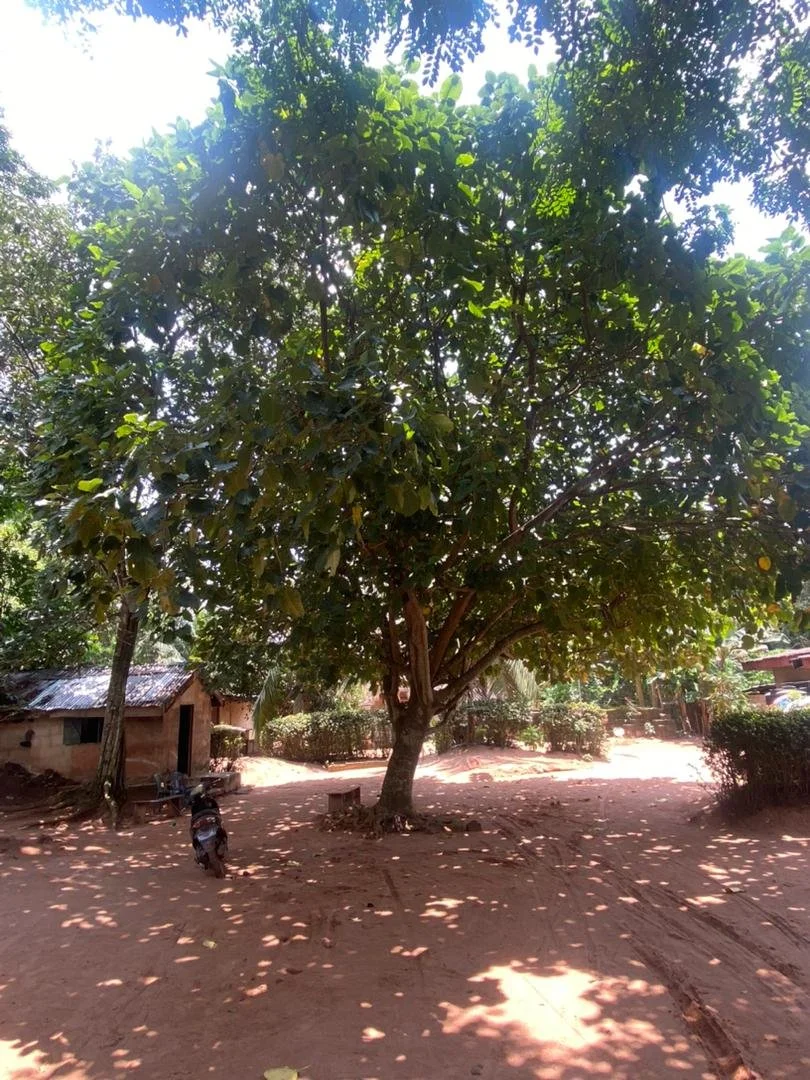
Osisi Ogbu (ii).
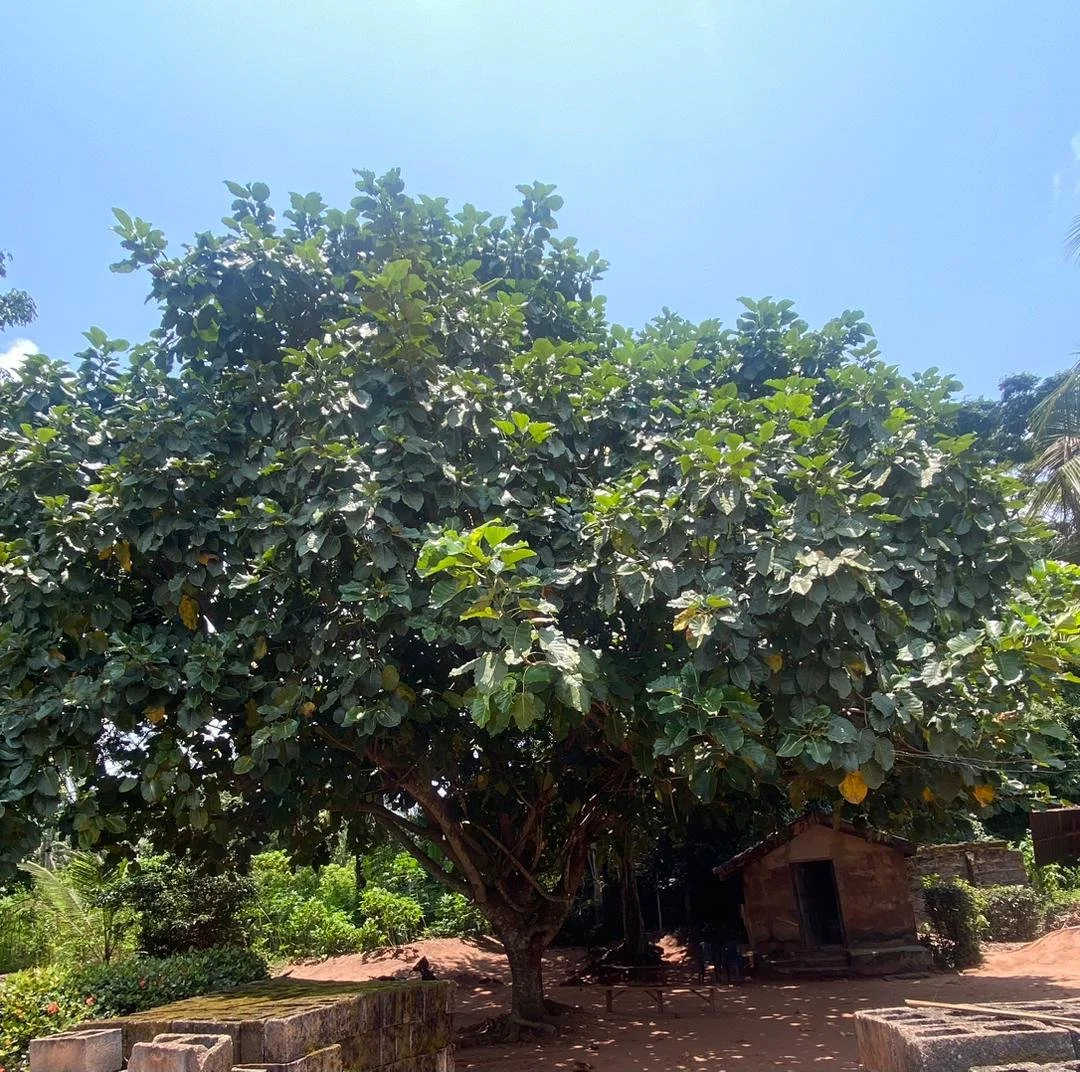
Osisi Ogbu (iii).
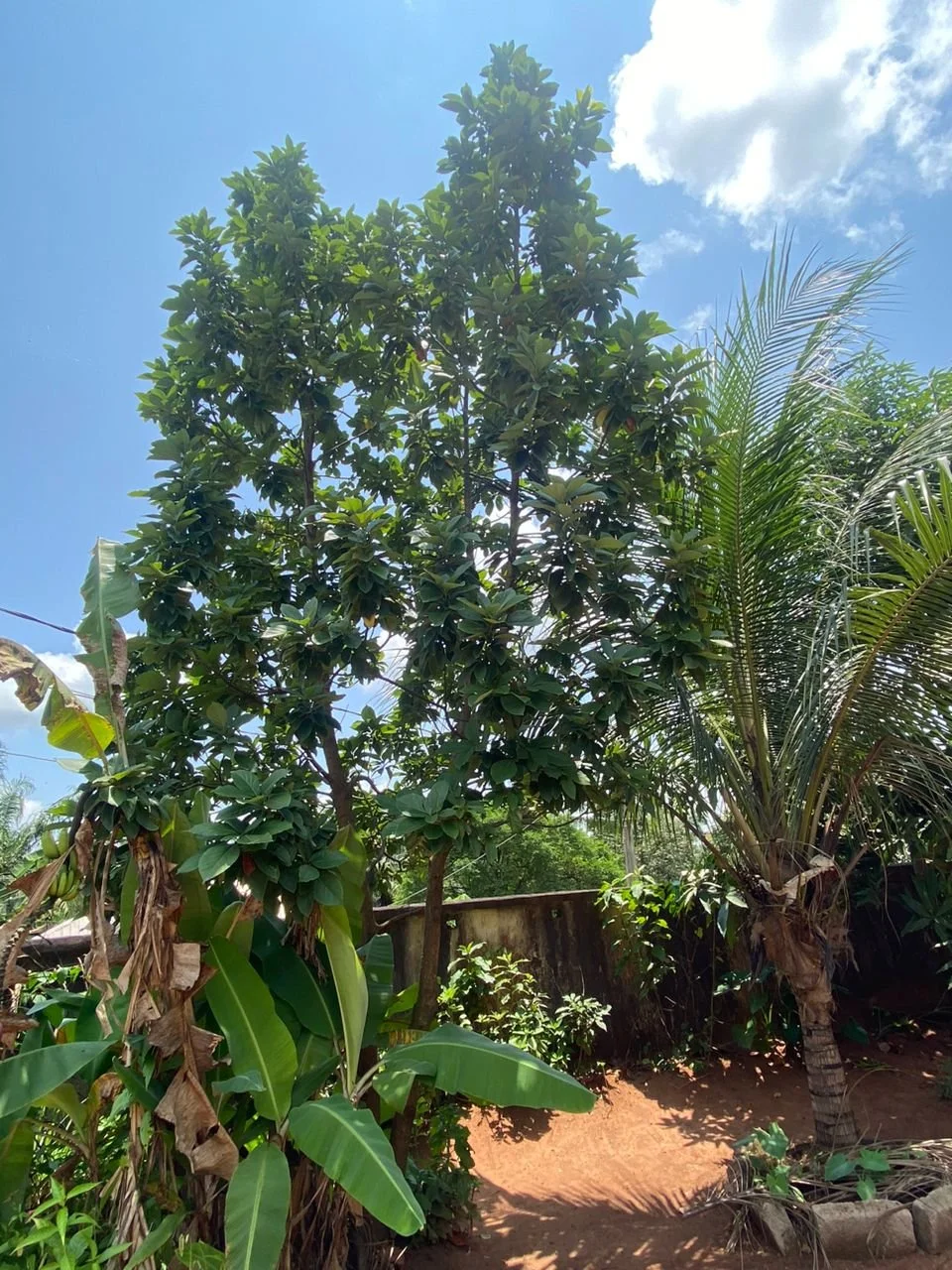
Osisi Ube Oyibo (Avocado tree)
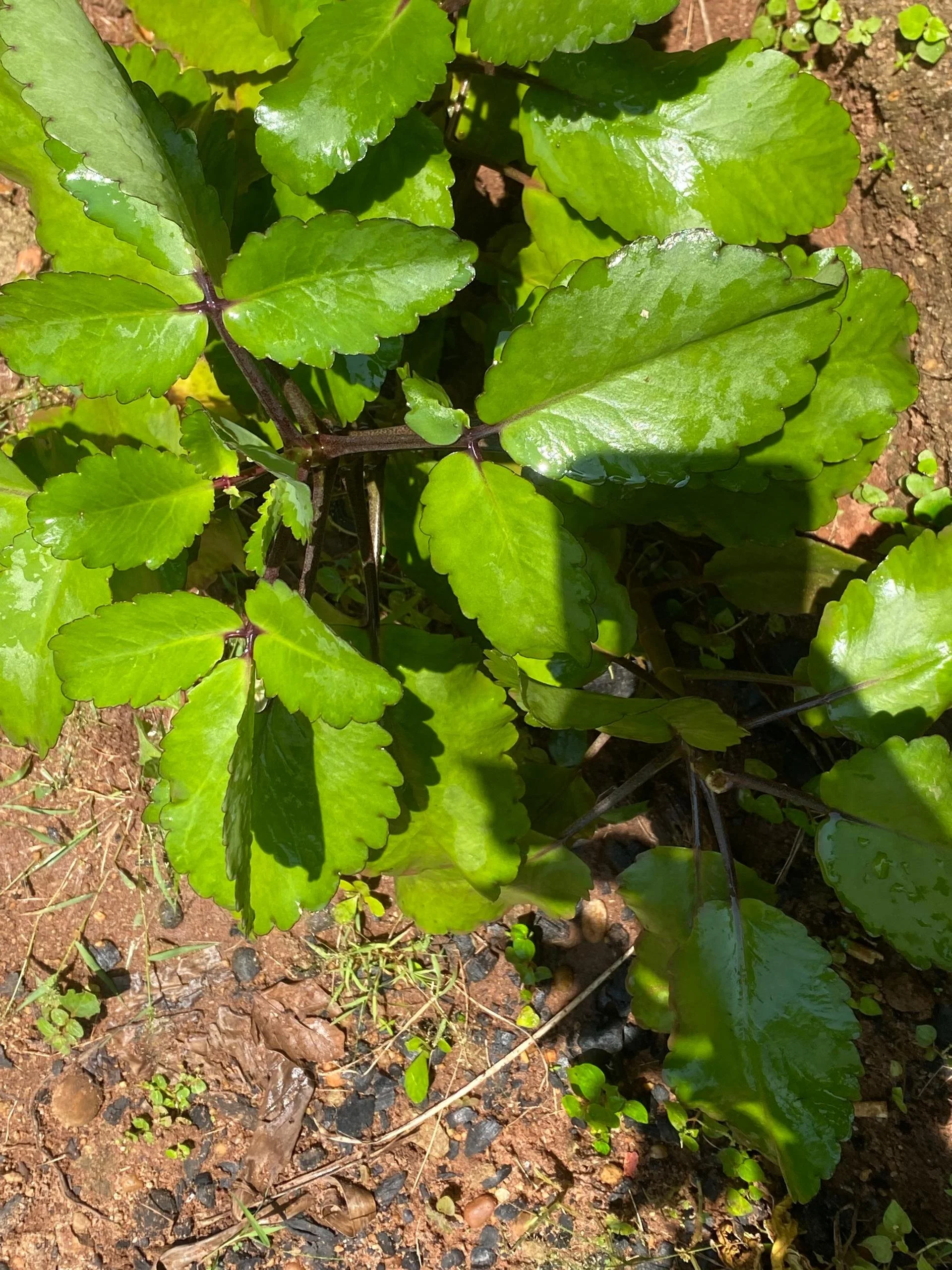
Oda Opuoo (Miracle plant/Kalanchoe Pinnata).
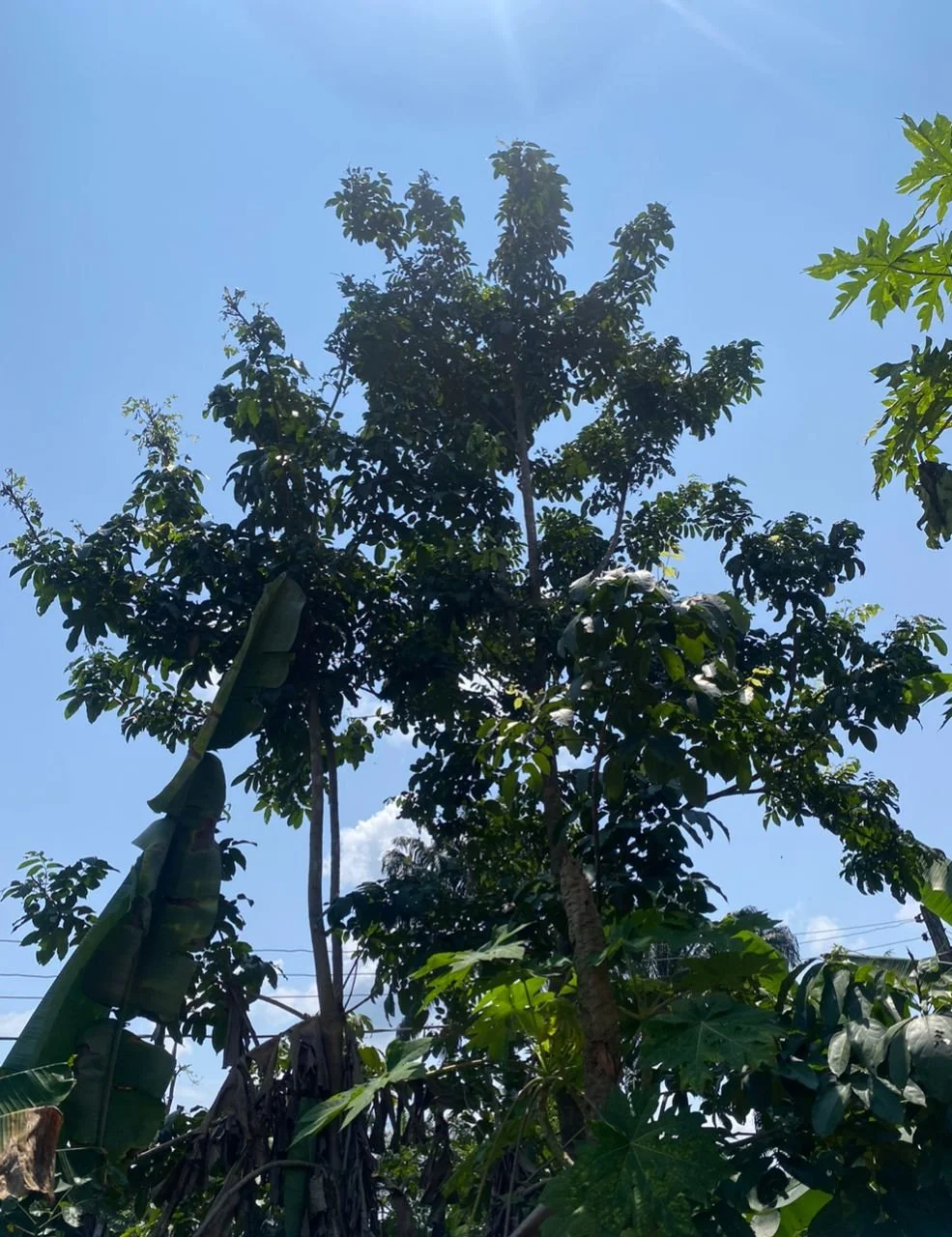
Osisi Oha (Oha Tree)
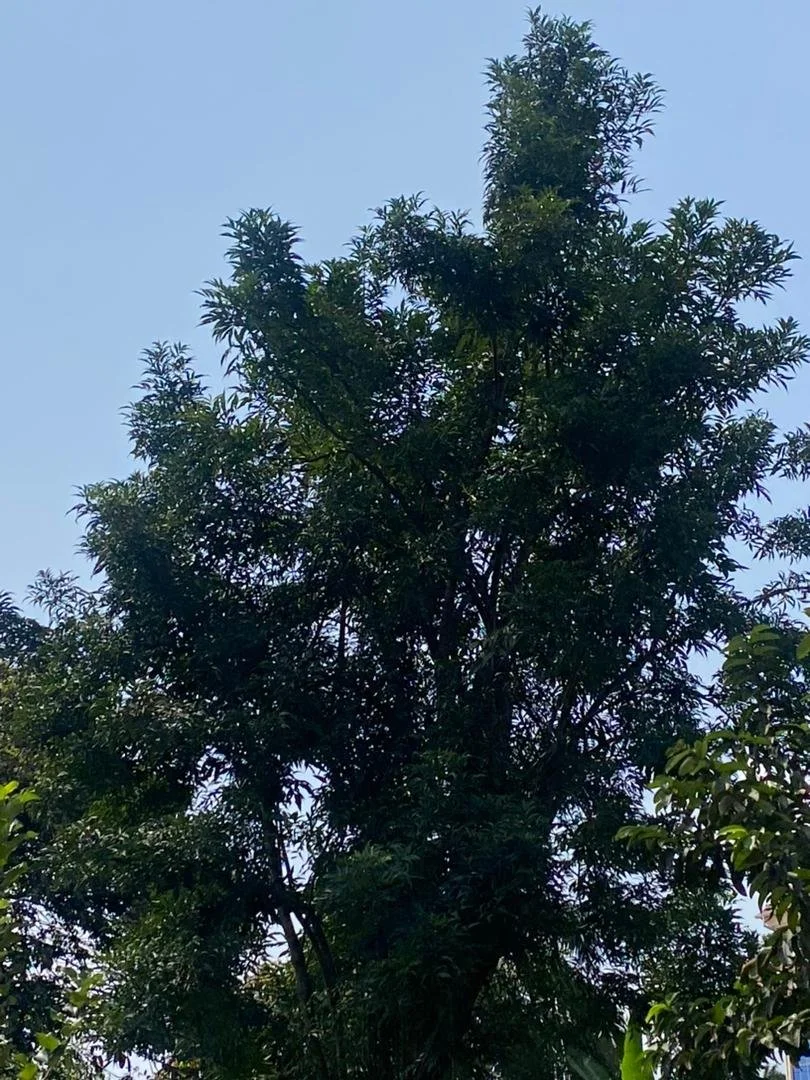
Osisi Ogilisi (Female)
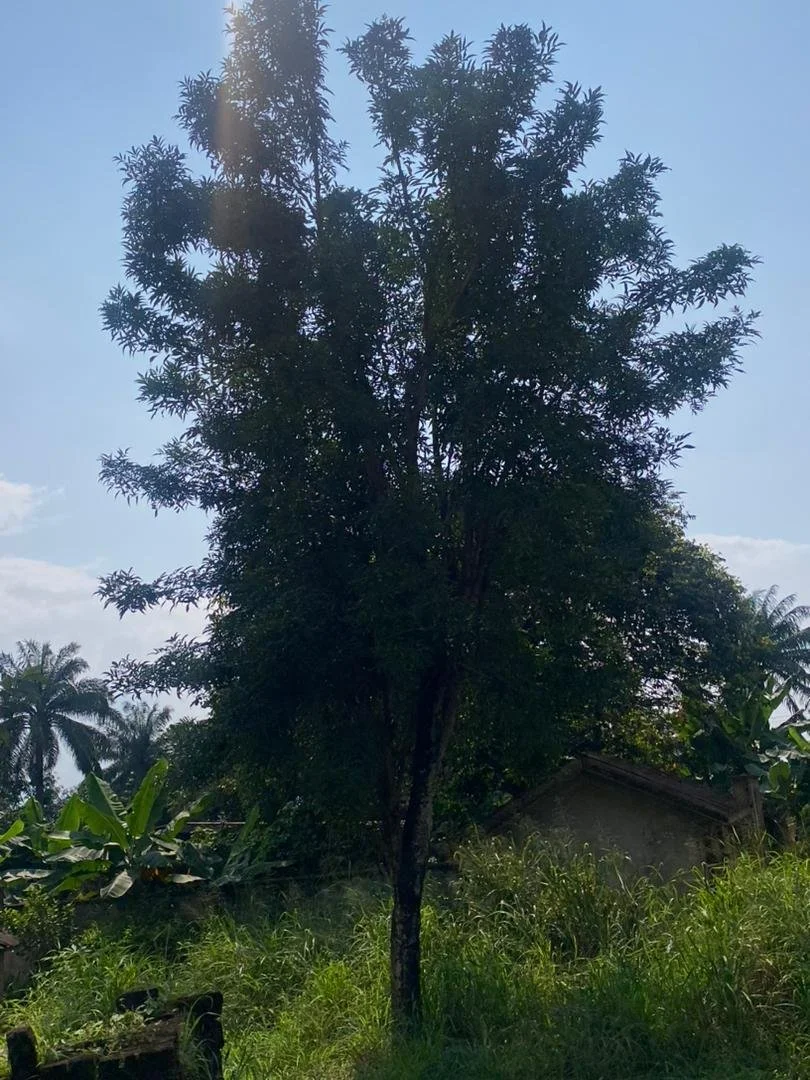
Osisi Ogilisi (Female) ii
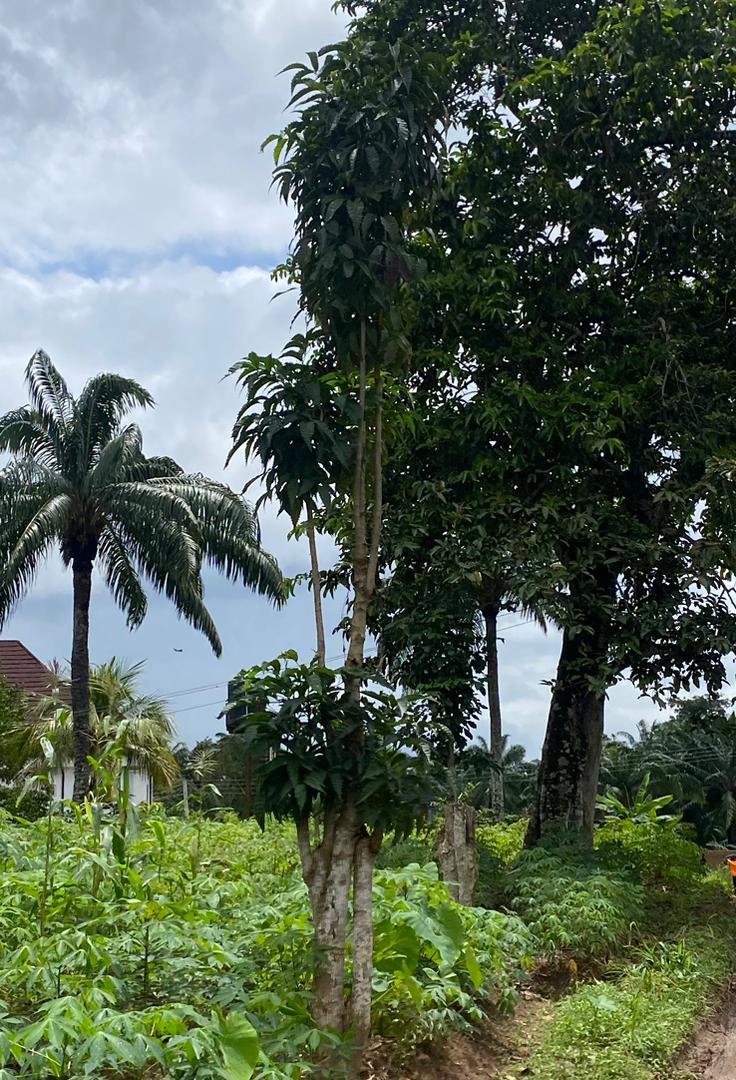
Osisi Ogilisi
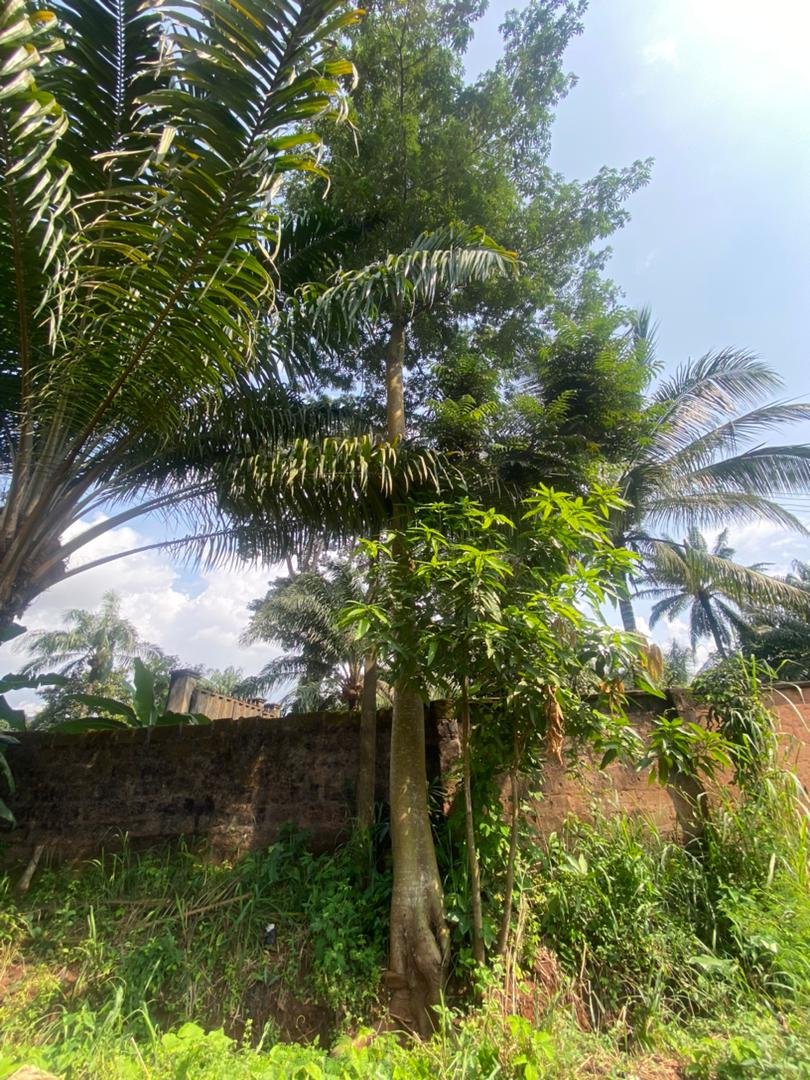
Osisi Akpu (B)
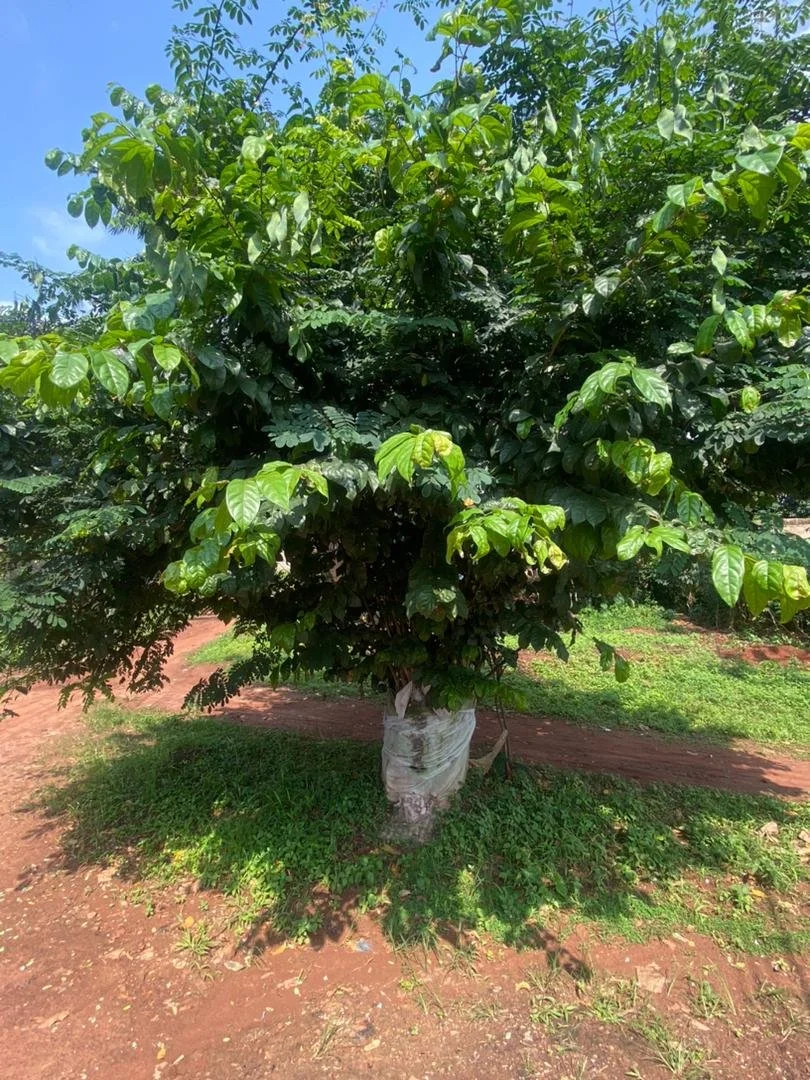
Osisi Abosi.
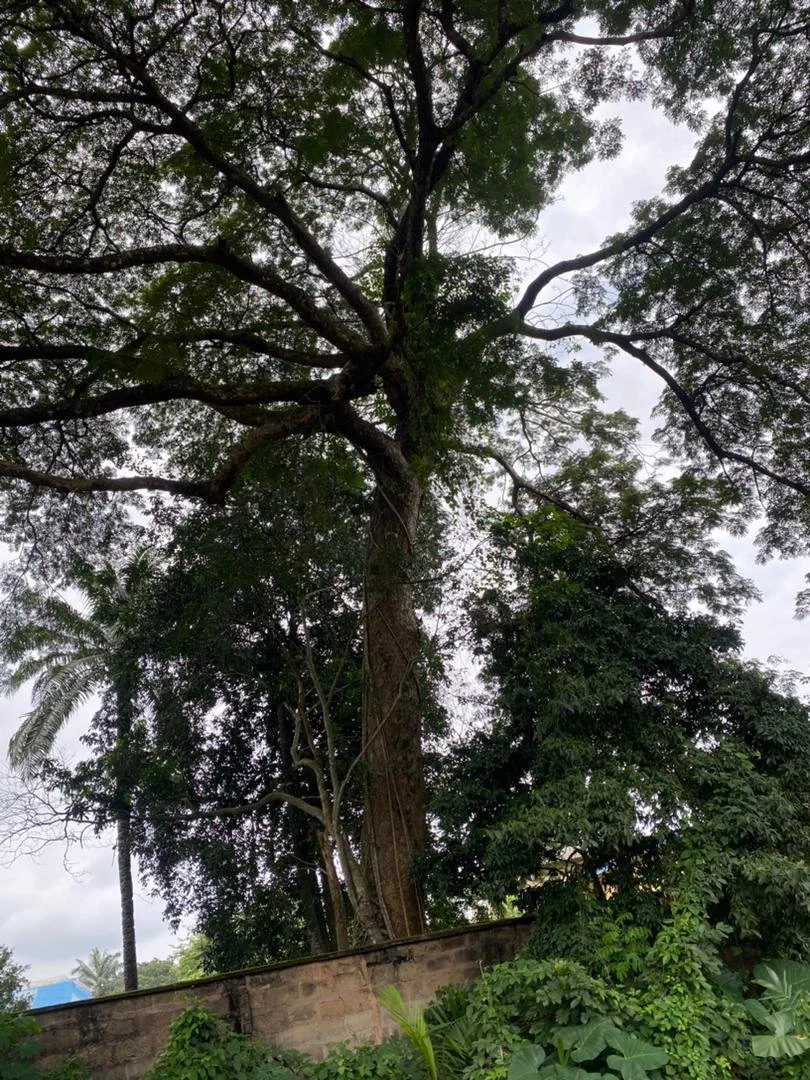
Osisi Ngwu (Ngwu Tree)
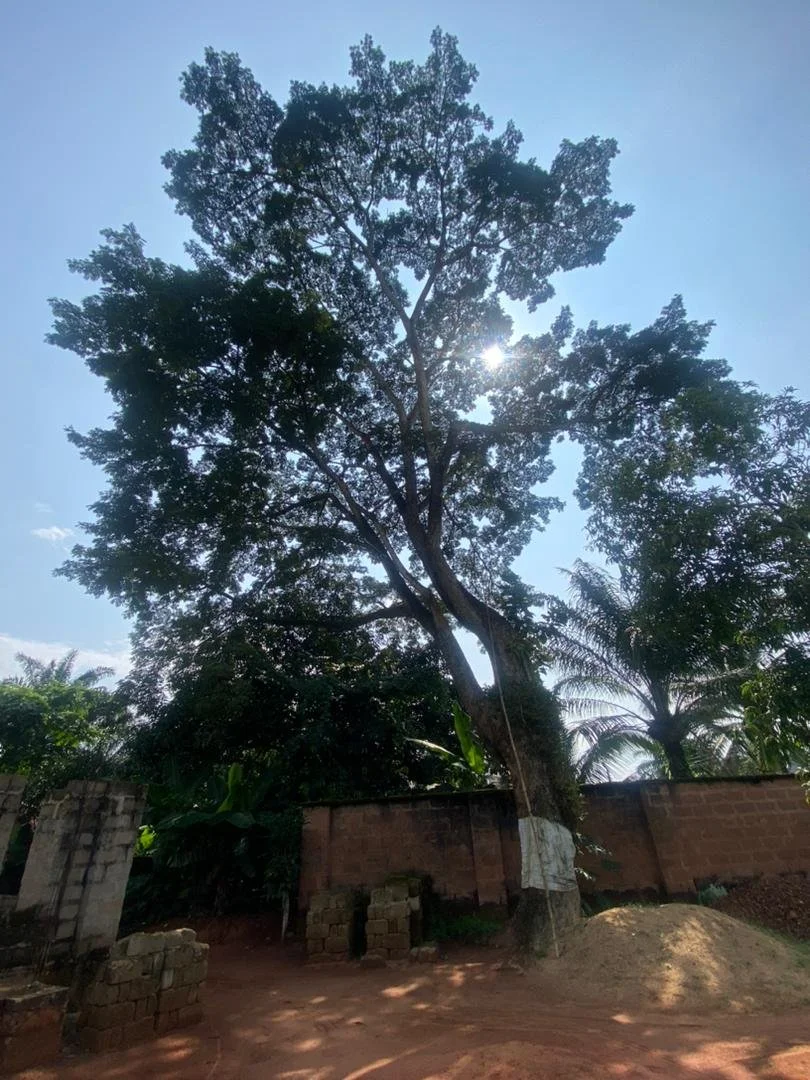
Osisi Ngwu II
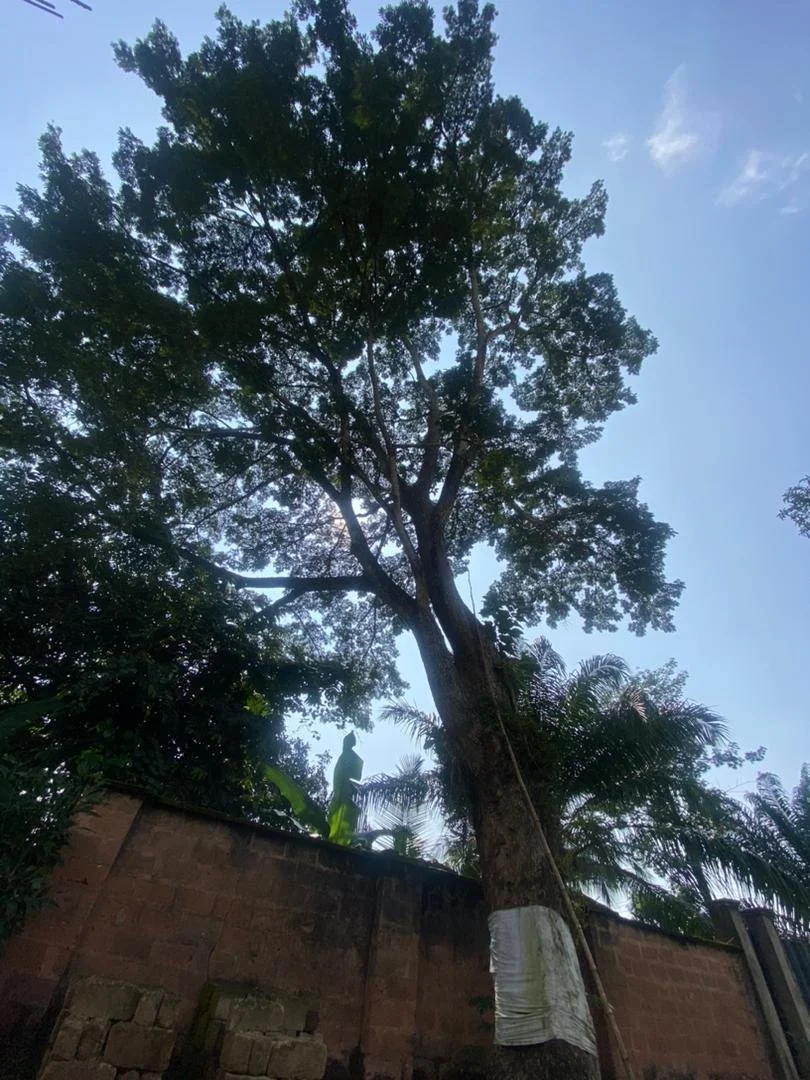
Osisi Ngwu II
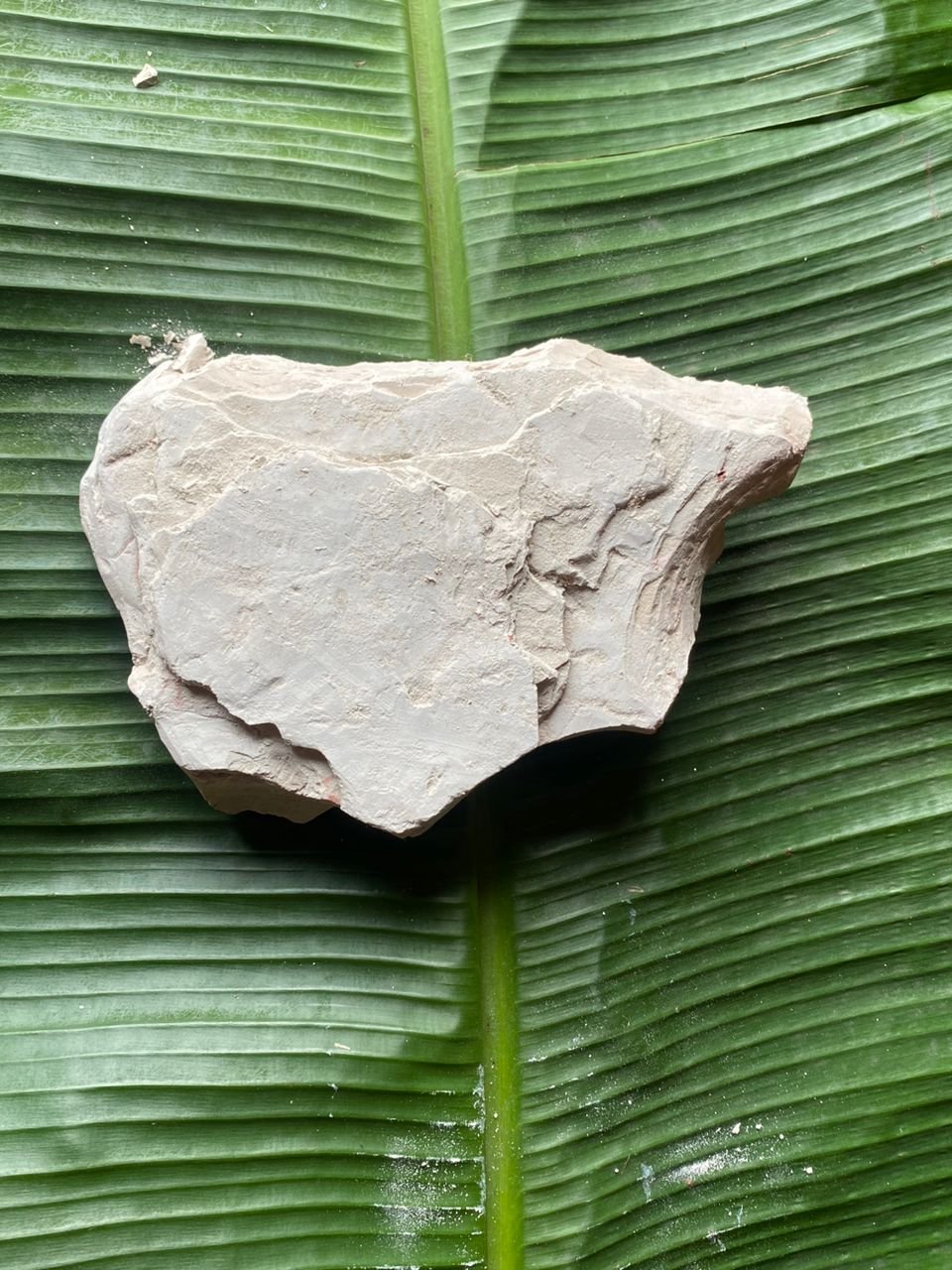
White colored Nzu Ndiichie, harvested directly from the earth in its natural state and highly sought after for use in rituals.
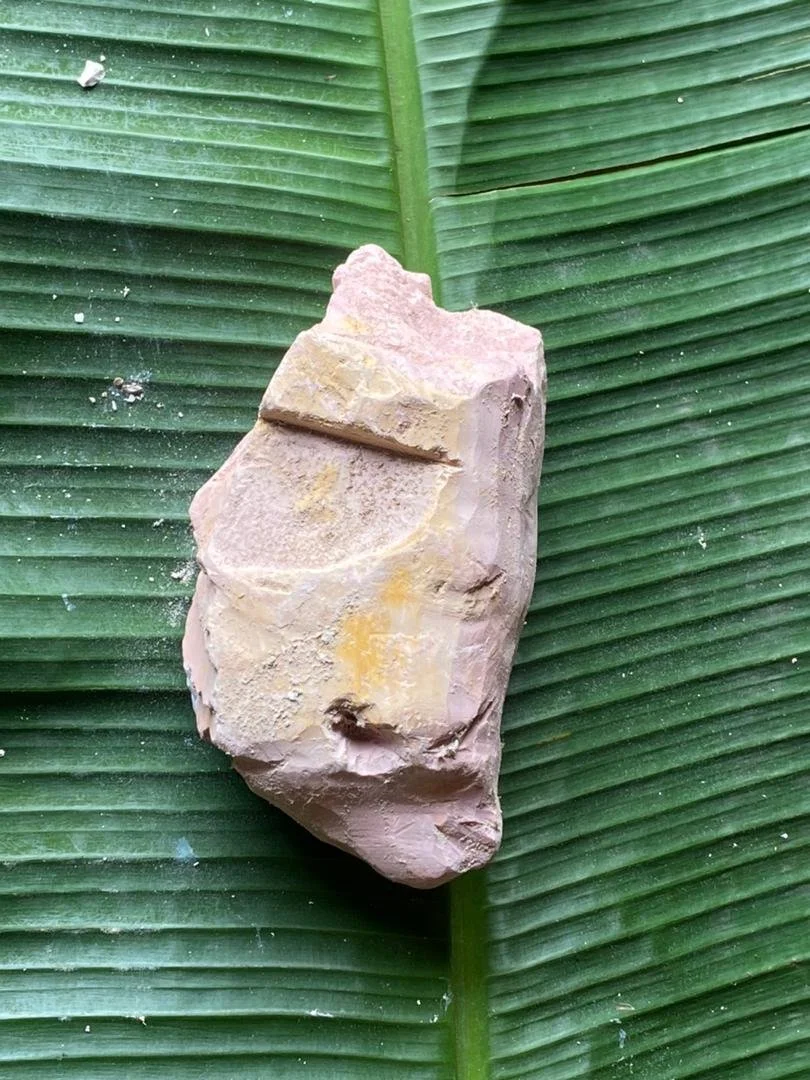
Colored Nzu Ndiichie, primarily used during rituals and petitions to deities.
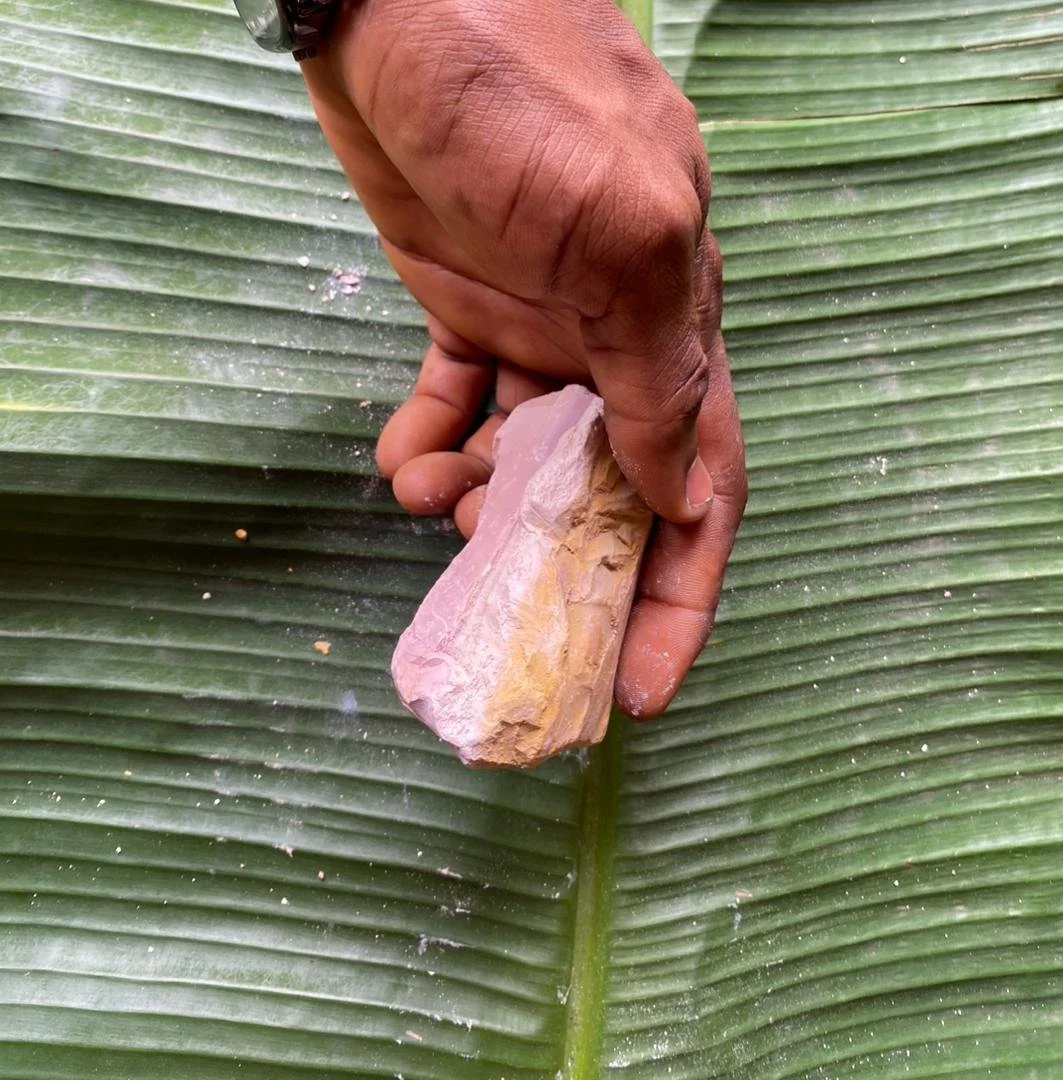
Multi-colored Nzu, harvested directly from the earth in its natural state.
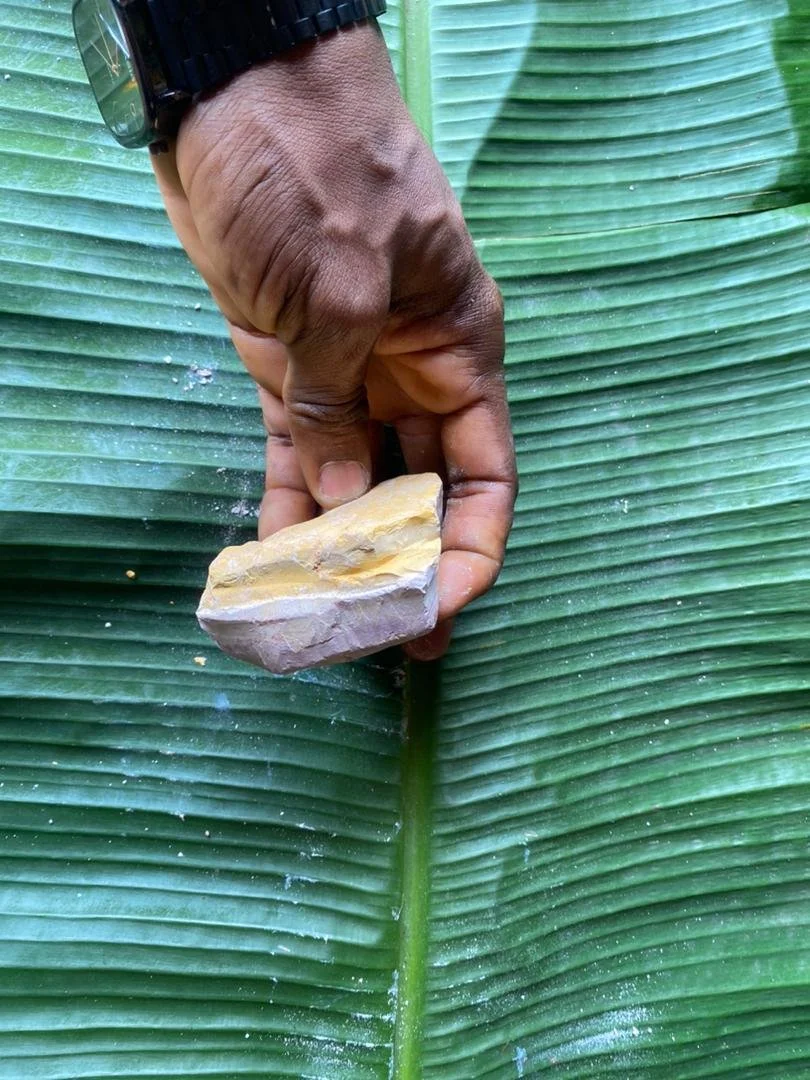
Multi-colored Nzu (b), harvested directly from the earth in its natural state.
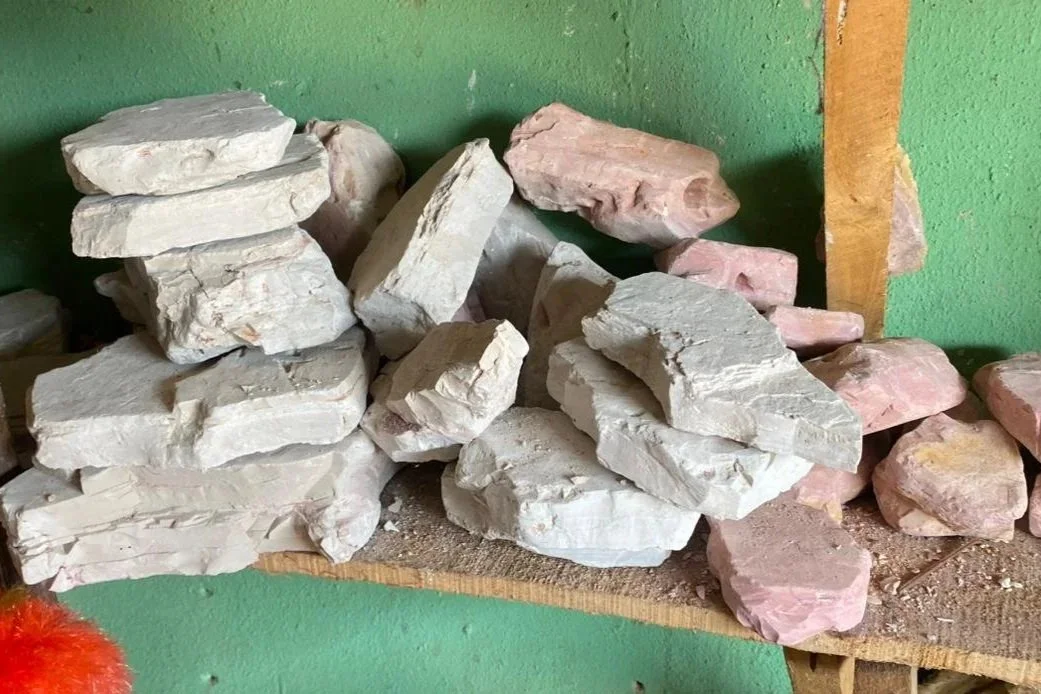
Varieties of Nzu Ndiichie.
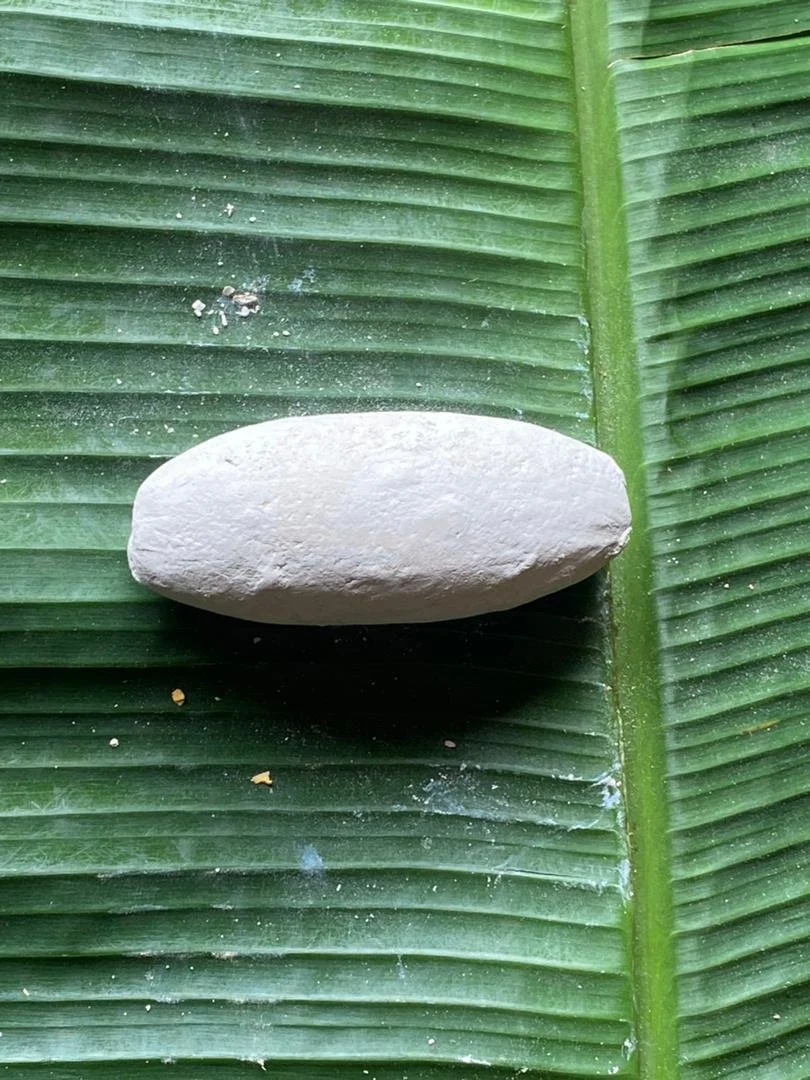
Nzu Nwoke or Nzu Akpulakpu (Handcrafted Nzu): Commonly called "male" Nzu, this processed form is handcrafted rather than directly mined.
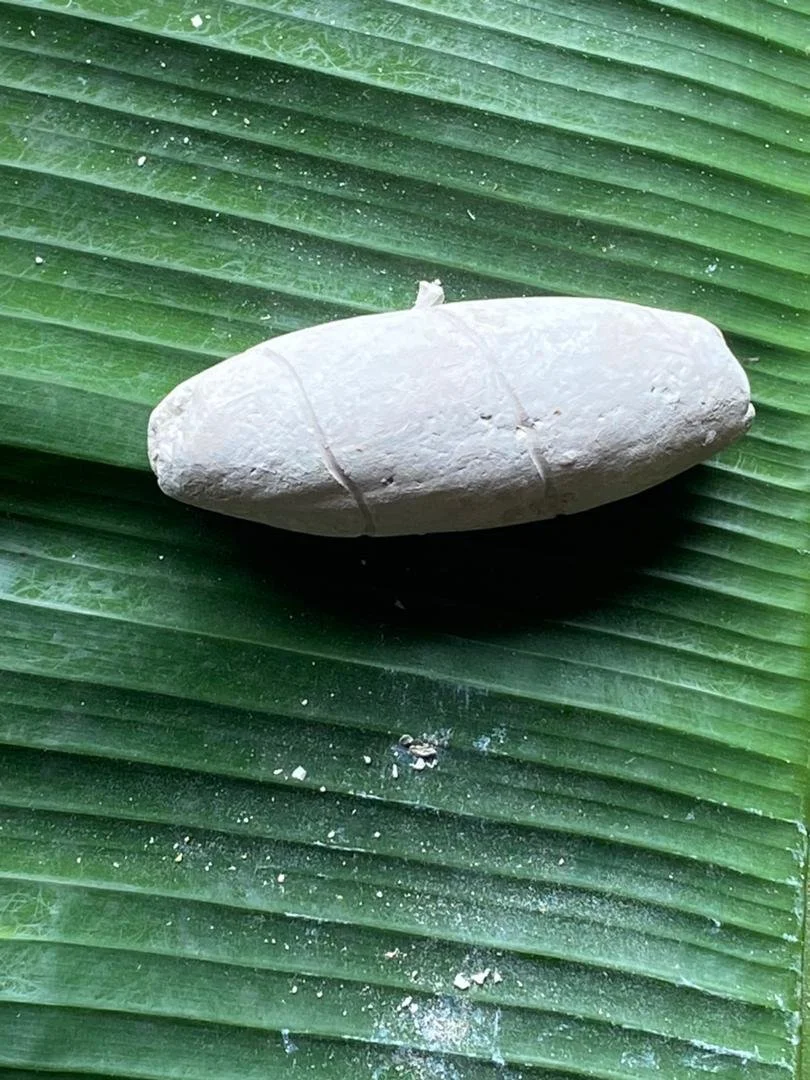
Nzu Nwanyi or Nzu Akpulakpu (Handcrafted Nzu): This is commonly called "female" Nzu, this processed form is handcrafted rather than directly mined.
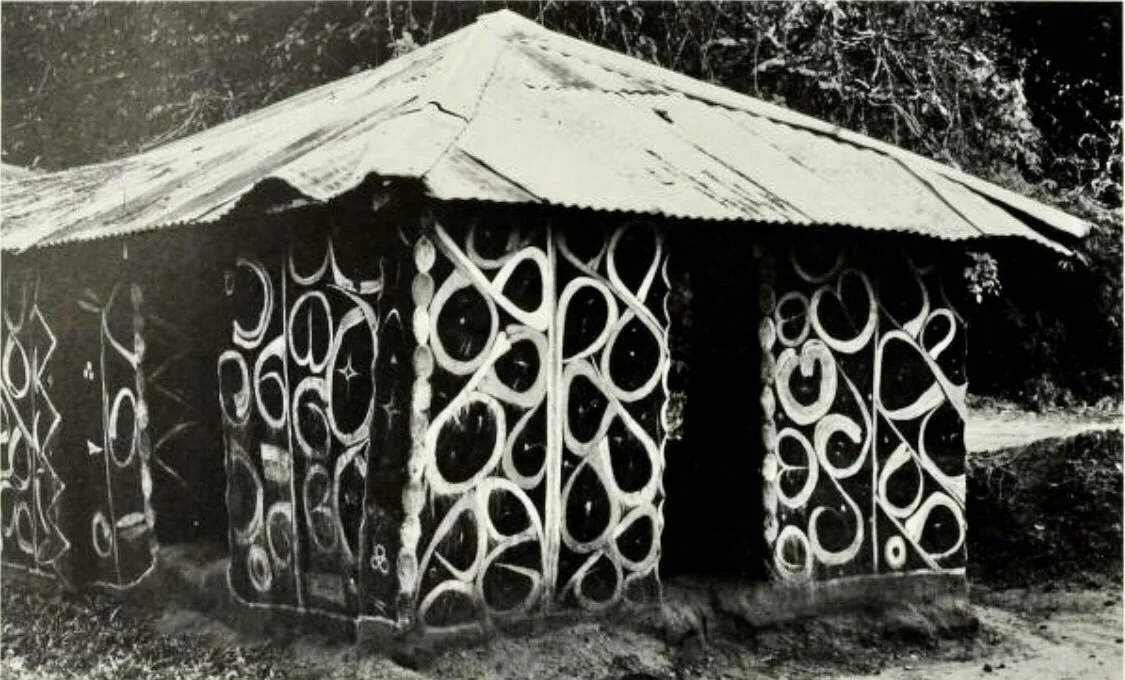
Eke shrine in Uke, circa 1966. 📸: Herbert Cole.
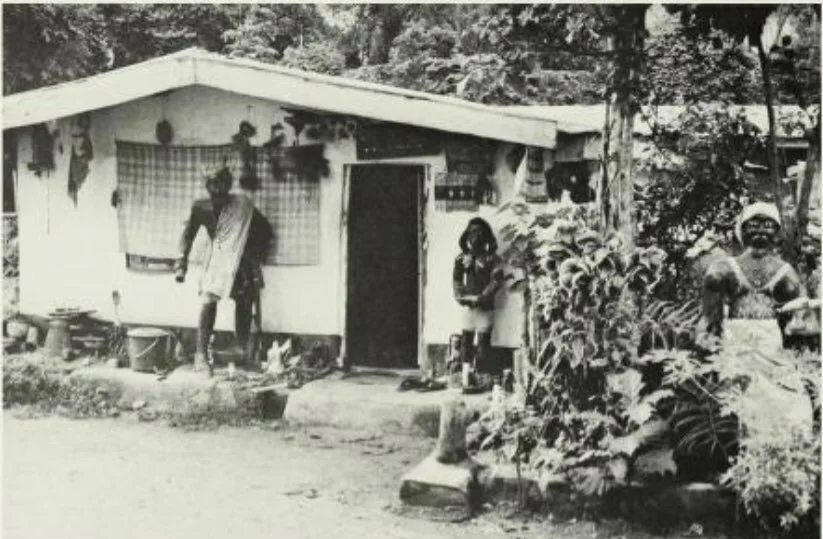
Outdoor shrine belonging to Christopher Unigwe of Ulakwo, Etche, 1983. 📸: Herbert Cole.
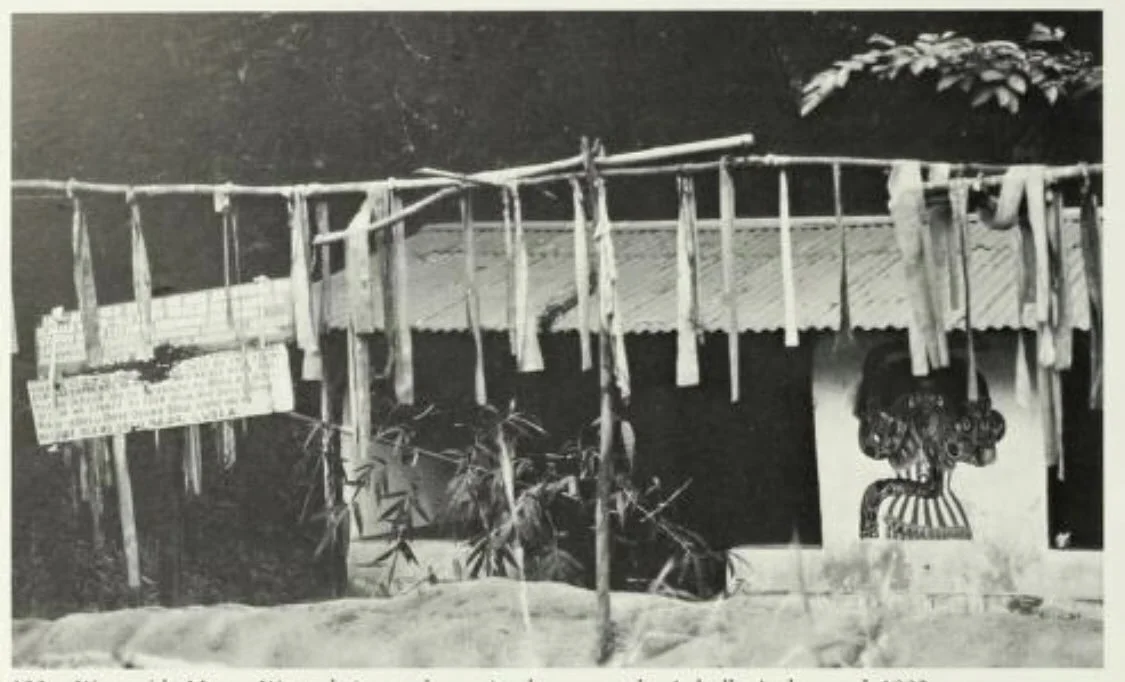
Waterside Mami Wata shrine and meeting house on the Achalla-Awka road, 1983. 📸: Herbert Cole.
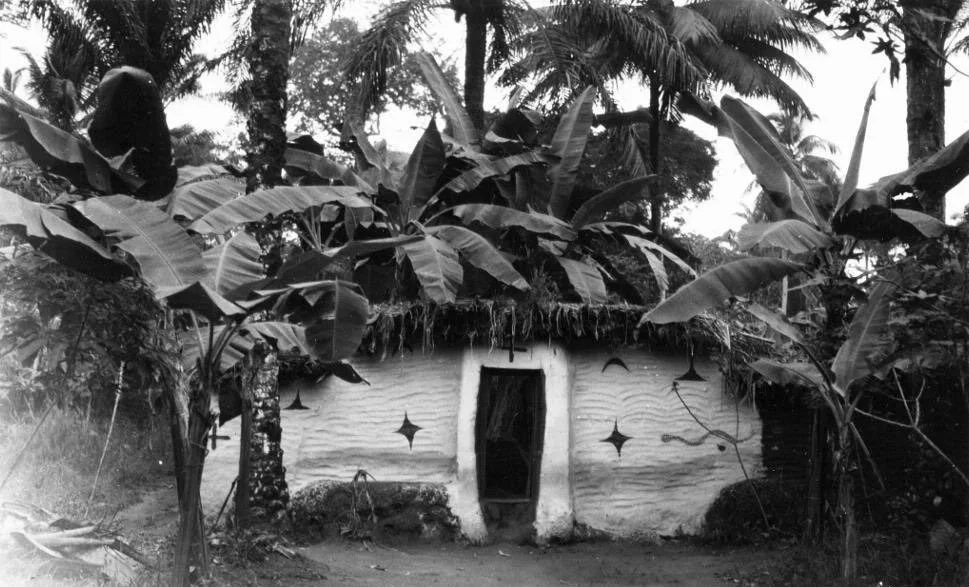
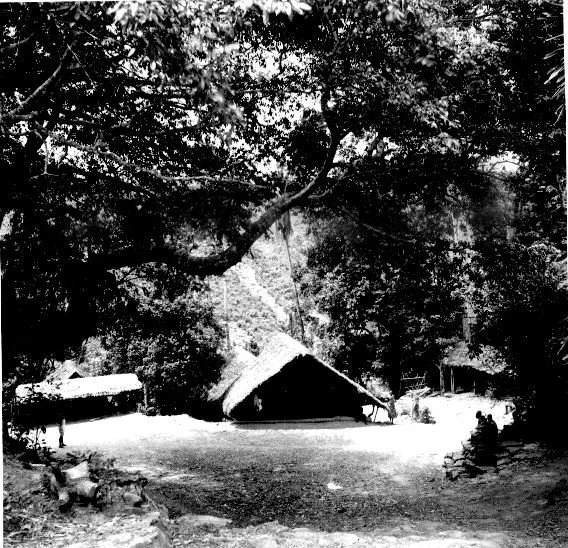
Igbo shrine house 📸: Gustaf Bolinder, 1930-31.
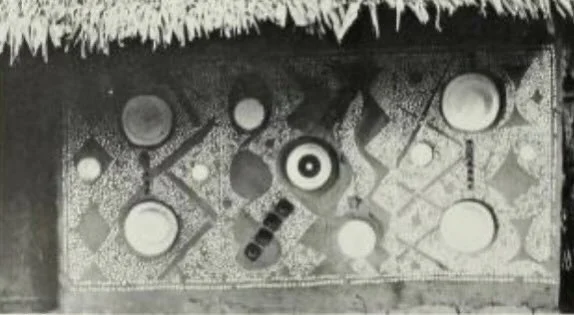
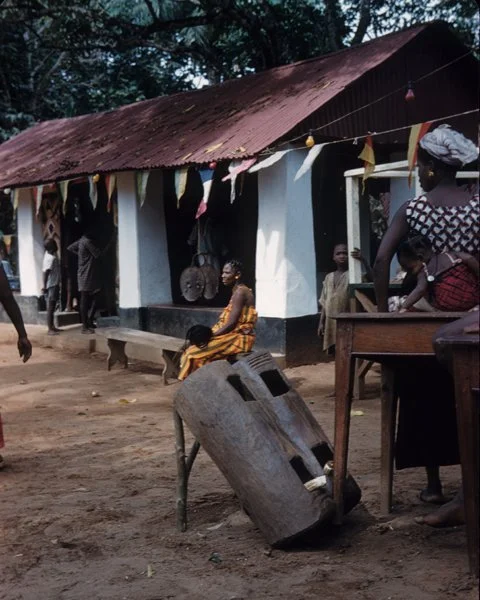
Facade of building in Ahaoda. 📸: K.C. Murray 1950s.
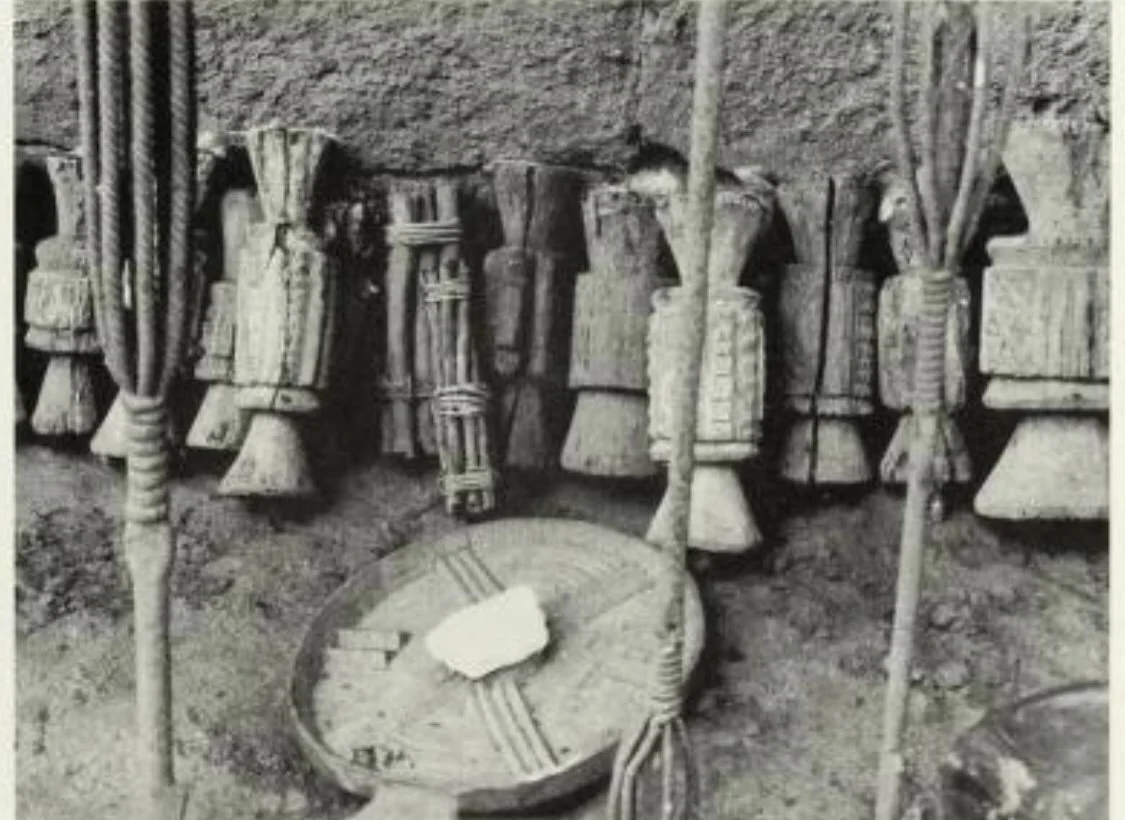
“Okposi, bound Umuada "daughters" sticks, a chalk serving plate, and details of wrought-iron staff.” Ezeagulu, Agulueri, 1983. 📸: K.C. Murray.
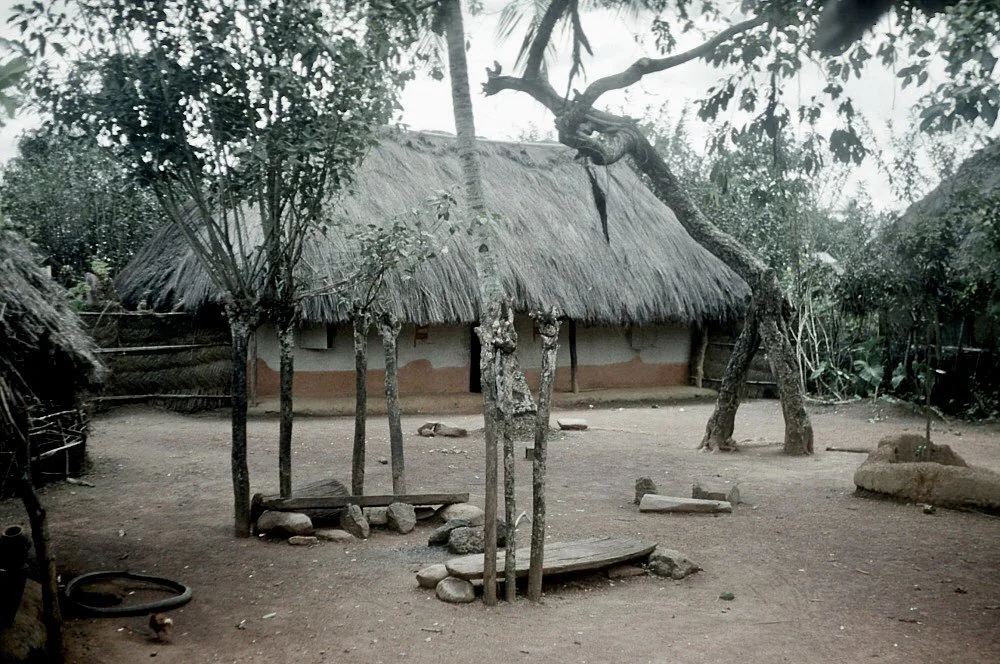
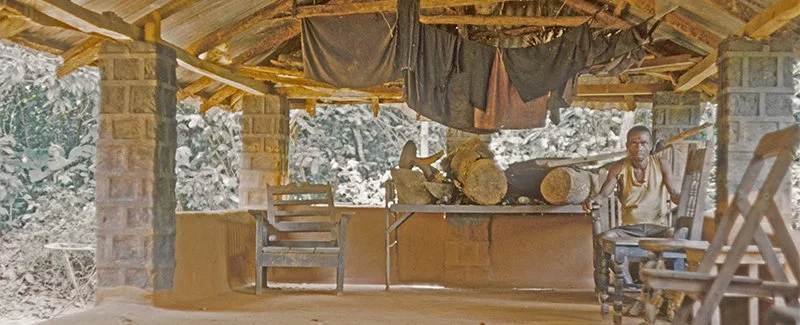
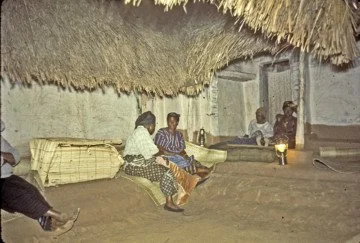
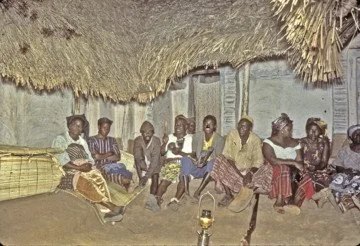
Interior of a compound in Afikpo Village-Group, now Ebonyi State. 📸: Simon Ottenberg, 1959-60. Smithsonian.
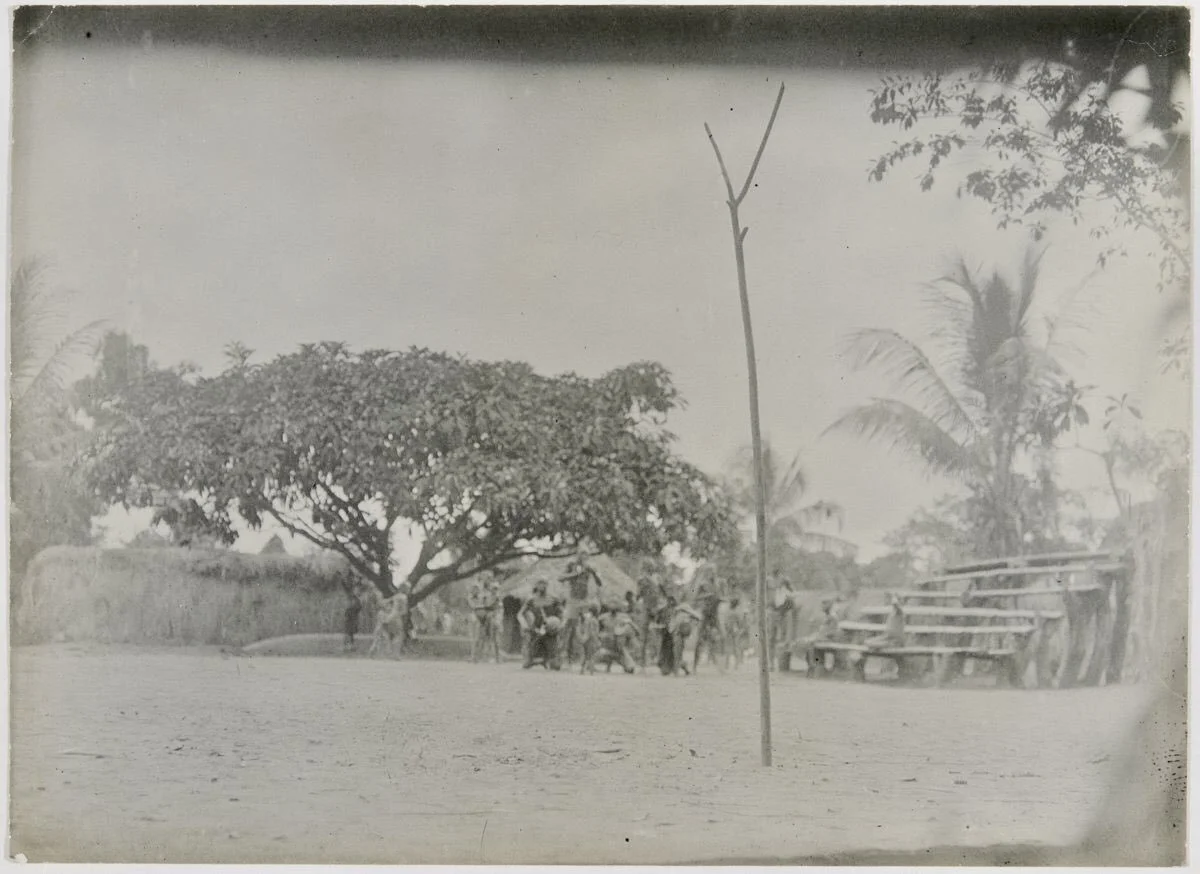
Village square at Igbariam, 📸: Northcote Thomas between 1910 and 1911.
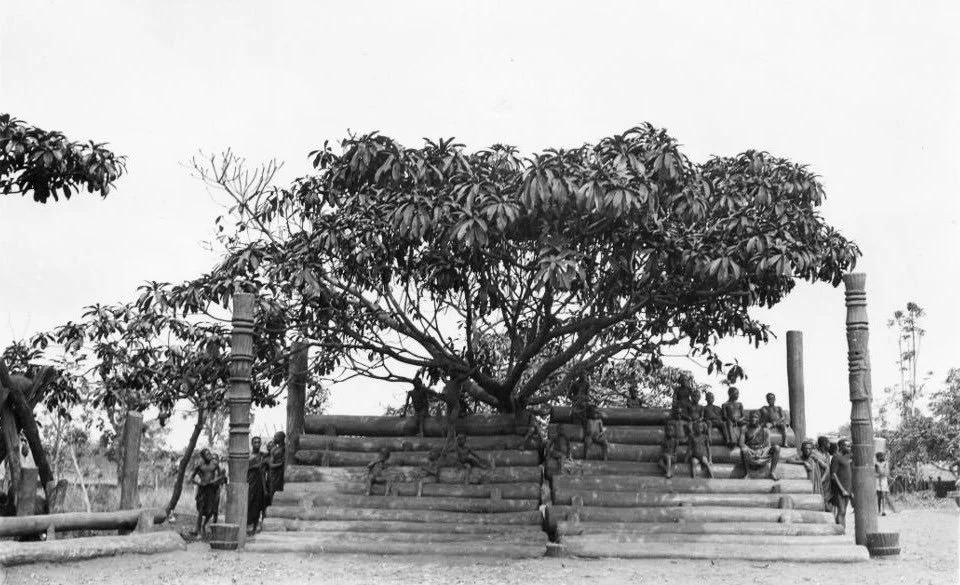
An Igbo village square. 📸: Gustaf Bolinder, 1930s.
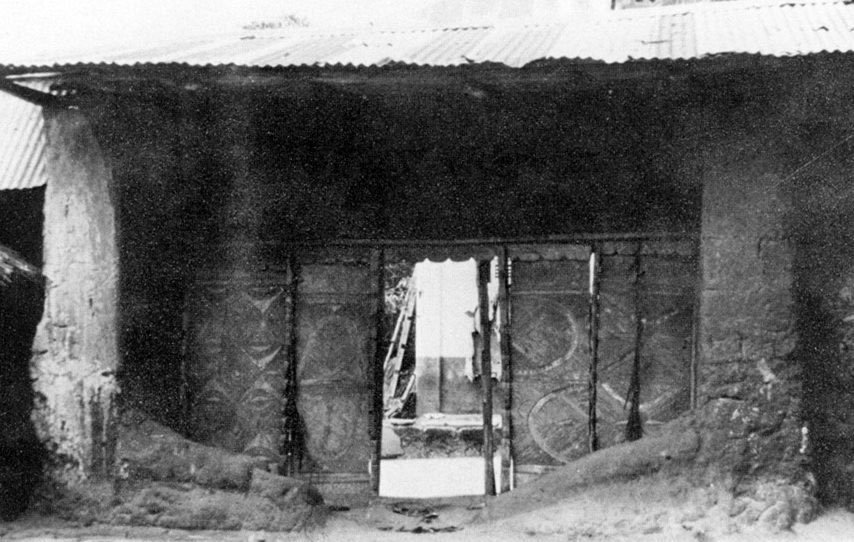
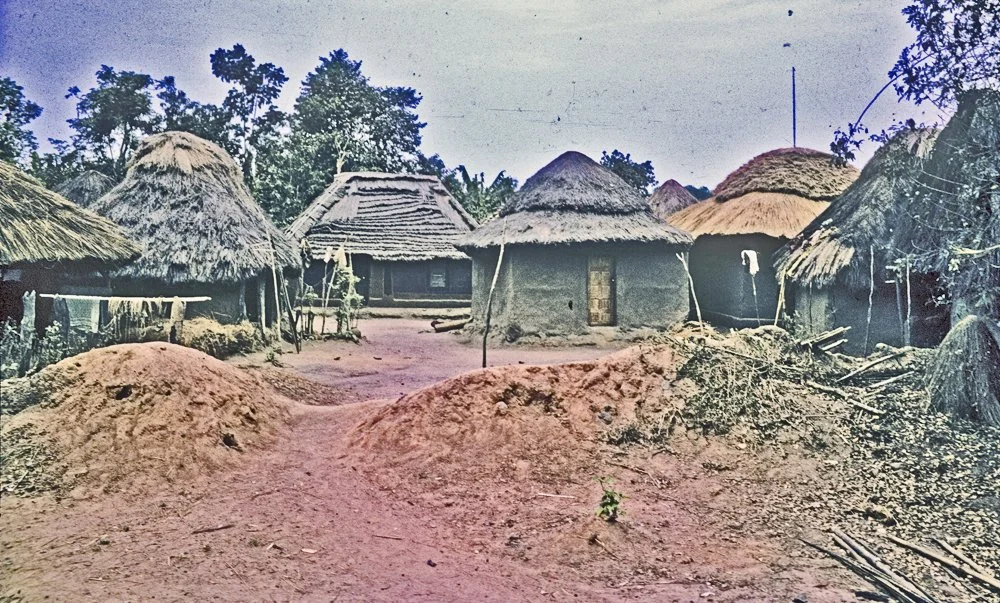
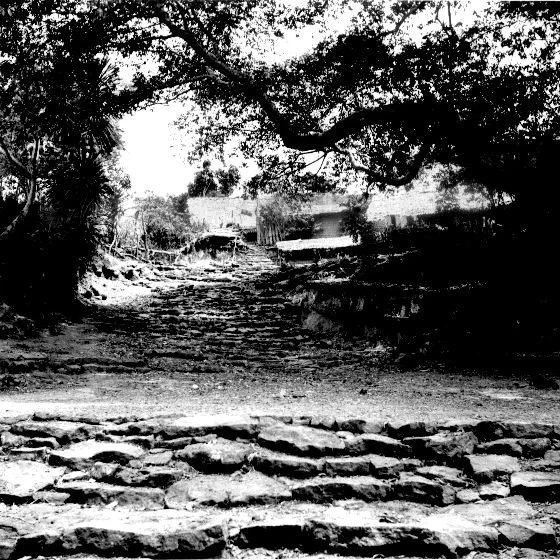
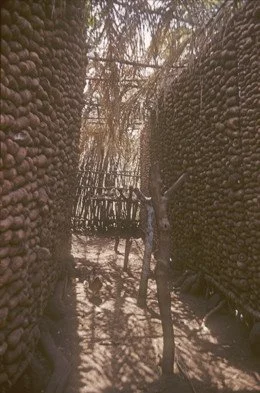
Entrance to a compound in Agukwu Nri. 📸: Nancy C. Neaher, July 1978.
![Mbari votive shrine overtaken by a termite nest. Owerri area, Urata-Igbo [Oratta] c. 1960s. 📸: Zbigniew Dmochowski.](https://images.squarespace-cdn.com/content/v1/667099650b8ef12fccbce837/76bcf86b-39d5-4827-a463-35dfdf9f69e3/mbari+shrine.jpg)
Mbari votive shrine overtaken by a termite nest. Owerri area, Urata-Igbo [Oratta] c. 1960s. 📸: Zbigniew Dmochowski.
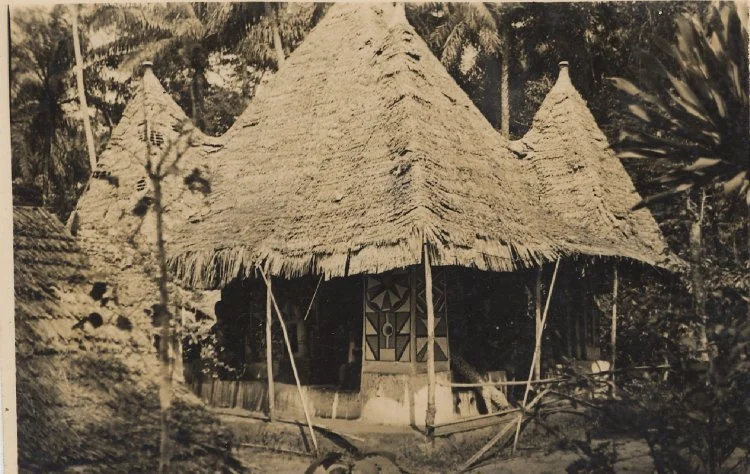
Urata-Igbo Mbari votive shrine.

Obwo obodo marks Iwaji festival Onitsha Olona 📸: Northcote Thomas
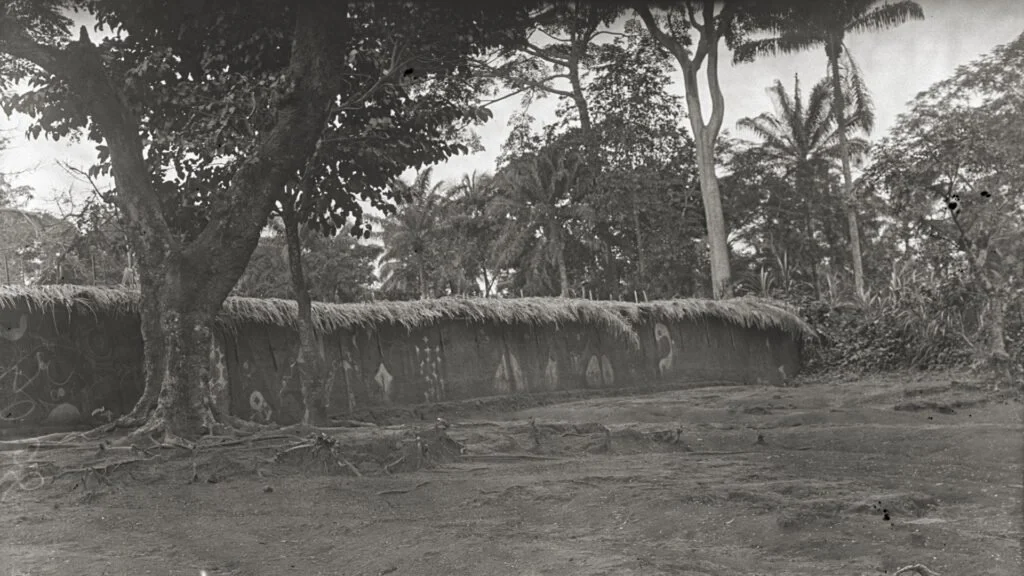
Ngene House Nibo, 📸: Northcote Thomas

Northcote Thomas collections Awgbu

Ngene alusi figure Awgbu, Northcote Thomas.
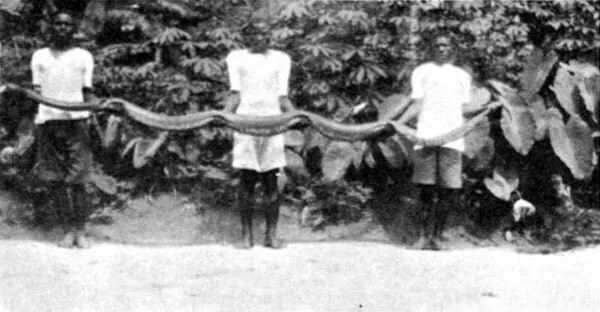
A python (Eke), held by community members. 📸: G. T. Basden, 1912.
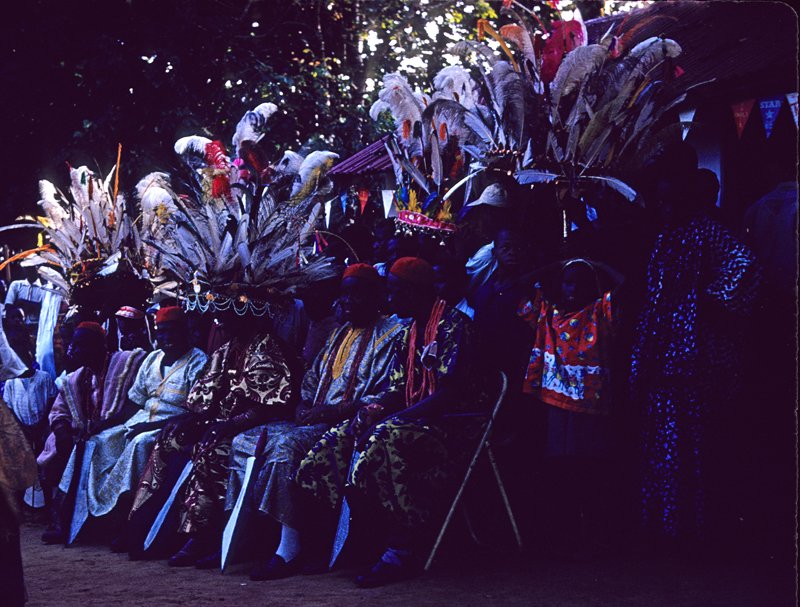
Ofala 1960 Obi Chiefs-obi Okosi 📸: Richard & Helen Henderson.

Compound shrine of a titled Igbo man, Abam, eastern Igbo land.
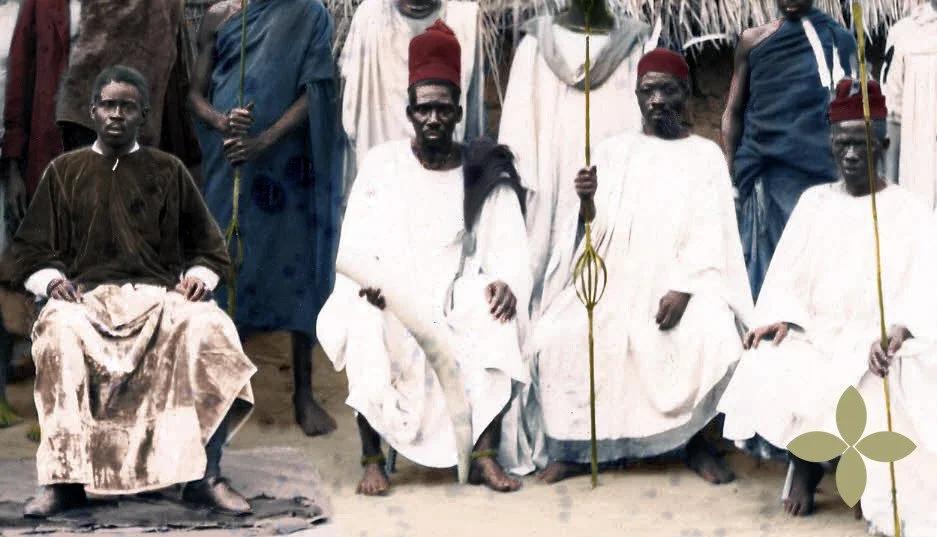
Igbo notables and Ozo staff.
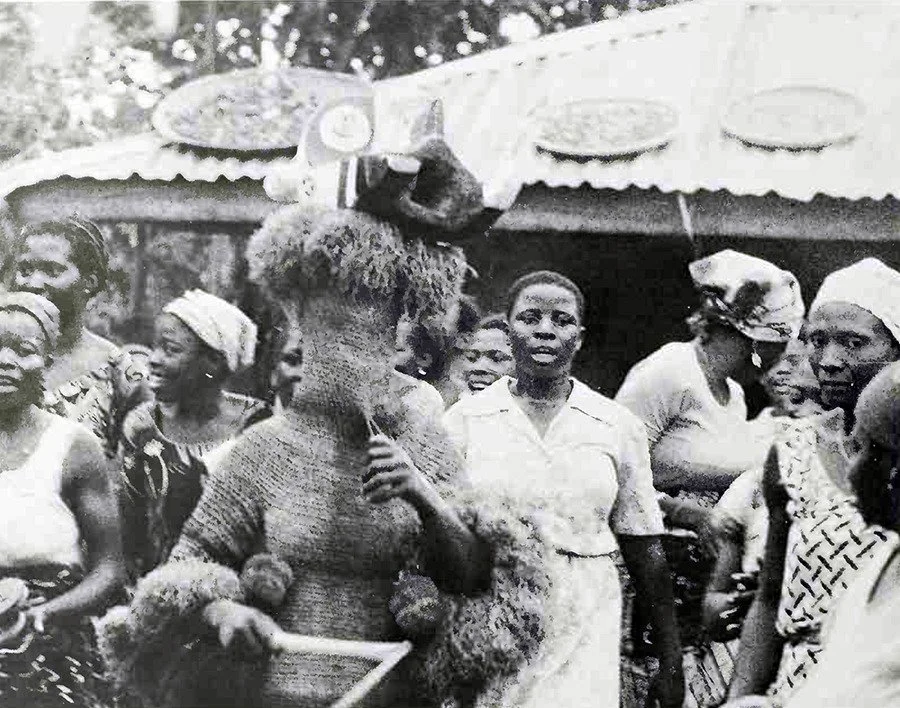
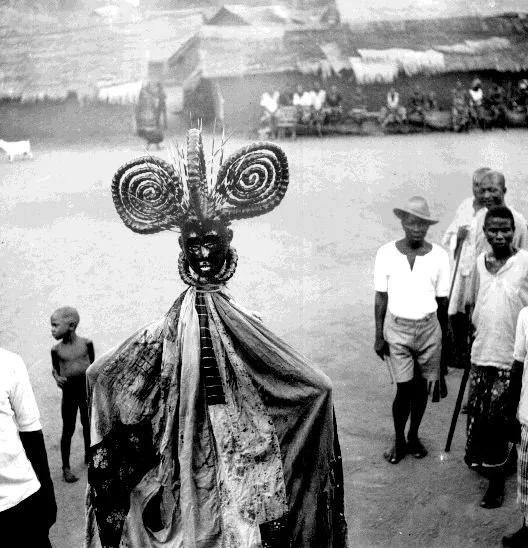
Ogbodo Enyi Female Maskers, A Twist of Tradition.
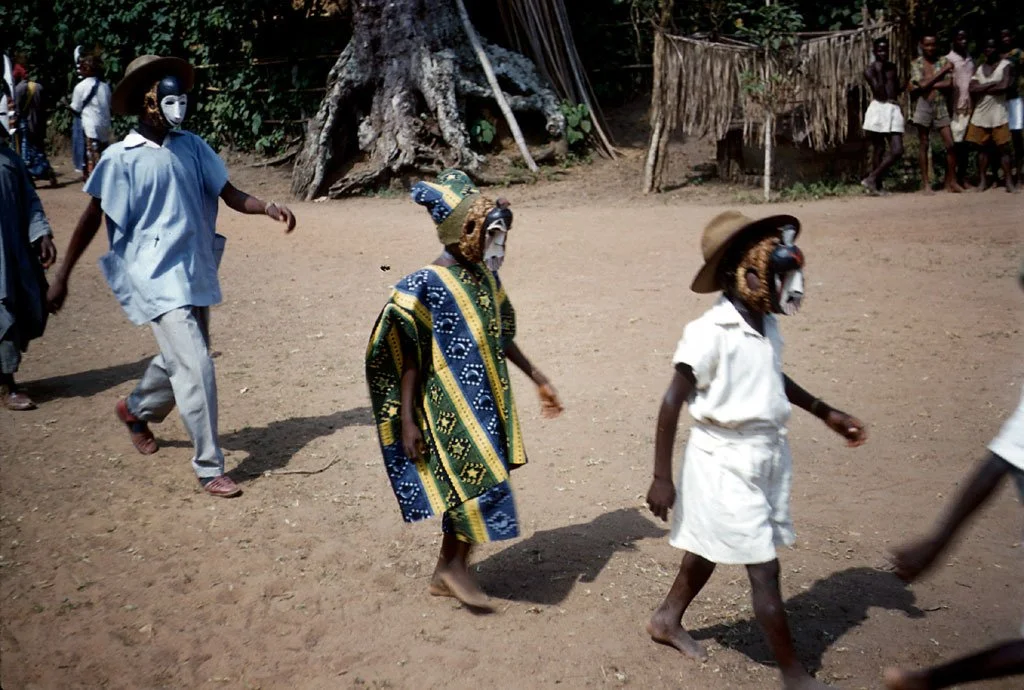
Two small boys toward the end of an njenje.
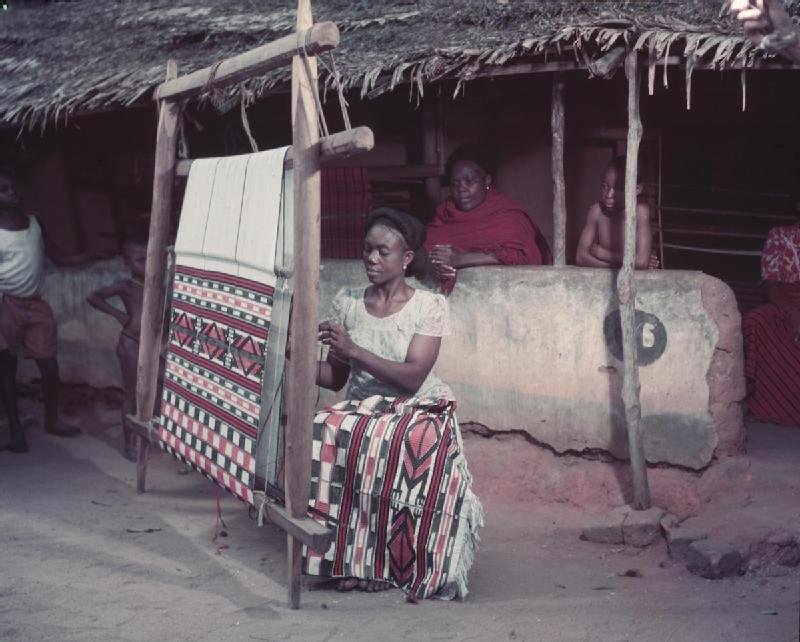
An Igbo woman works at her loom.
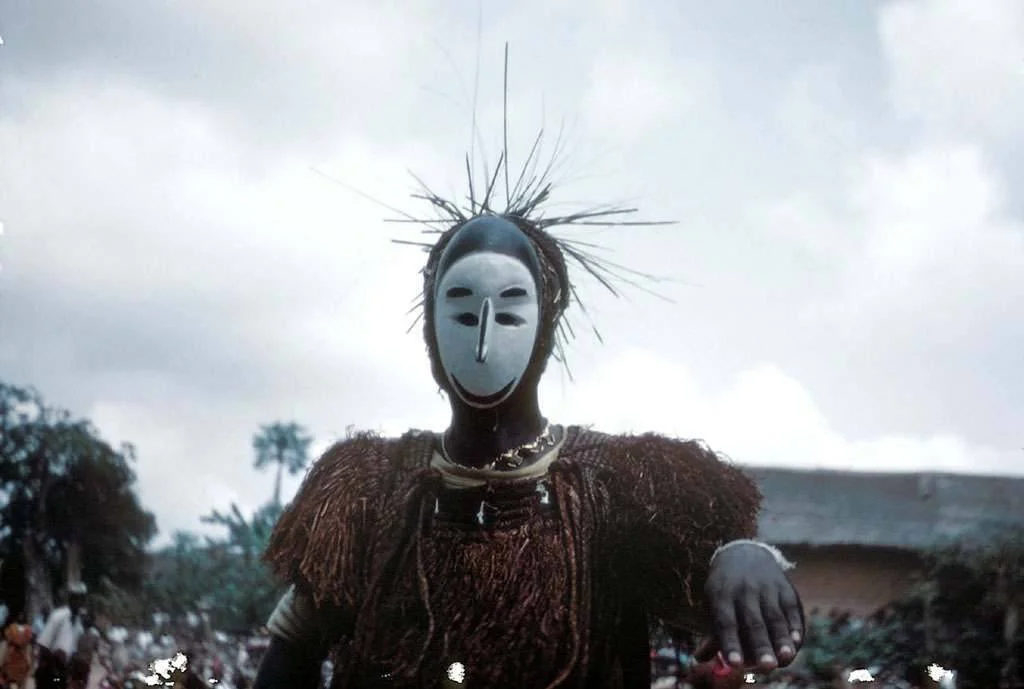
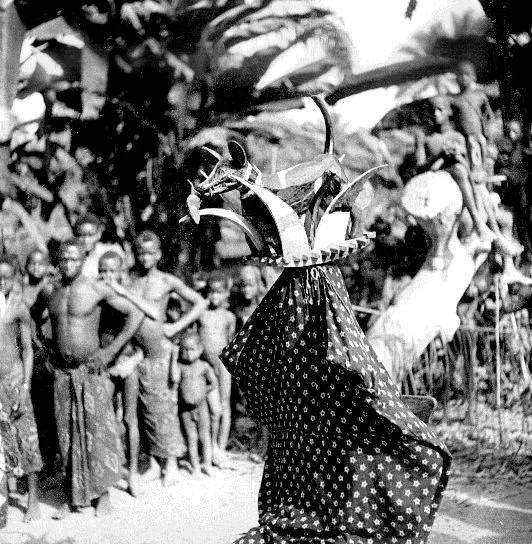
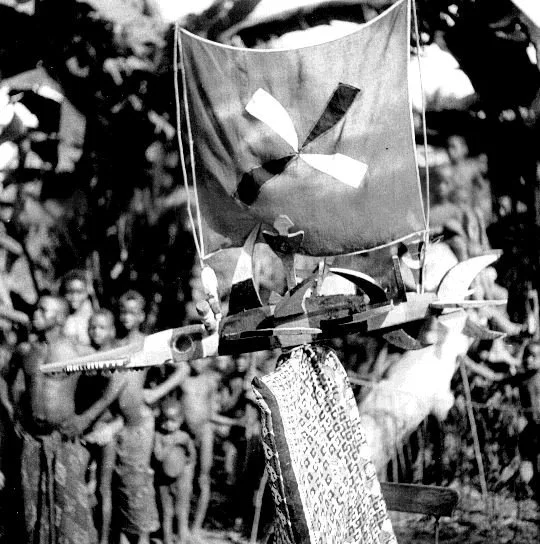
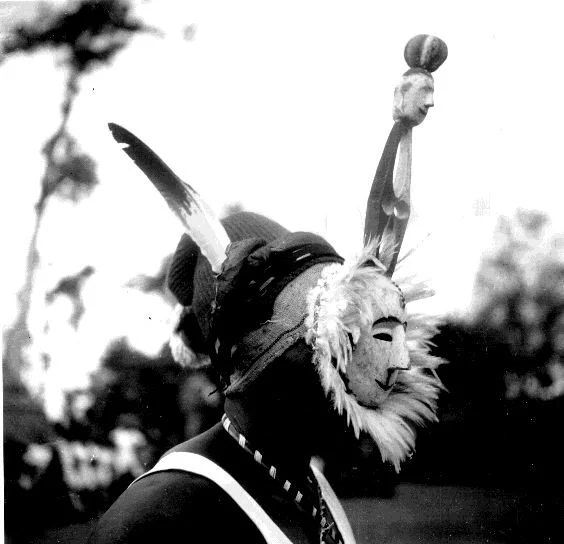
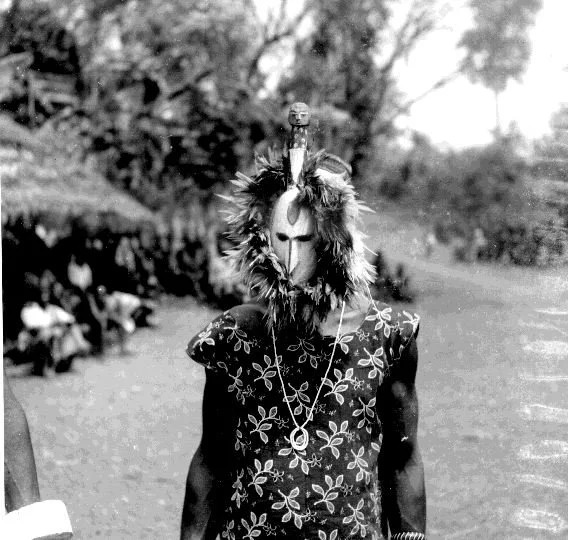
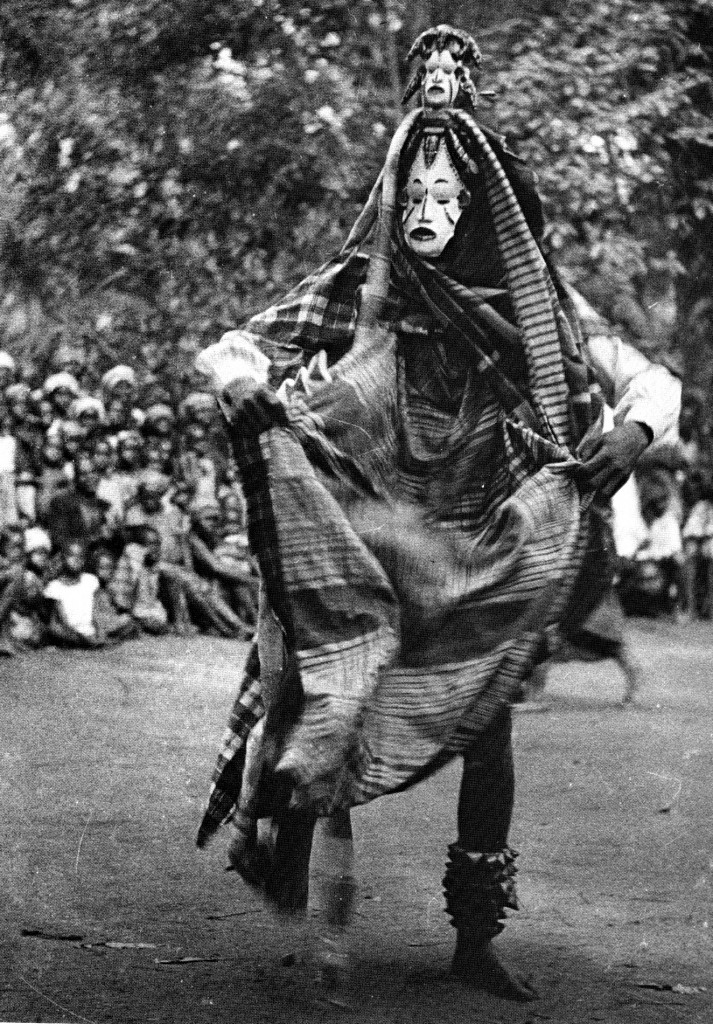
Igbo masquerader wearing the nne mgbo.
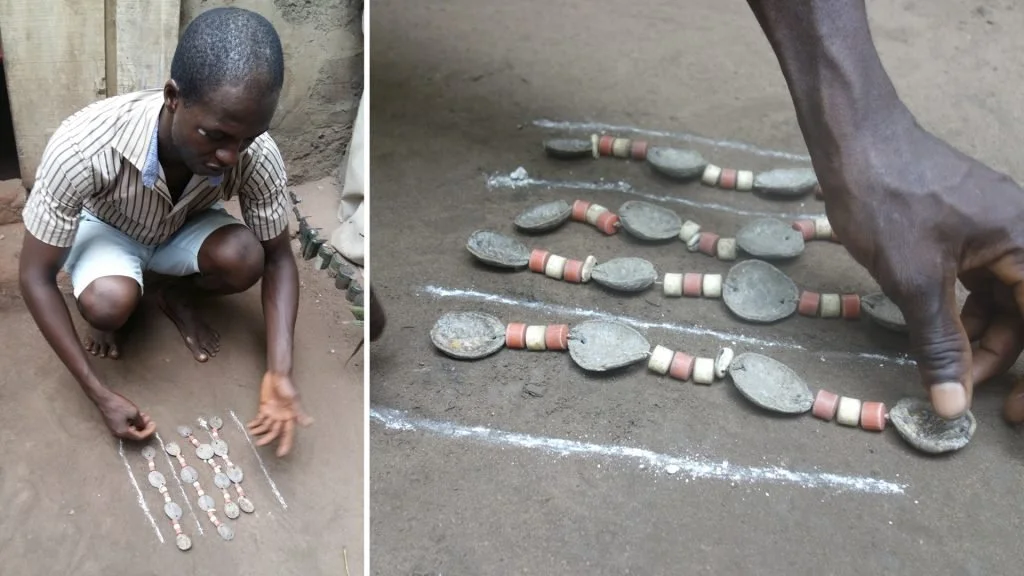
Dibia Nwandu Ebene

📸: Northcote Thomas Nwobu physical type photograph Amansi 1911.
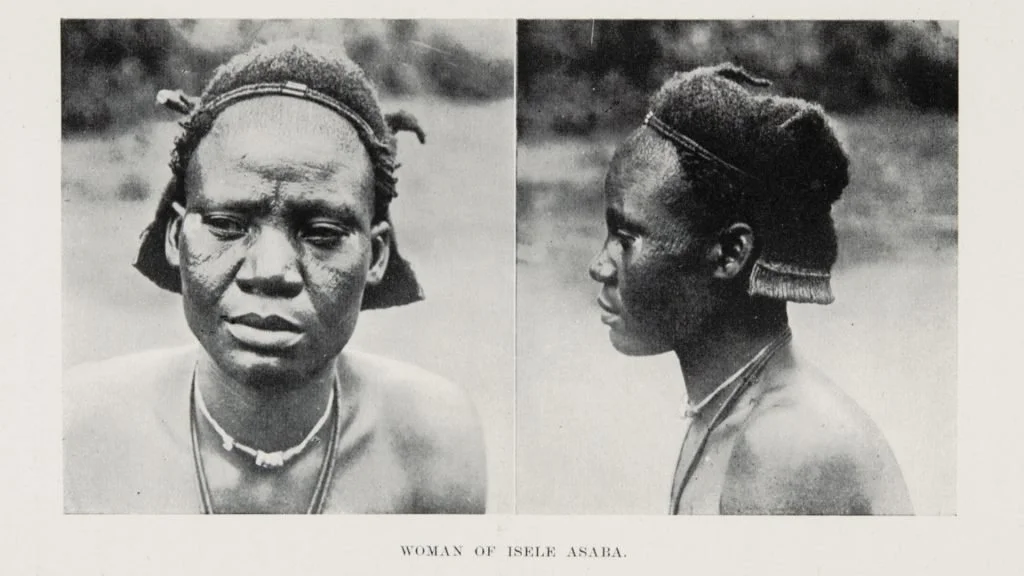
Physical type 📸: Northcote Thomas, Woman of Isele Asaba
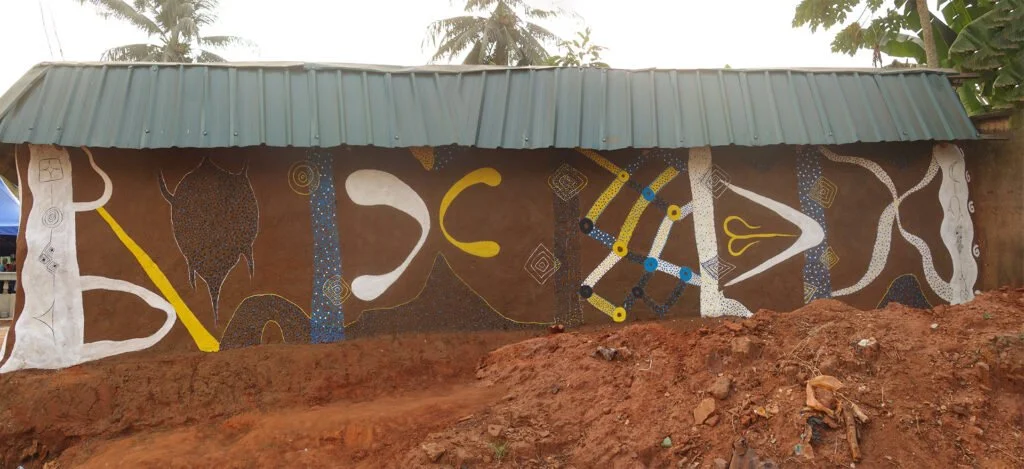
Iyiazi shrine 2018 Nri
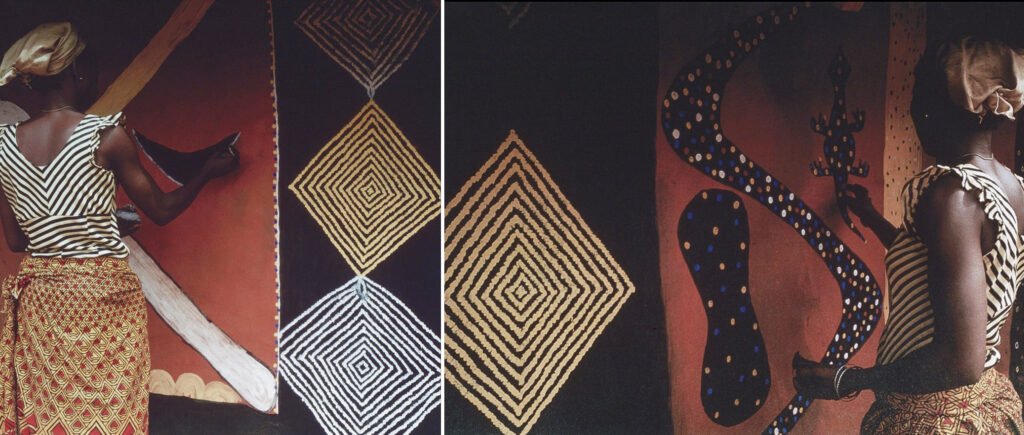
Woman decorating public shrine Nri, 📸: University of California San Diego

Alusi Iyiazi Market House Nri 📸: Northcote Thomas

Alusi Iyiazi Market House Nri 📸: Northcote Thomas
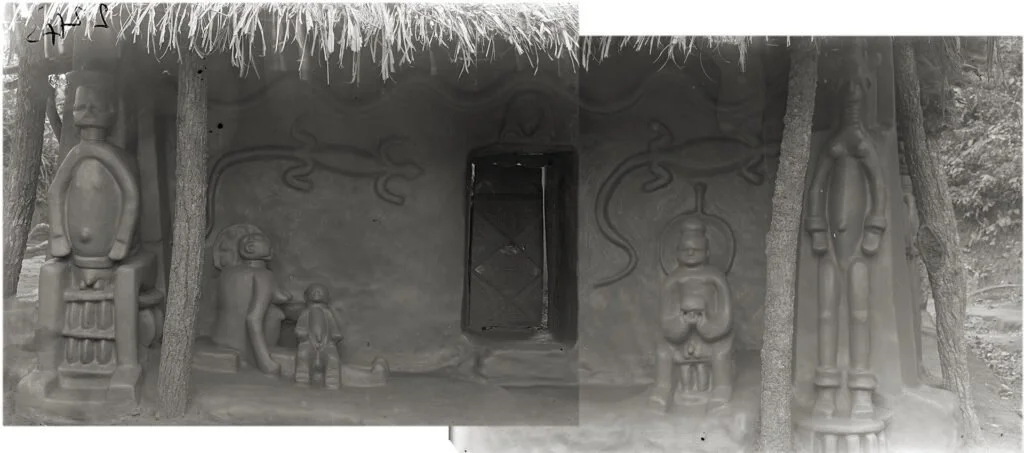
Ochiches House Agulu 📸: Northcote Thomas
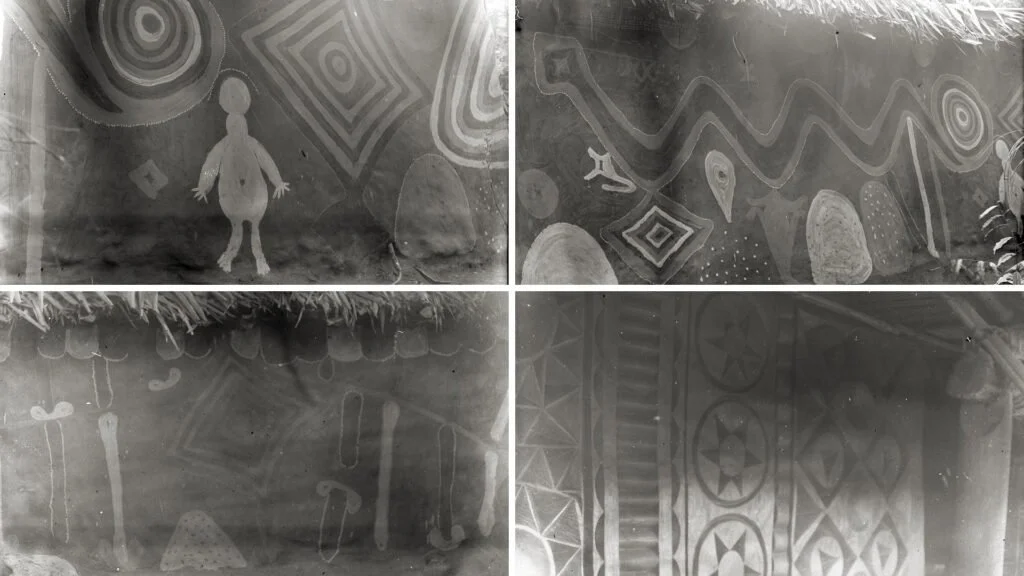
Ogugu House Agulu 📸: Northcote Thomas
Ogugu House Agulu 📸: Northcote Thomas
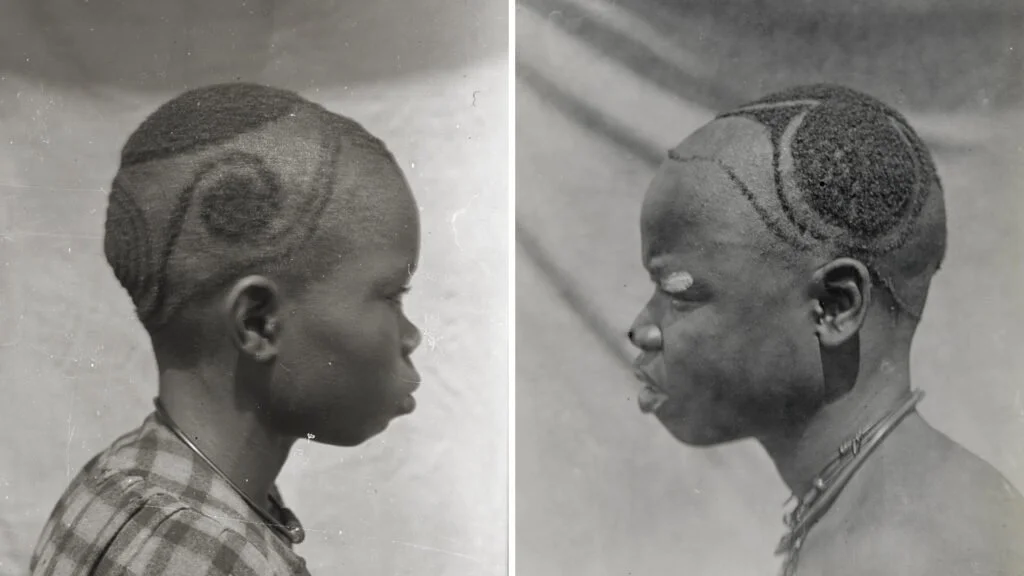
Uli designs in hair 📸: Northcote Thomas
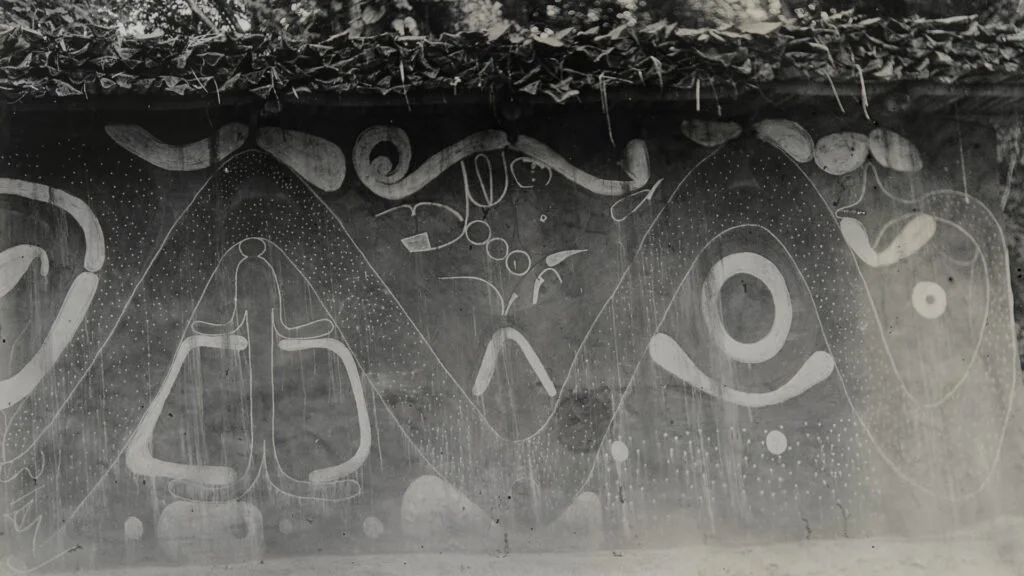
Uli painting on the walls
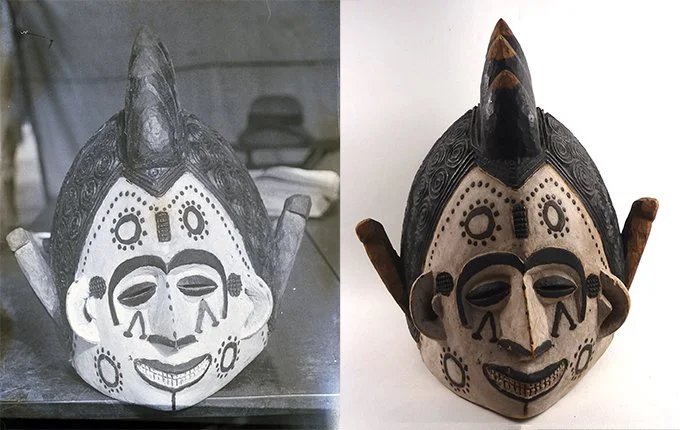
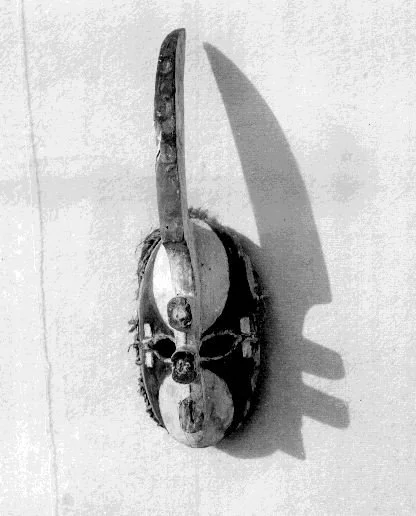
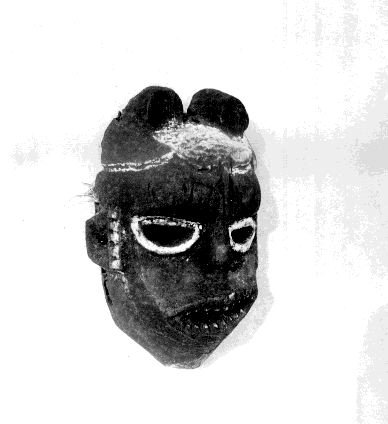
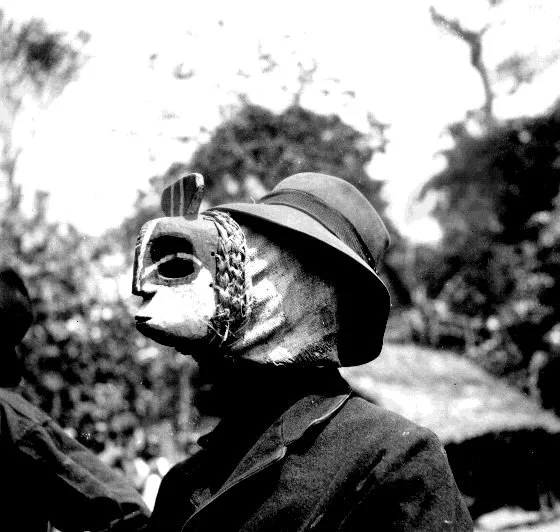
Igbo mask 📸: Northcote Thomas
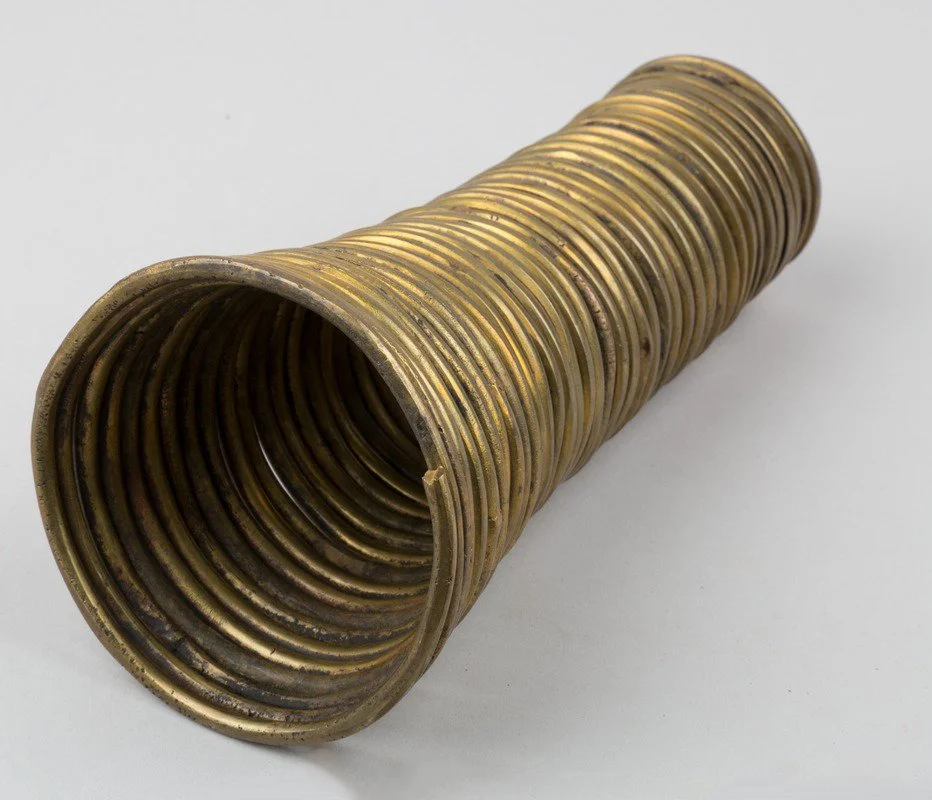
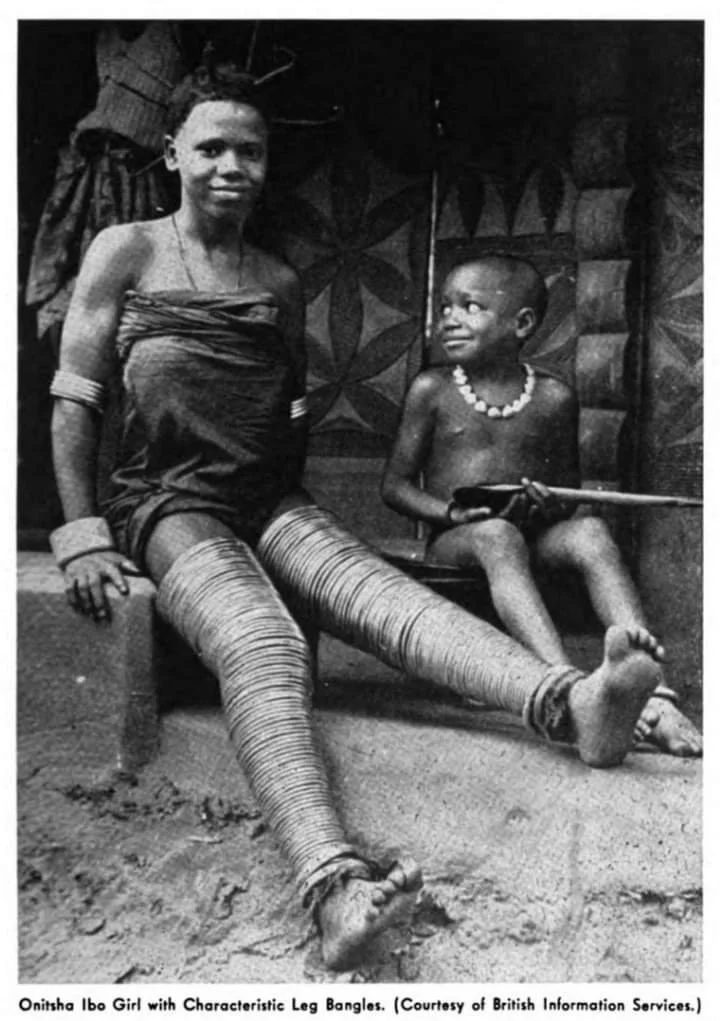
Accessories of a young Igbo girl, leg anklet.

Accessories of a young Igbo girl, bone hair ornament.
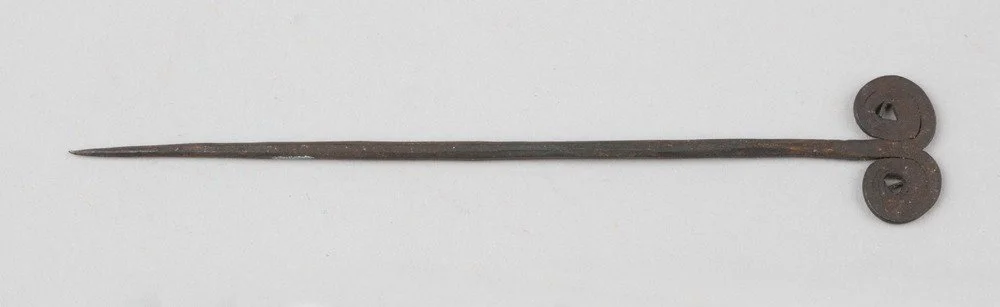
Accessories of a young Igbo girl.
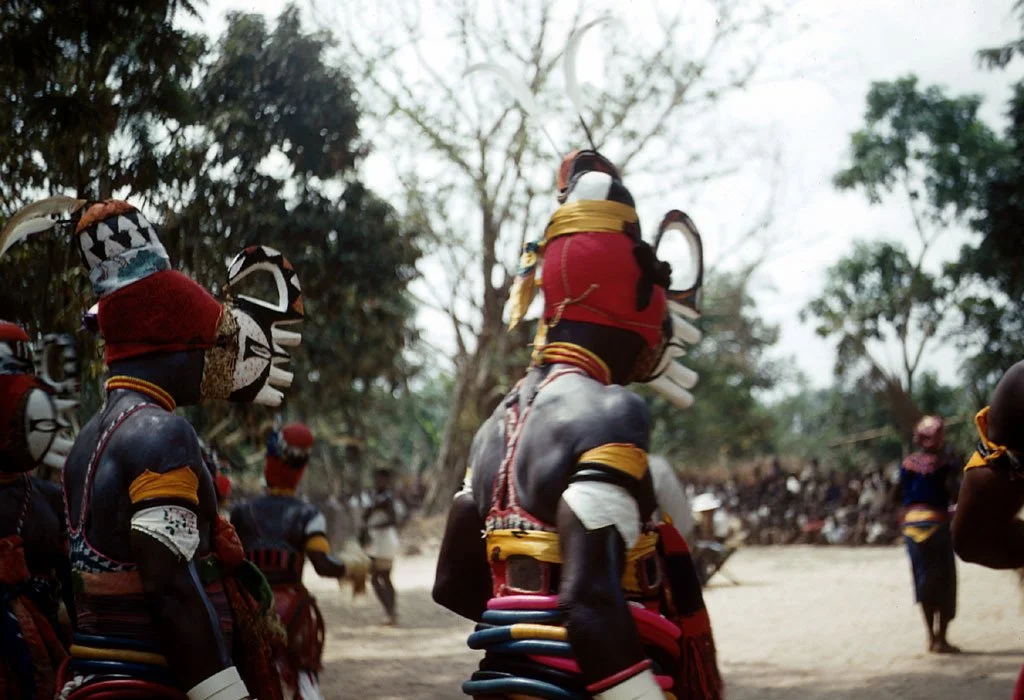
Okpoha Ngodo performance at Okpoha Village Group.
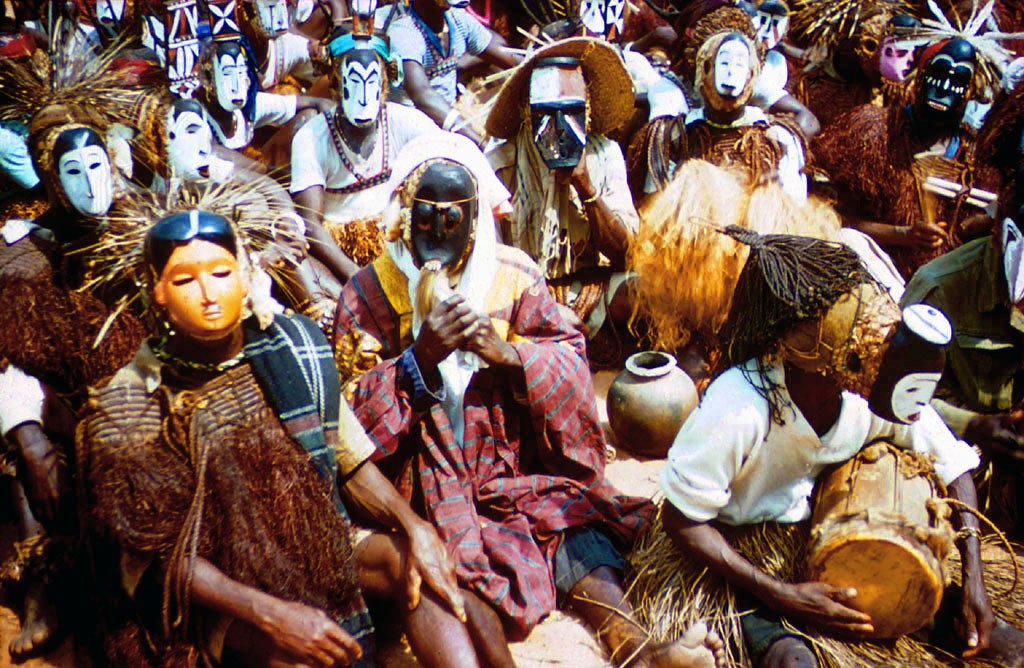
Musicians and chorus at the Okumkpa performance.
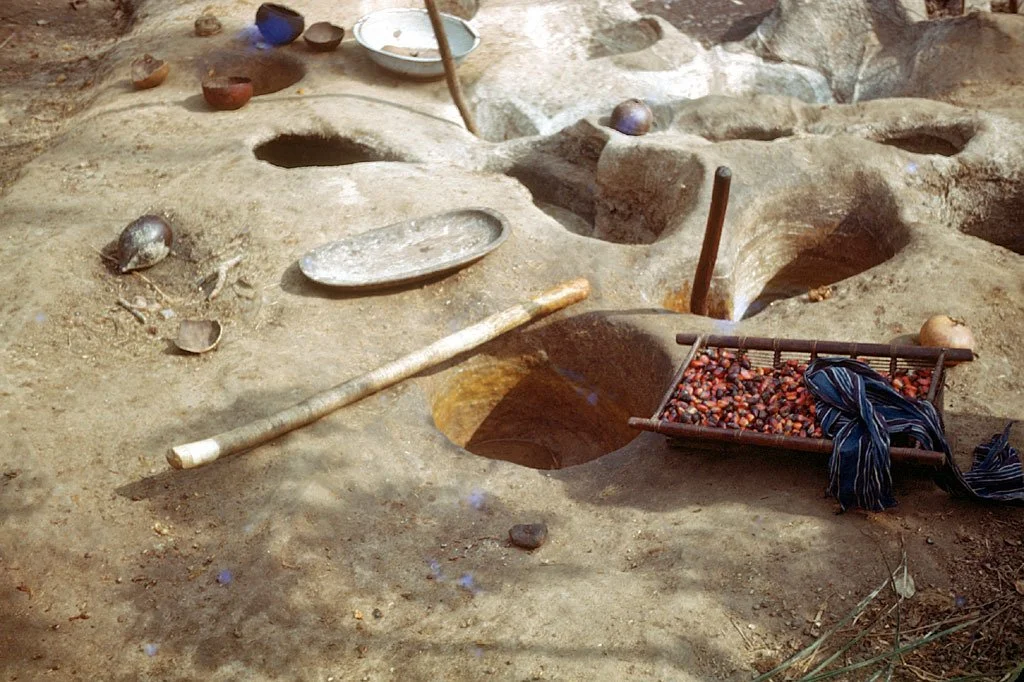
Ugi ekwo (pit-palm kernels).
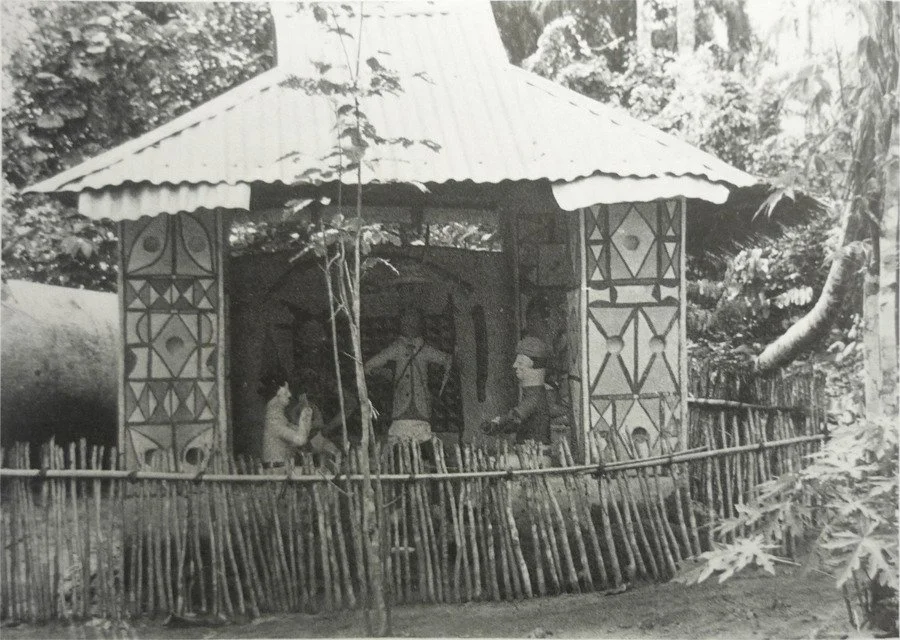
Mbari shrine.
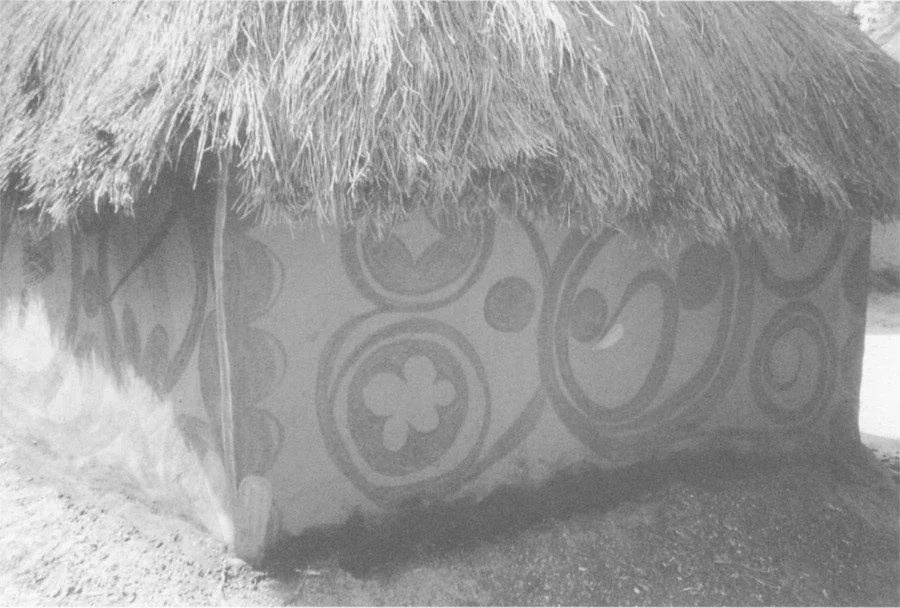
Mural by Onuigbo Aghadinuno, Orno.
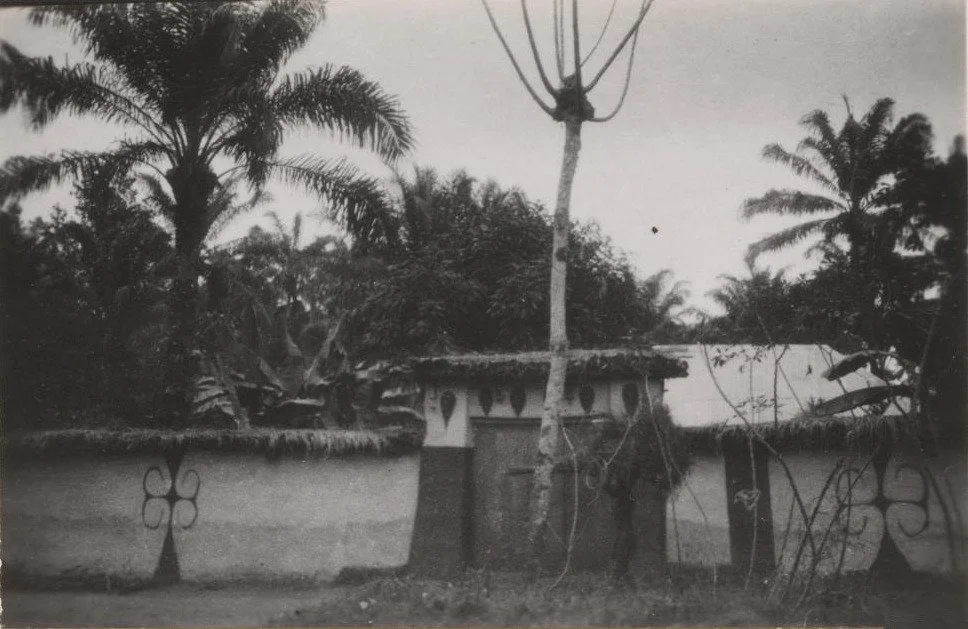
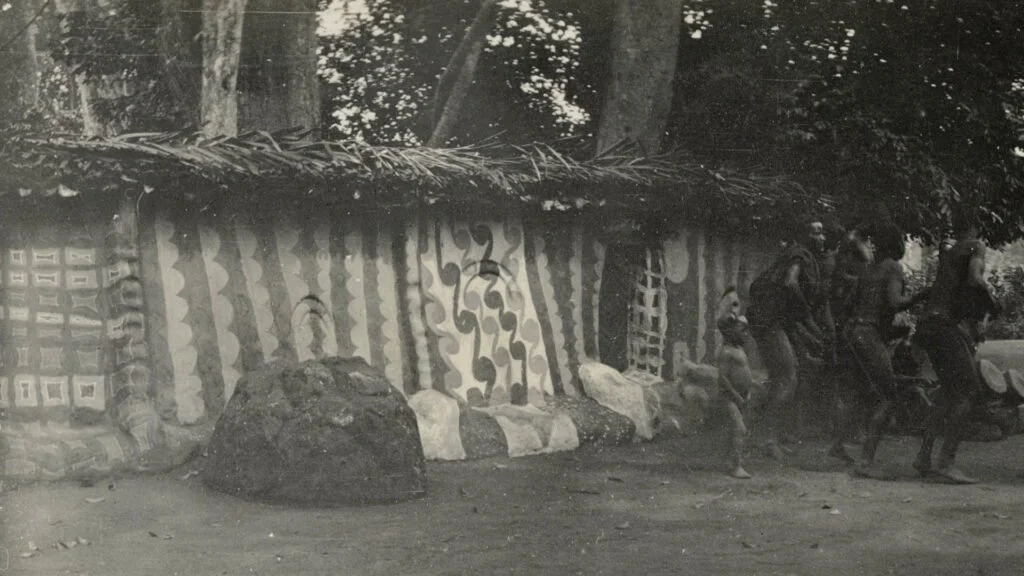
Compound entrance and walls, Igbo area. 📸: Gustaf Bolinder.
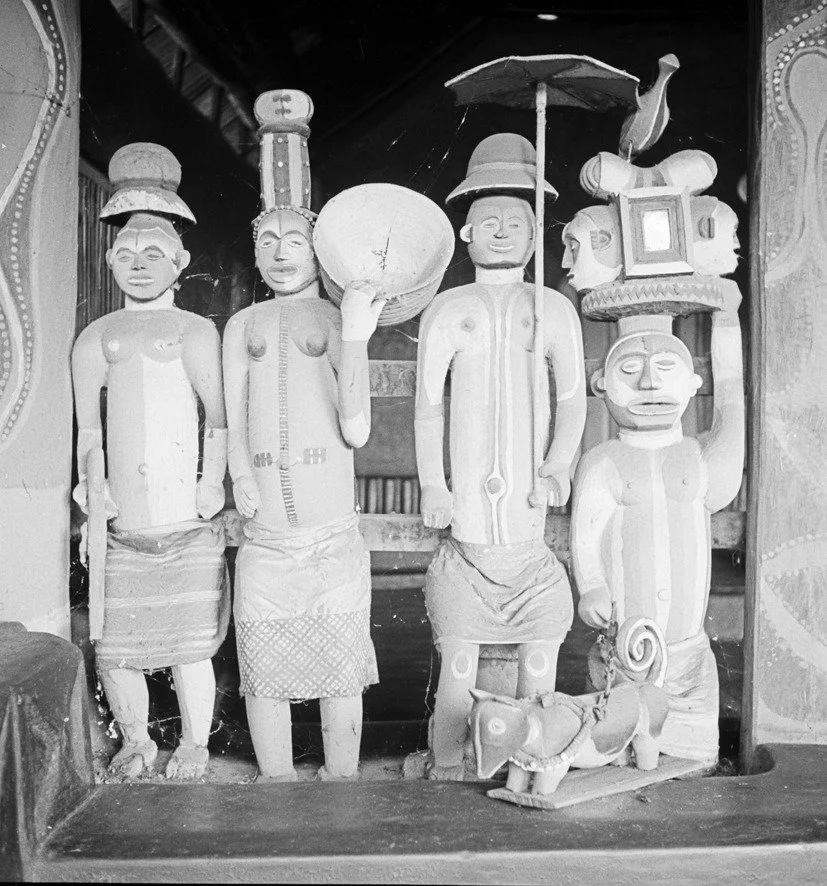
Figures in an obu (central house) in Ohafia.
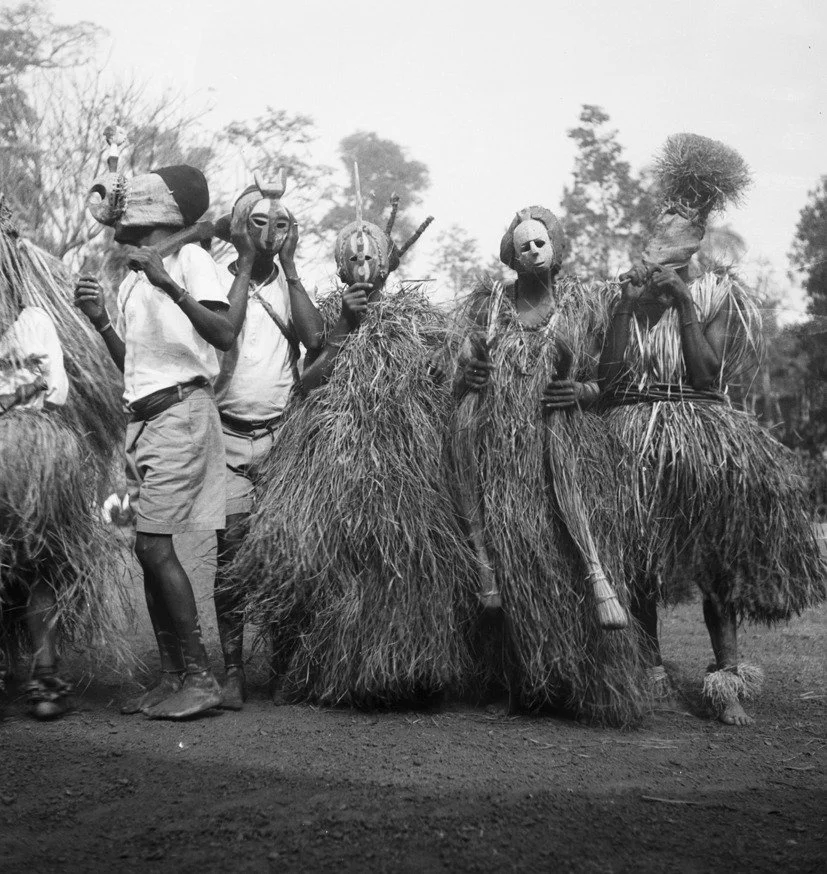
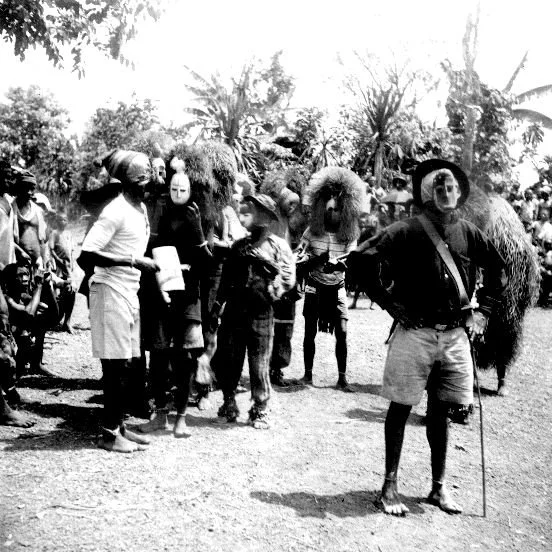
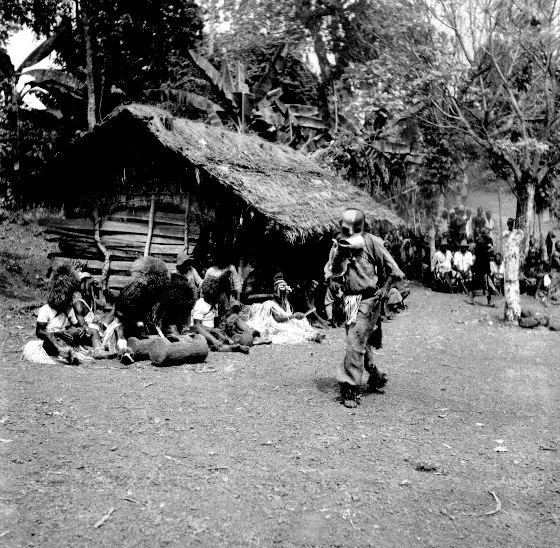
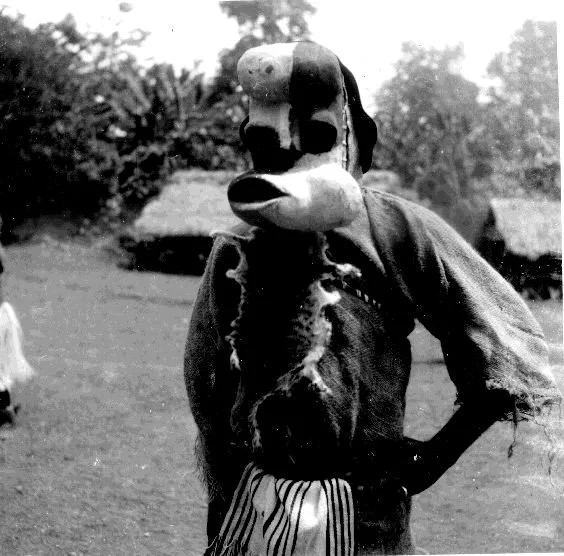
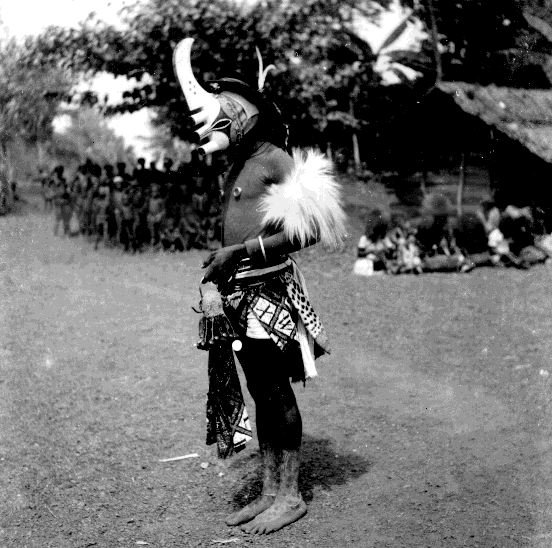
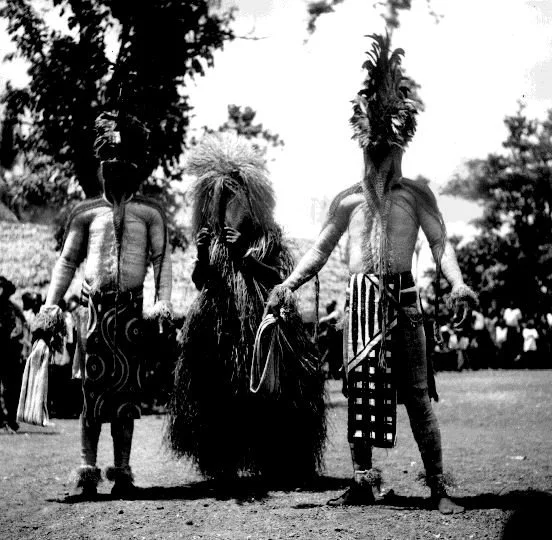
Young Igbo maskers, initiation ceremony, Ifogu Nkporo masquerade.
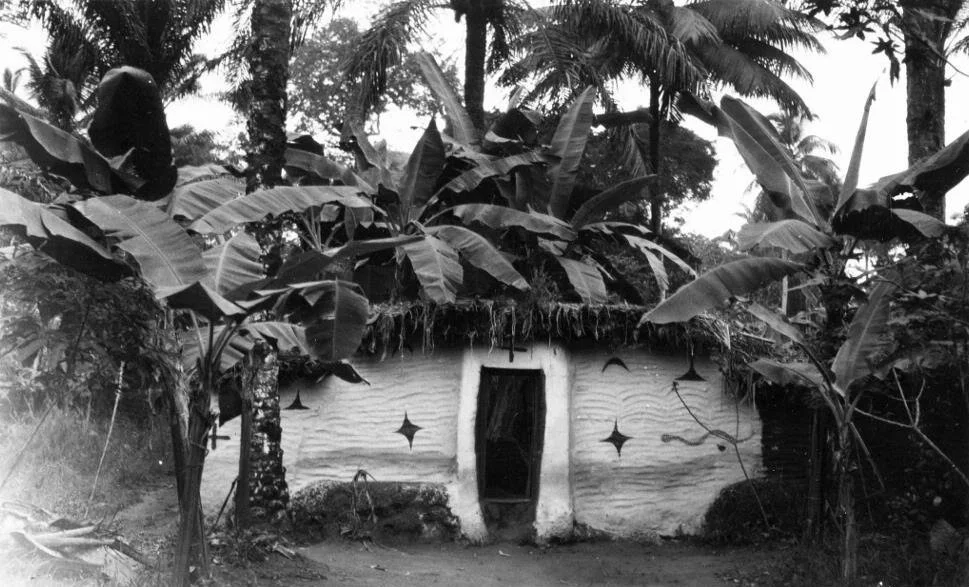
Igbo shrine house, 📸: Gustaf Bolinder.
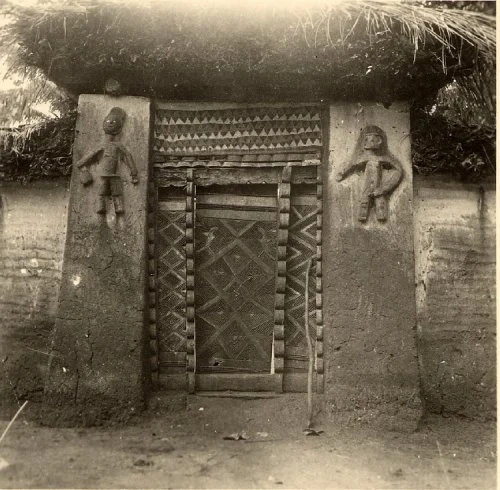
Door to an Igbo compound 1
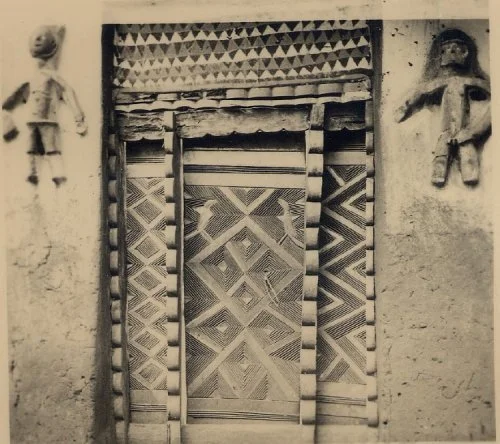
Door to an Igbo compound 2
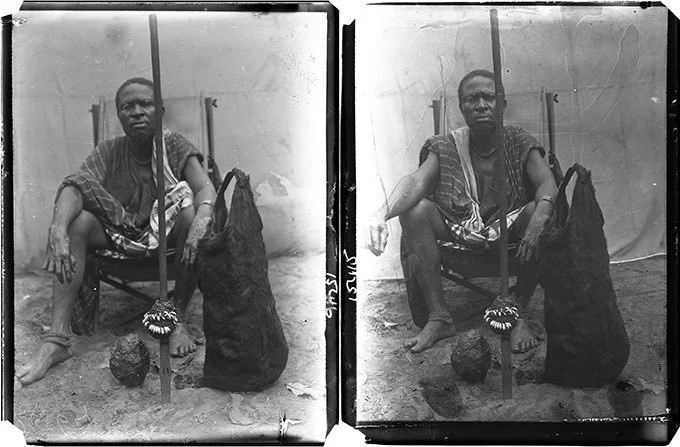
Onyeso of Agukwu Nri, pictured with oton, ofo and goat skin bag. 📸: Northcote W. Thomas
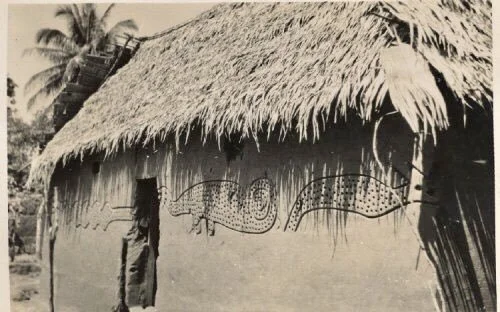
An Igbo house from the Isuama area (Orlu-Mbano-Mbaise). Single-storey, thatched roof building with a relief pattern on the exterior walls. 📸: Edward Chadwick. 1927-1943.

An Igbo room featuring wall decorations with animal relief patterns. 📸: Edward Chadwick in the 1930s.
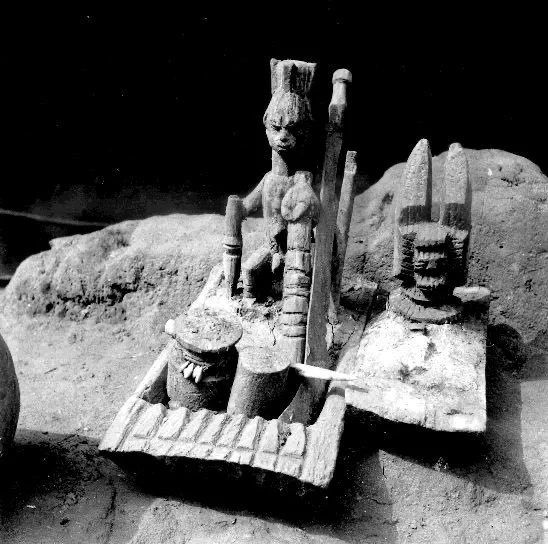
Okike, Ikenga and other shrines in North Ika, the “Western” Igbo region, in the 1930s. 📸: G. I. Jones.
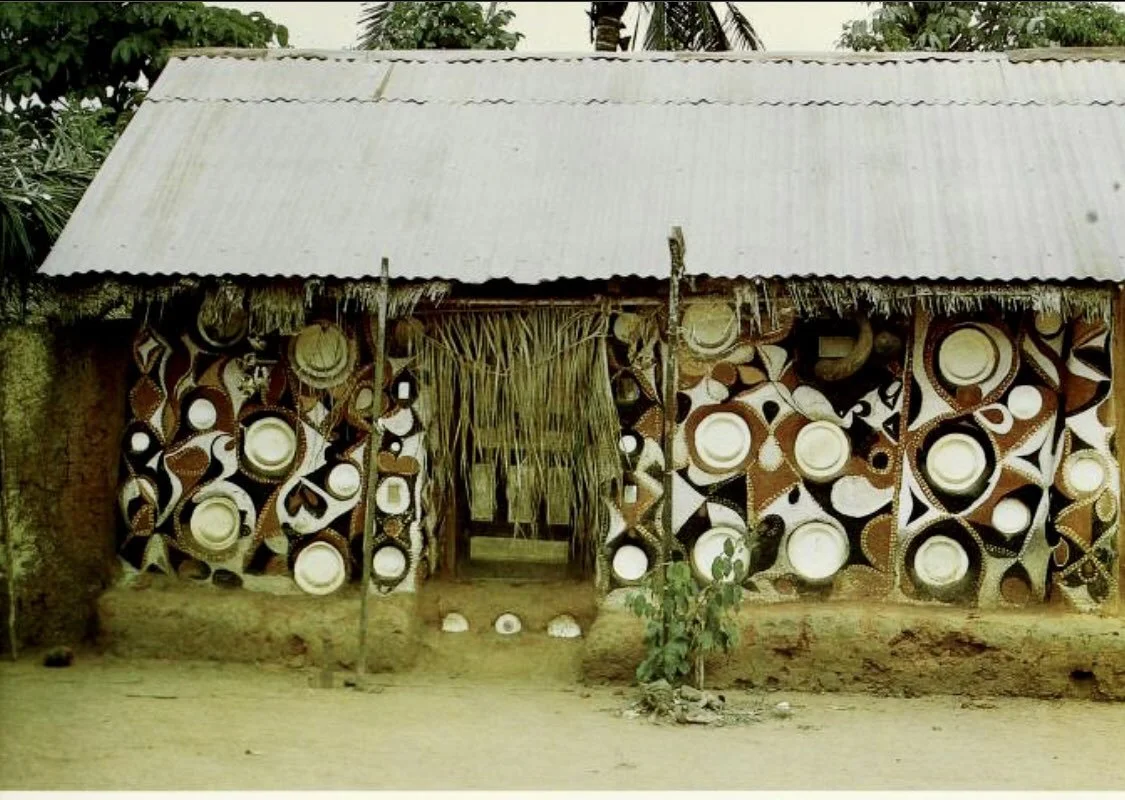
The residence of a diviner and cult priest in Umuoye, Etche, photographed in 1966.
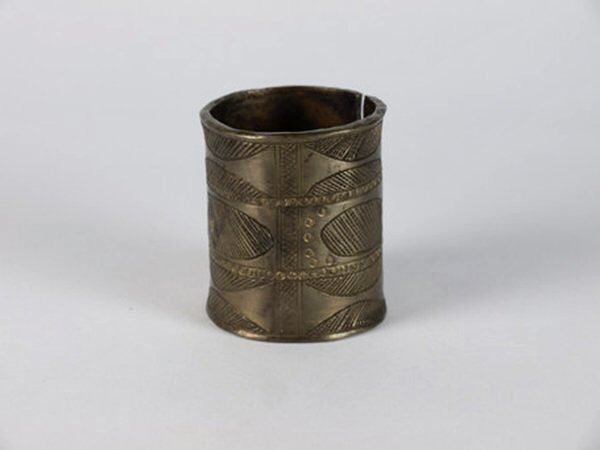
A brass bracelet from Afikpo featuring parallel leaf motifs, collected between 1902 and 1909 by Captain James Harold Dyer during the colonial conquest of Arochukwu. Museum of Vancouver, Canada.
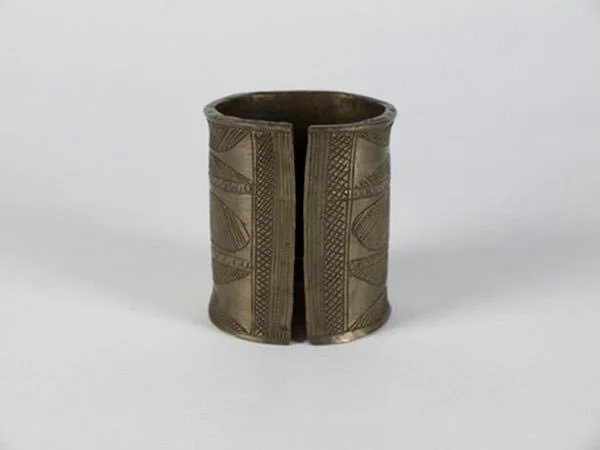
A brass bracelet from Afikpo featuring parallel leaf motifs, collected between 1902 and 1909 by Captain James Harold Dyer during the colonial conquest of Arochukwu. Museum of Vancouver, Canada.
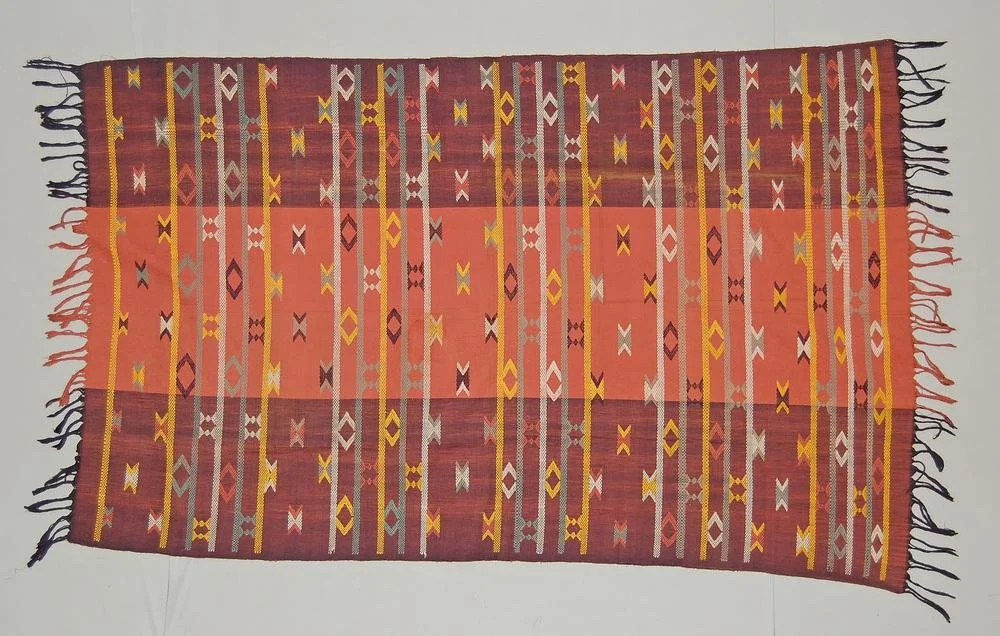
"Akwete cloth" 1880 - 1913.
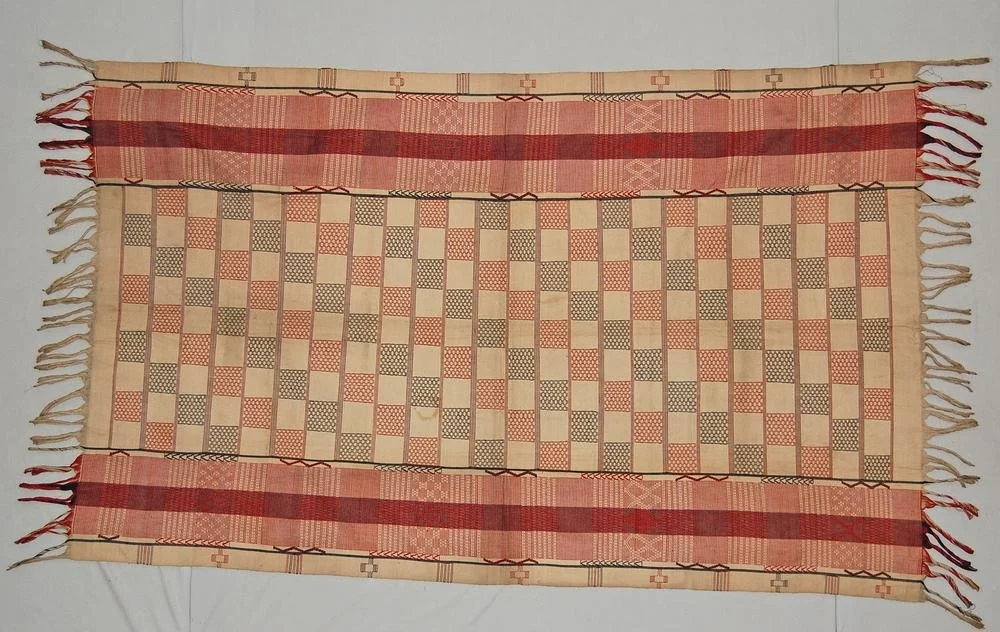
"Akwete cloth" 1880 - 1913.
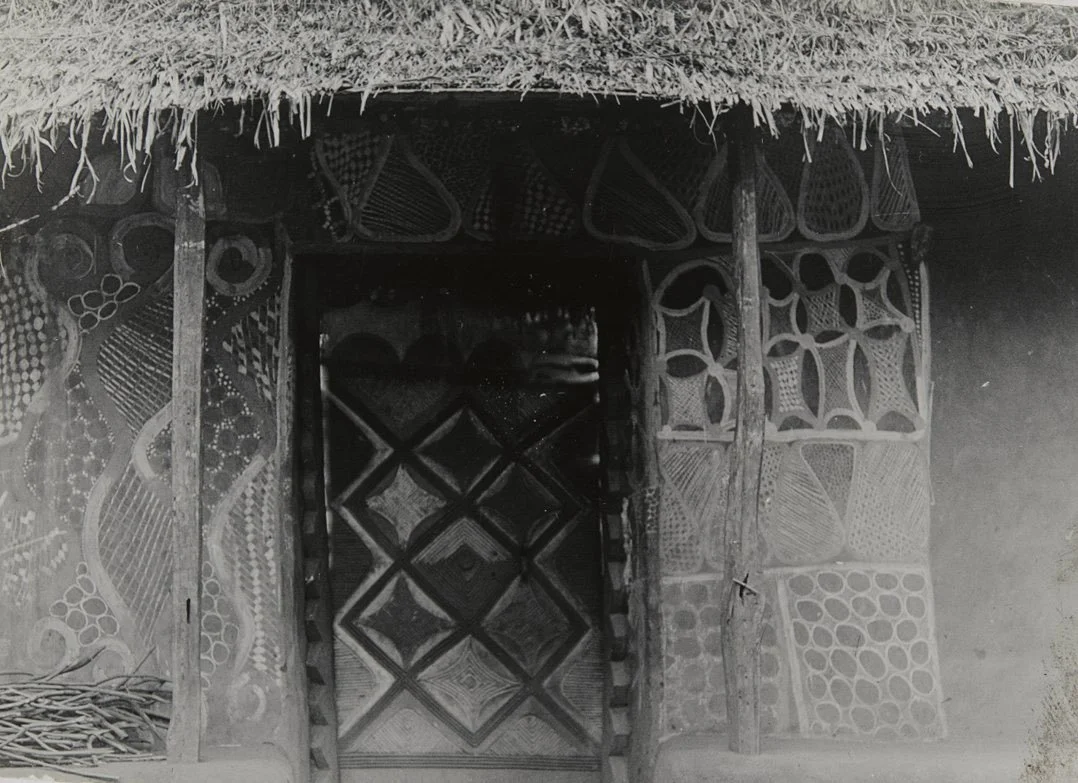
An entrance to a compound in Nimo, present-day Anambra State, 📸: Northcote Thomas between 1910 and 1911.

An Igbo house constructed with painted wooden panels and mud walls.

Outdoor shrine belonging to diviner and Mami Wata priest, Christopher Unigwe of Ulakwo, Etche, 1983. 📸: Herbert Cole.
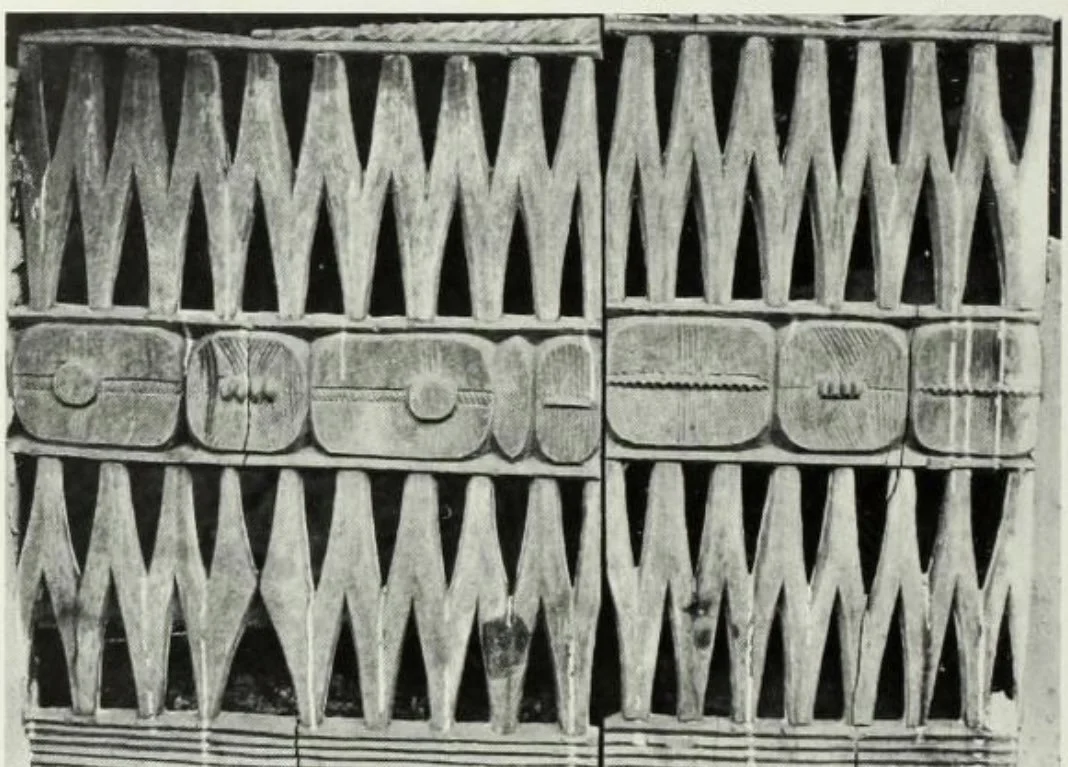
Panel of Anya Mmuo, known as the 'Eyes of the Spirits,'📸: Herbert Cole in Umuduru, Abagana, present-day Anambra State.

Transitional cement block Obi/Obu featuring a traditional 'eyes of spirits' panel, accompanied by the Okposi and staffs typically enshrined on the altar behind the panel. Ezeagulu Aguleri, 1987. 📸: Herbert Cole.
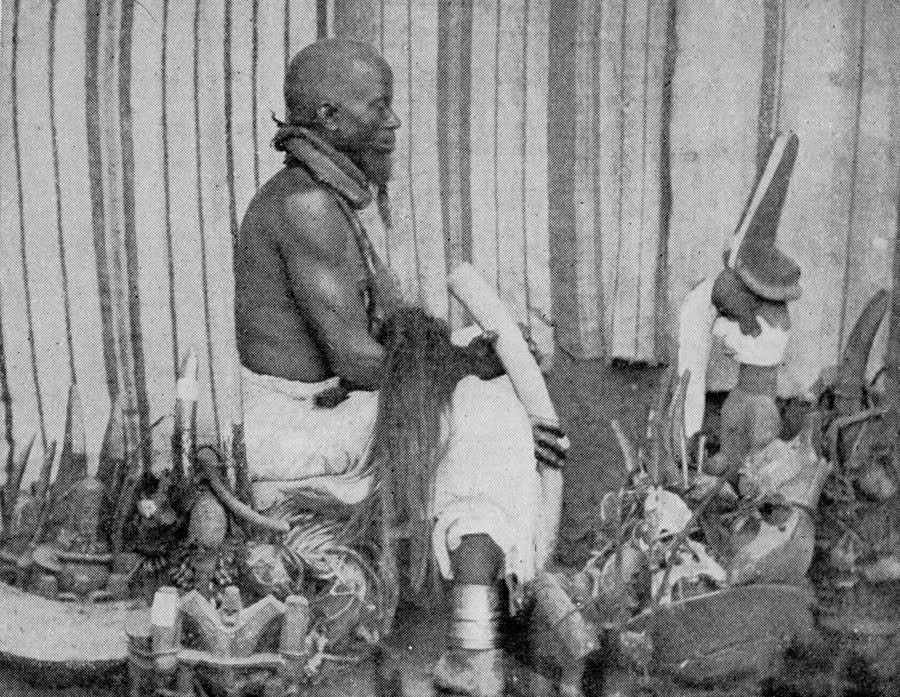
Ogbuanyinya Onyekomeli Idigo of Eziagulu Aguleri (formerly Ogbuefi before the arrival of the Catholics), photo taken before his conversion. He was baptized on December 3, 1891. Photo: RAAI.

Nkamalo (Kamalu) shrine located within the Ezi Akputa compound in Mgbom village, part of the Afikpo Village-Group, Nigeria. 📸: Simon Ottenberg, 1951–1953.
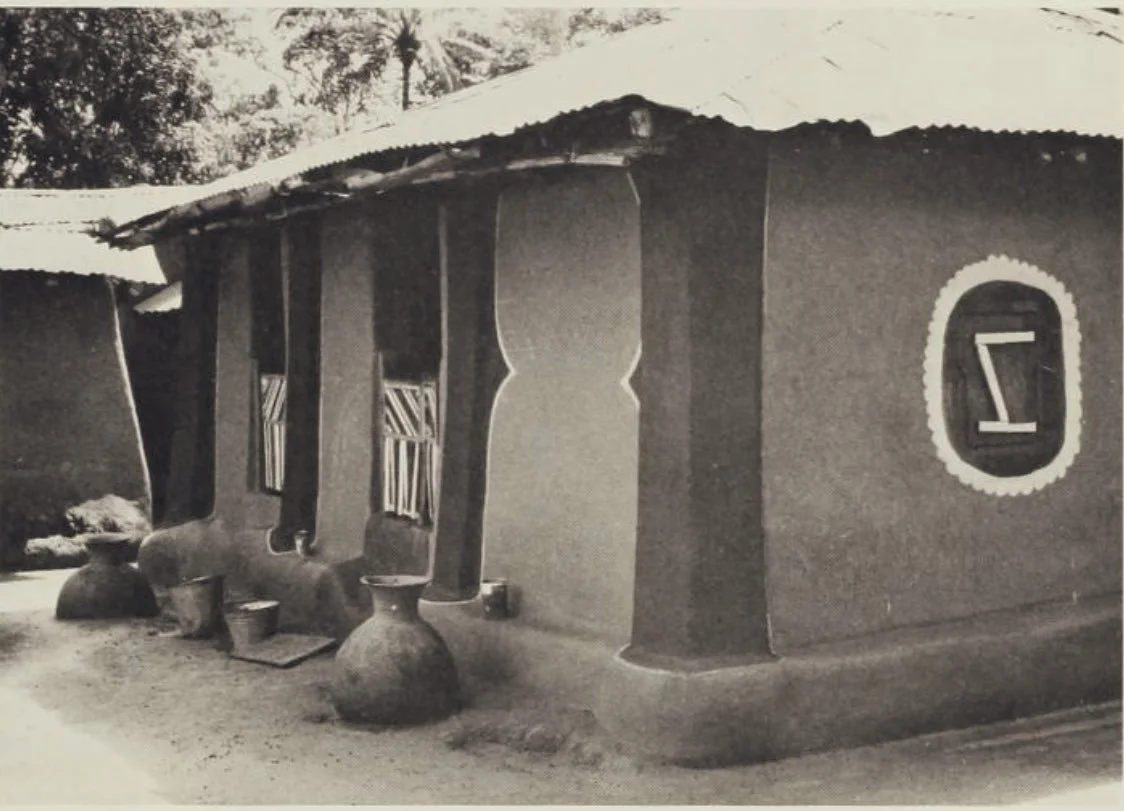
The Azubuike family’s transitional residence in Nnokwa, circa 1966.
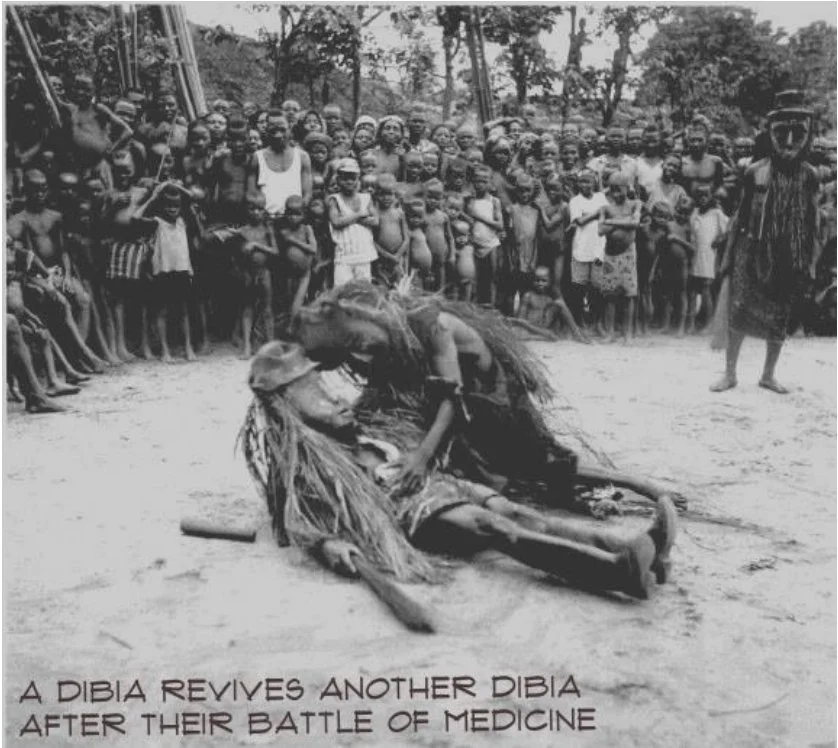
A dibia revives another dibia after medicine battle.
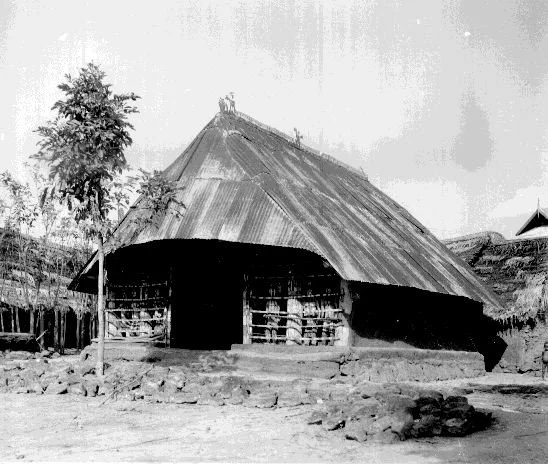
Obu house Abiriba. 📸: G. I. Jones.
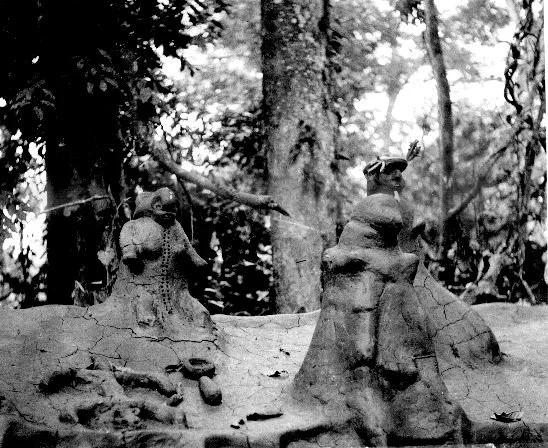
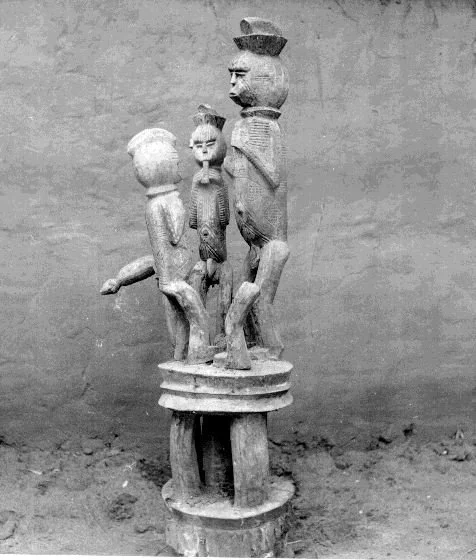
Alusi Tutelary and fertilityjuju — detail, Ishieke, Isu. 📸: G. I. Jones.
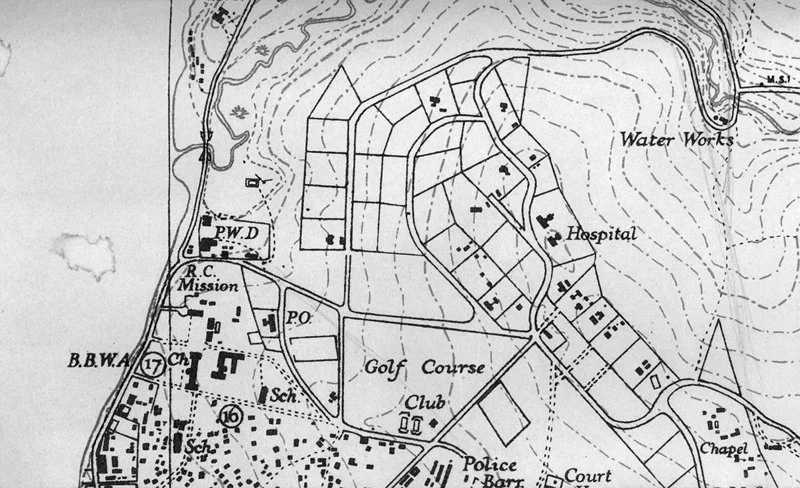
1932 Onitsha BBWA Waterworks
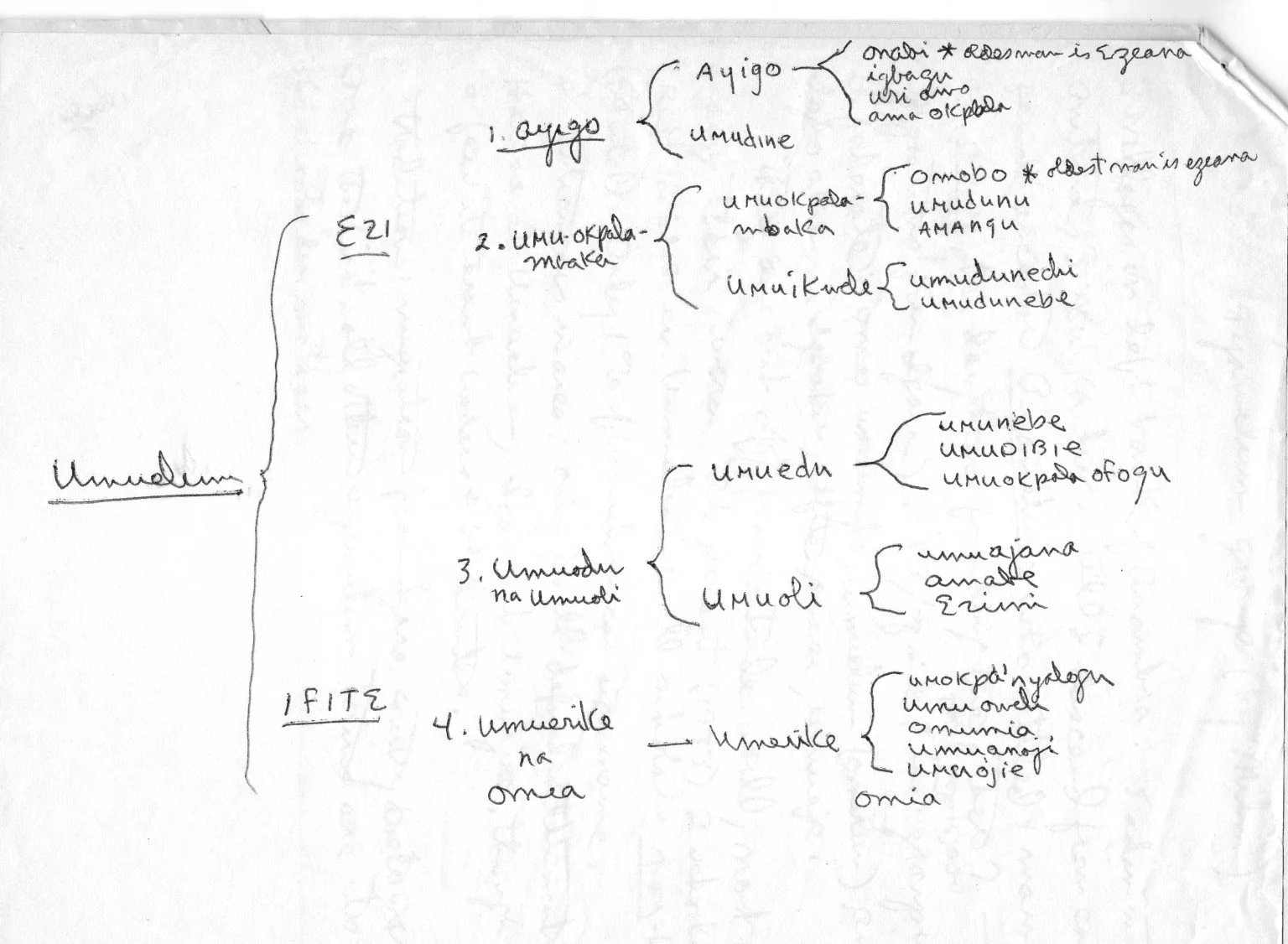
1933 British Official Milne’s Diagram of Umuelum Village Structure.
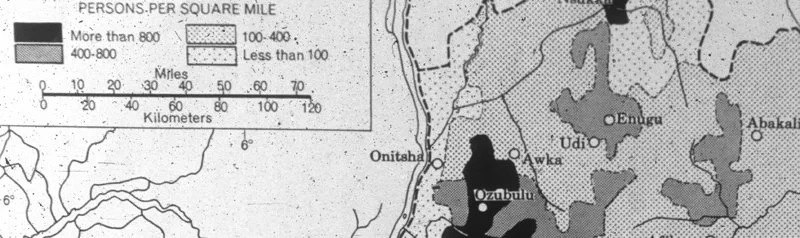
1952 Rural Population Map
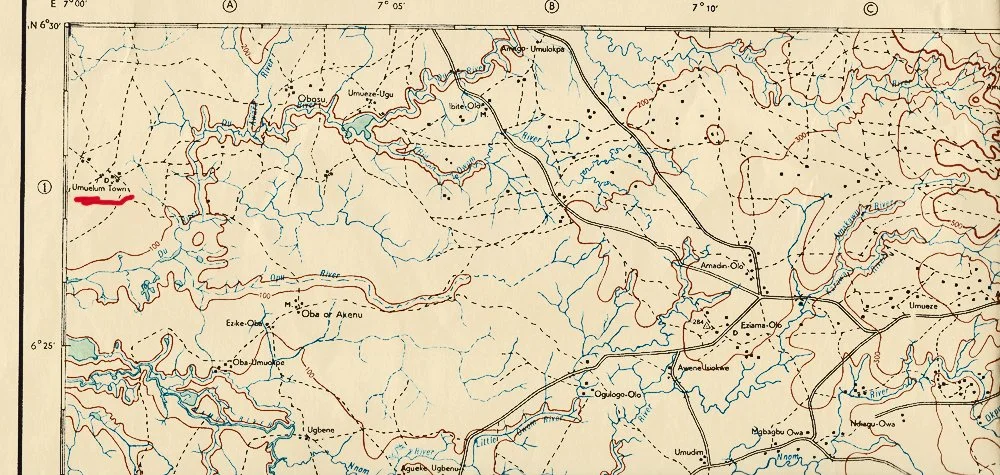
1962 Umuelum Map by Richard & Helen Henderson.
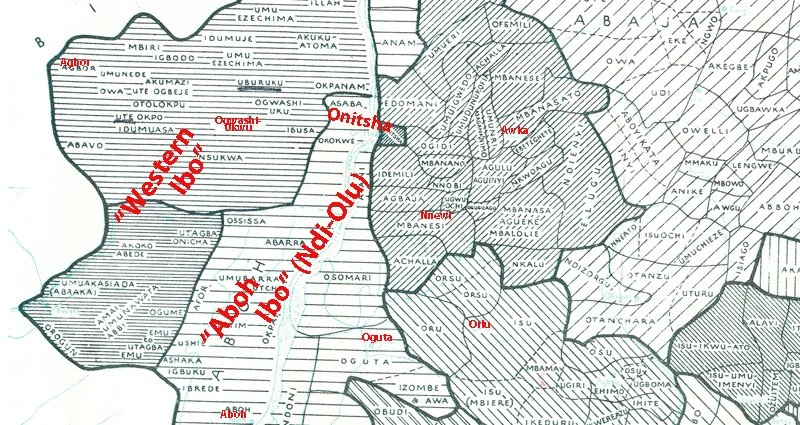
Forde & Jones 1951: Western Ibo, “Aboh Ibo” (Ndi-Olu), Onitsha, and some Eastern Ibo towns.

Map of Otu-Onicha in 1932 looking West (Zacross the Niger) by Helen Kreider Henderson.
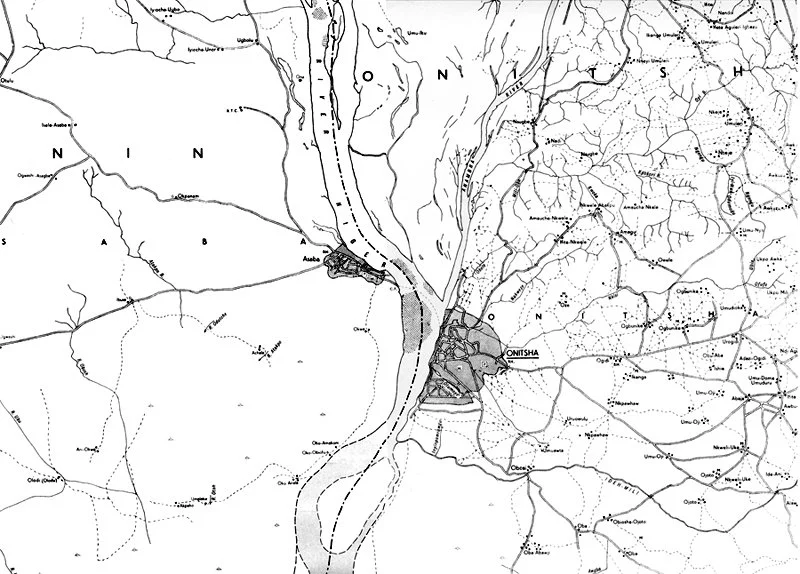
Onitsha Hinterlands 1958.
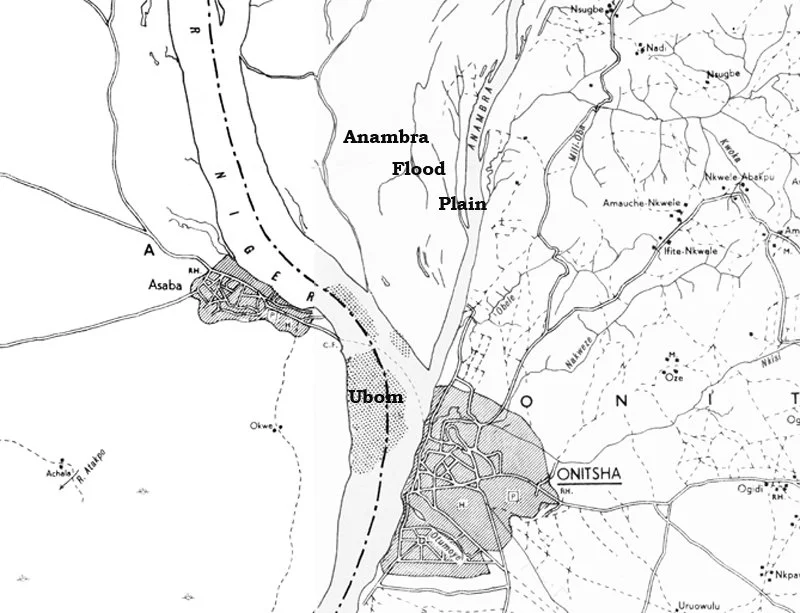
Oshahinterl 1958 close.
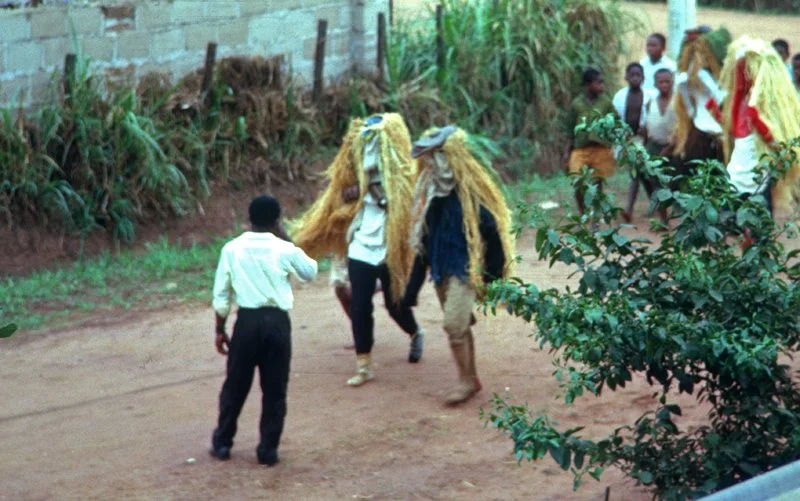
Ulaga Onye Igbo 📸: Richard & Helen Henderson
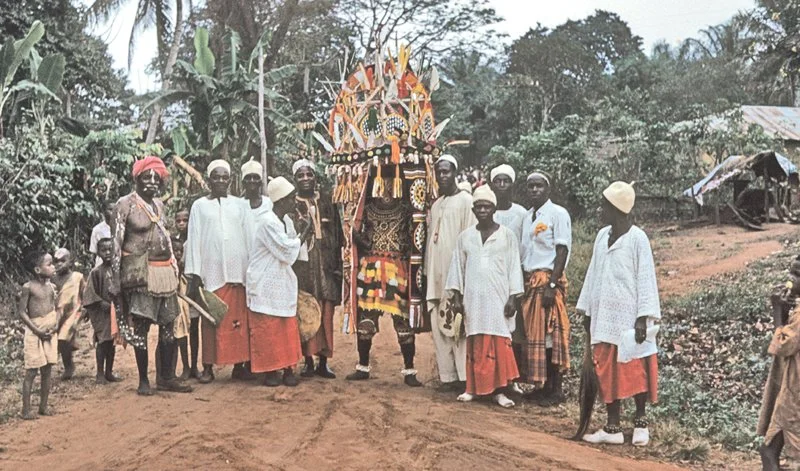
Onicha Ijele na Ndi Ogbo 📸: Richard & Helen Henderson

Nsugbe Ijele marches forth through the tow 📸: Richard & Helen Henderson 1961
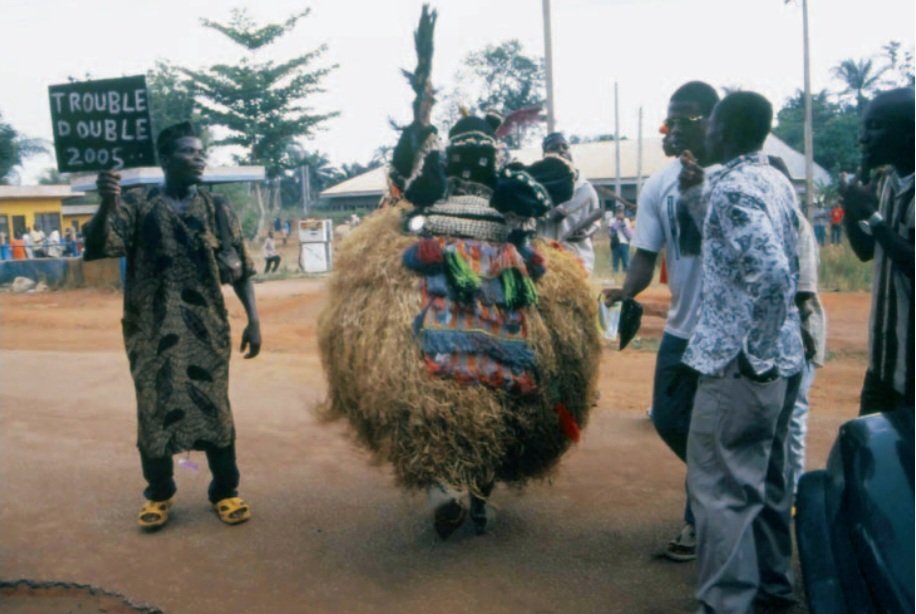
A prominent Uga masquerade known as “Dou-ble Trouble” underlying its prowess and dangerous capabilities. March 28, 2005 📸: Charles Gore

Helen Henderson with Byron and Merci Erokwu at 24 Mba Road, January 1961.
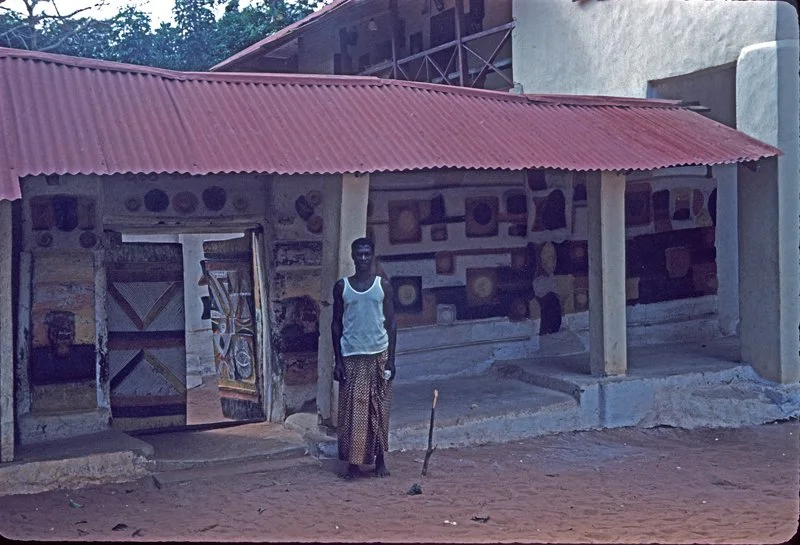
Joseph Okosi (Amalunweze) Obi Son Palace.

'Crossroad shrine. Both of these buildings are shrines, the white one dedicated to Ojedi, a famous woman associated with UmuDei Village, the red one dedicated to Omumu, a childbirth-supporting Spirit venerated by the people of Ogbe-Onira (a sub-village within Umudei).' 📸: Richard & Helen Henderson

'Ikena-ilo ritual taking place at omumu birth shrine with banana trees (at right), planted there to attract children who have died to reincarnate in this village.' 📸: Richard & Helen Henderson
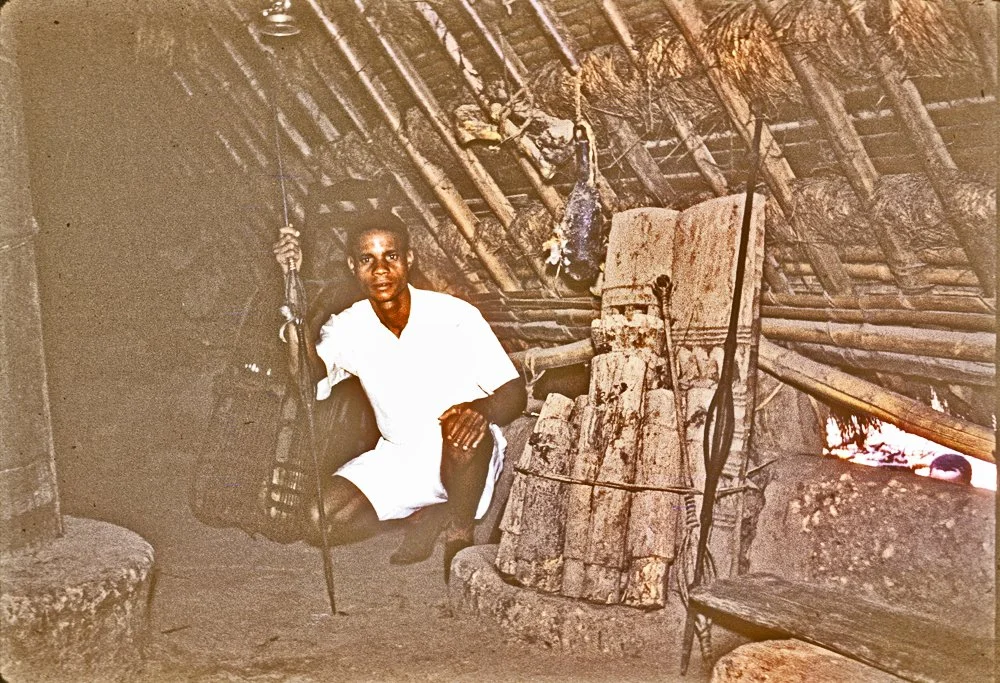
MR. ODIKPO personal altar.
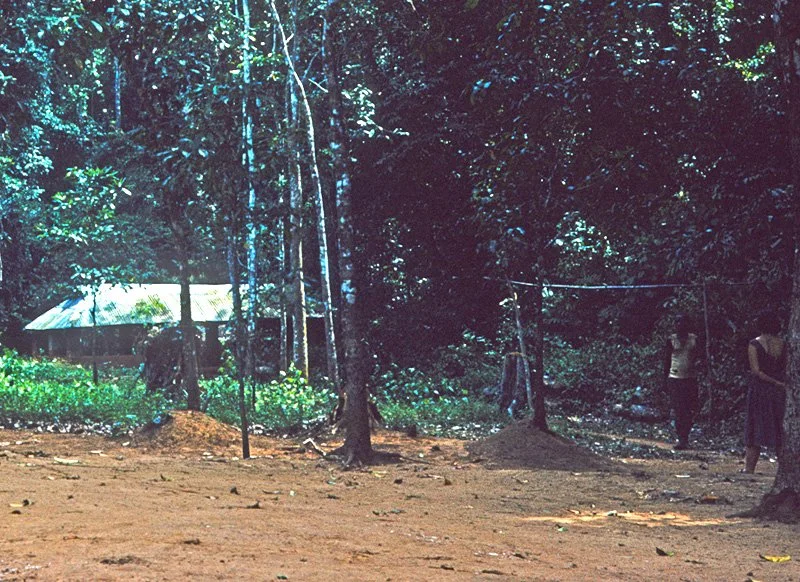
Nkwele Iyi Oji 📸: Richard & Helen Henderson
Nkwele Iyi Oji 📸: Richard & Helen Henderson
Nkwele Iyi Oji 📸: Richard & Helen Henderson
Nkwele Iyi Oji 📸: Richard & Helen Henderson
Nkwele Iyi Oji 📸: Richard & Helen Henderson

One of the patrilineage’s shrine houses of MR. ODIKPO, Umuerum, May 1962 📸: Richard & Helen Henderson
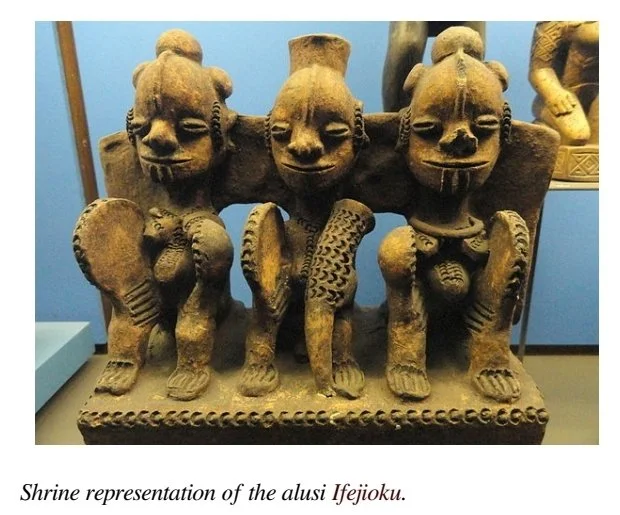
Shrine representation of the alusi Ifejioku.
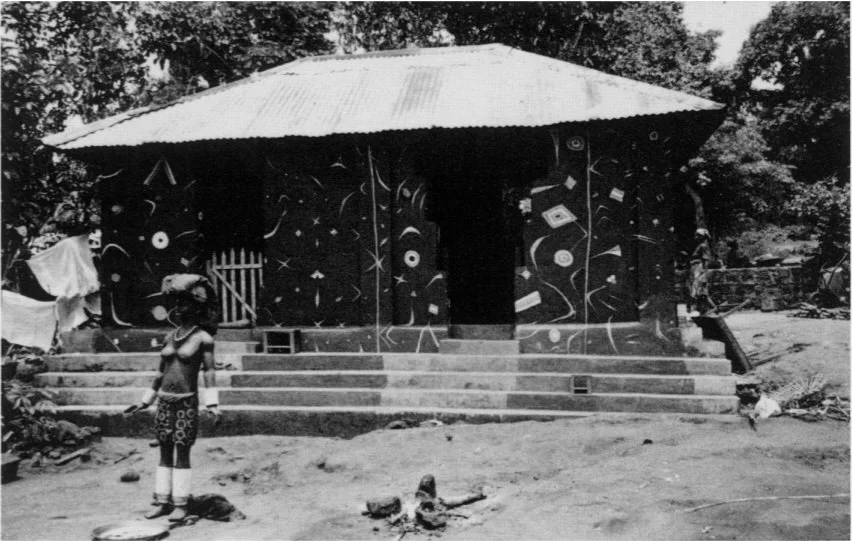
'Shrine to the Goddess Eke at Uke Market. Newly repainted with Uli designs on the occasion of the Eke festival, 1987. Carved life-sized figures of minor dieties and spirits (Nkwu) are also reclothed and redecorated. In earlier times these figures would have been decorated with Uli painting 📸: Sandor Peri
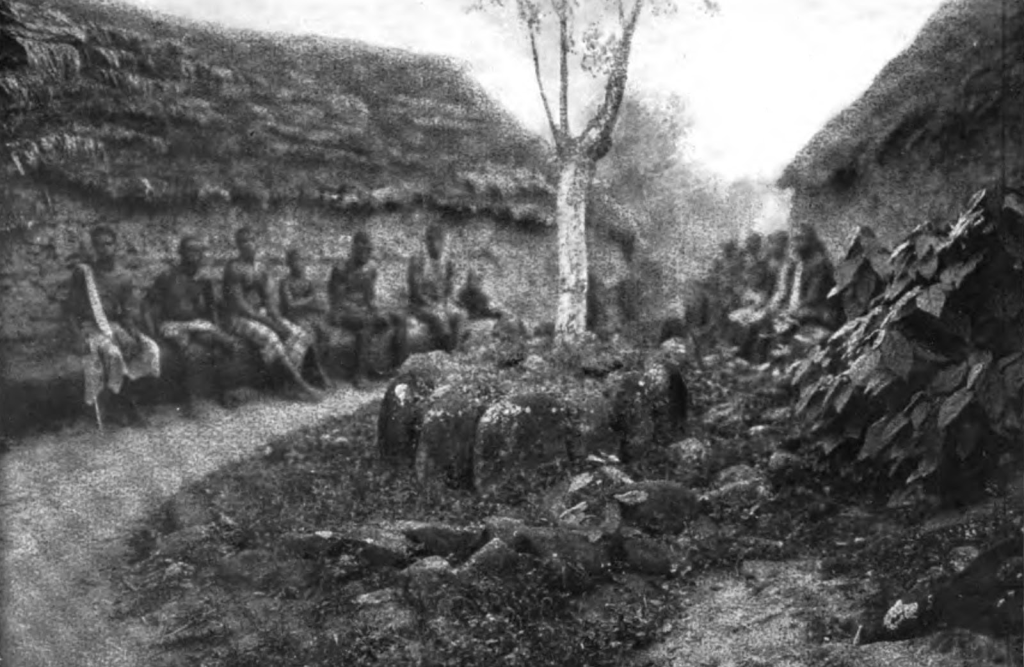
Symbol of Ala, the Earth Mother, among the Eda Igbo, present-day Abia or Ebonyi State. 📸: P. A. Talbot, c. 1920s.

Ubum (Sandbank marketplace) viewed from the government ferry 1960 📸: Helen & Richard Kreider Henderson
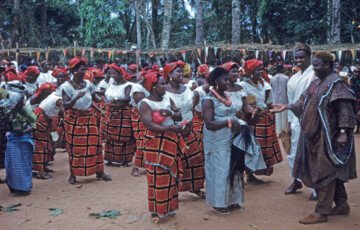
“Age-grade” (Ogbo) (ogbo-douglas-royals)📸: Richard & Helen Henderson

At right, a group of Ozo men, identified by their feathers and ivory horns, lead the women of their age-grade (ogbo) marching at a funeral being directed by their age-mate acting as the Head Mourner (the man in red cap). 📸: Richard & Helen Henderson

“Concrete Bridge over N’Kissi Creek, Onitsha, built by R C McWhirter 1909. River Niger.”

“Village Square” (ilo) of Umuelum, May 1962 📸: Richard & Helen Henderson
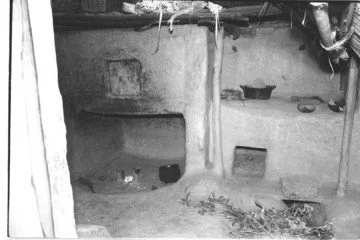
Igbo house ktichen
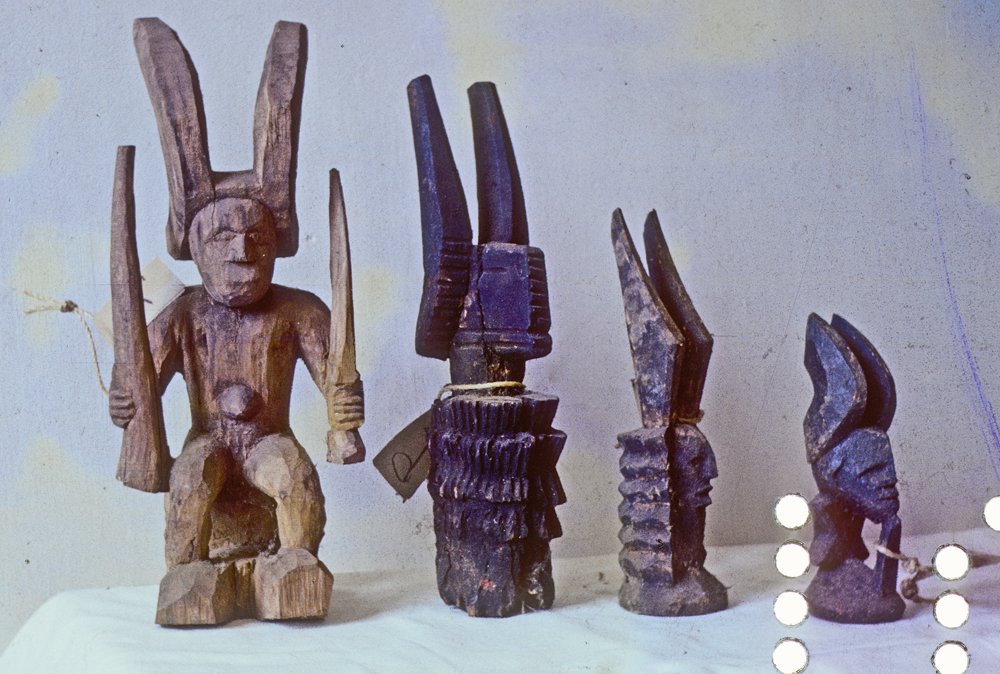
Ikenga-set 📸: Richard Henderson

A private enterprise river ferry stopped at the main Asaba passenger-landing dock 📸: Laurens Dawes in 1966

A view of “Iru-Ukp” and “Ukpo” (throne), with Ikenga at lower right.
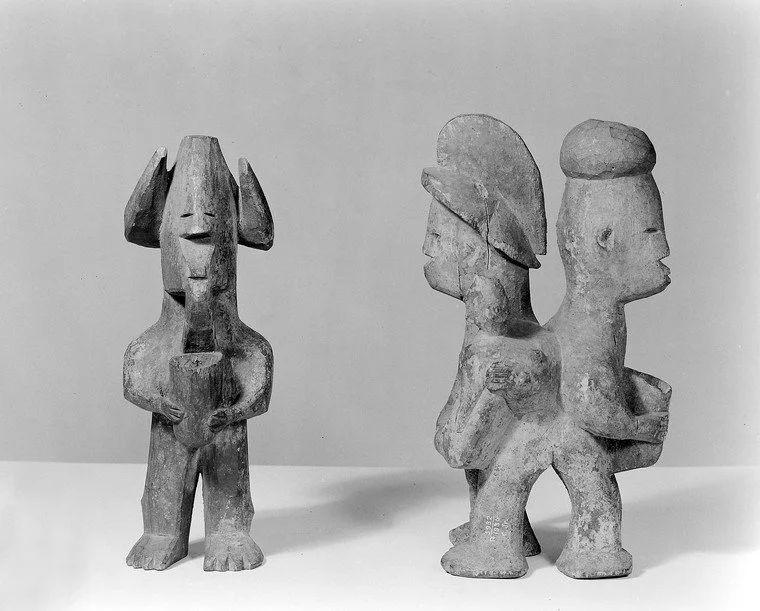
Agwu Figurines
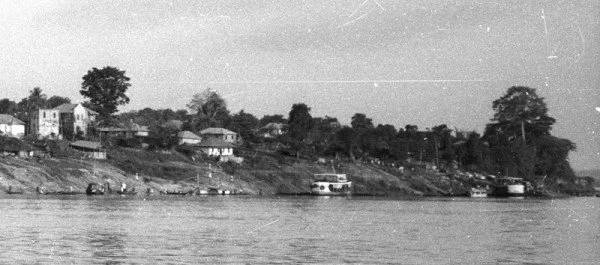
Asaba ferry landing March 1961 📸: Richard & Helen Kreider Henderson.
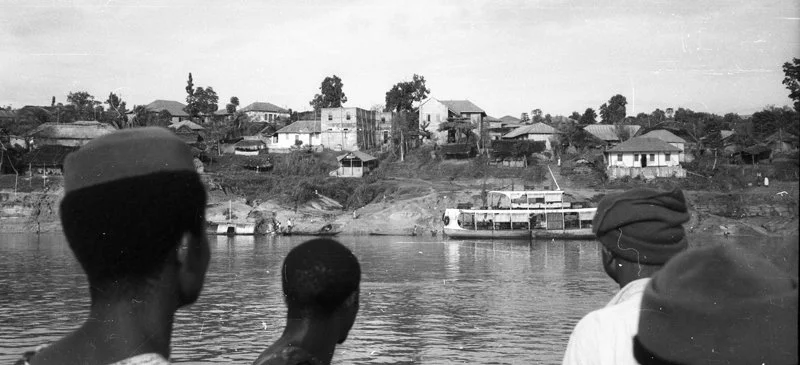
Asaba-landing-close 📸: Richard & Helen Henderson.
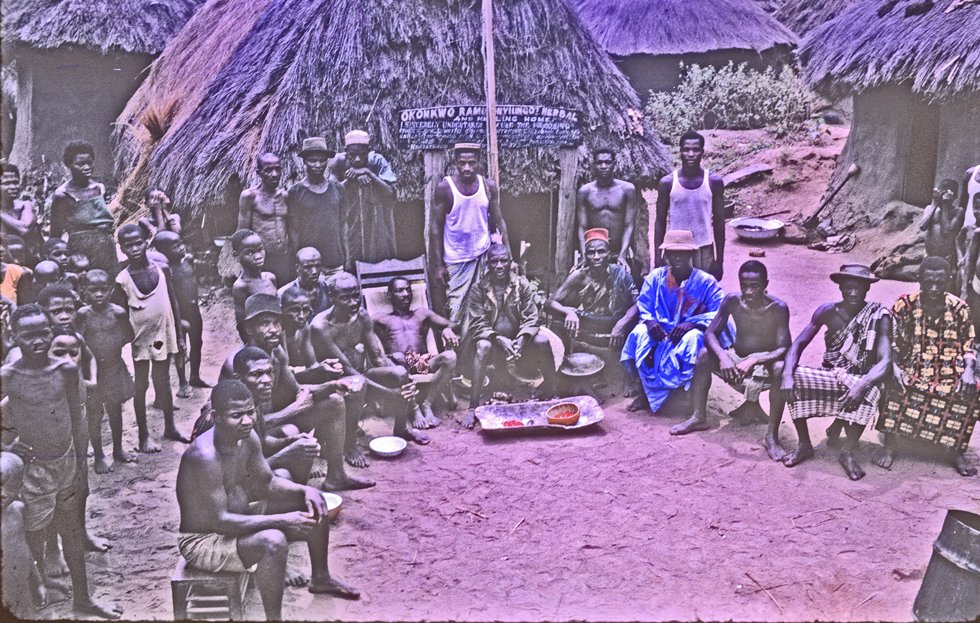
Assembled clan elders Umuerum, May 1962.
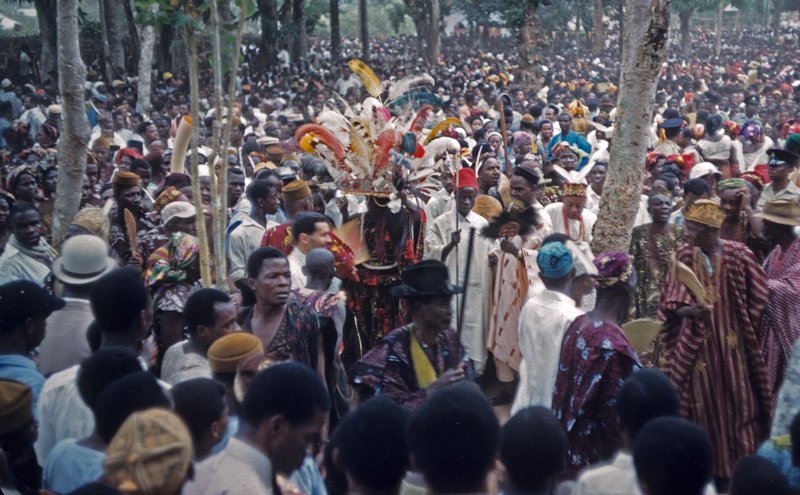
Chiefs 📸: Richard & Helen Henderson
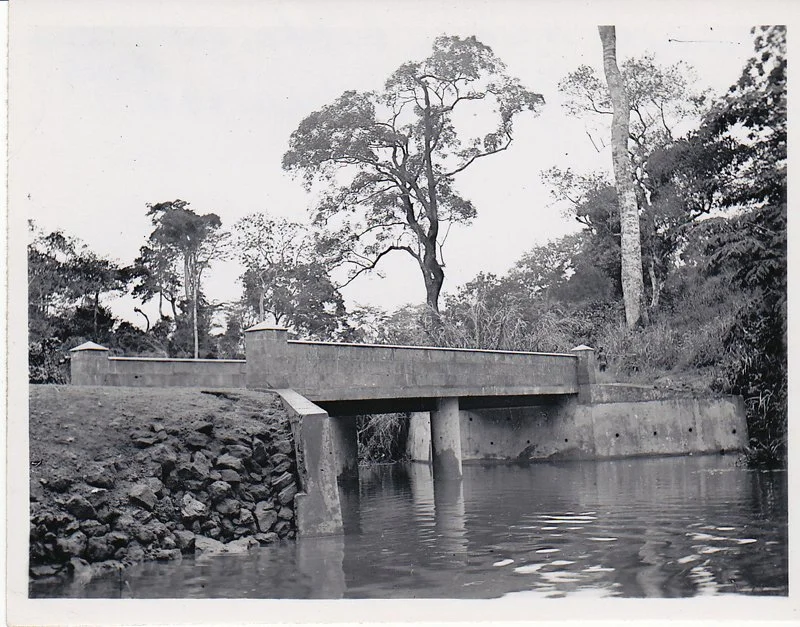
Concrete bridge, Onitsha, over N’Kissi Creek. Built by R C McWhirter 1908.

'Dug out canoes at market place, Onitsha, River Niger. River Niger is 2 miles wide at this place', records Robert McWhirter, who took this photo 1905
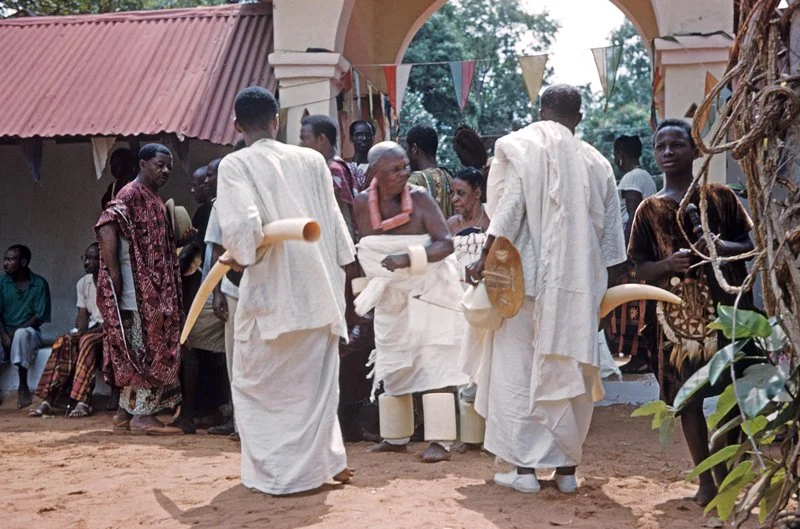
Etukokwu Omenyi 📸: Richard & Helen Henderson
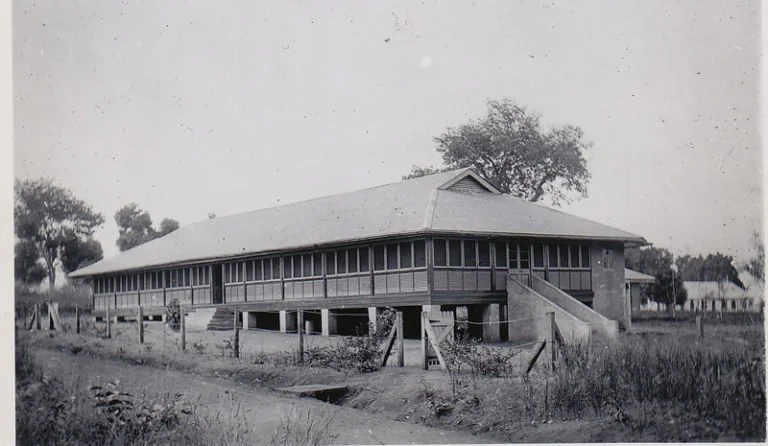
European Guest House, Onitsha. Built by R.C. McWhirter in 1910.
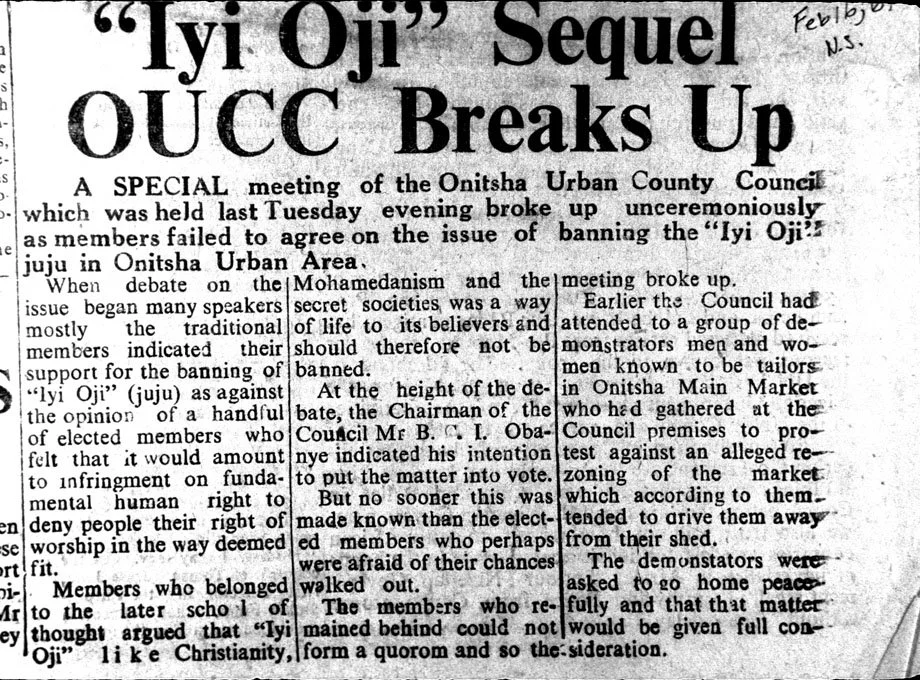
February 16, 1961 announcement-iyioji-oucc.
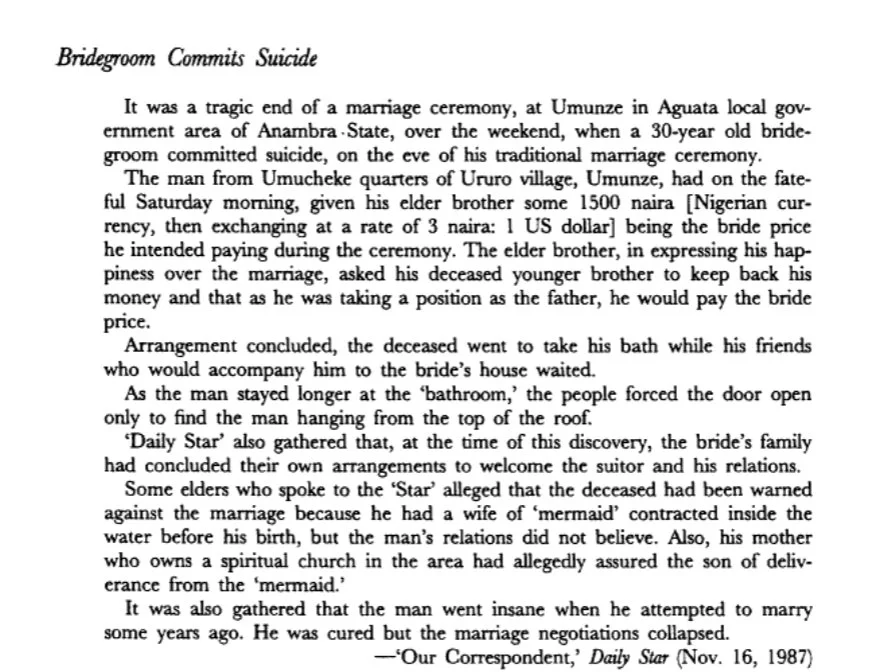
Dailystar 1987.

Group of natives, Onitsha, Nigeria 1905, 📸: Robert Mcwhirter, who says: 'Notice woman with brass leg ornaments (3rd from right). These ornaments are put on when woman is young, and cannot be taken off, but woman is very proud of them.'

Ime-Obi, The Palace of the Obi of Onitsha. Note the protective “mediicine” (oda), a bundle suspended over the arch entryway, which protects inhabitants within from dangers that may be brought in from without. 📸: Richard & Helen Henderson.
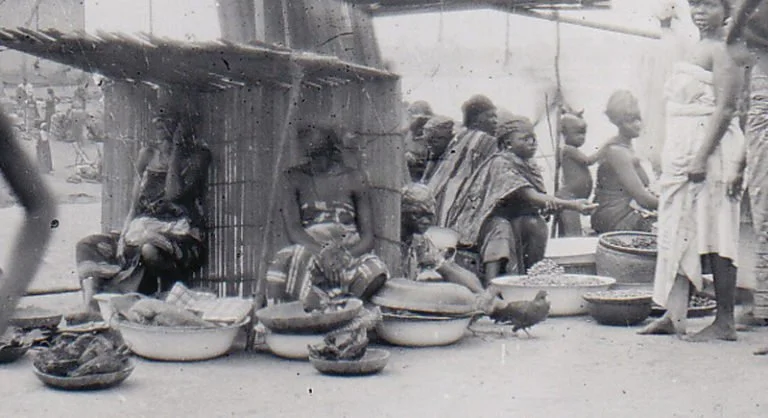
Marketplace women 📸: Richard & Helen Henderson

National Museum, Lagos, Nigeria, 79.R.5 (Is367) Color 📸: Dirk Bakker. One of many astonishing lost-latex Bronze-castings from the Igbo-Ukwu complex, with attached wires, crescent-shaped bells and exotic beads. Original data from Shaw 1970
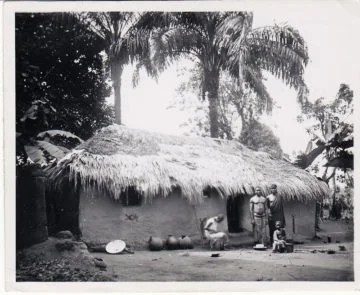
Native Hut, Onitsha. 📸: R McWhirter 1905
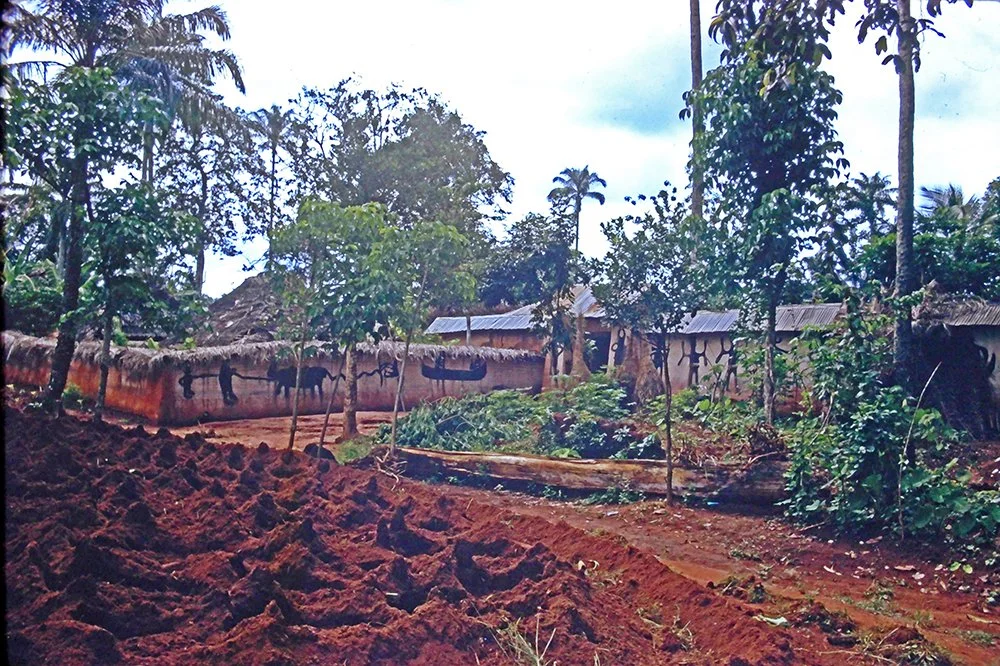
Nnobi compound garden 📸: Richard & Helen Henderson
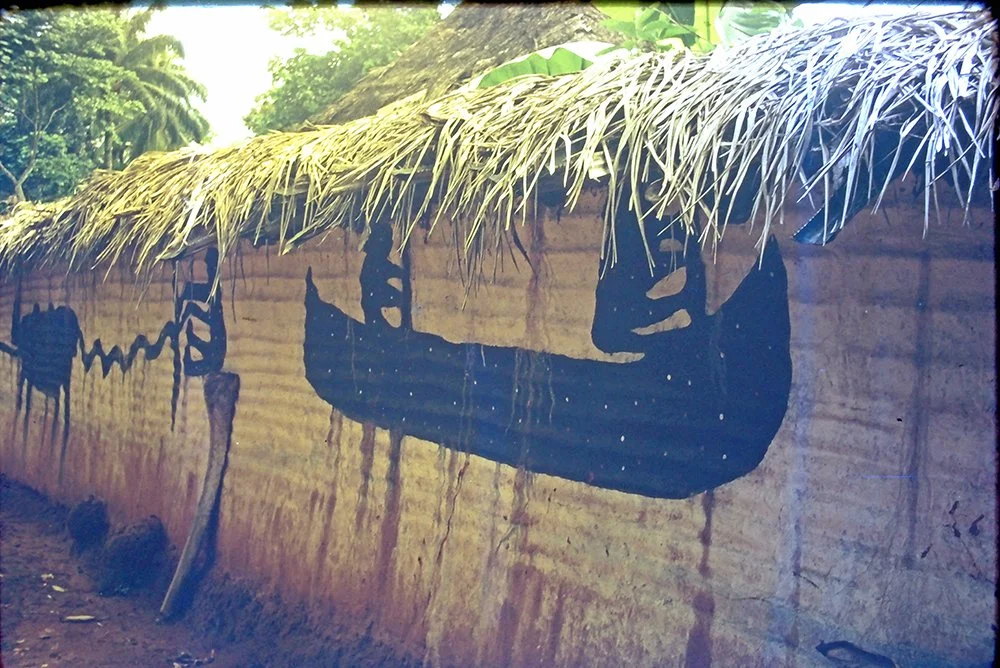
Nnobi wall boat men 📸: Richard & Helen Henderson
Obi Okosi II 1960 📸: Richard & Helen Henderson
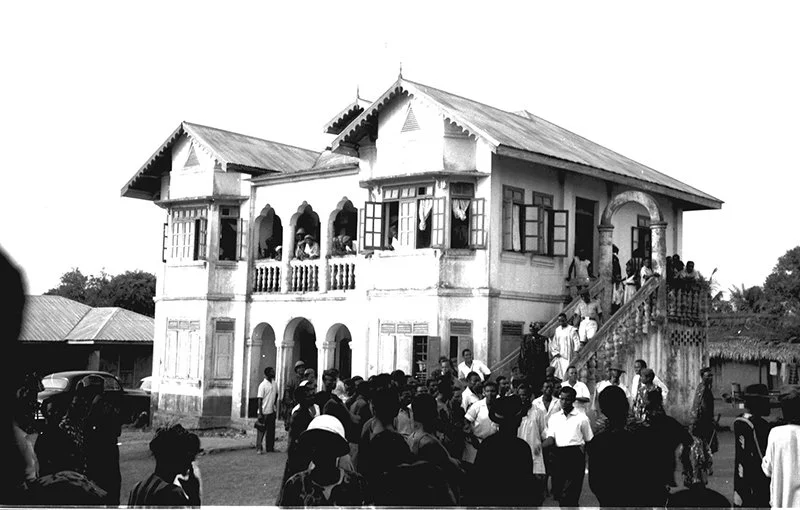
Obi's palace at Aguleri, 1960 📸: Richard & Helen Henderson

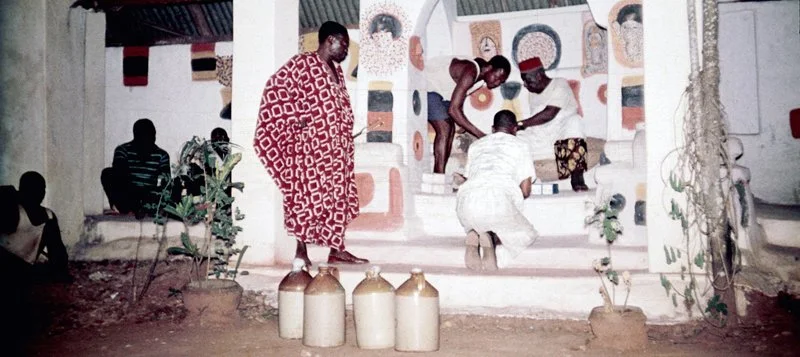
Ogbe-Olu village orchestra is performing 📸: Richard & Helen Henderson
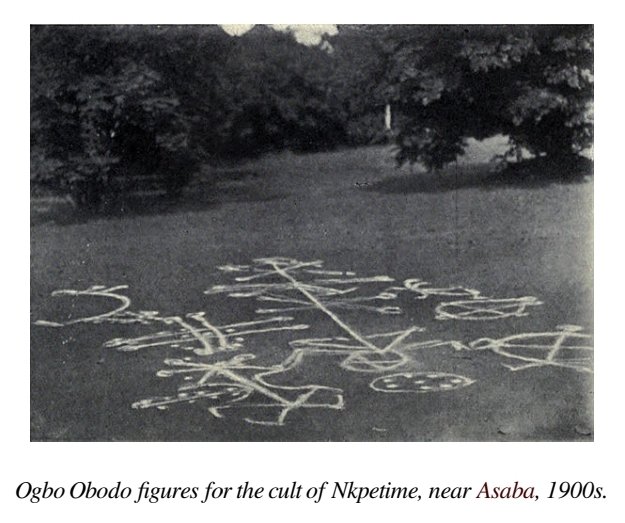
Ogbo Obodo figures for the cult of Nkpetime
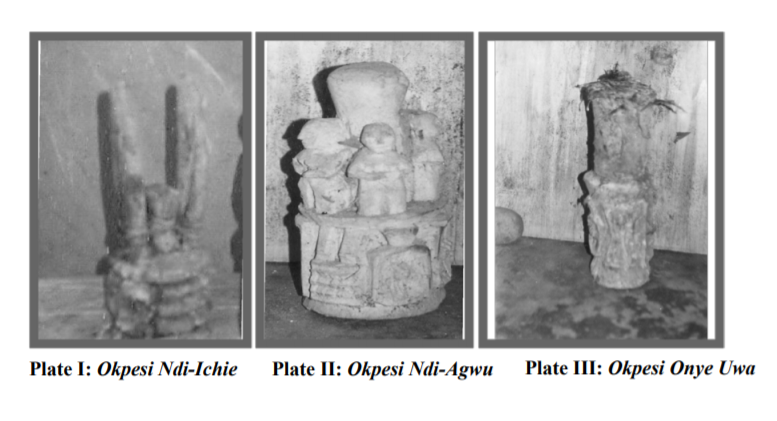
Okpesi figures in Idemili

One of the Opobo War-Canoe teams 📸: Richard & Helen Henderson
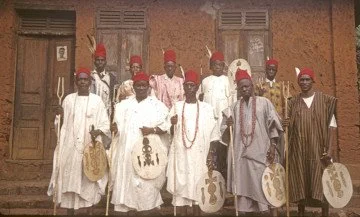
Onicha chiefs (ndichie) assembled
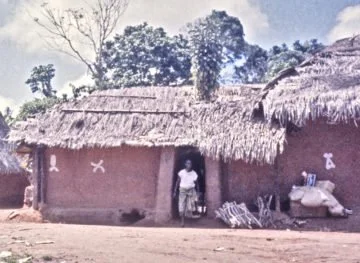
Onitsha 1961, Iba Omekam, UmuAnyo sub-village, Umu Aroli.
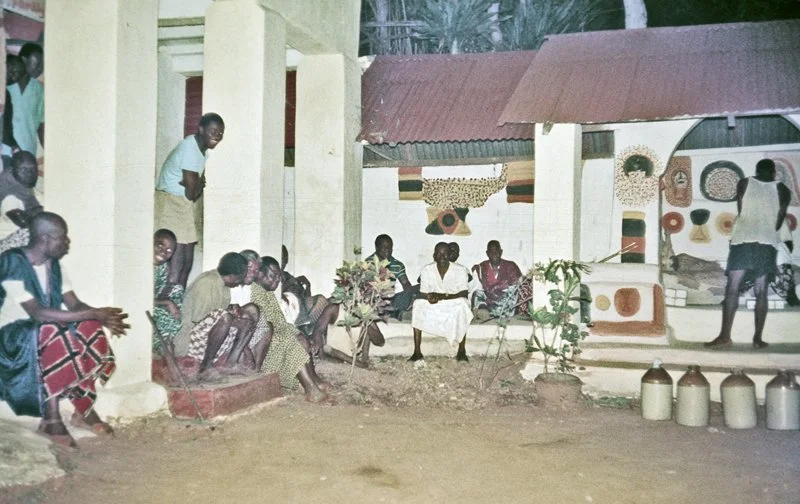
Onowuowelle 📸: Richard & Helen Henderson
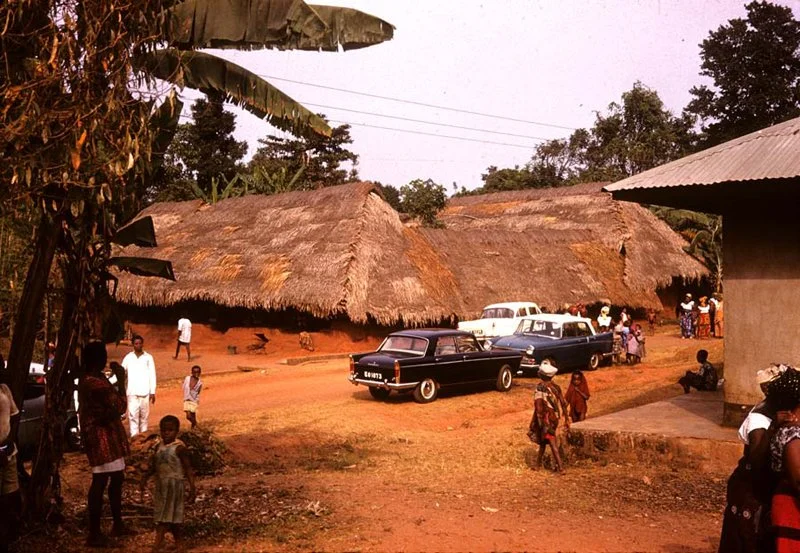
Ozi house 📸: Richard & Helen Henderson
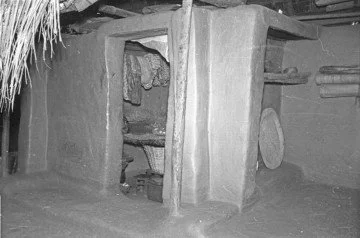
Ozi house interior wifes bedroom 📸: Richard & Helen Henderson
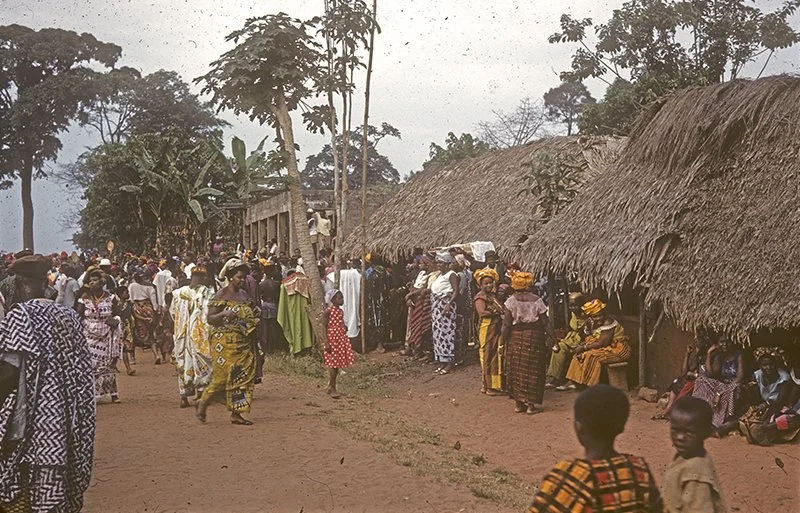
Ozizi daughters igbudu 📸: Richard & Helen Henderson
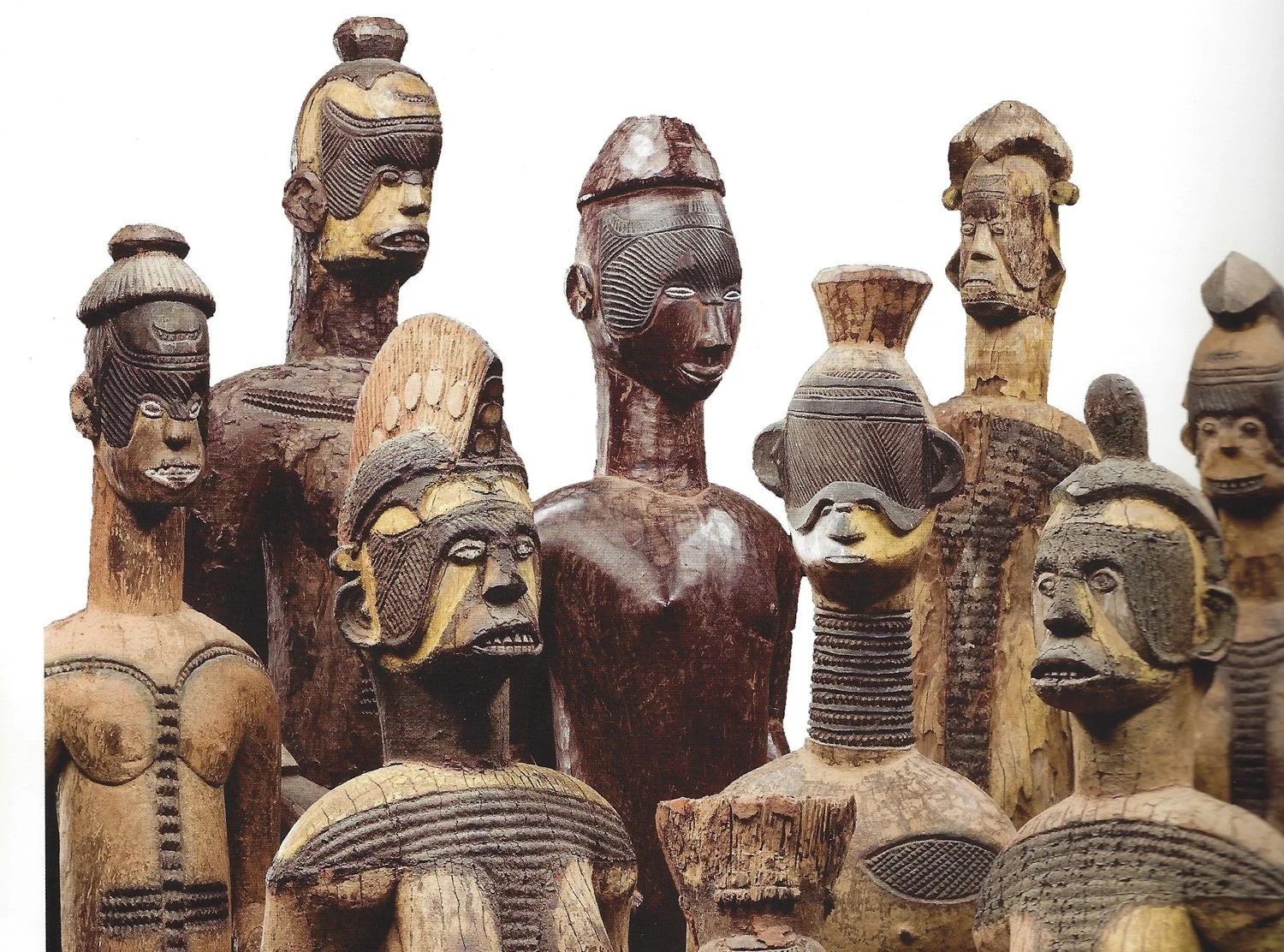
Ozo ichi scars east 📸: Richard & Helen Henderson
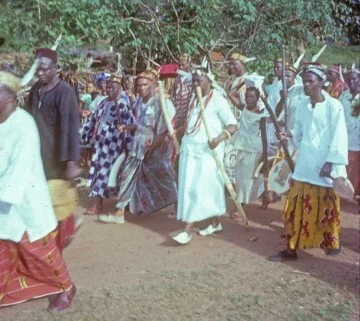
Ozo okwachi 📸: Richard & Helen Henderson
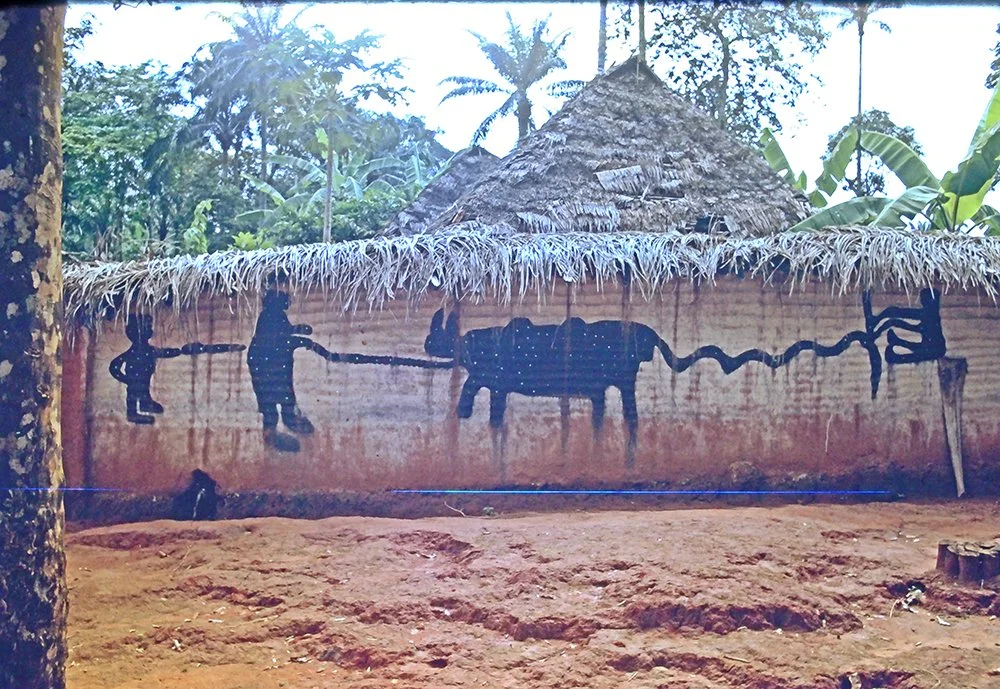
Painted wall at nnobi 📸: Richard & Helen Henderson

Presiding lineage priest sits besides the ofo of his descent group, holding a “doll-sized” figure designed to embody considerable power: Umuerum, May 1962 📸: Richard & Helen Henderson
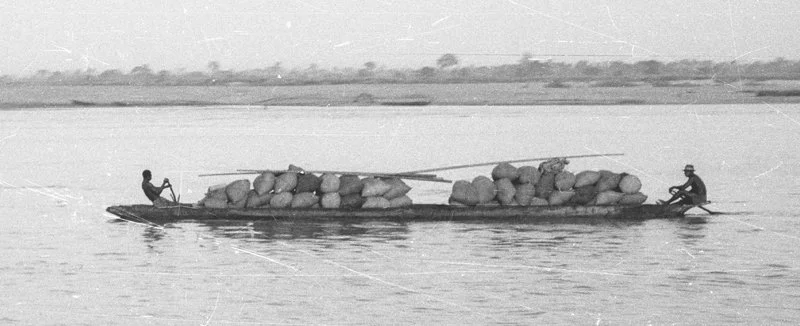
Produce laden canoe, March 1961.
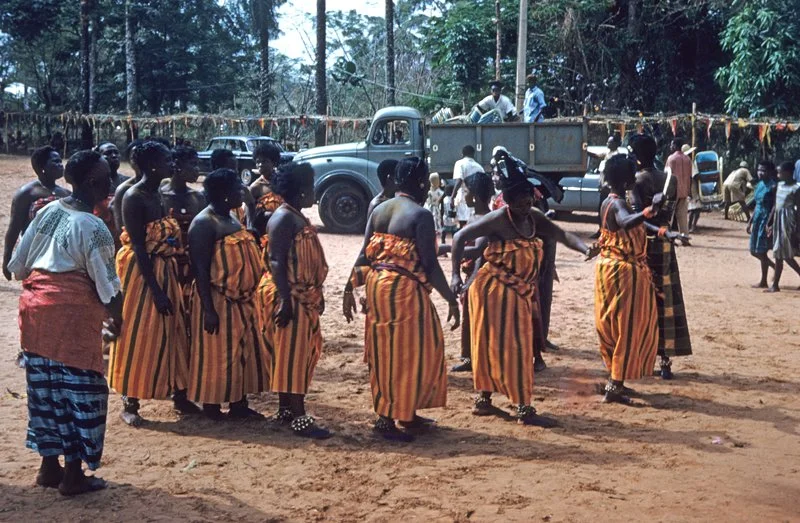
Royal Daughters dance

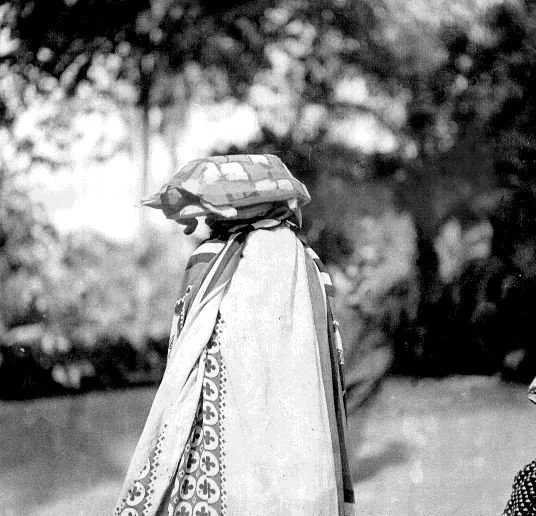
The Bearer of Ijele is celebrated by the community. His head-wrapper protection marks his identity. 📸: Richard & Helen Henderson

The Entrance to the Compound of Traditional Uli Artist Mgbadunwa Okanumme who decorated her walls for the Asha Olu Festival. Nnobi, December 1986. 📸: Liz Willis.

The set of Titled Elders ruling the town Umuerum, May 1962 📸: Richard & Helen Henderson

The view from Akpaka uplands toward “Igbo-Adegbe” or Olu. 📸: Richard & Helen Kreider Henderson.
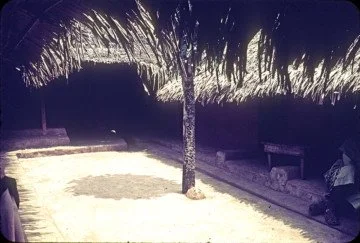
Ugbo ani ezi egbo 📸: Richard & Helen Henderson
Umuerum, May 1962-houses-boundary 📸: Richard & Helen Henderson
Umunna ikwa ozu 📸: Richard & Helen Henderson
Umunna at ikwa ozu 📸: Richard & Helen Henderson
Uwechia ukpo 📸: Richard & Helen Henderson

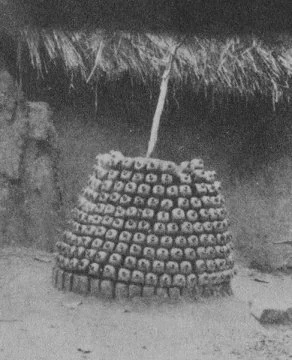
What appears to be another village boundary marker. At left , a substantial “barn” storing shocks of corn, at right, recently cut roof-thatching material, Umuerum, May 1962 📸: Richard & Helen Henderson

Leopard cub, in a photo album by Methodist missionaries stationed at Amachara, Umuahia, c. 1938. USC Digital Library.

In Onicha Olona, a western Igbo town, two individuals in the courtyard of a house with what seems to be blacksmithing tools (tongs and hammers). 📸: Northcote Thomas, 1912. MAA Cambridge.
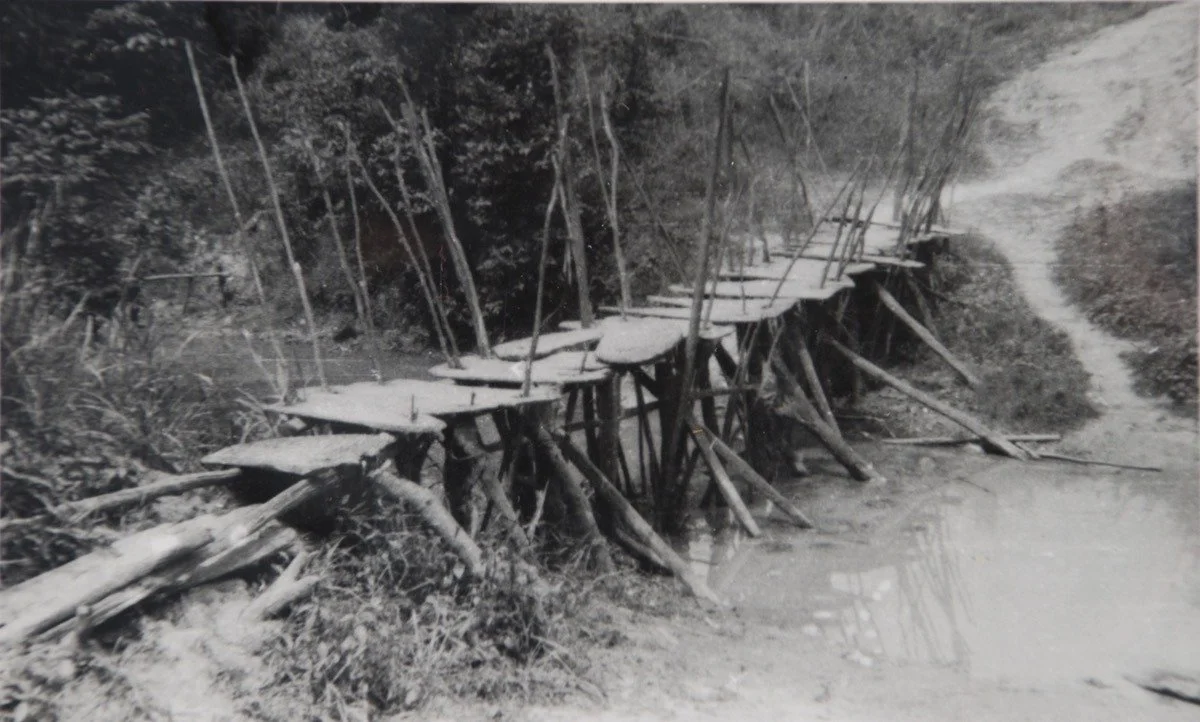
The Anam (Igbo) bridge building technique, 1943.
![“A yam dance, ‘eighu ulo’, Ibusa [Igbuzo, p.d. Delta State], Near Asaba.” Museum of Archaeology and Anthropology, Cambridge.](https://images.squarespace-cdn.com/content/v1/667099650b8ef12fccbce837/ecbb2e50-e86d-4b12-8b7a-dfb15af34cba/%E2%80%9CA+yam+dance%2C+%E2%80%98eighu+ulo%E2%80%99%2C+Ibusa+%5BIgbuzo%2C+p.d.+Delta+State%5D%2C+Near+Asaba.%E2%80%9D+Museum+of+Archaeology+and+Anthropology%2C+Cambridge..jpg)
“A yam dance, ‘eighu ulo’, Ibusa [Igbuzo, p.d. Delta State], Near Asaba.” Museum of Archaeology and Anthropology, Cambridge.
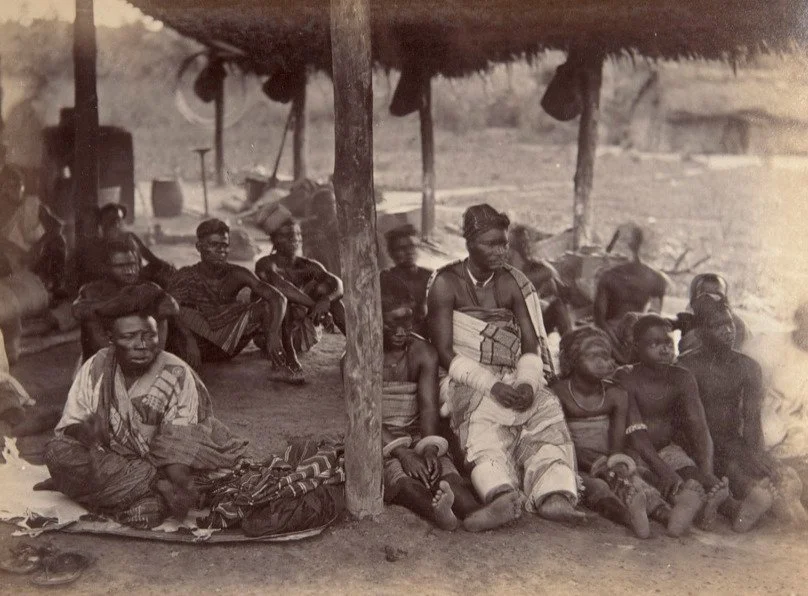
Onitsha woman trader.
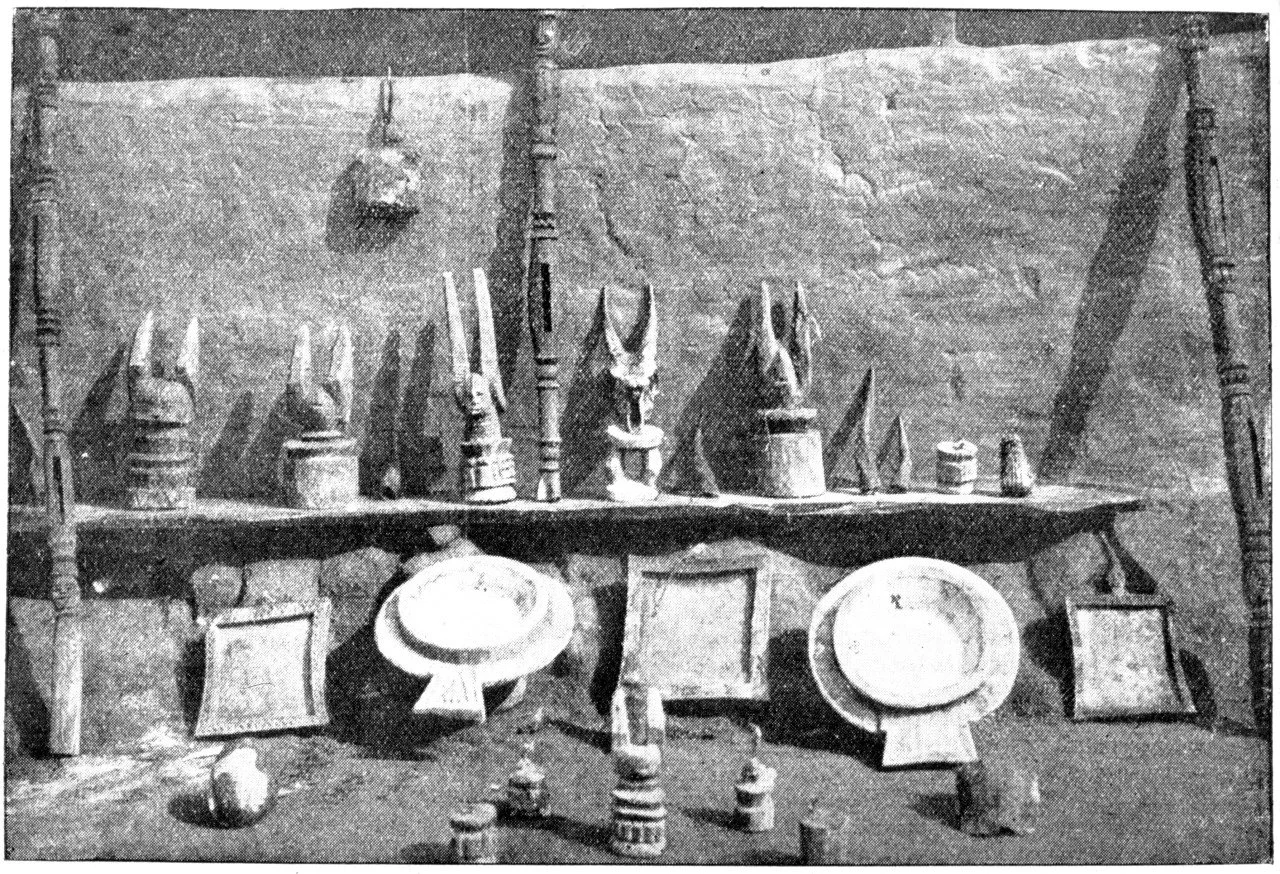
'Various forms of Ikenga and other Igbo religious items collected by French Catholic missionaries, presumably given up by Igbo Catholic converts, many Igbo (and other African) artefacts ended up in European museums and private collections this way, not directly looted, not bought, but freely given up by Africans and priced in the thousands in Europe.' From: Friederich, R.P (1916). “Le Fétichisme chez les Ibos.” Les Missions Catholiques: Bulletin Hebdomadaire Illustré de l'Oeuvre de la Propagation de la Foi, Vol. 48, No. 2474
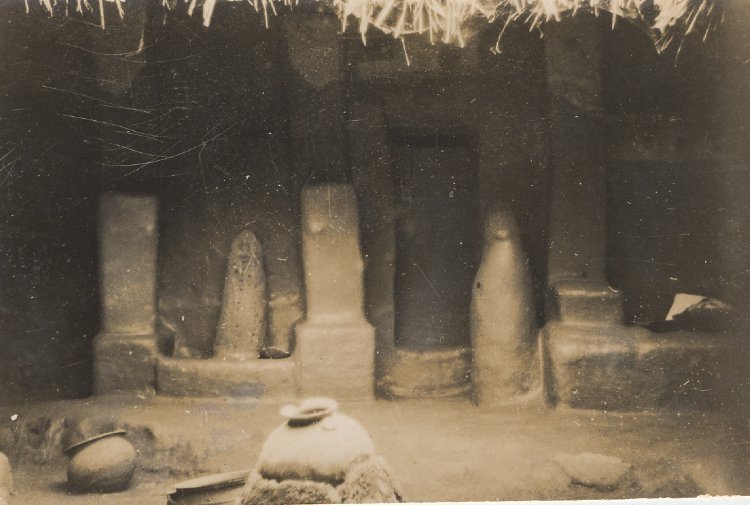
Inside an Igbo house, Edward Chadwick, early 20th century.
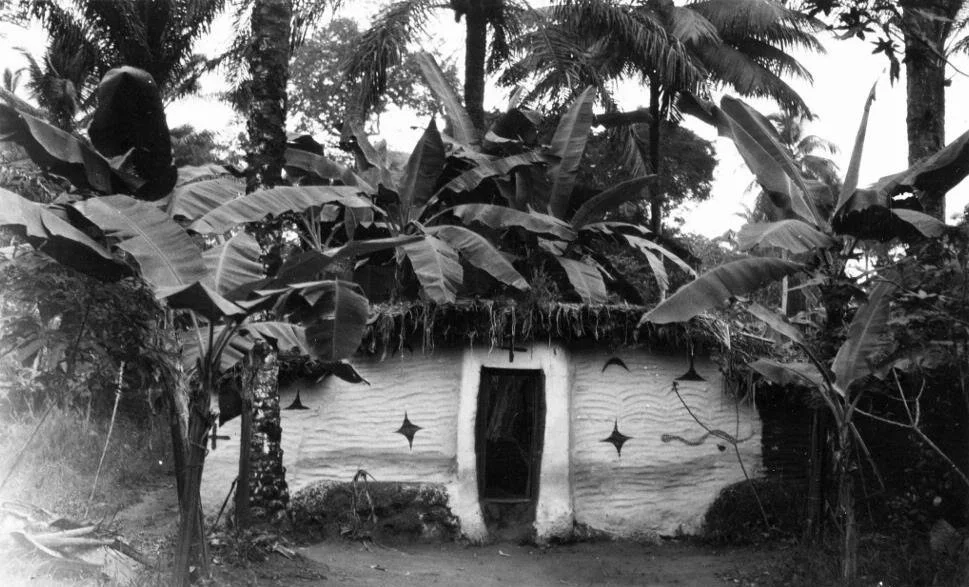
Igbo shrine house, 📸: Gustaf Bolinder, 1930-31.

Mbari shrine. 📸: Zbigniew Dmochowski, 1960s. Mbari are votive shrines found in the Owerri area of Imo State Nigeria among the Urata Igbo people and their neighbours.
![Igbo notables and Ozo staff, unknown origin, 1900-1915. [cropped and coloured Ukpuru blog 2017]](https://images.squarespace-cdn.com/content/v1/667099650b8ef12fccbce837/037eb1f8-c6e6-4a9f-b8cf-371be39e02ca/Igbo+notables+and+Ozo+staff%2C+unknown+origin%2C+1900-1915.+%5Bcropped+and+coloured+Ukpuru+blog+2017%5D.jpg)
Igbo notables and Ozo staff, unknown origin, 1900-1915. [cropped and coloured Ukpuru blog 2017]

Uli artist Agbaejije Anunobi creating a mural on an obi, a men’s meetinghouse 📸: Sarah Adams, 2000.
![Small bronze pendant medallion, 39.1.24, presumed from Igbo Isaiah. Height 6•4 cm. [700-1000 AD] — Thurstan Shaw, IGBO-UKWU (1970)](https://images.squarespace-cdn.com/content/v1/667099650b8ef12fccbce837/c4003020-e97b-4443-8735-33976a3cdda2/Small+bronze+pendant+medallion%2C+39.1.24%2C+presumed+from+Igbo+Isaiah.+Height+6%E2%80%A24+cm.+%5B700-1000+AD%5D.jpg)
Small bronze pendant medallion, 39.1.24, presumed from Igbo Isaiah. Height 6•4 cm. [700-1000 AD] — Thurstan Shaw, IGBO-UKWU (1970)
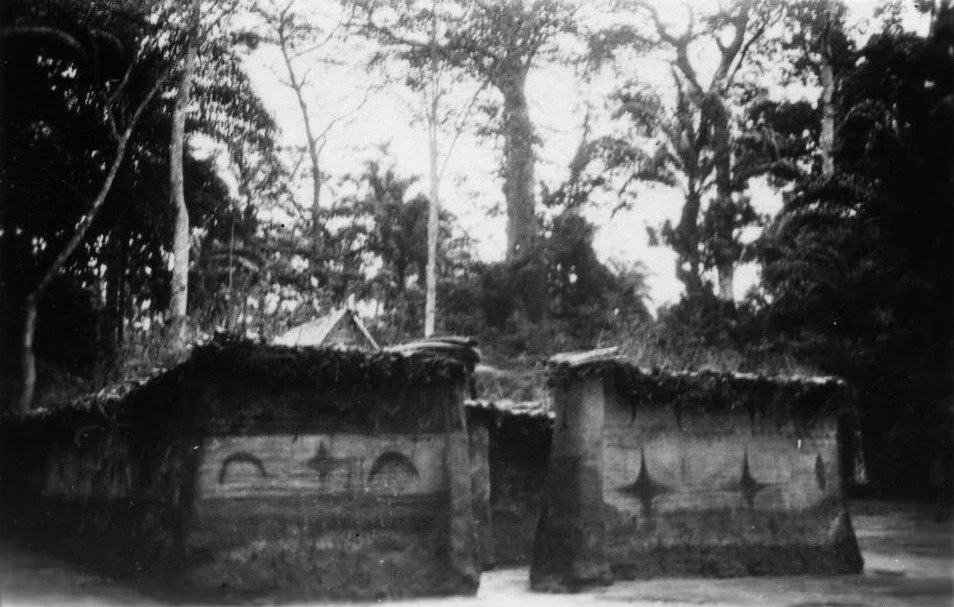
An Igbo mural made with uli graphics. 📸: Gustaf Bolinder, 1930-31.
![The initiation of a dibia is said to “open the initiate’s eyes,"meaning that the process enables the dibia to see things noninitiates cannot see. […] The ability to see what the uninitiated could not see distinguished the dibia from the layman.
John](https://images.squarespace-cdn.com/content/v1/667099650b8ef12fccbce837/cb2382c1-2d0e-47f5-87e1-93fb064f115d/The+initiation+of+a+dibia+is+said+to.png)
The initiation of a dibia is said to “open the initiate’s eyes,"meaning that the process enables the dibia to see things noninitiates cannot see. […] The ability to see what the uninitiated could not see distinguished the dibia from the layman. John C. McCall (2000). Dancing Histories: Heuristic Ethnography with the Ohafia Igbo. University of Michigan Press. pp. 27–28.
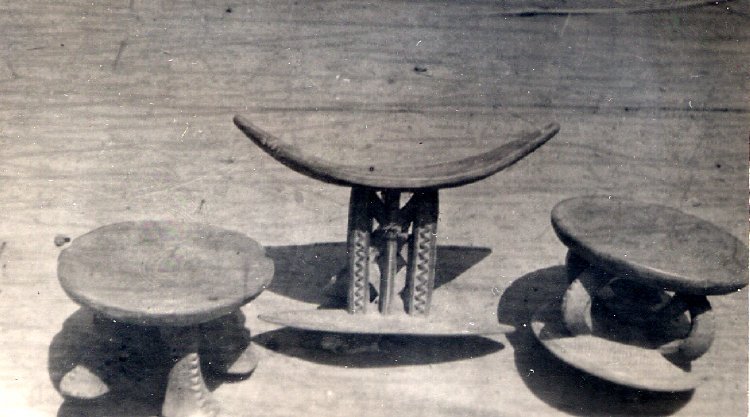
Study of three Igbo carved wooden stools. 📸: William Fagg, 1946.
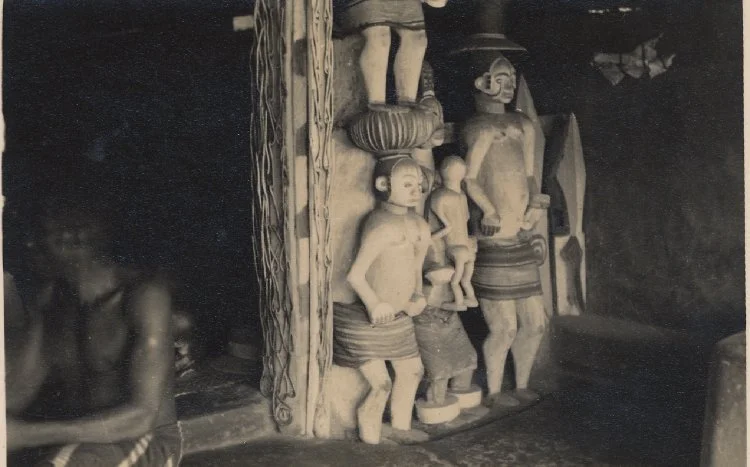
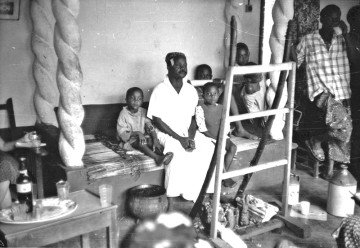
Interior of a traditional Igbo house, ancestral statues, 1930s. 📸: Edward Chadwick.

Yam plants on farming land, Ikwo Igbo village-Group, Nigeria. 📸: Simon Ottenberg, 1960.
An Ikwere man showing an incomplete masqueraders headdress, Rumuji, c. 1935. 📸: Edward Chadwick.

Mgbedike (north-central Igbo), Mmuo (Isuama Igbo), and Ogbodo Enyi (Izi Igbo) masks, 19th–20th century. Met Museum.
Interior of a “Chi” shrine at Nkarahia, Ikwerre, Southern Igboland, 📸: P. A. Talbot. 1900s.
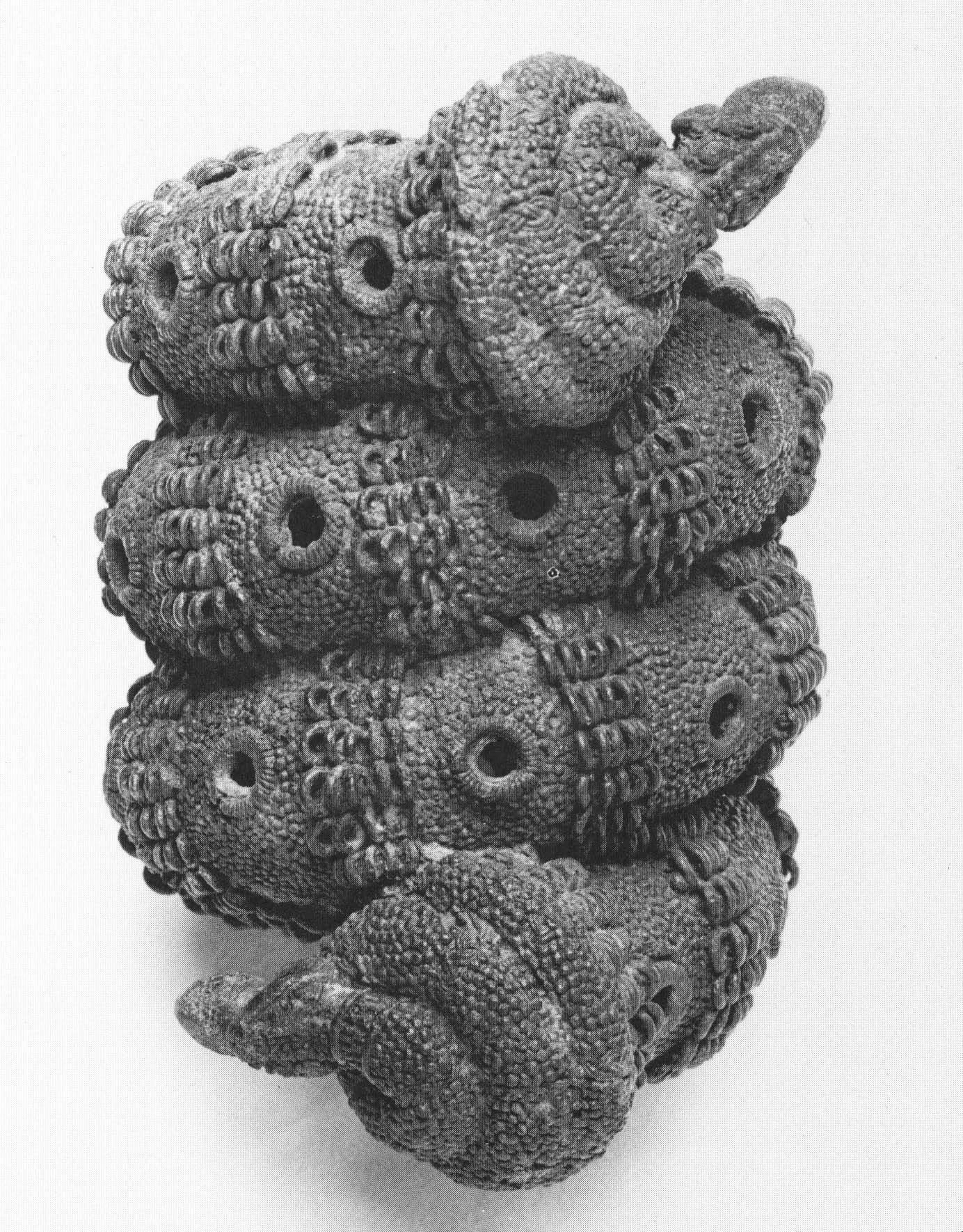
Snake motifs, excavated at Igbo Ukwu.
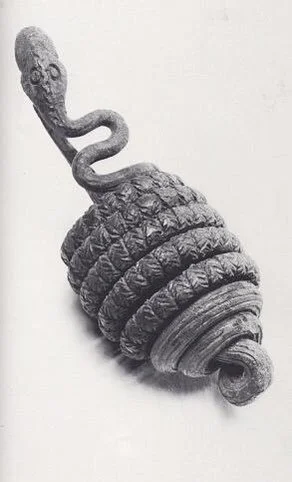
Snake motifs, excavated at Igbo Ukwu.
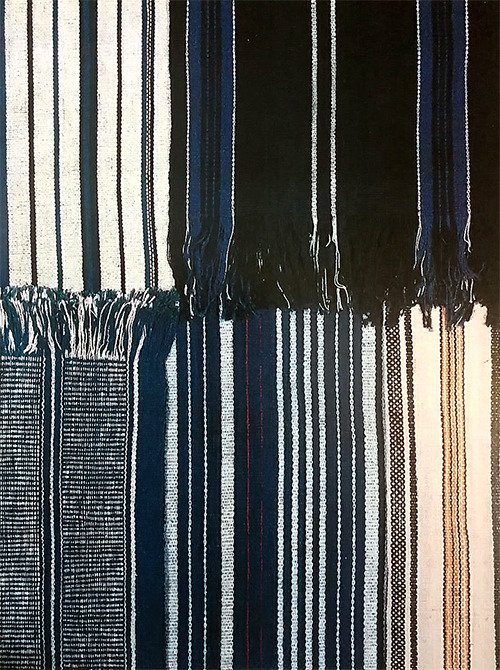
Ákwà Ḿmírí (’water cloth’)
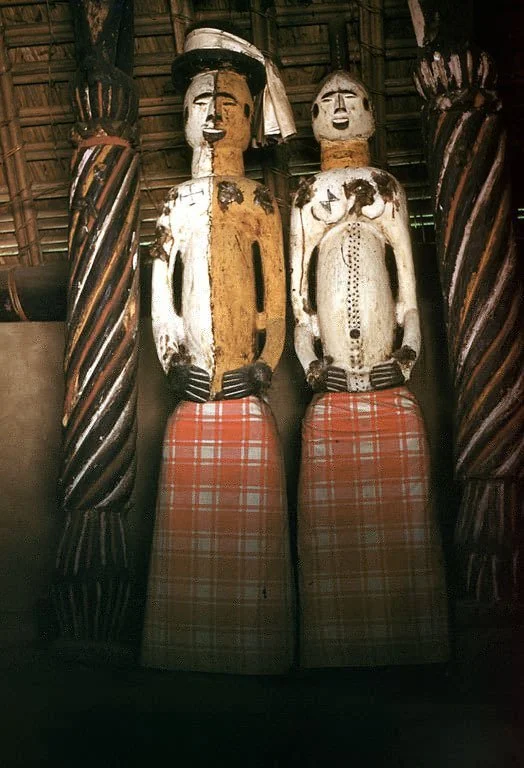
Two ancestral figures, Nne Nkwo and Nnade Nkwo, stand in the Mma Obu (ancestor rest house) of Agbogo Ward, Mgbom Village, Afikpo. 📸: Simon Ottenberg (1951–53), Smithsonian.
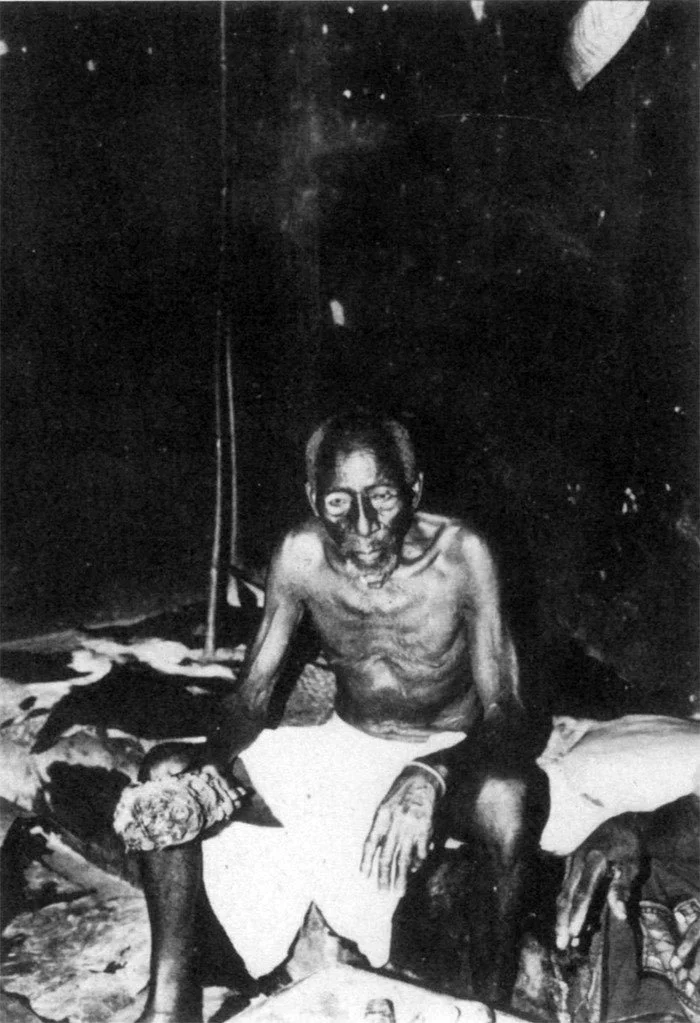
Ichie Nchekwube Azodo, Isi-Ani in Igboezunu Aguleri, holding the highest lineage Ofo in Aguleri (Ofo-Ana.
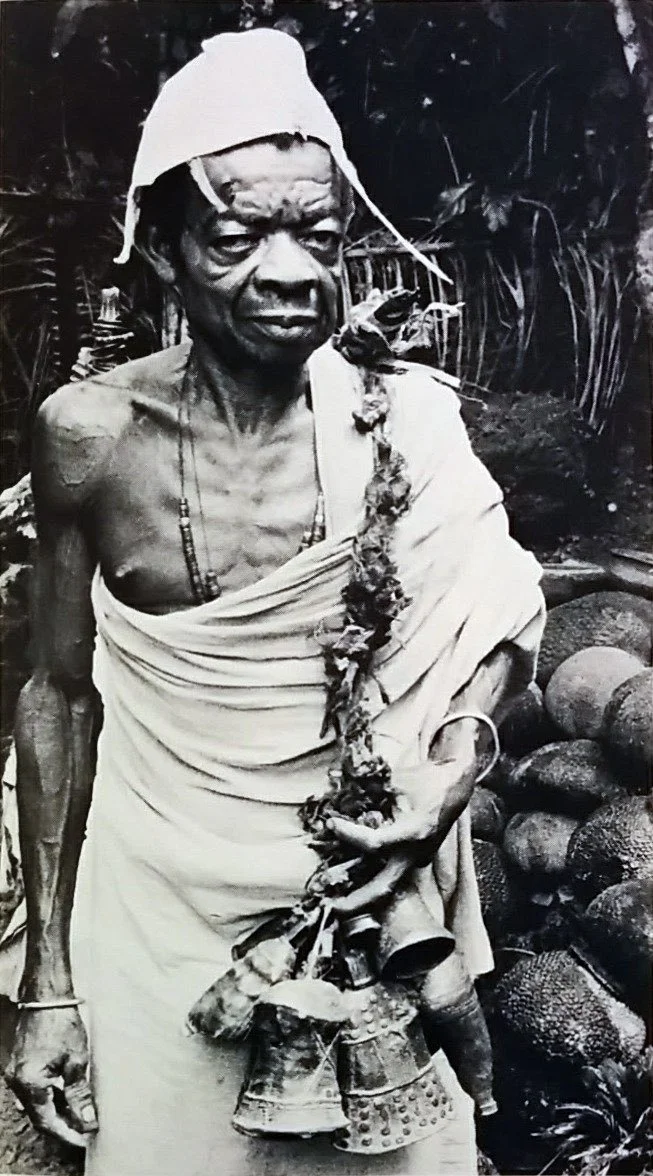
Atama (Priest) of the Ide Shrine in Ugbene Ovoro (Nsukka area) holding seven ancient bronze bells. 📸: Herbert Cole in 1983.
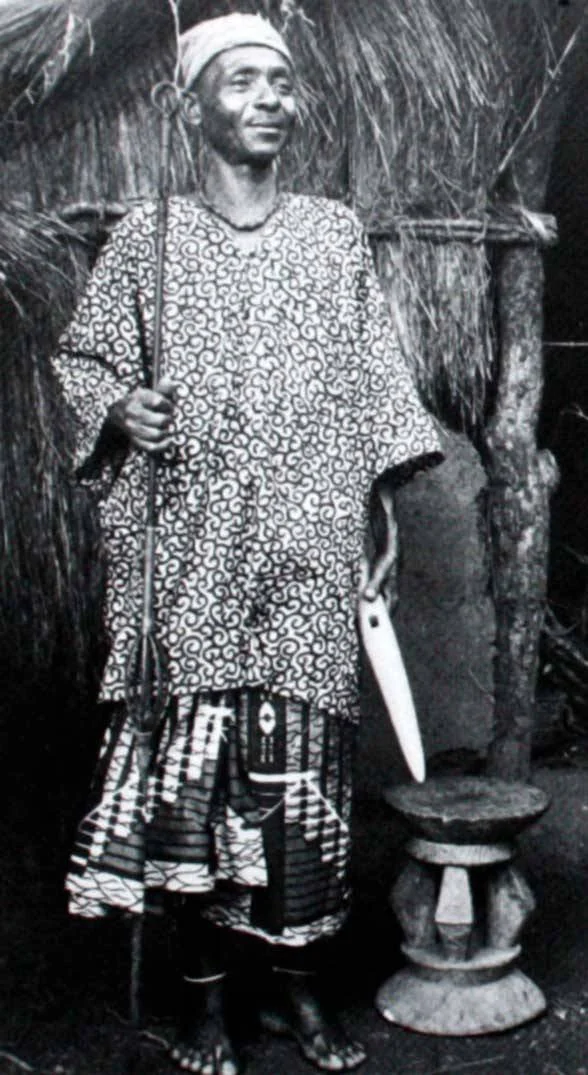
An Ozo titleholder from Nsukka, Northern Igboland, 📸: 1963-64 by David Ames.
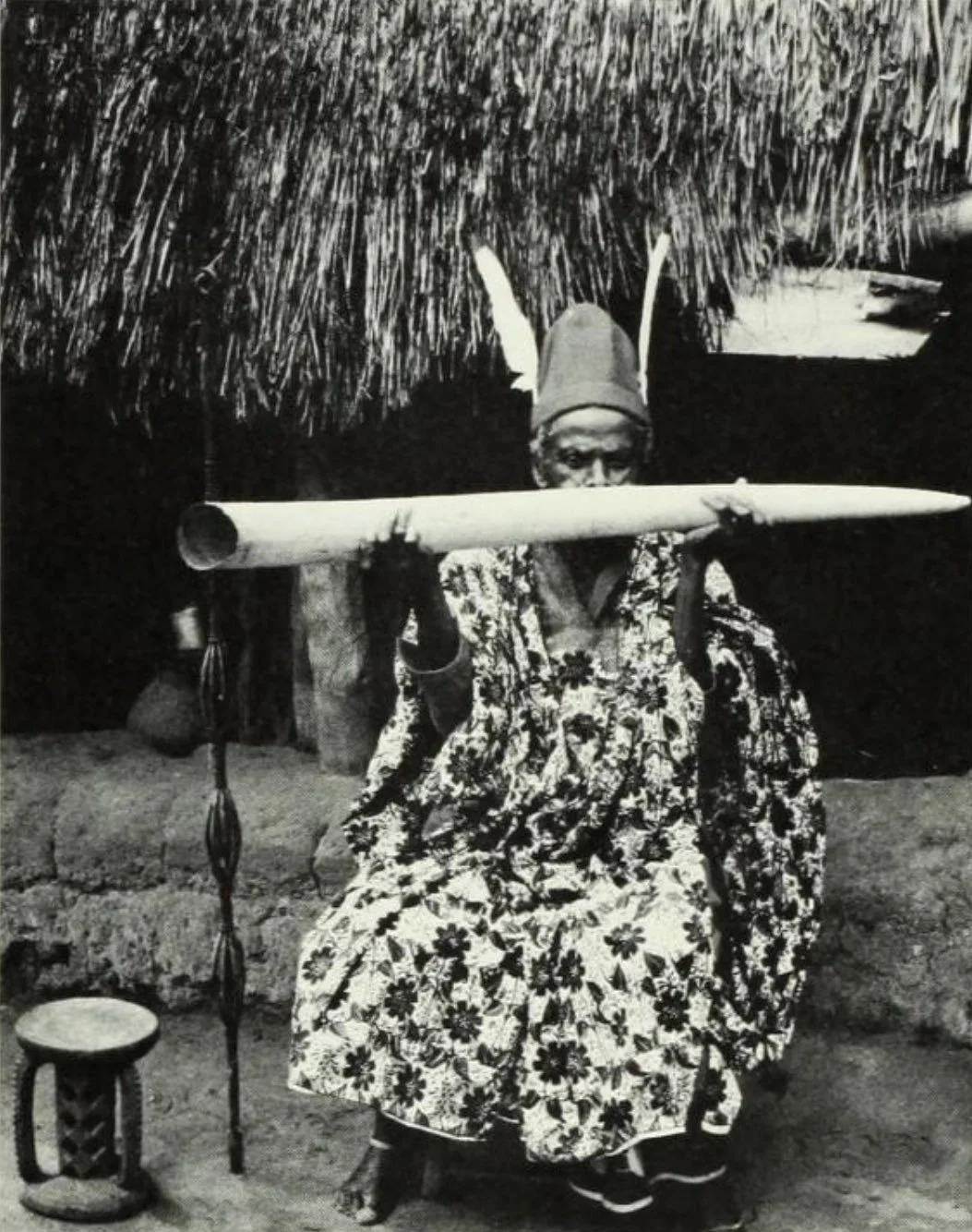
Ozo title bearer from Ebenebe, featuring an elephant tusk trumpet, a stool, and a staff, 1966.
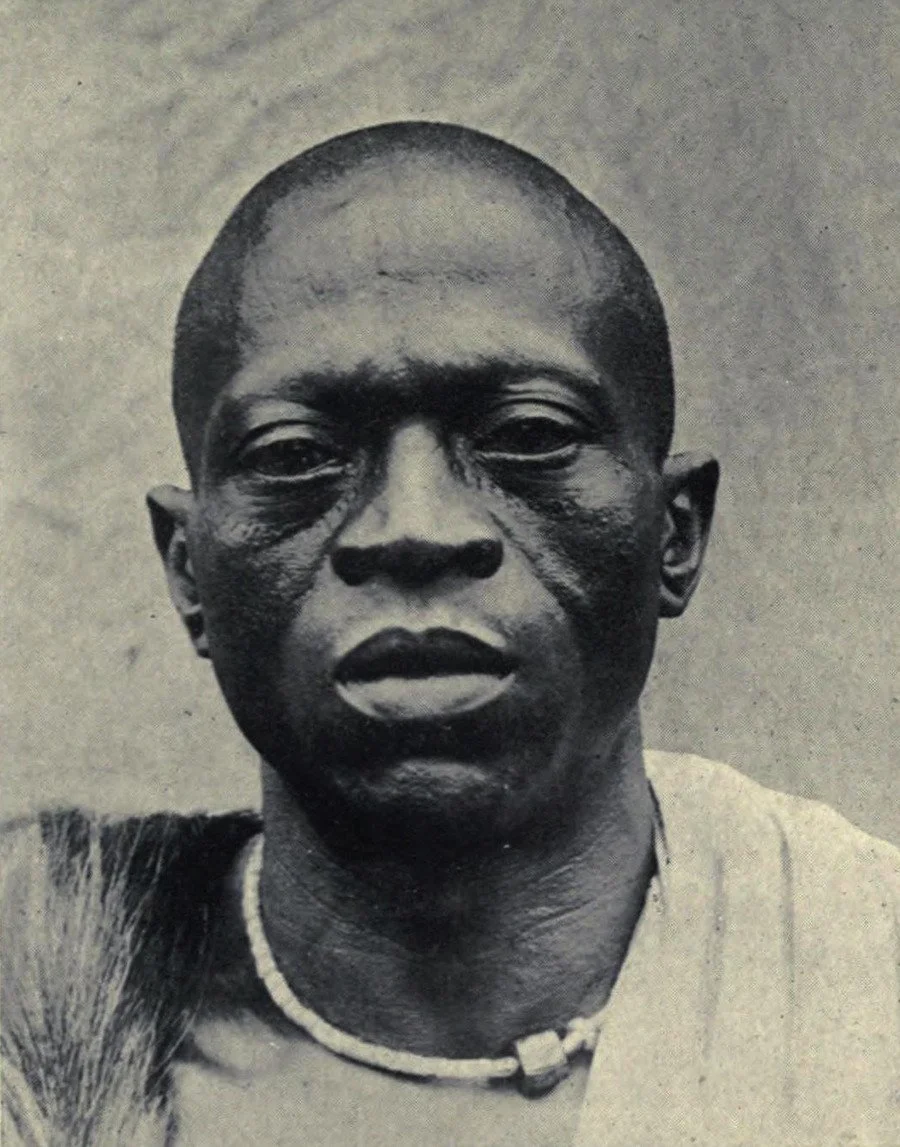
A titled Igbo man of Issele Asaba.
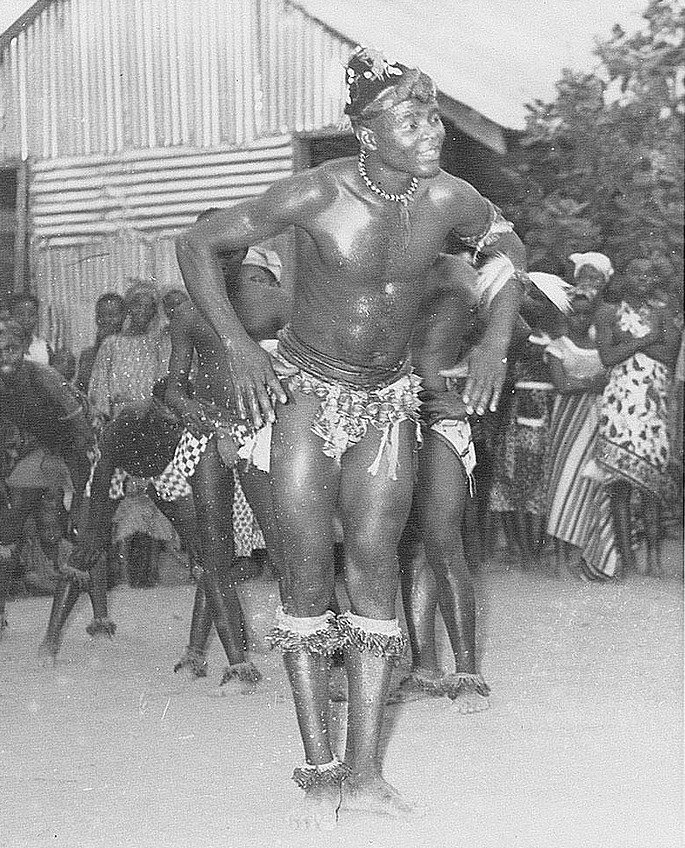
Igbo dancer, Enugu, c. 1958.

Obi Mgbeze Okpanam 📸: Northcote Thomas
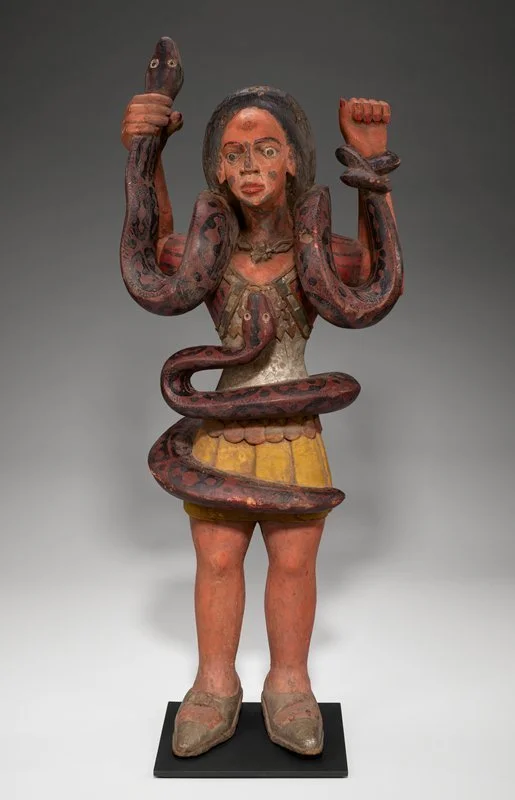
Igbo Mami Wota figure.
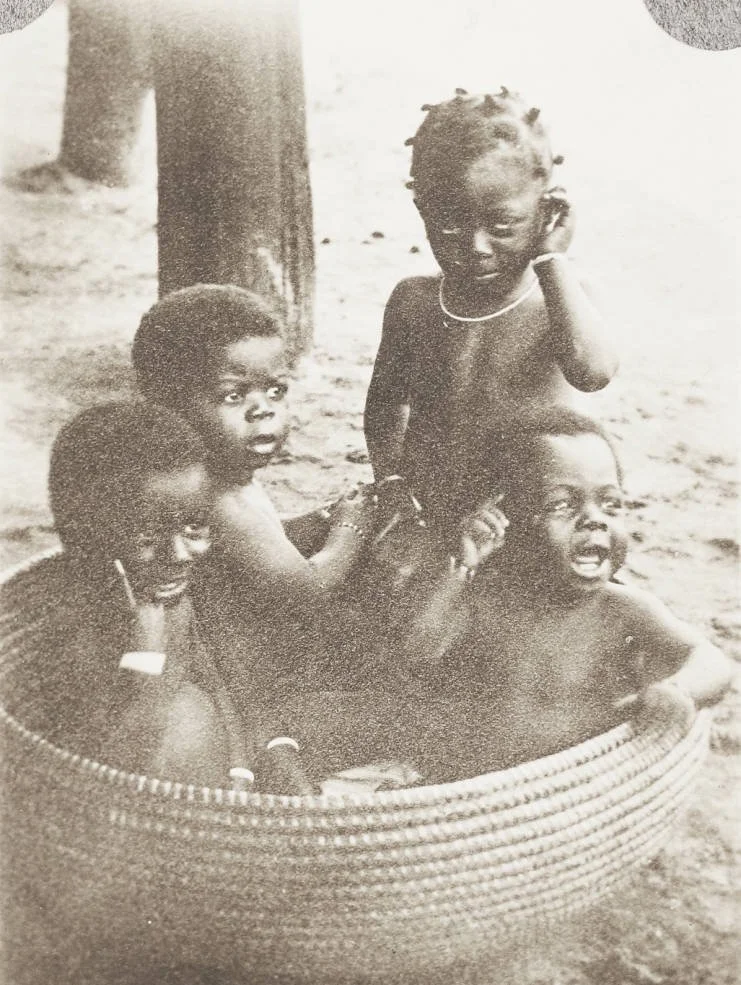
Postcard found in Umuahia.
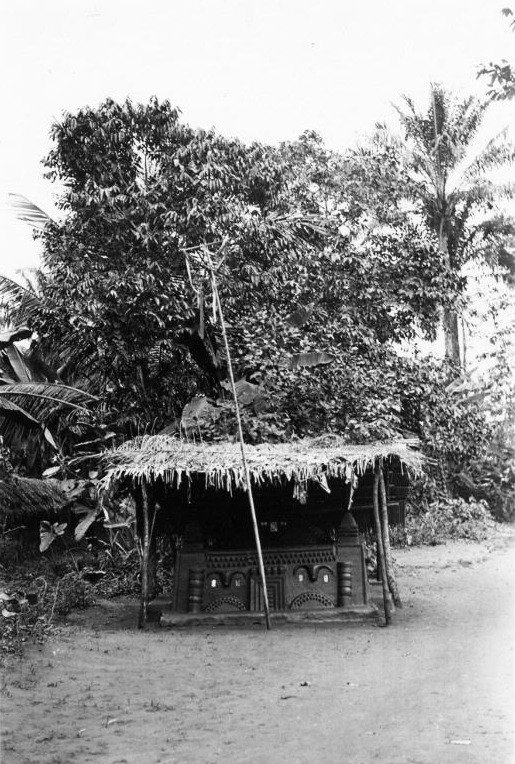
Tutelary shrine, Awka, northern Igbo area.
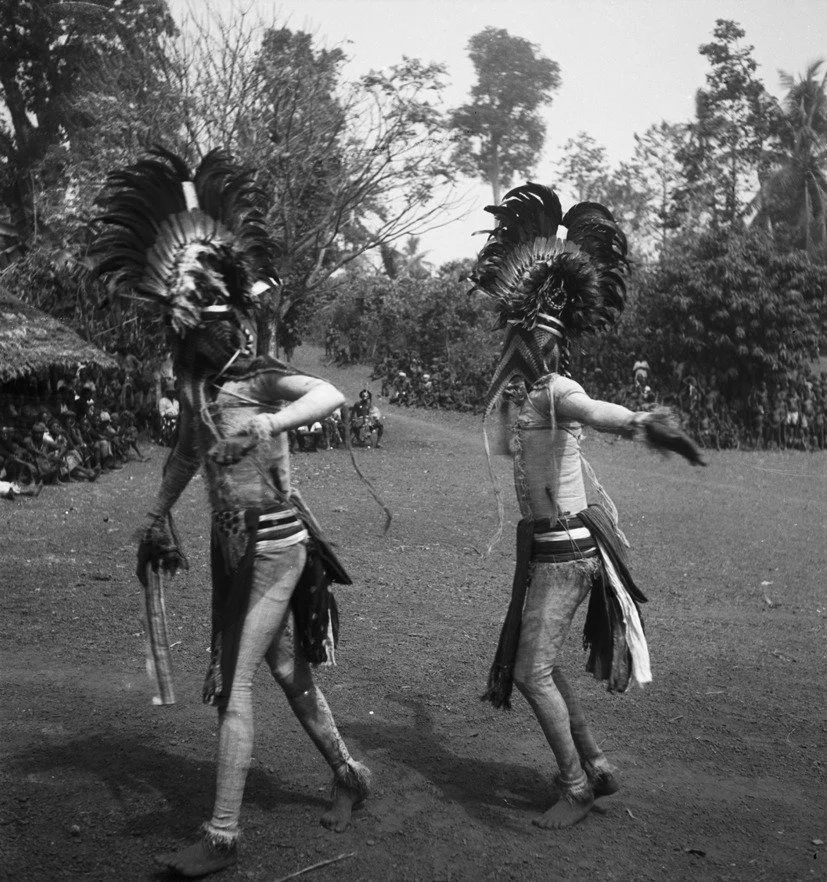
Igbo masked dancers 📸: G. I. Jones
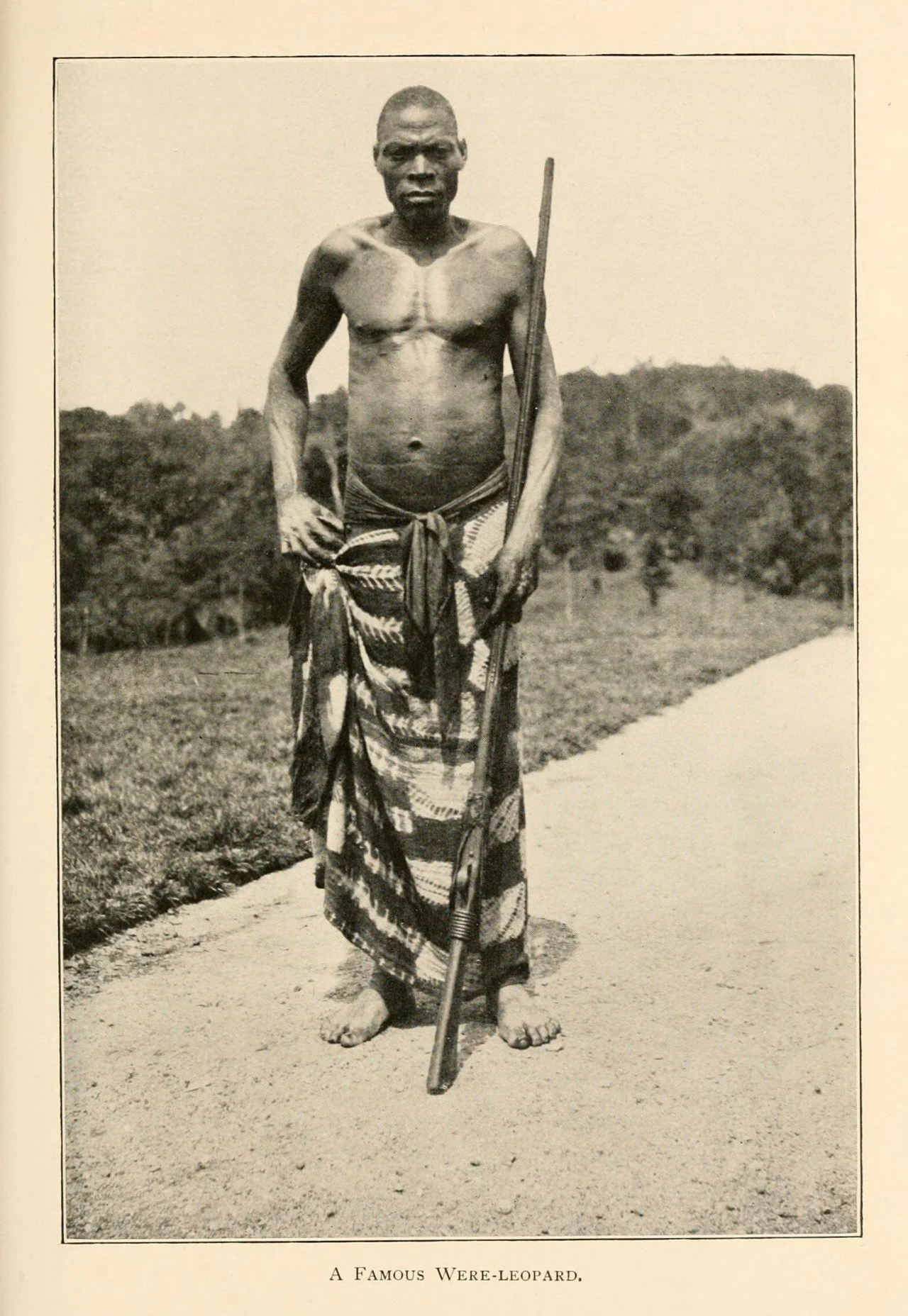
A famous were leopard.
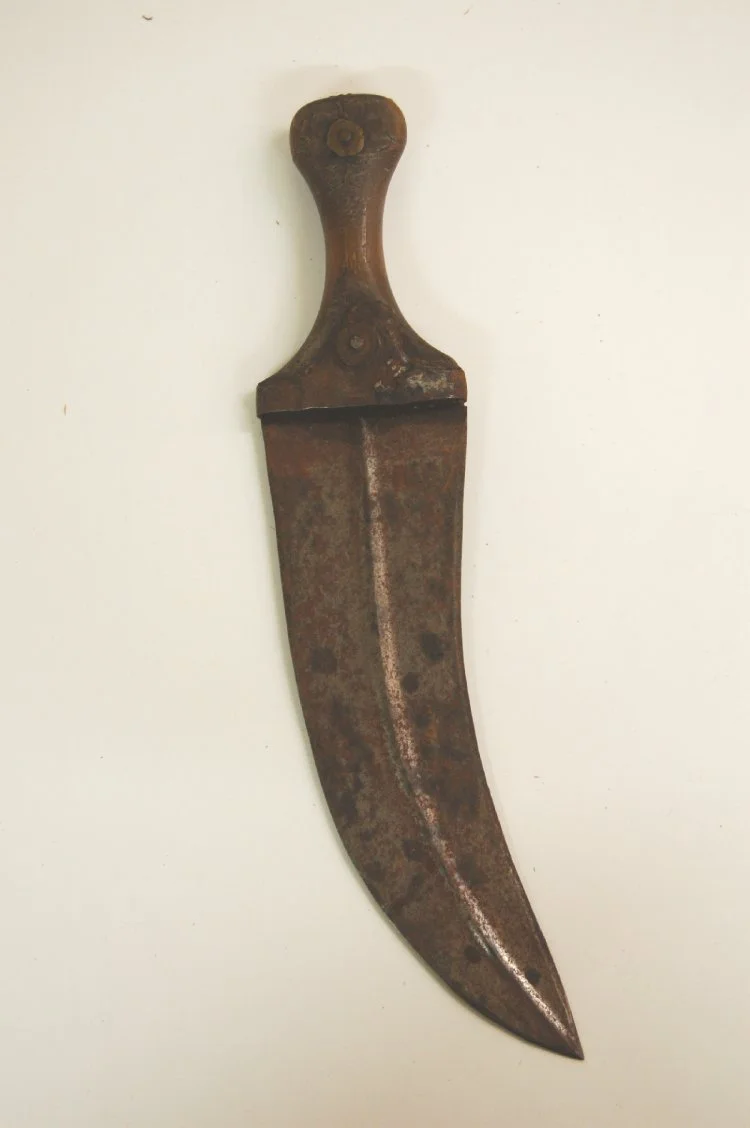
A dagger used in the Ekumeku.
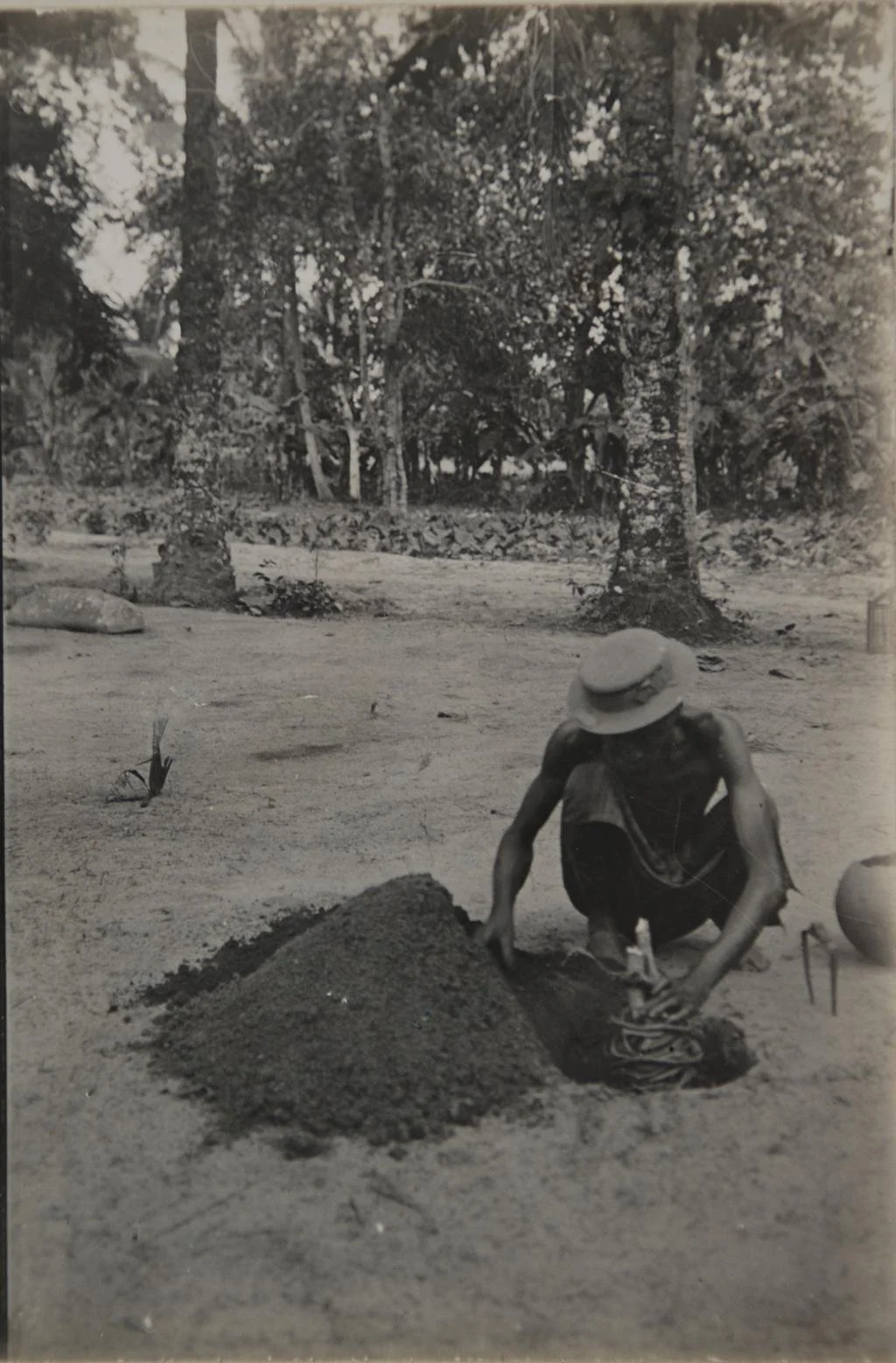
Burning palm flower.
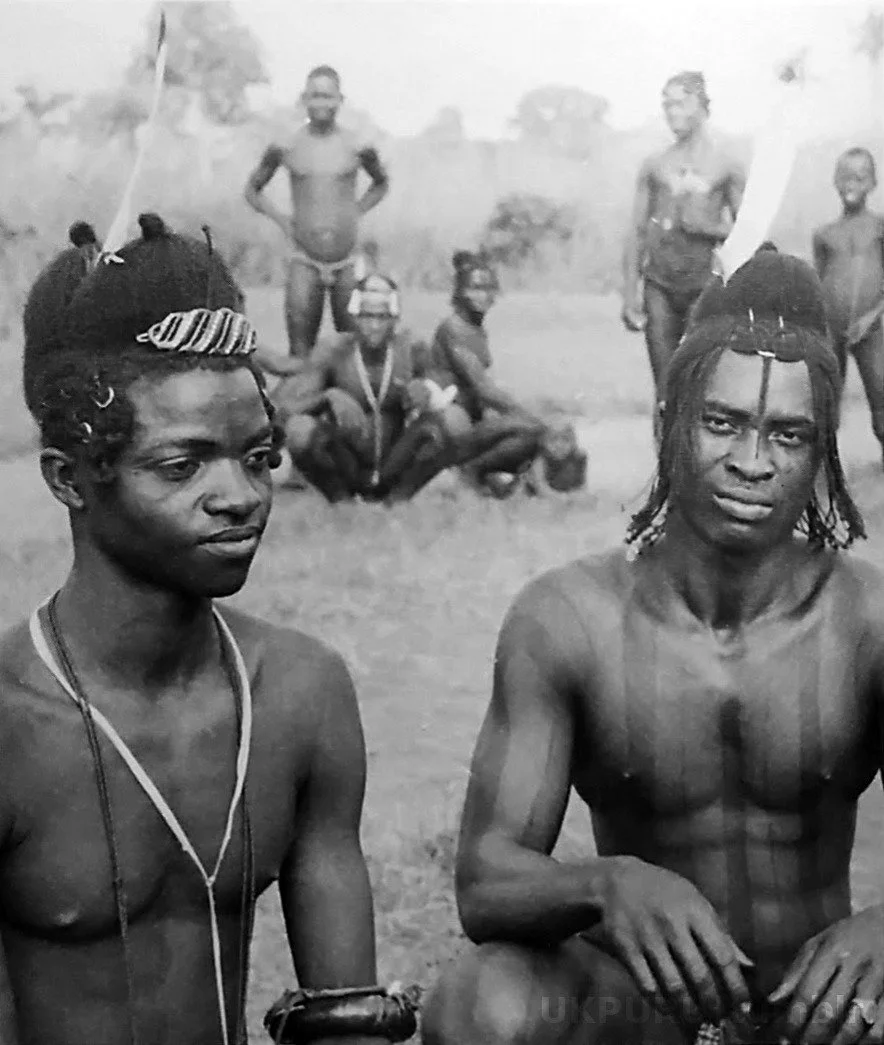
Young men of the ogbolo age-grade.
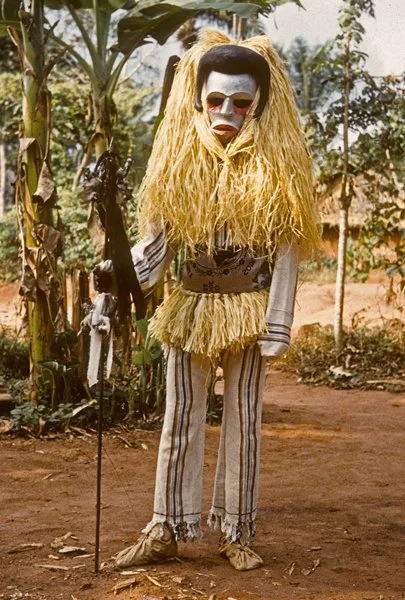
Omaba 1961 📸: Richard & Helen Henderson
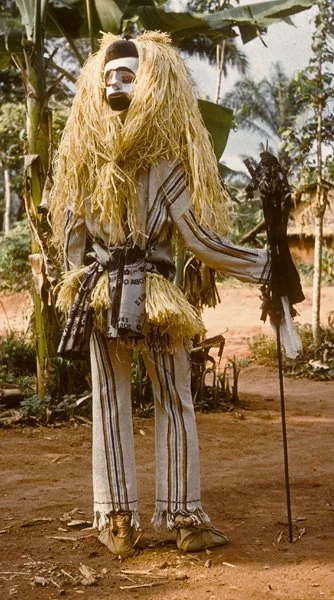
Omaba 1961 📸: Richard & Helen Henderson
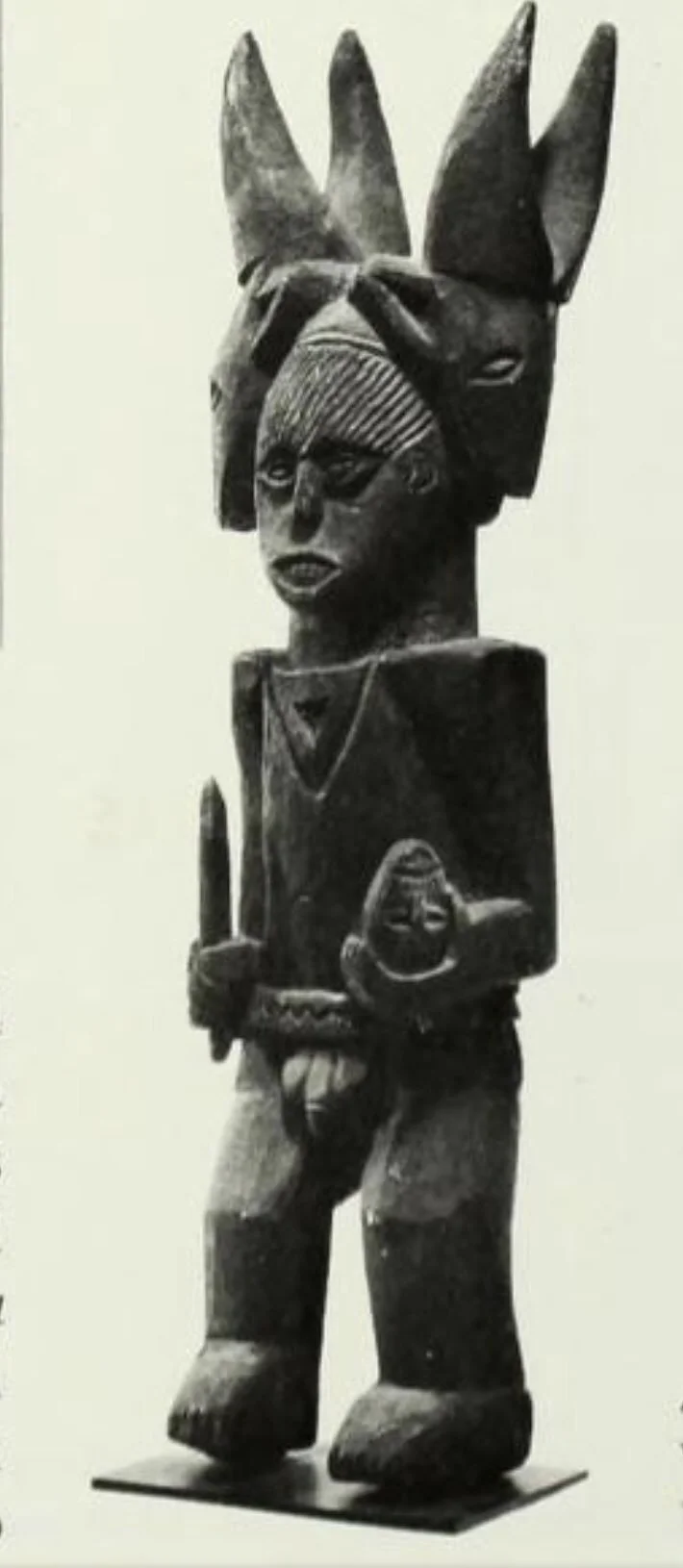
Ikenga from the Southwestern Igbo region (Ndokwa-Ukwani) with sacrificial patina measuring 18cm. 📸: Noble and Jean Endicott.
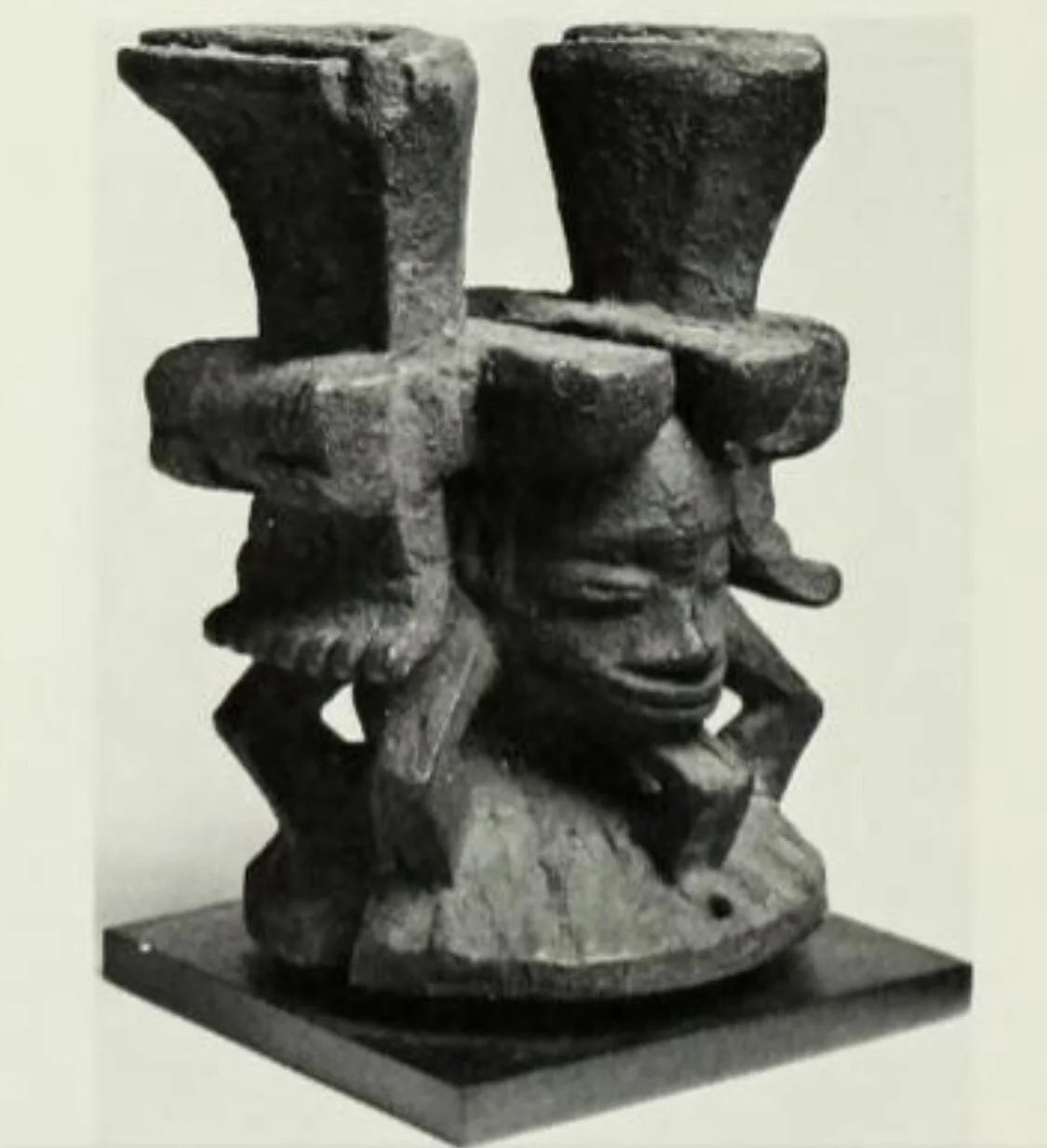
Ikenga from the Northcentral Igbo region (Nri-Awka-Okigwe), made with wood and measuring 75.9cm
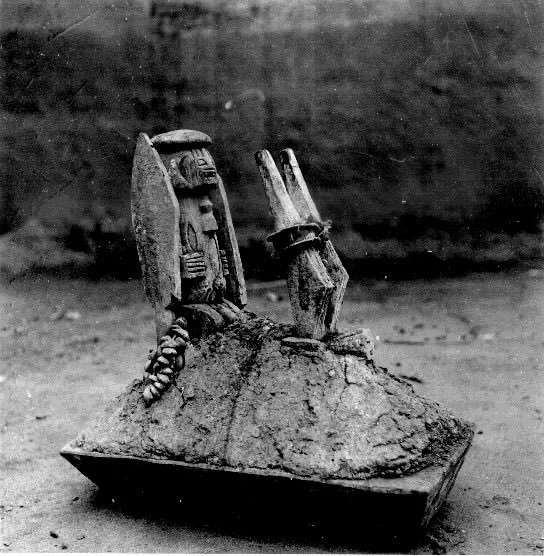
Portable household shrine North Ika, “Western” Igbo region. 📸: by G. I. Jones.
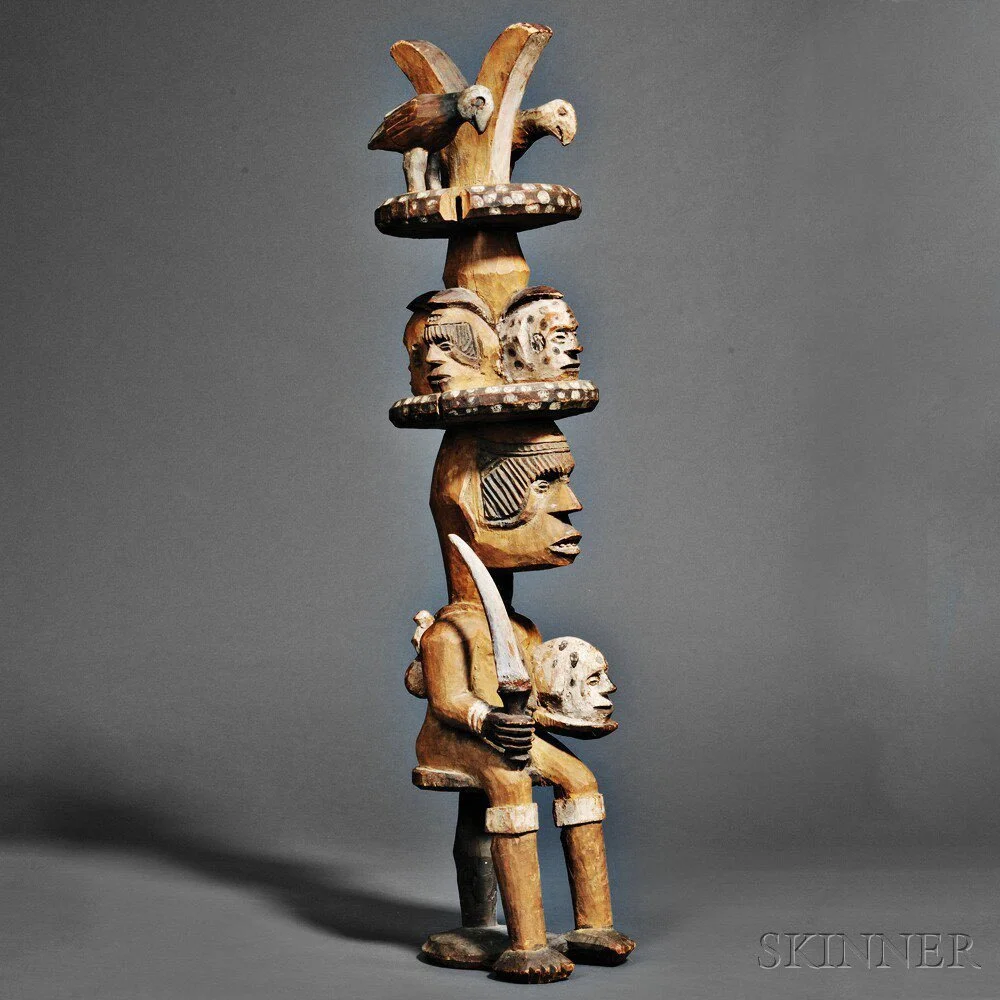
Seated Ikenga figure from the Igbo “cult of the right hand” and personal achievement, 20th century. Height: 28 ½ in. Auctioned by Skinner Auctioneers.
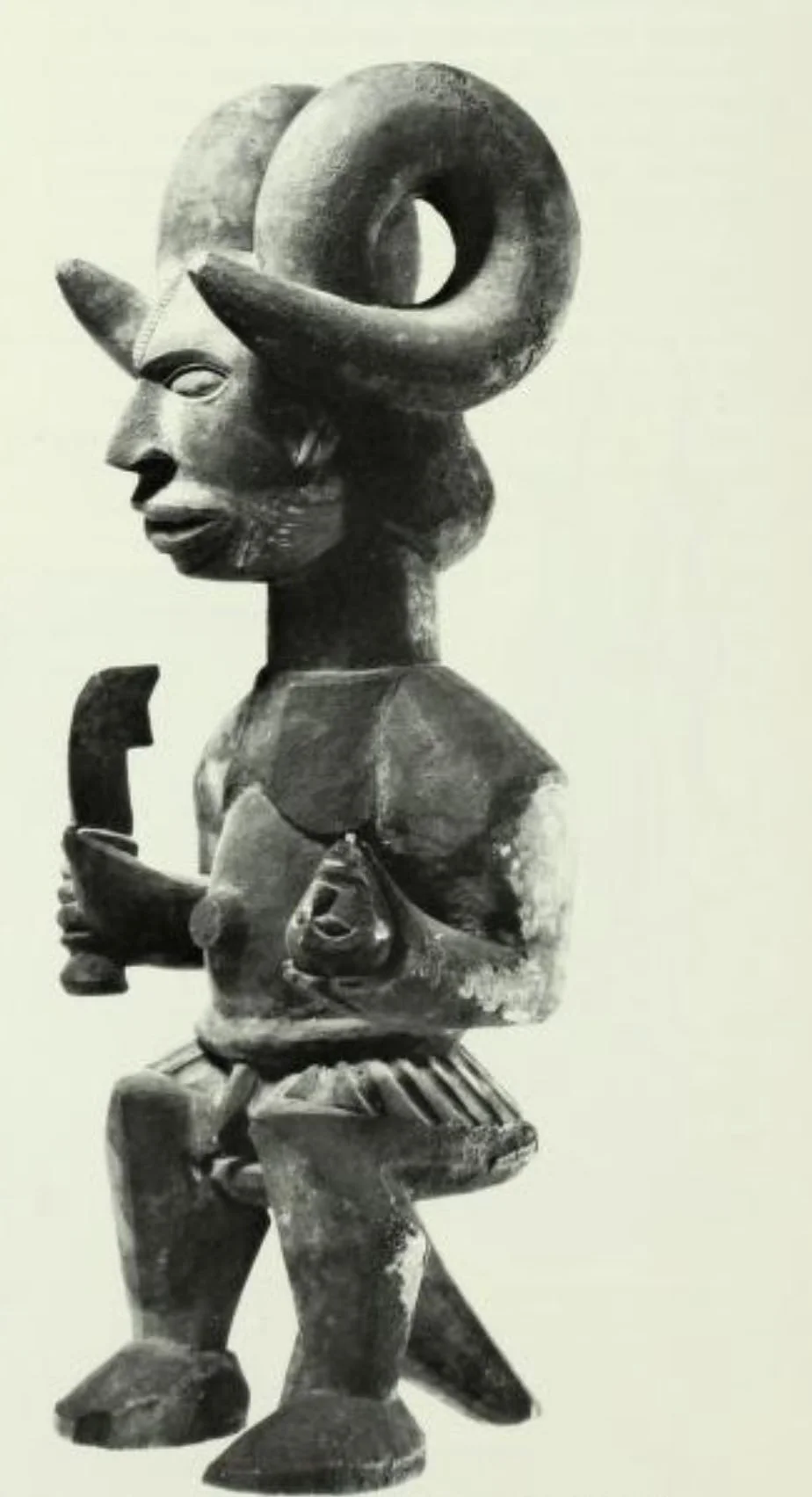
Ikenga: A wooden sculpture with pigment measuring 54.6 cm. 📸: Emily A. Wingert in the 1950s.
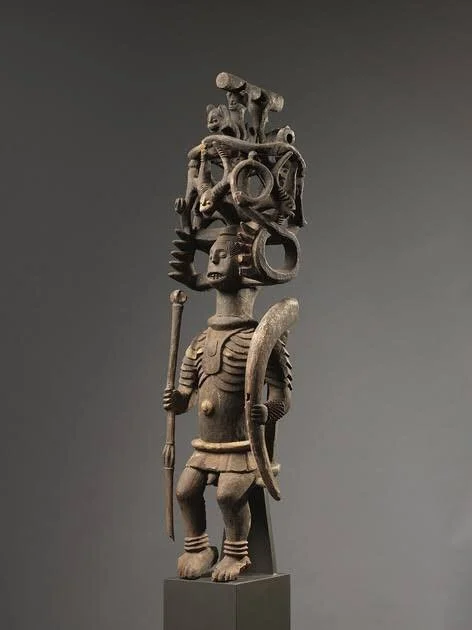
Igbo Ikenga, Princeton university art museum.

A photo of an Igbo woman from Eastern Nigeria, 📸: G. I. Jones, 1930-1939.

Ugonachomma (“the eagle that seeks out beauty”), an Igbo display figure used in festivals, 1946. 📸: William Fagg, British Museum.
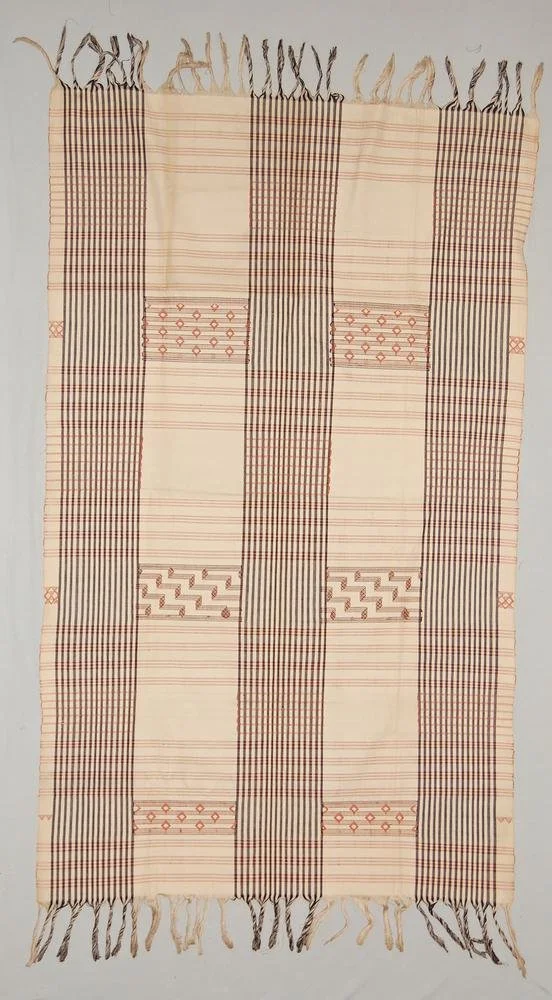
"Akwete cloth" 1880 - 1913.
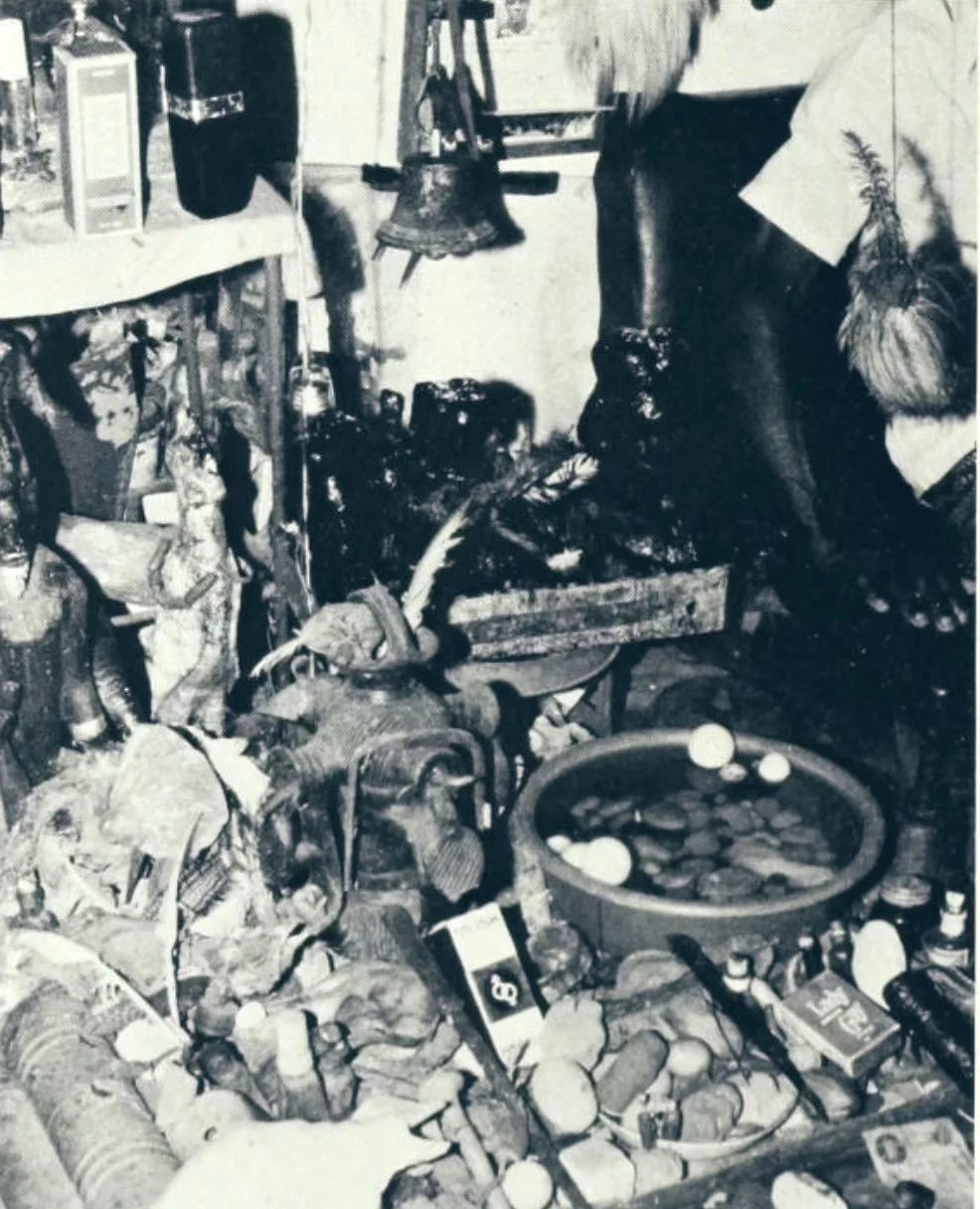
Parts of Christopher Unigwe's divination shrine, including figures of Ishiagu made pots, and numerous madicines. 📸: 1983 by Herbert Cole.
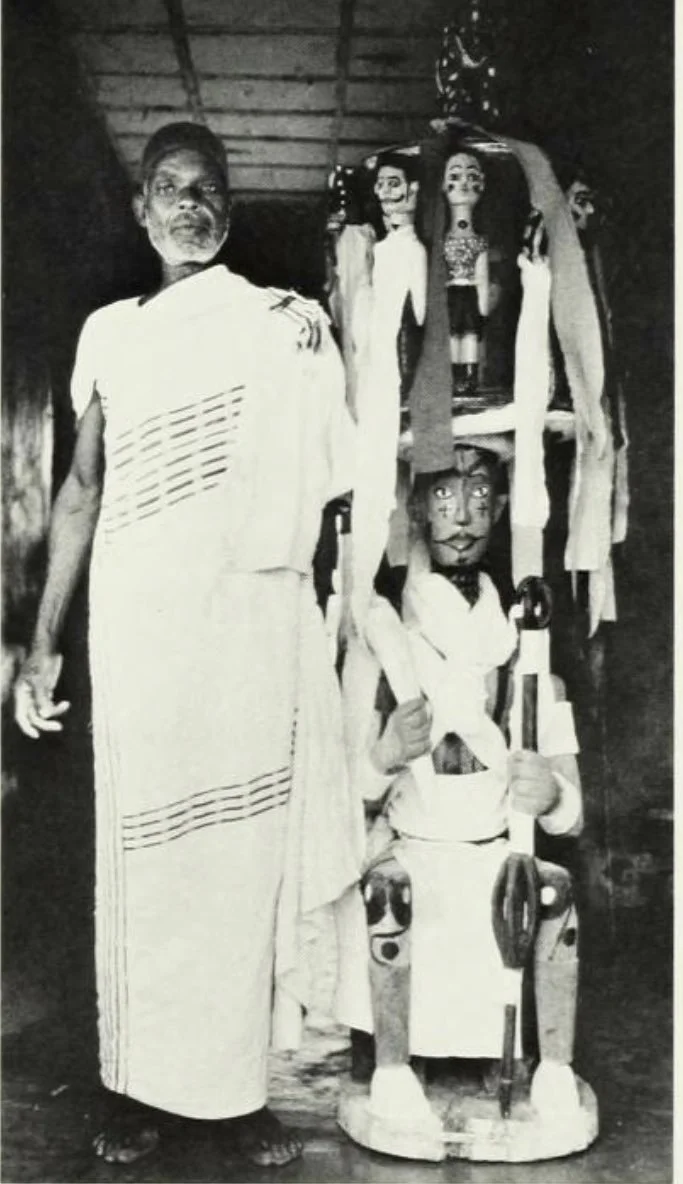
Obadigbo Obidigwe of Ezeagulu, Aguleri with a dressed Ikenga, 1983. 📸: K.C. Murray.

Ifejioku (Yam Shrine) renowned historic Igbo terracotta figure, crafted in Kwale (present-day Delta State). Standing 47cm tall, collected in 1880. Currently housed in the British Museum.

Ohafia Obu house, the central structure of a family compound. 📸: G. I. Jones, 1930s.
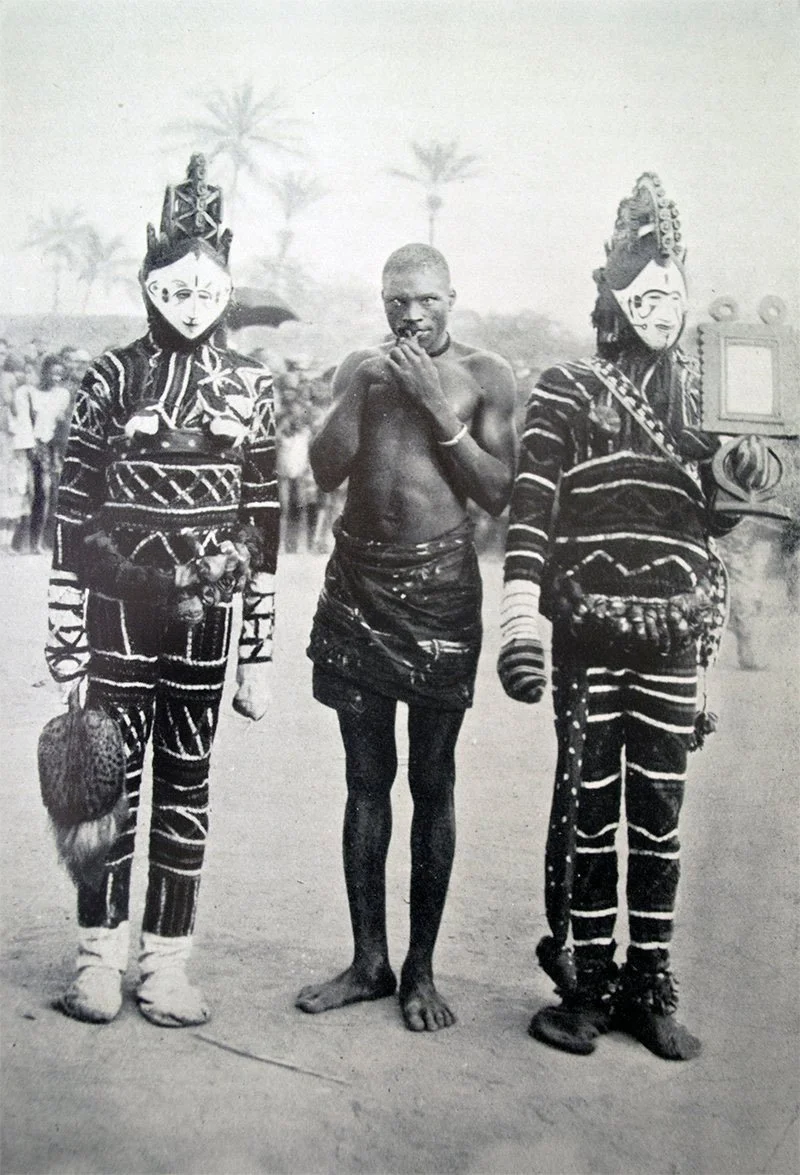
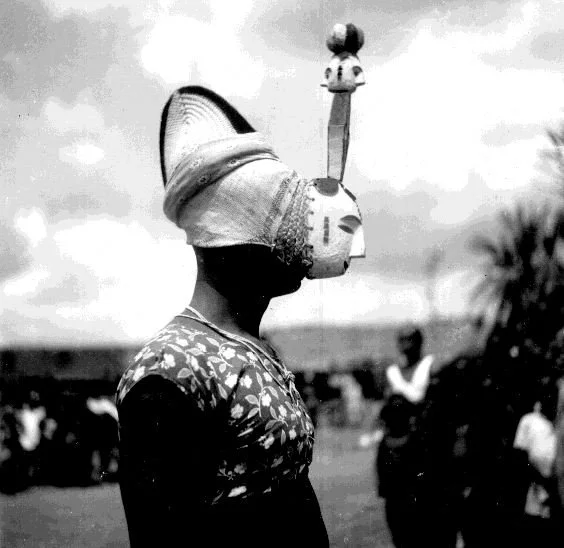
Agbọọ Mmụọ: Igbo maiden spirit masks. Early 20th century. 📸: Northcote Thomas.

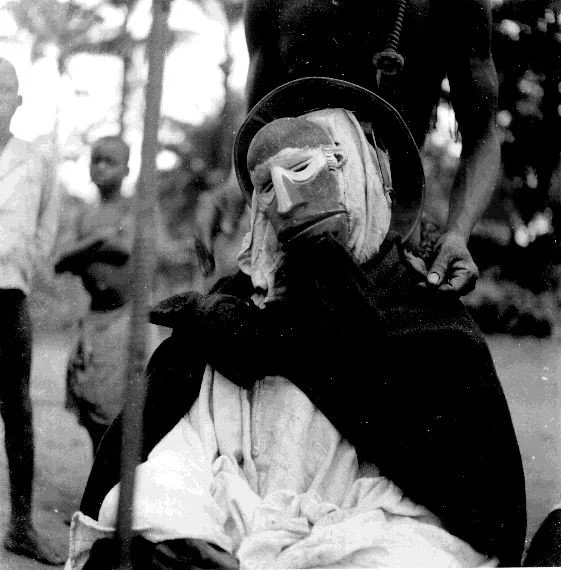
Agbogho Mmuo (maiden spirit) maskers, early 1900s 📸: Northcote Thomas.
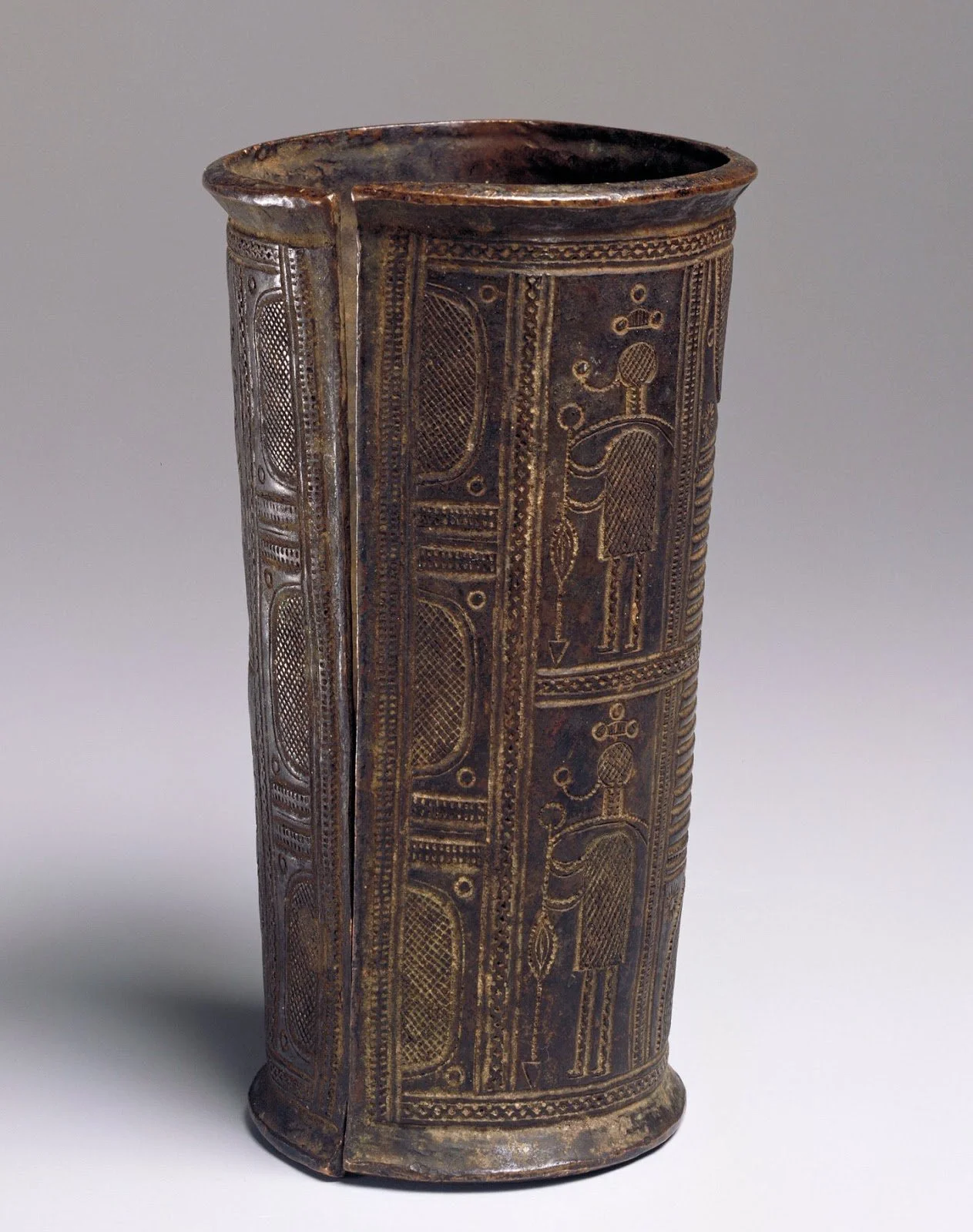
A bronze armlet of Igbo origin. Dated to the 19th or early 20th century. Housed at the Minneapolis Institute of Art.

Ibini Ukpabi shrine in front of the Nsi omomo shrine, in Ezi Akputa compound, Mgbom village, Afikpo Village-Group, Nigeria. 📸: Simon Ottenberg, 1951-1953.

Dibia sitting with feet on sacred tender palm fronds called ọ̀mụ́, praying with edible chalk in hand.

A Dibia at a masquerade dance, Nri-Awka Igbo. 📸: Northcote Thomas, 1900s.
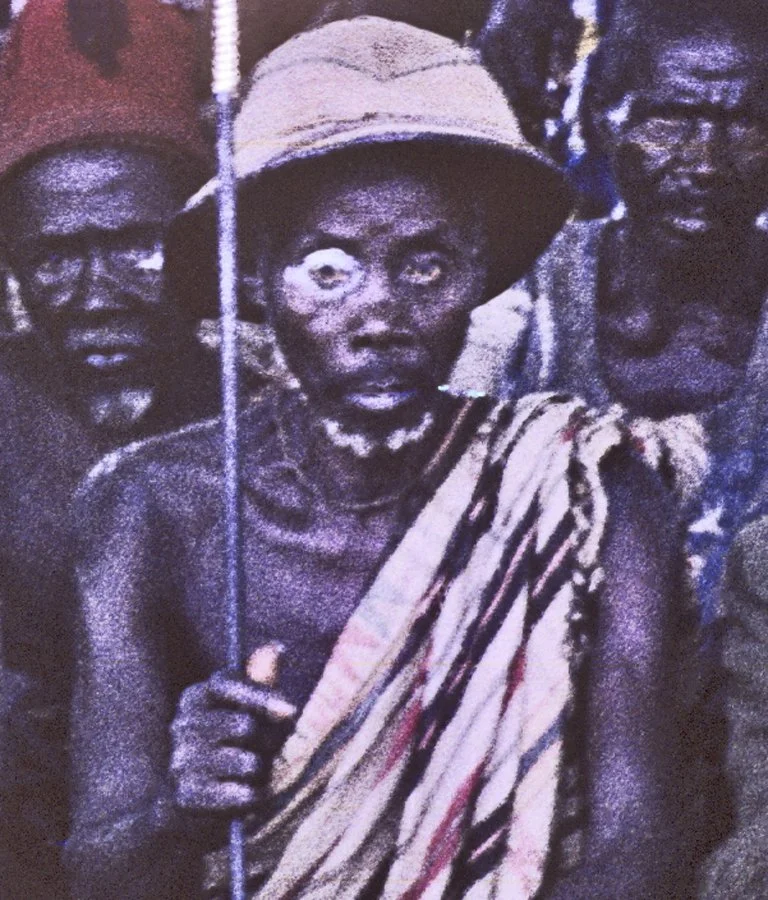
Umuerum, May 1962-spirit-eye.
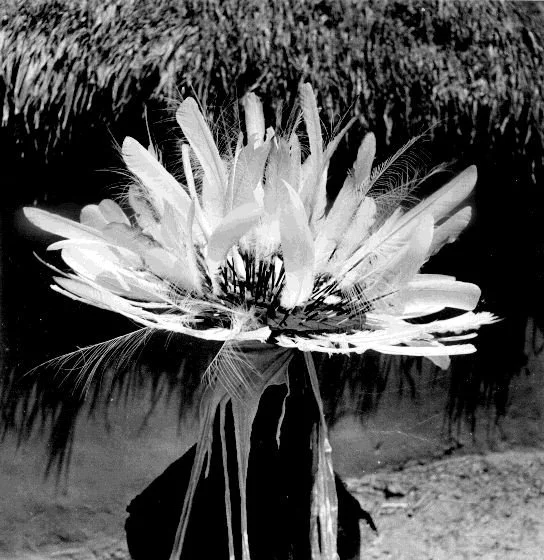
A different Otiri Ngbagba Ikoro, Abiriba. 📸: G. I. Jones
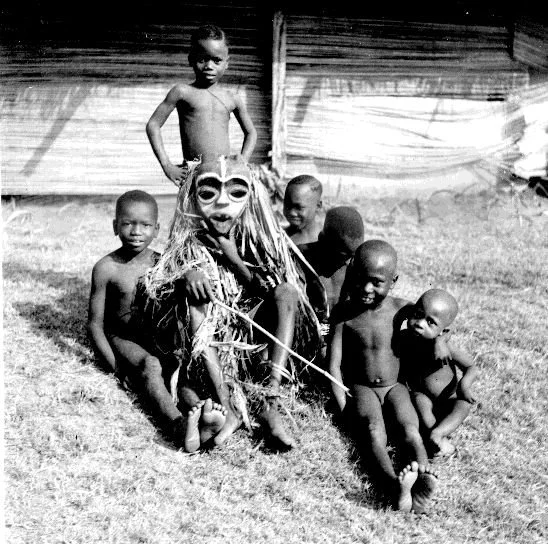
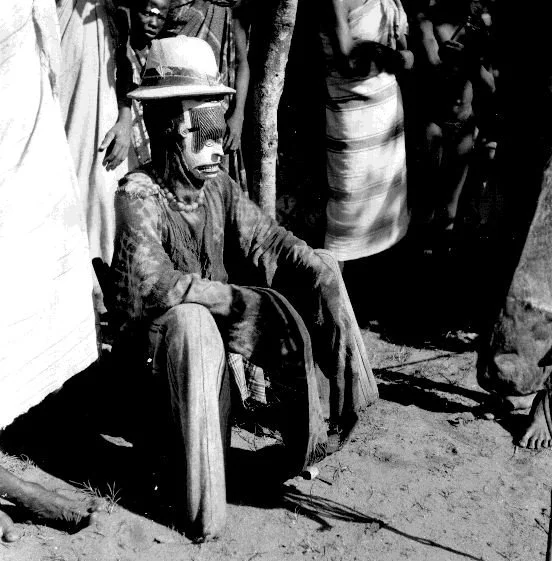
Boys masquerade (Ibibio style mask), Abiriba. 📸: G. I. Jones.
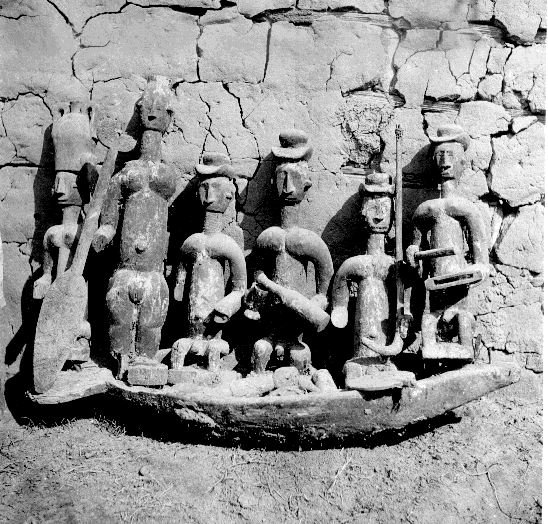
Canoe with figures Abiriba. 📸: G. I. Jones
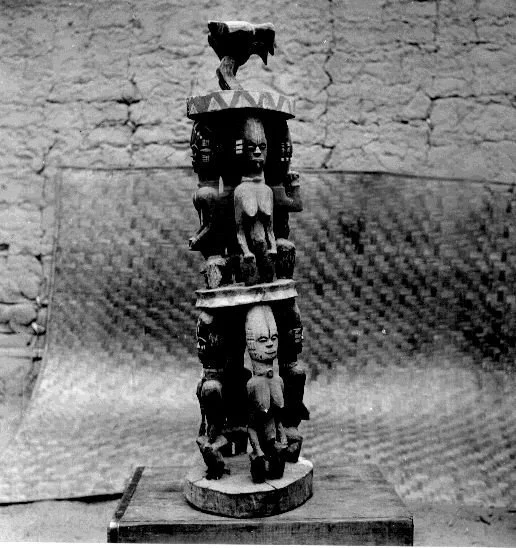
![Carved pillars in Obu house Abiriba. Jones notes: ‘Figures carved on the central pillar are: below, a woman with a waterpot on her head; above, an “Egbo runner” (i.e. the agent of the Ekpe [Egbo] secret society, his identity concealed beneath a tight](https://images.squarespace-cdn.com/content/v1/667099650b8ef12fccbce837/fc625937-2d17-46ab-b009-7c884f9570fb/Carved+pillars+in+Obu+house+Abiriba.+Jones+notes_+%E2%80%98Figures+carved+on+the+central+pillar+are_+below%2C+a+woman+with+a+waterpot+on+her+hea)
Carved pillars in Obu house Abiriba. Jones notes: ‘Figures carved on the central pillar are: below, a woman with a waterpot on her head; above, an “Egbo runner” (i.e. the agent of the Ekpe [Egbo] secret society, his identity concealed beneath a tight fitting all enveloping costume and believed by the uninitiated to be a forest daemon. The servant of the Ekpe spirit to which the society ministers.) 📸: G. I. Jones
Clown mask Ngbagba Ikoro, Abiriba. 📸: G. I. Jones.
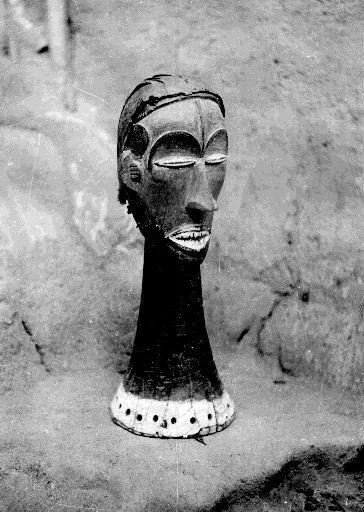
Ekpe (Igbo) head Abiriba. 📸: G. I. Jones.

Figure of woman and baby (Note the ikoro drums hanging from the ceiling of the obu), Abiriba. 📸: G. I. Jones.
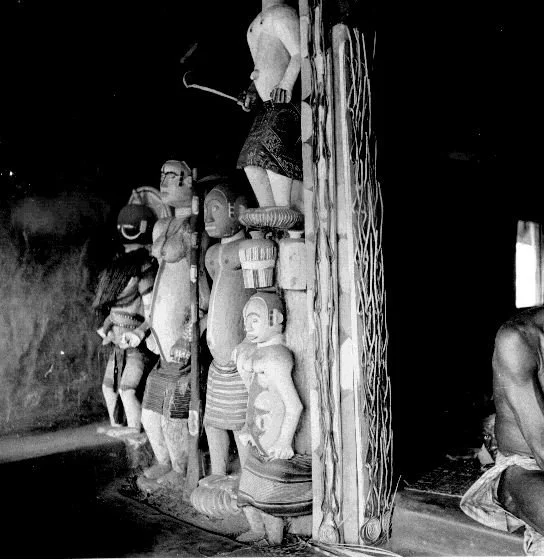
Figures in Obu Abiriba. 📸: G. I. Jones.
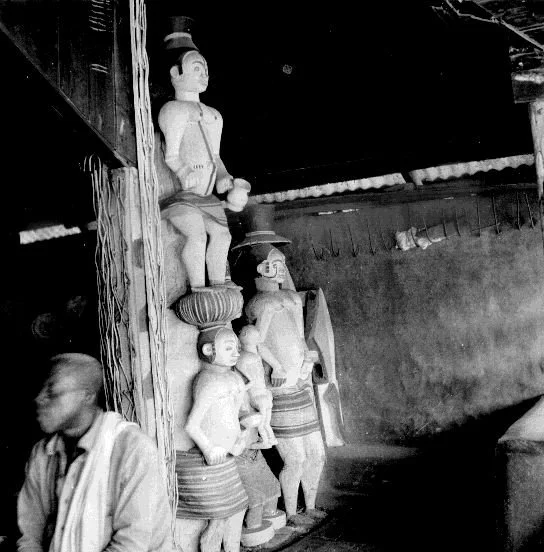
Figures in Obu Amogudu, Abiriba. 📸: G. I. Jones.

Figures in Obu house Female with pot on head, male with cutlass and trophy head, Abiriba. 📸: G. I. Jones.
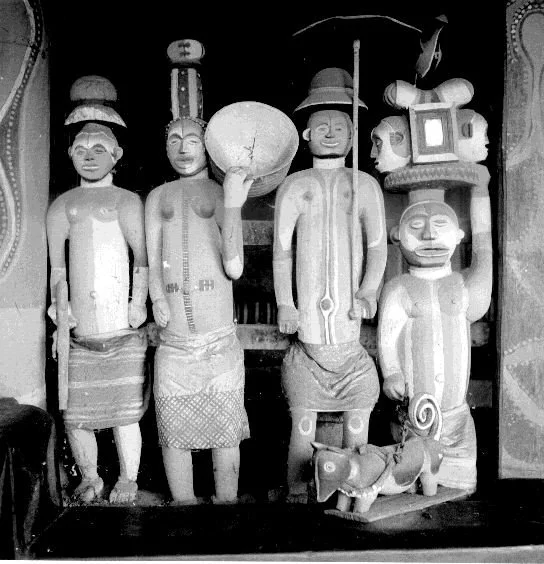
Four Obu figures Abiriba. 📸: G. I. Jones.

Mask “Cross River mask” collected by P.A. Talbot, probably Abiriba. In Pitt Rivers Museum, Oxford. 📸: G. I. Jones.
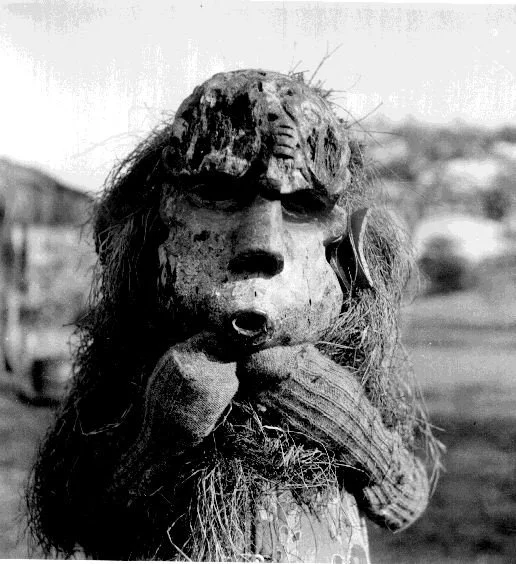
Mask Abiriba. 📸: G. I. Jones.
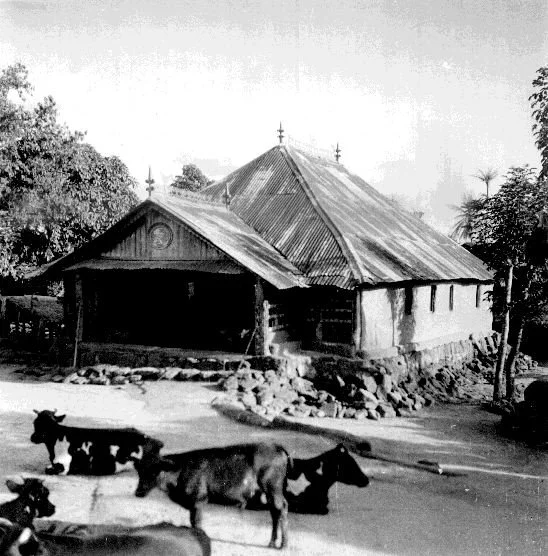
Obu house Abiriba. 📸: G. I. Jones.
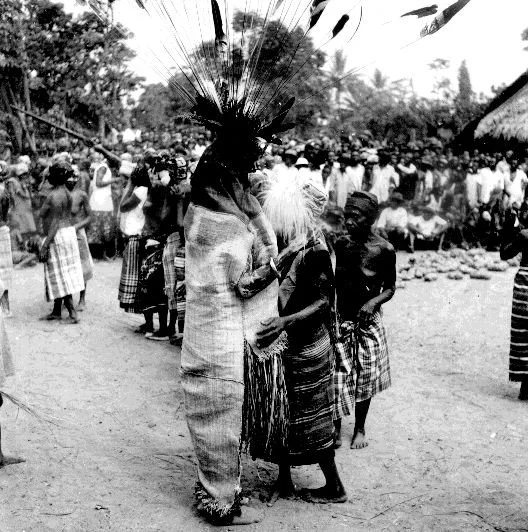
Older woman touching Otiri Ngbagba Ikoro, Abiriba. 📸: G. I. Jones.
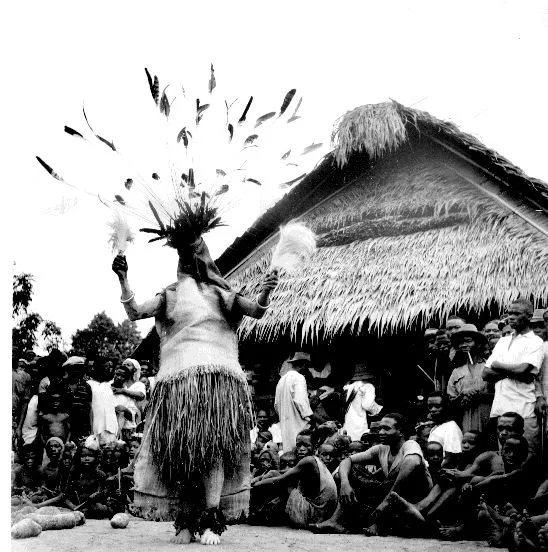
Otiri Ngbagba Ikoro, Abiriba. 📸: G. I. Jones.
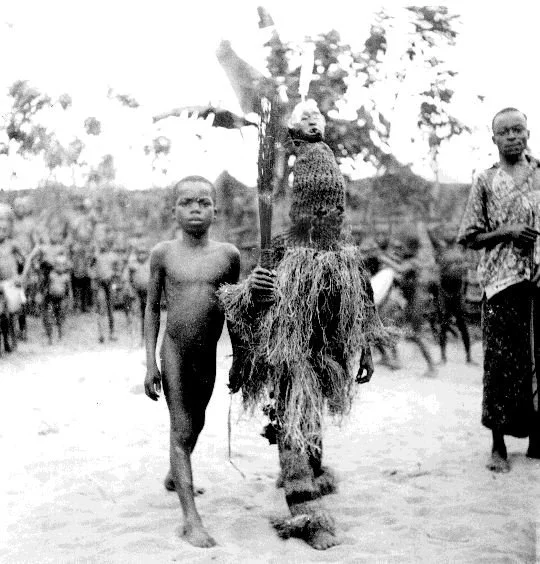
Small boy with Ajonku Ngbagba Ikoro, Abiriba. 📸: G. I. Jones.
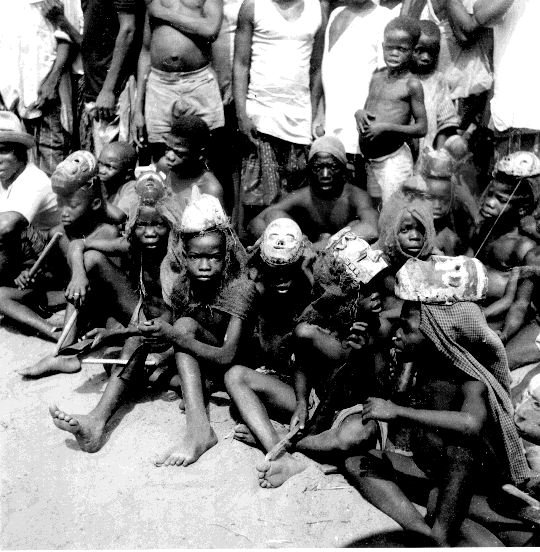
Small boys chorus Ngbagba Ikoro, Abiriba. 📸: G. I. Jones.
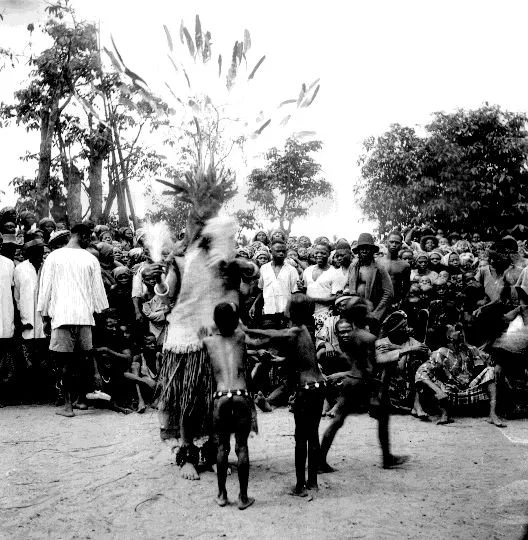
Small girls touching Otiri Ngbagba Ikoro, Abiriba. 📸: G. I. Jones.
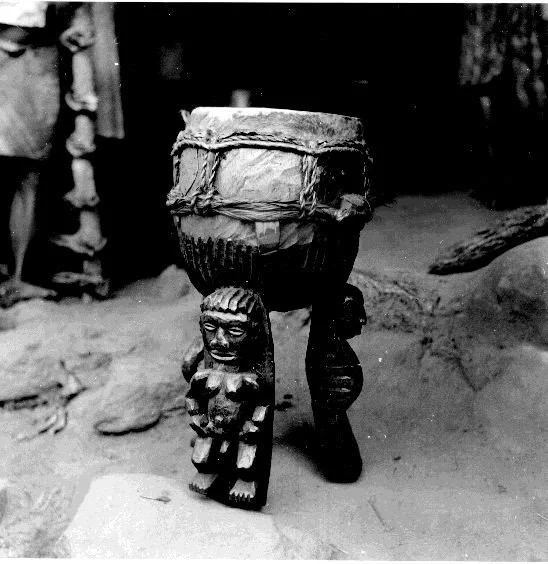
Tripod drum Abiriba. 📸: G. I. Jones.
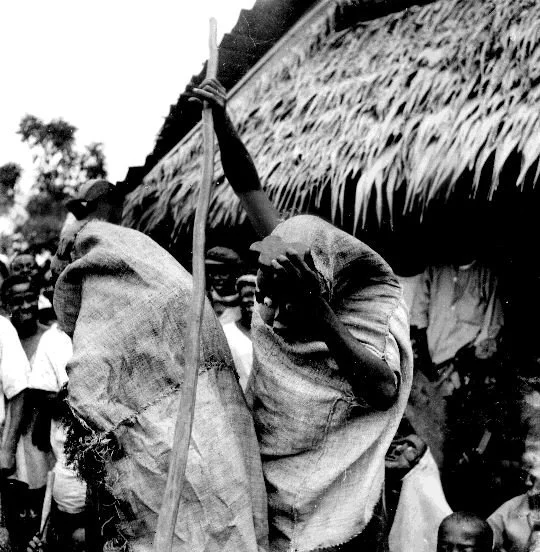
Two masks Ngbagba Ikoro, Abiriba. 📸: G. I. Jones.
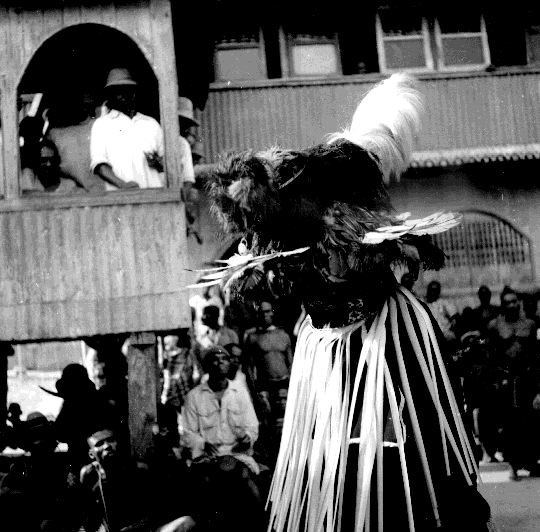
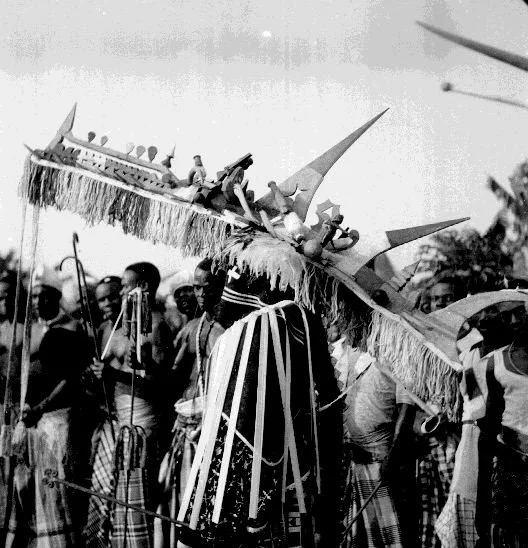
Asele mask (beloved daughter) Ogbukele festival,Edolia Village, Abua Igbo. 📸: G. I. Jones.
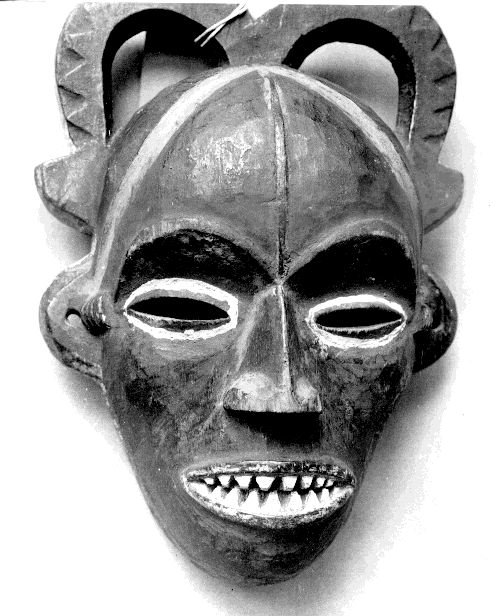
Oki maskOgbukele festival,Edolia Village, Abua Igbo. 📸: G. I. Jones.
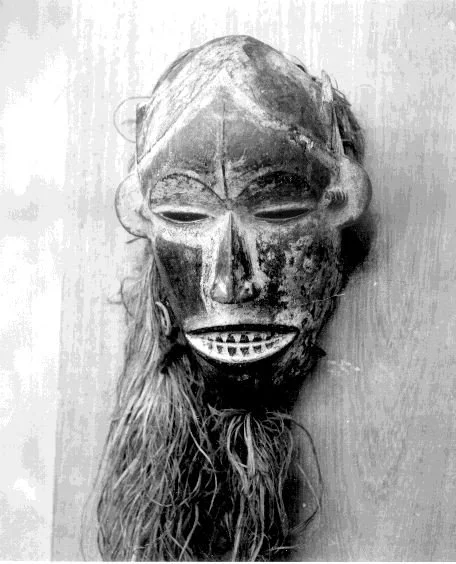
Lughielu MaskUgwu Eke village. 📸: G. I. Jones.
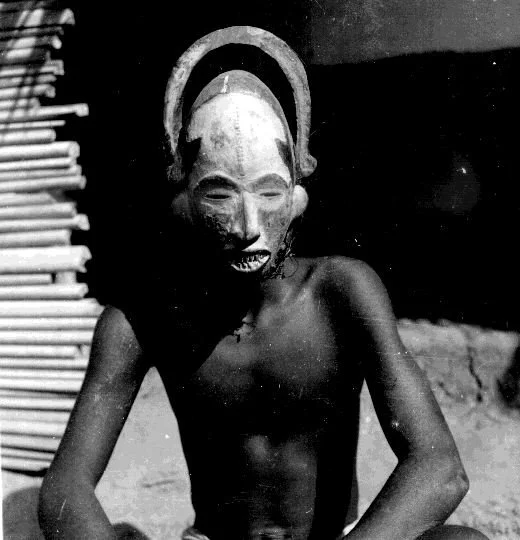
Mask (top missing)Ugwu Eke village. 📸: G. I. Jones.
Mask Ugwu Eke village alayi. 📸: G. I. Jones.
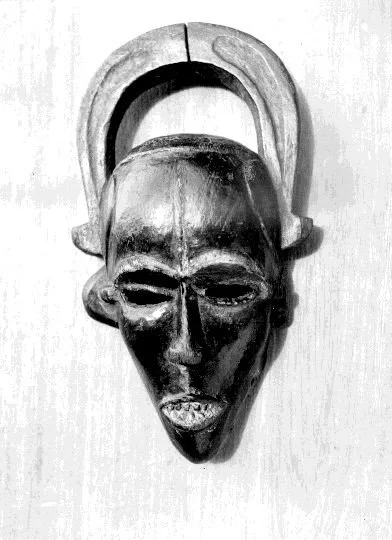
Mask Ugwu Eke village. 📸: G. I. Jones.
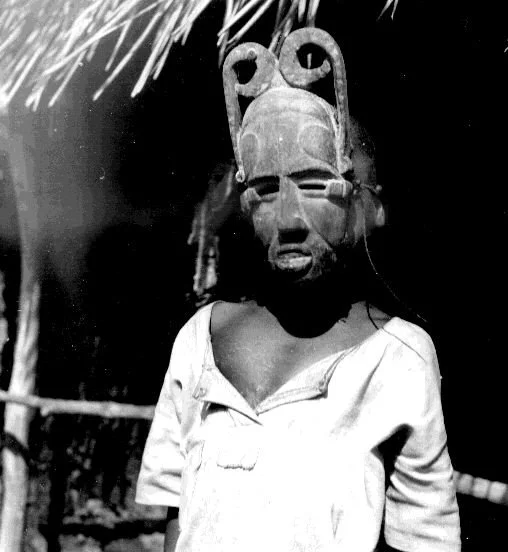
Mask Ugwu Eke village. 📸: G. I. Jones.
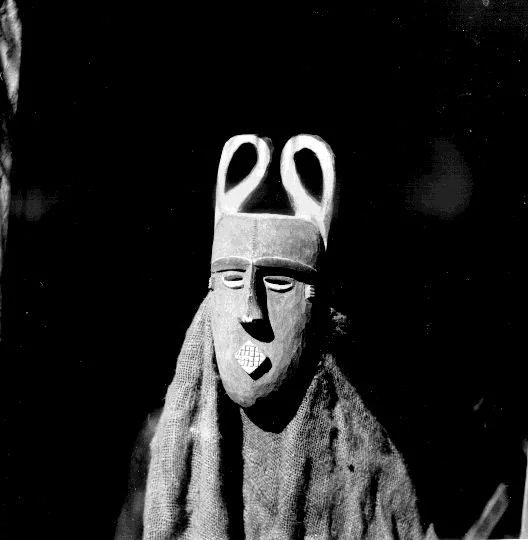
Mask Ugwu Eke village. 📸: G. I. Jones.
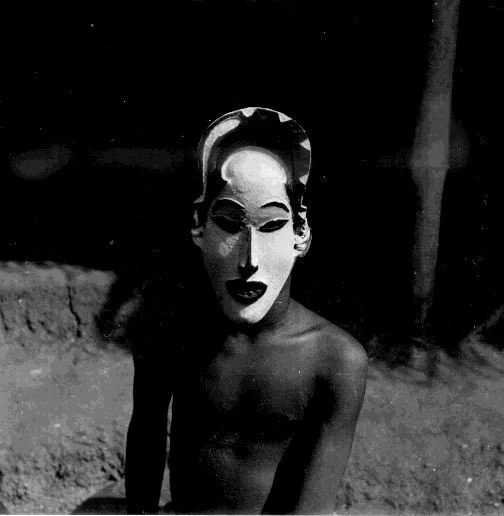
Mask Ugwu Eke village. 📸: G. I. Jones.

Alusi Another shot of the above shrine, Obioma town, Abaja, Northern Igbo. 📸: G. I. Jones.

Alusi Figure in another shrine of a tutelary deity of one of the adjacent villages erected on the road from Udi to Ngwo on the escarpment above Enugu township, Obioma town, Abaja, Northern Igbo. 📸: G. I. Jones.
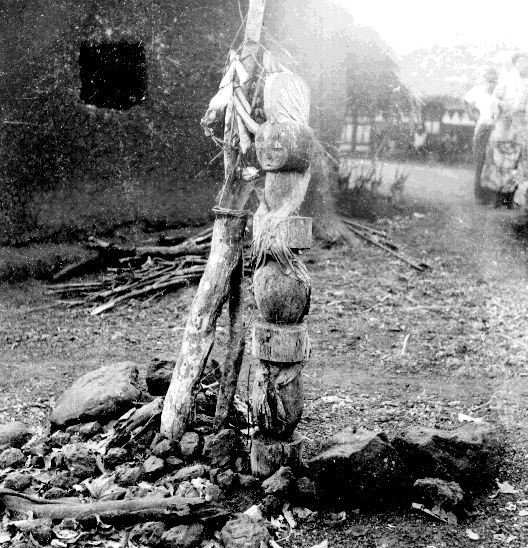
Alusi Nri-Awka Igbo. 📸: G. I. Jones.
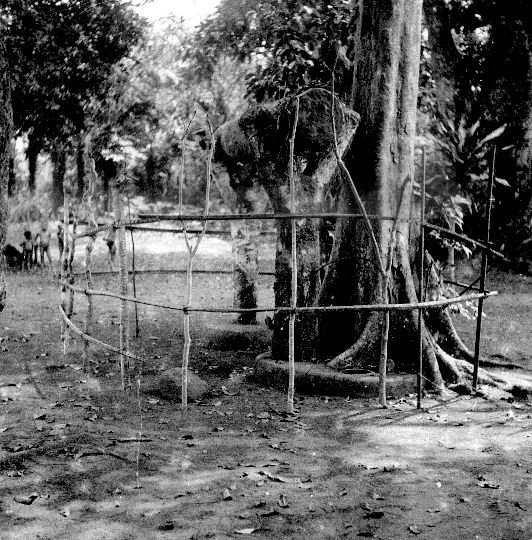
Alusi Nri-Awka. 📸: G. I. Jones.
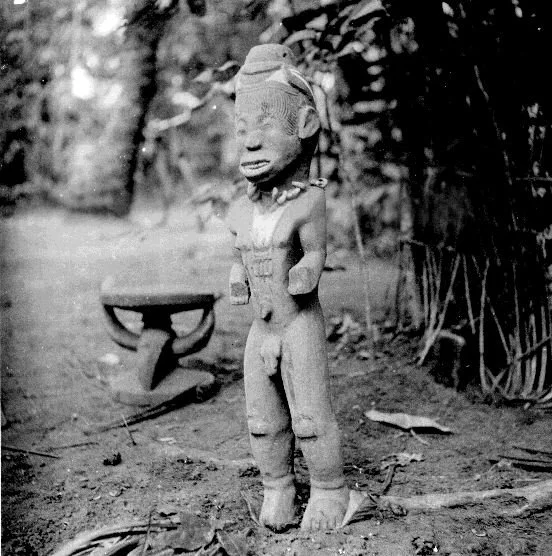
Alusi Orsu, West Isuama Igbo. 📸: G. I. Jones.
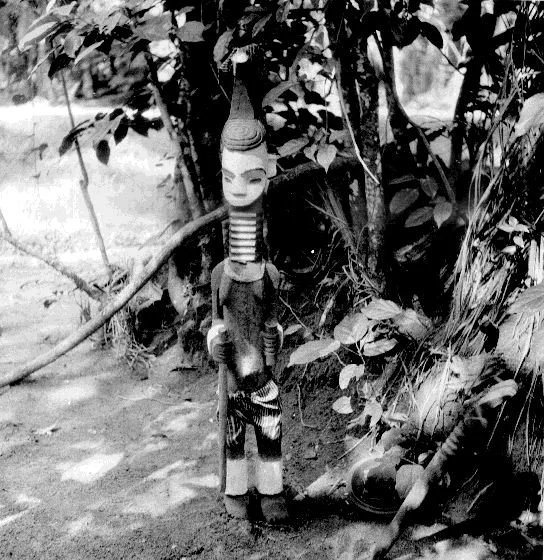
Alusi Orsu, West Isuama Igbo. 📸: G. I. Jones.

Alusi Shrine of a tutelary deity of one of the adjacent villages erected on the road from Udi to Ngwo on the escarpment above Enugu township, Obioma town, Abaja, Northern Igbo. 📸: G. I. Jones.
Alusi Tutelary and fertilityjuju — detail, Ishieke, Isu. 📸: G. I. Jones.
Alusi Tutelary and fertility juju, Ishieke, Isu. 📸: G. I. Jones.

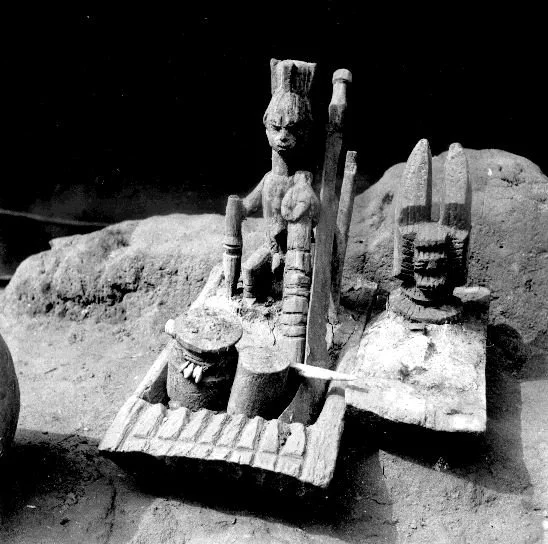
Alusi With Ikenga and other ritual objects, Orsu, West Isuama Igbo. 📸: G. I. Jones.

Alusi With its priest and itsritual iron belled staff, Orsu, West Isuama Igbo. 📸: G. I. Jones.
Alusi. 📸: G. I. Jones.
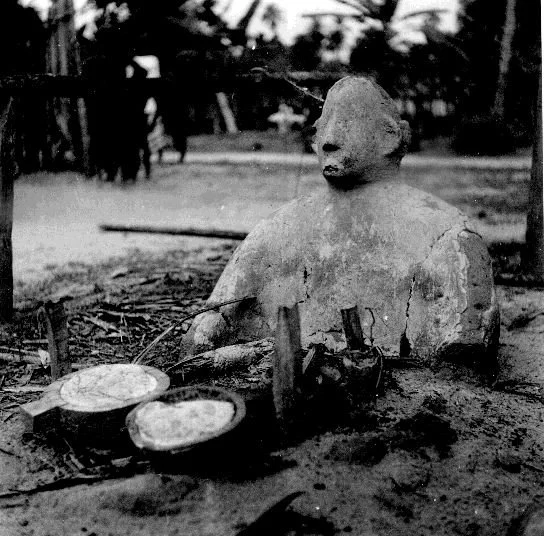
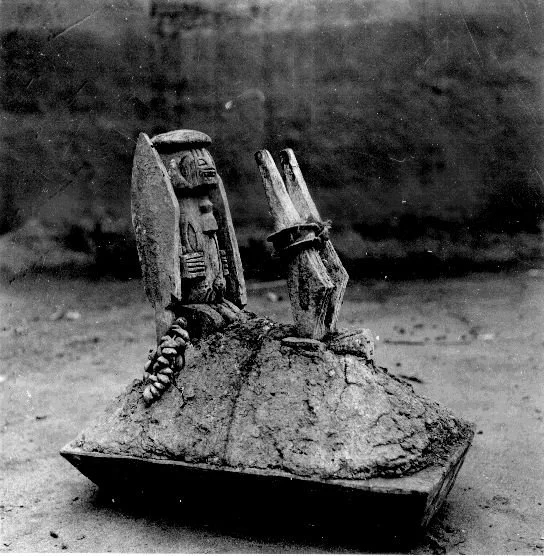
Ibudu Mud shrine made toprotect and prosper a household. 📸: G. I. Jones.
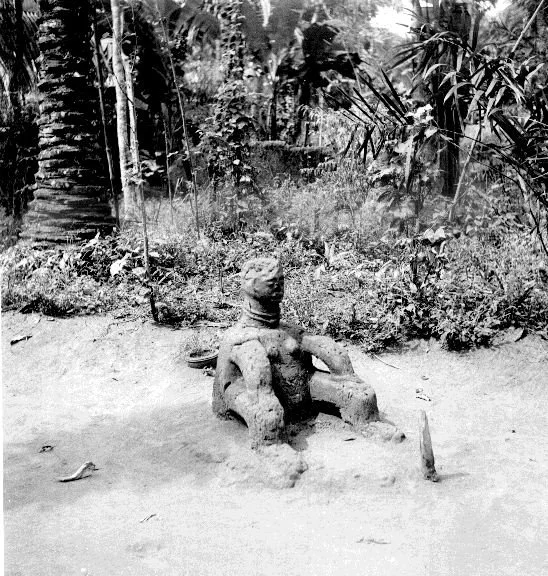
Ibudu Orlu. 📸: G. I. Jones.

Jones posing in front of apyramid Nsude village shrine, Abaja, Northern Igbo. 📸: G. I. Jones.
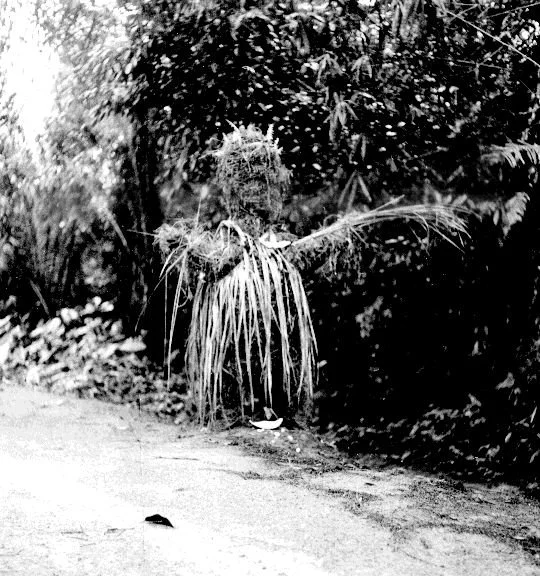
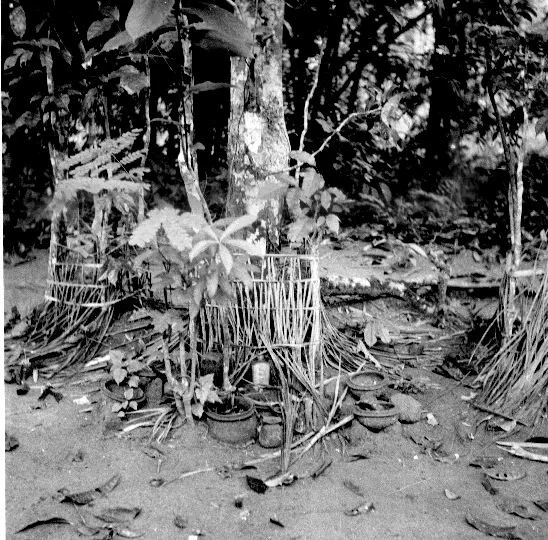
Juju to protect crops Orlu. 📸: G. I. Jones.
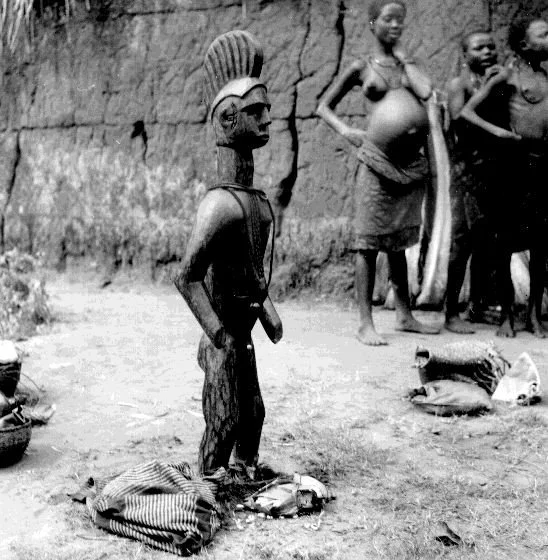
One of a group of Alusi figures Nri-Awka Igbo. 📸: G. I. Jones.
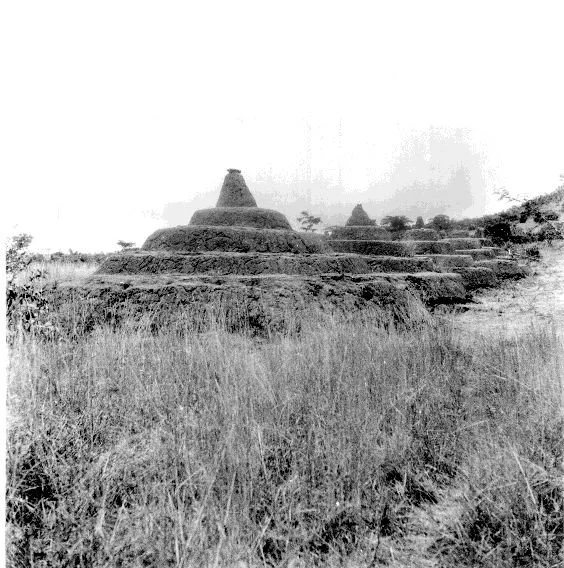
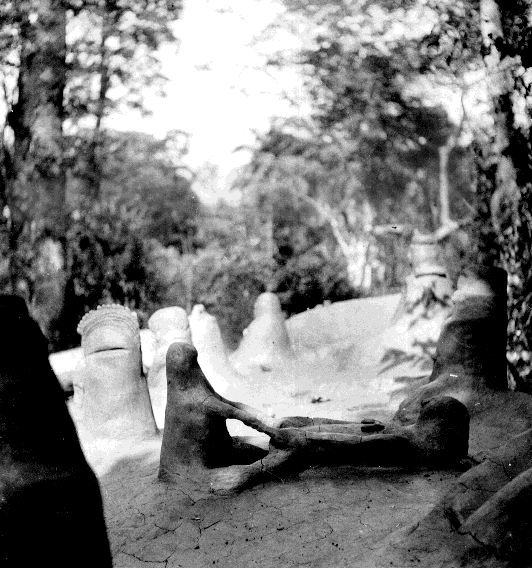
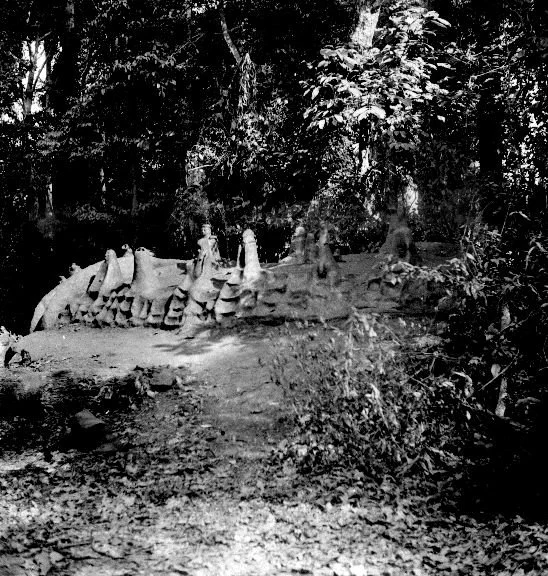
Pyramids Nsude village shrine, Abaja, Northern Igbo. 📸: G. I. Jones.
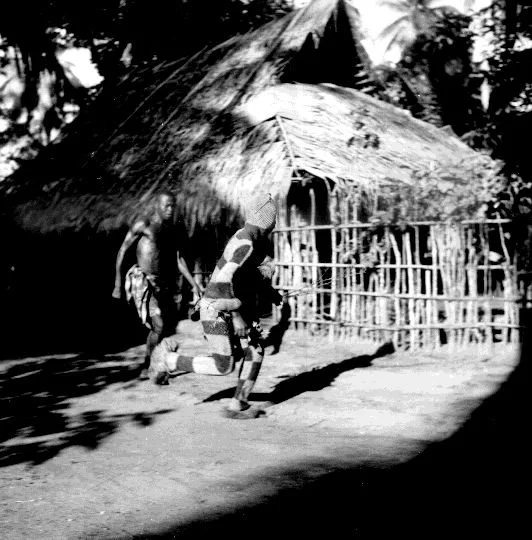
Ekpe (Egbo) or Ikem Uzuakoli. 📸: G. I. Jones.
Ekpe (Egbo) Runner Umuahia. 📸: G. I. Jones.
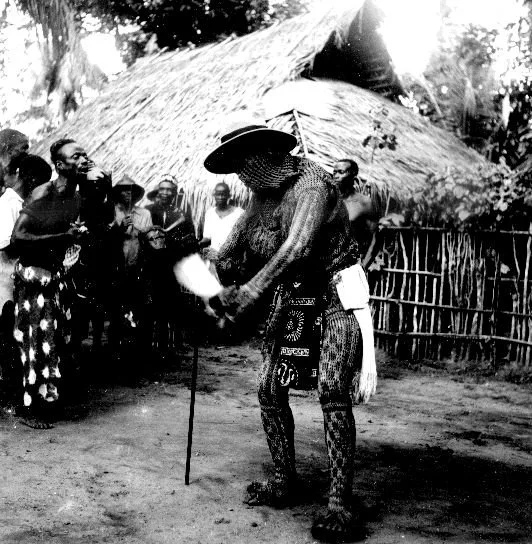
Ekpe (Egbo) Runner Umuahia. 📸: G. I. Jones.

Ekpe (Egbo) Runner Uzuakoli. The mask is a pathological Ibibio, the costume is Cross River. 📸: G. I. Jones.
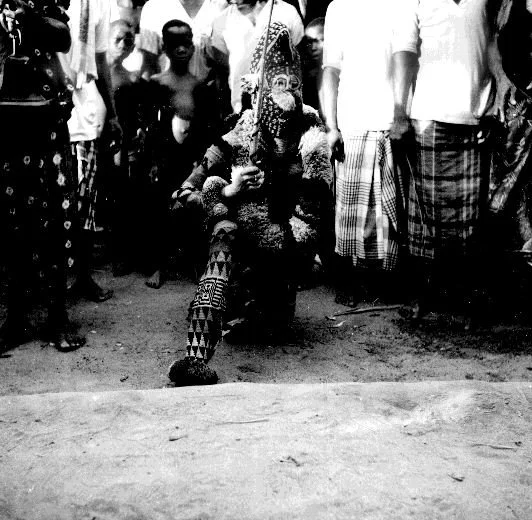
Ekpe (Egbo) Runner Uzuakoli. 📸: G. I. Jones.
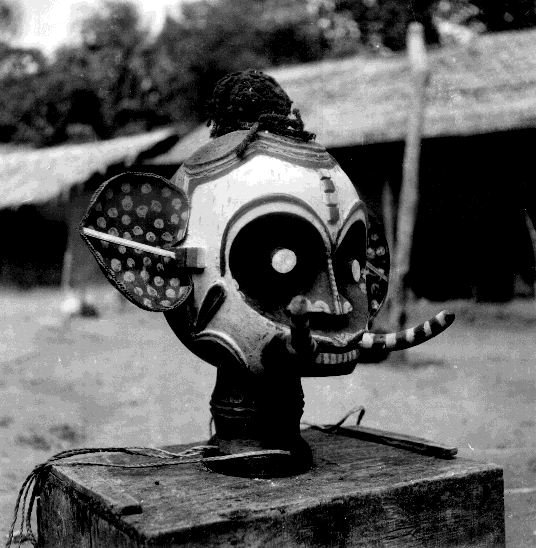
Ekpe (Igbo) head representing an elephant (Ndokki). 📸: G. I. Jones.
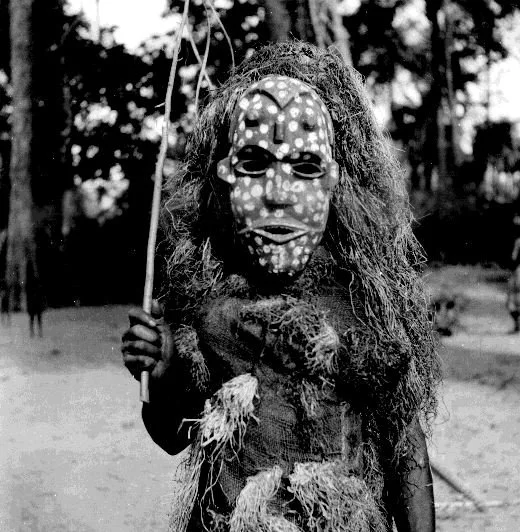
Ekpe. 📸: G. I. Jones.
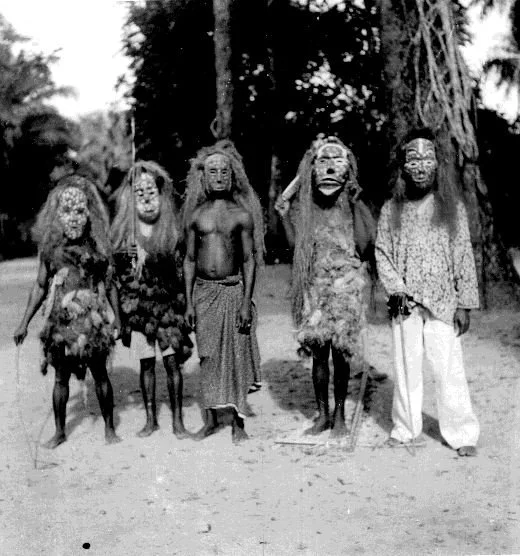
Five Ekpe (Igbo) masks Ubakala. 📸: G. I. Jones.

Ekpe (Egbo) head Photo’d in Item. Said to have been bought in the Middle Cross River Area. 📸: G. I. Jones.

Modern Ekpe (Igbo) head piece. Modern Ibibio in style and may have been carved by them. 📸: G. I. Jones.
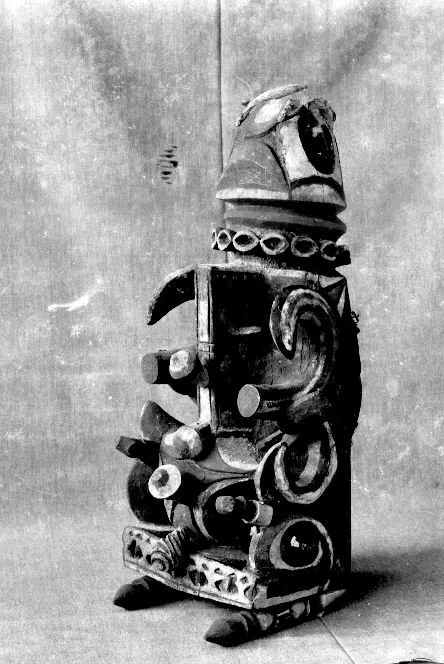
Ogbukele mask(Liverpool Museum)Ekpeya Igbo. 📸: G. I. Jones.
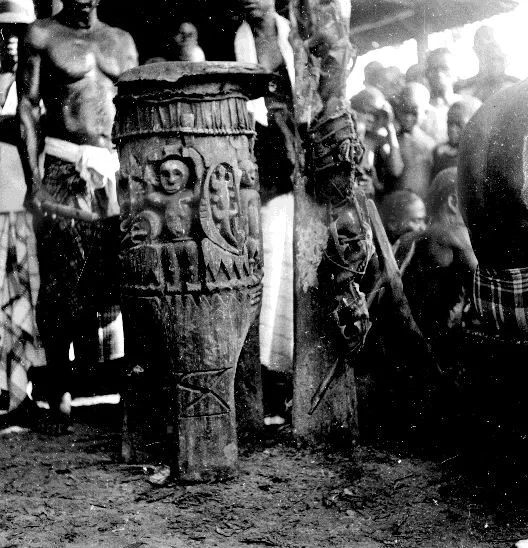
Ogbukere drum Ekpeya Igbo. 📸: G. I. Jones.
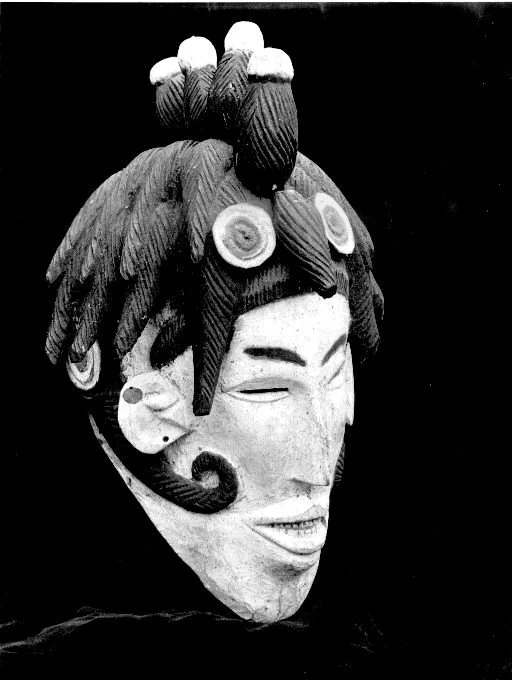
Owu mask Ahoada Division, Ekpeya Igbo. 📸: G. I. Jones.

A small boy with his doll. Son of the court clerk of Eza Court. The string of beads around his waist is unusual from males and is probably worn for ‘medicinal’ or ‘magical’ reasons. 📸: G. I. Jones.

Another type of stool Amobia village, Nri-Awka.📸: G. I. Jones.

Awka stool Showing decoration of the pedestal, Amobia village, Nri-Awka. 📸: G. I. Jones.

Bottles carved out of wood In the shape of local clay pots. They are hollow and will hold liquids. The technique is to cut a piece out of the side to enable one to hollow the interior and then replace it. 📸: G. I. Jones.

Carving a stool Early stages of carving a stool similiar to the one shown above, Amobia village, Nri-Awka. 📸: G. I. Jones.

Carving a stool Later stages of the same carving process, Amobia village, Nri-Awka. 📸: G. I. Jones.
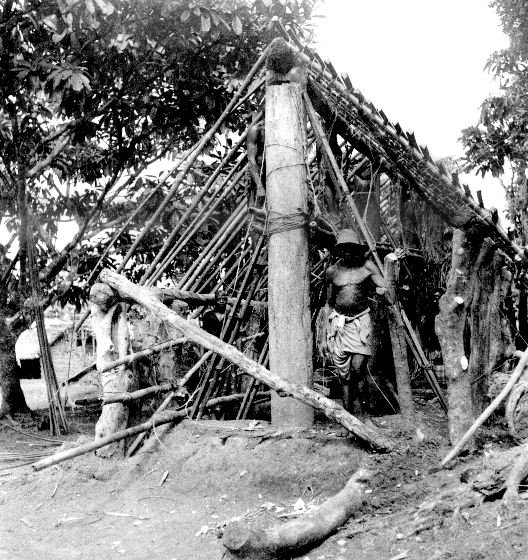
House under construction (southern Igbo). 📸: G. I. Jones.

House under construction Roof is made from raffia palm branches (locally known as bamboo poles) prior to the attachment to them of tile like mats made out of raffia palm leaves (southern Igbo). 📸: G. I. Jones.
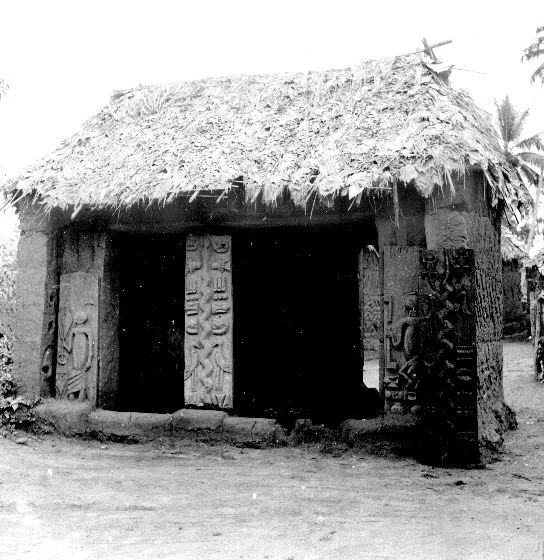
House with carved panels Nri-Awka. 📸: G. I. Jones.
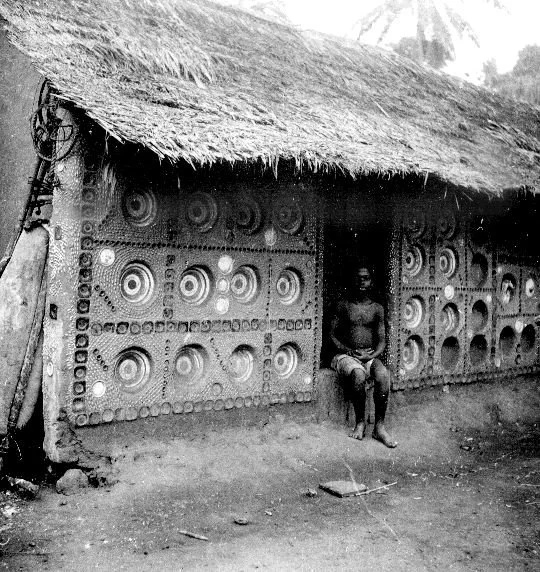
House with inset plates South Ikwerri. 📸: G. I. Jones.
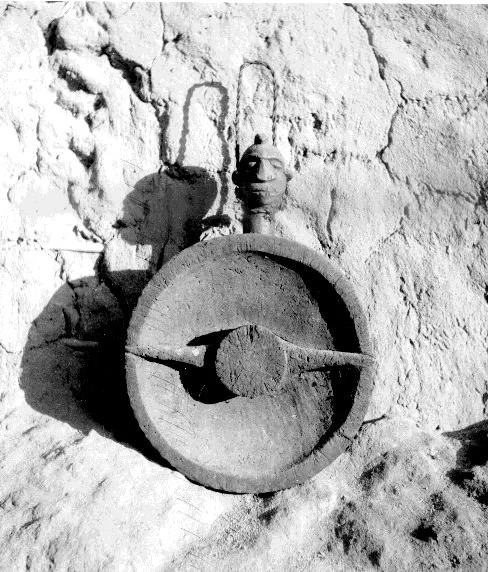
Okwa (unknown provenence). 📸: G. I. Jones.
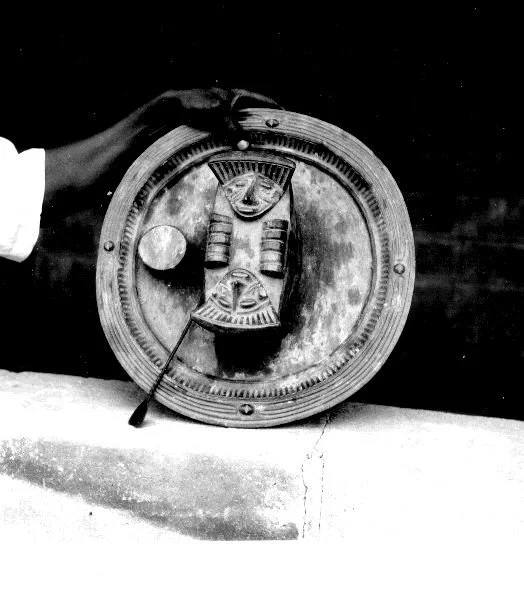
Okwa Ezza Igbo — note small iron spoon. 📸: G. I. Jones.
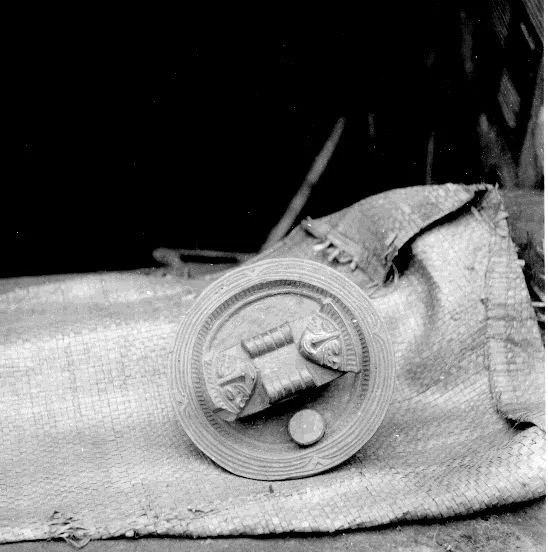
Okwa Ezza Igbo. 📸: G. I. Jones.

Okwa Nzu AbiribaHeld by the owner’s wife(note body painting). 📸: G. I. Jones.
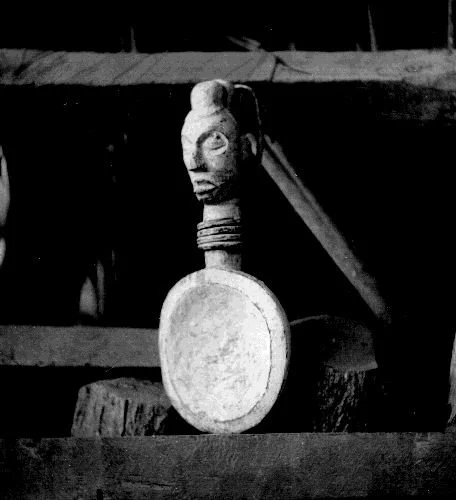
Okwa Nzu Abiriba Igbo. 📸: G. I. Jones.
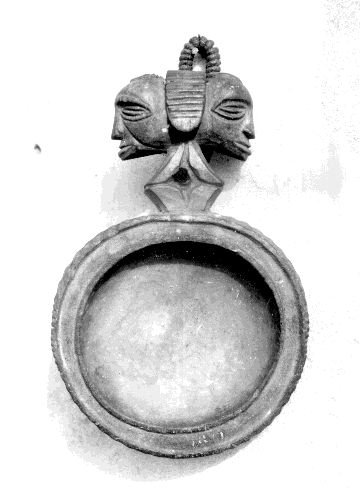
Okwa Nzu Item Igbo. 📸: G. I. Jones.

Okwa The figure in the entre forms the lid of a circular hollow which should hold the sauce into which the piece of meat is dipped. 📸: G. I. Jones.
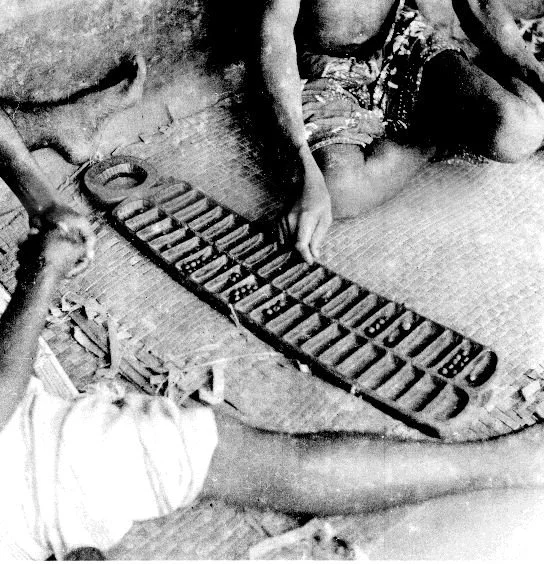
Wari board (game). 📸: G. I. Jones.
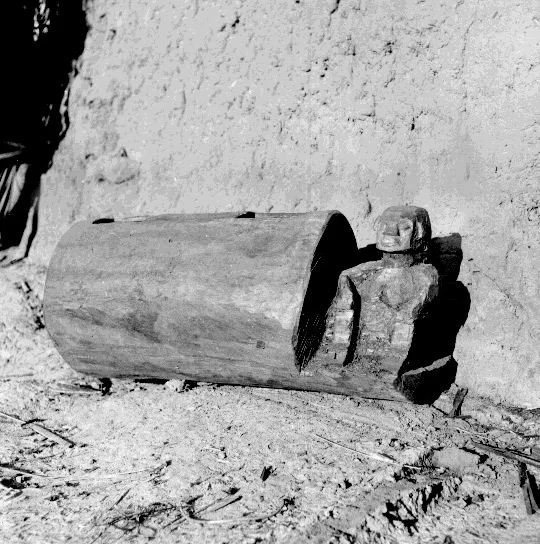
Ikoro. 📸: G. I. Jones.
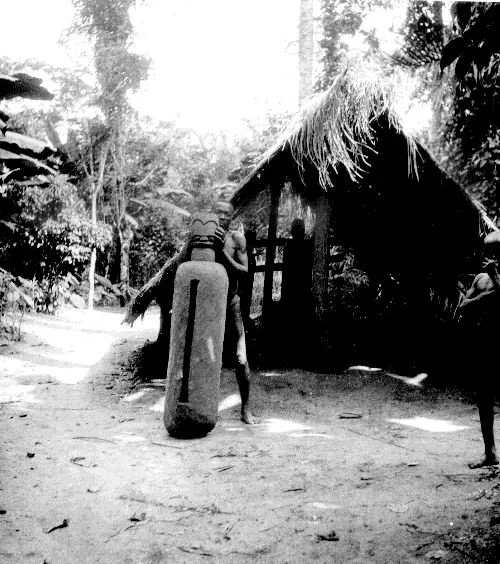
Ufie drum, Southern Ikwerri. 📸: G. I. Jones.
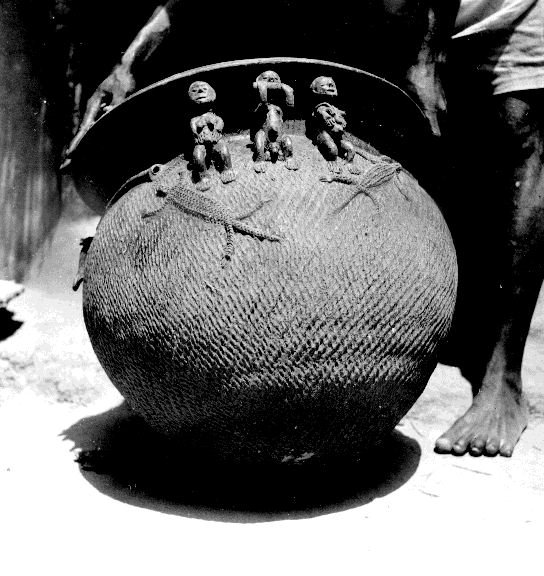
Decorated pot North Ika. 📸: G. I. Jones.

Ejukpe mask (nearest the camera) and other masks Ogonya Play, Ogume village, South Ika. 📸: G. I. Jones.
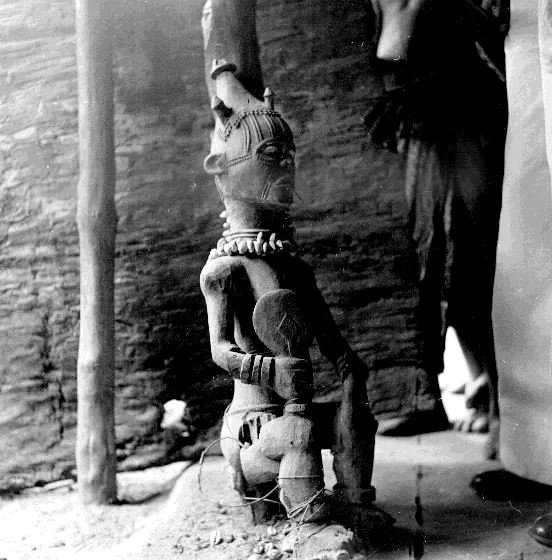
Figure in an ancestral shrine North Ika. 📸: G. I. Jones.
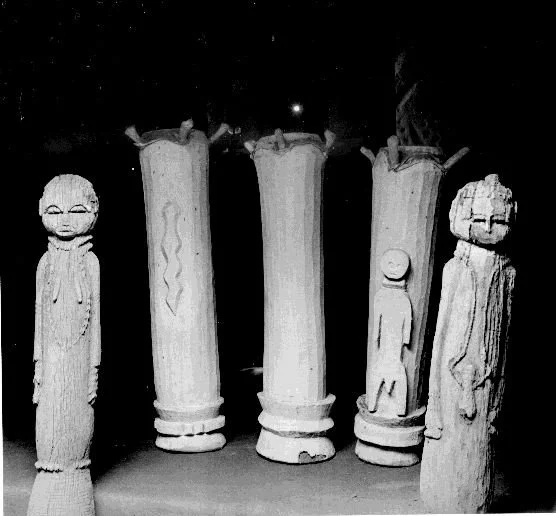
Ika Igbo or “Western” Igbo region. 📸: G. I. Jones.
Nwamno figure Ogume village, South Ika. 📸: G. I. Jones.
Nwamno figure. 📸: G. I. Jones.
![Ofo, uxurhe and other pieces [includes Ikenga], North Ika. 📸: G. I. Jones.](https://images.squarespace-cdn.com/content/v1/667099650b8ef12fccbce837/dd639c6f-80bf-463e-a961-537ef1ffc00f/Ofo%2C+uxurhe+and+other+pieces+%5Bincludes+Ikenga%5D%2C+North+Ika.jpg)
Ofo, uxurhe and other pieces [includes Ikenga], North Ika. 📸: G. I. Jones.
Ogene Mask Ogonya Play, Ogume village, South Ika. 📸: G. I. Jones.
Okike, Ikenga and other shrines North Ika. 📸: G. I. Jones.
Portable household shrine North Ika. 📸: G. I. Jones.
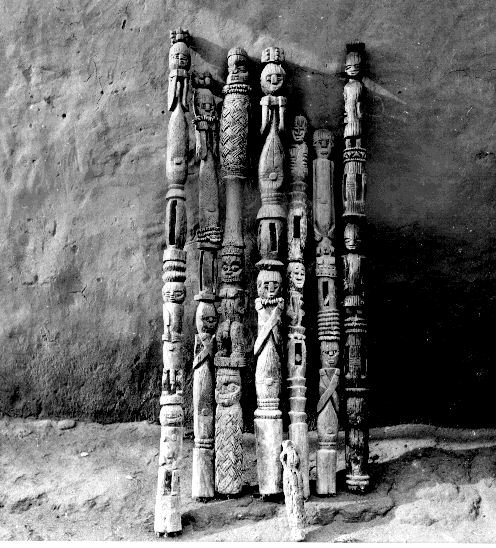
Uxurhe Staffs. 📸: G. I. Jones.
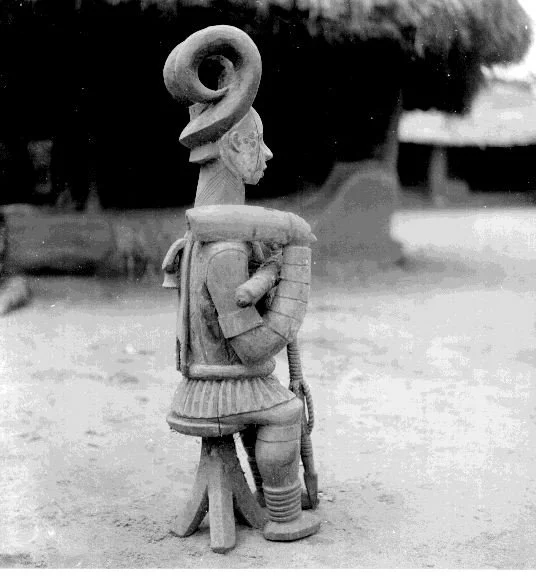
Ikenga Achalla, Nri-Awka Igbo. 📸: G. I. Jones.
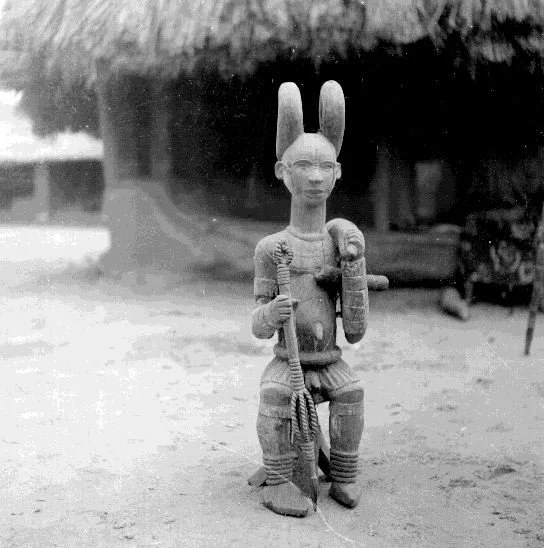
Ikenga Achalla, Nri-Awka Igbo. 📸: G. I. Jones.

Ikenga Amobia, Nri-Awka Igbo (Now in Pitt Rivers Museum, Oxford (1938 15 43). 📸: G. I. Jones.

Ikenga Nimo, Nri-Awka Igbo (Pitt Rivers Museum, Oxford (1938 15 43). 📸: G. I. Jones.

Ikenga Nimo, Nri-Awka Igbo (Pitt Rivers Museum, Oxford (1938 15 43). 📸: G. I. Jones.
Ikenga Nri-Awka Igbo. 📸: G. I. Jones.
Ikenga Nri-Awka Igbo. 📸: G. I. Jones.
Three Ikenga Nimo, Nri-Awka Igbo. 📸: G. I. Jones.
Two Ikenga Nri-Awka Igbo. 📸: G. I. Jones.
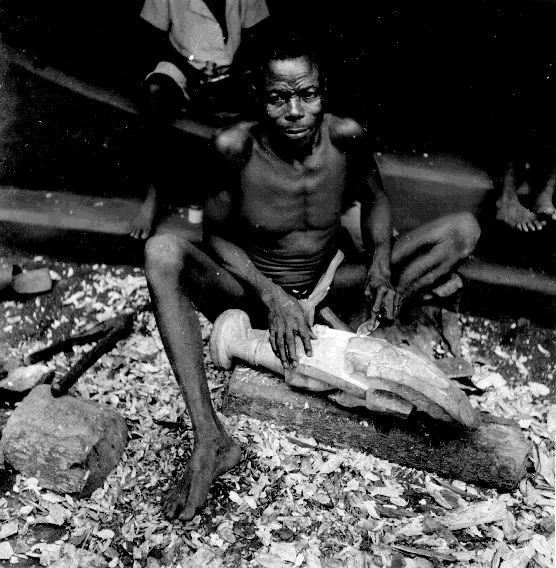
Wood carver Carving Ikenga. 📸: G. I. Jones.
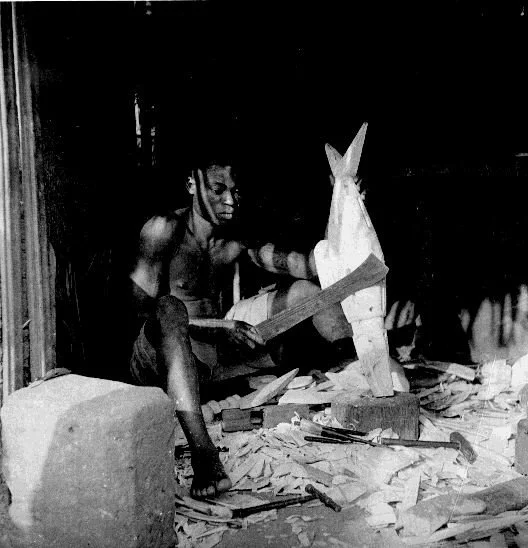
Carver of the masks. 📸: G. I. Jones.
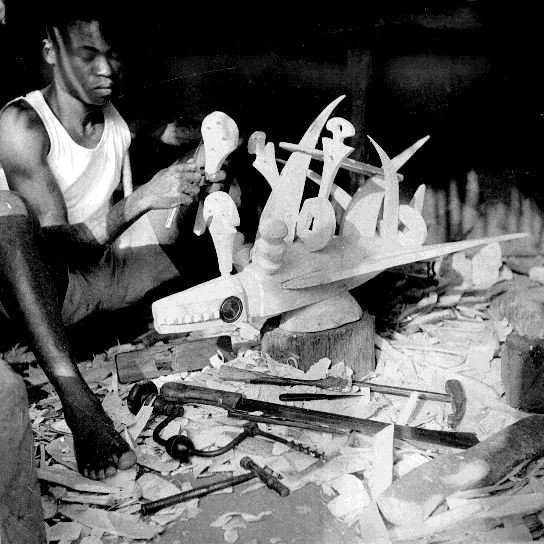
Carver of the masks. 📸: G. I. Jones.
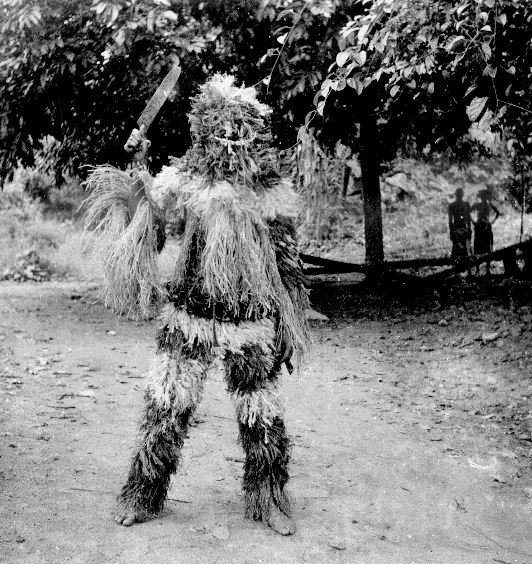
Ebeule Uku (Water Ram, mythical beast). 📸: G. I. Jones.
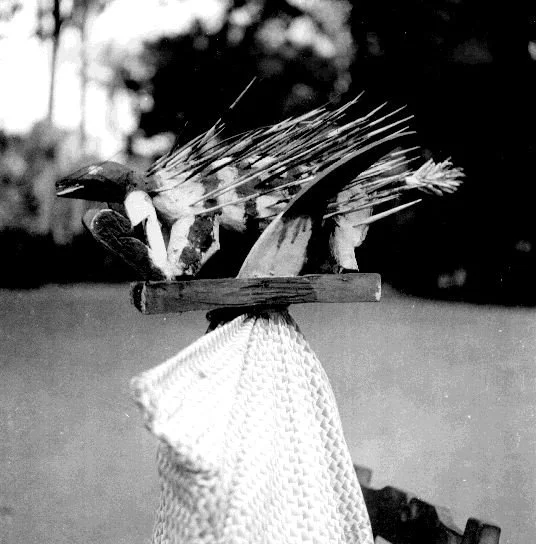
Ebi (porcupine). 📸: G. I. Jones.
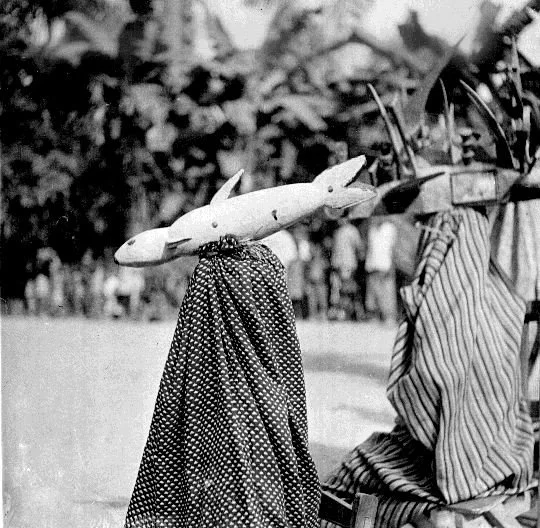
Egedu (Mudfish). 📸: G. I. Jones.
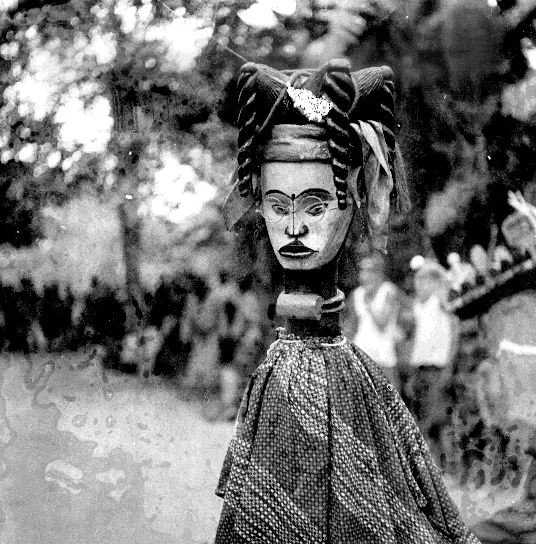
Mami Wata. 📸: G. I. Jones.
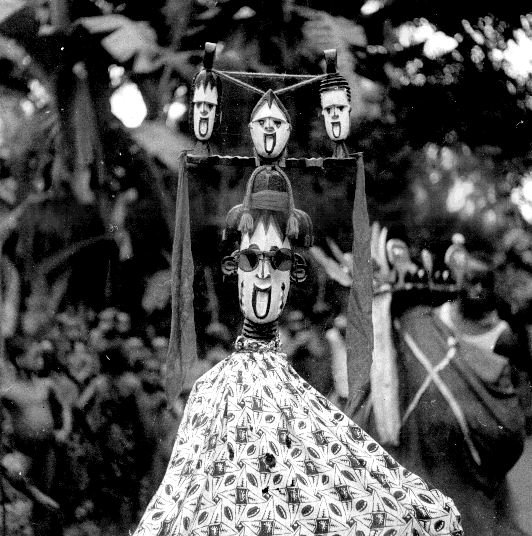
Ogalanya (Shining and bright). 📸: G. I. Jones.
“Jack”. 📸: G. I. Jones.
Abam (One who has visited places and learned things). 📸: G. I. Jones.
Abbu (Tortoise). 📸: G. I. Jones.
Ajibodo, Head of Owu. 📸: G. I. Jones.
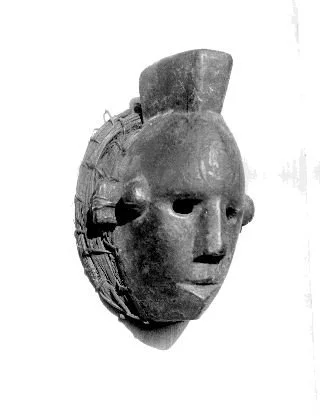
Asaba. 📸: G. I. Jones.
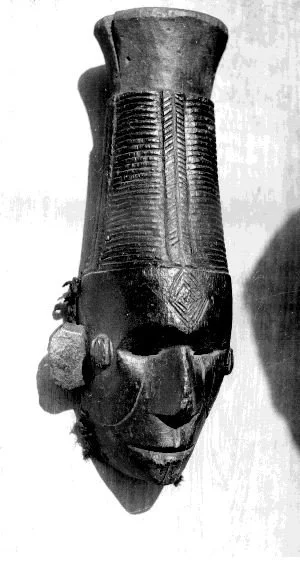
Asaba. 📸: G. I. Jones.
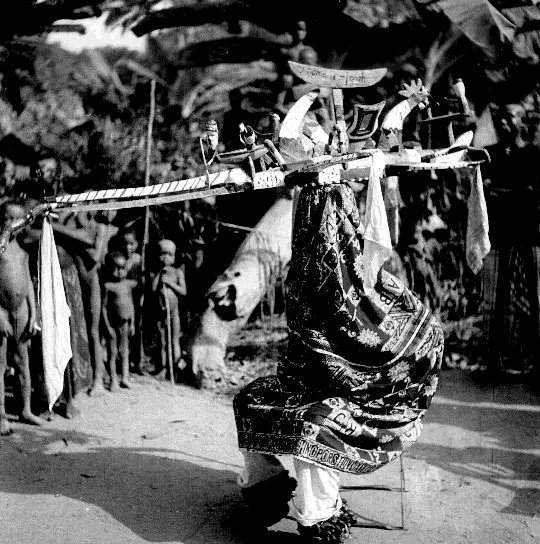
Lugbulu Mask Beautiful female mask. 📸: G. I. Jones.
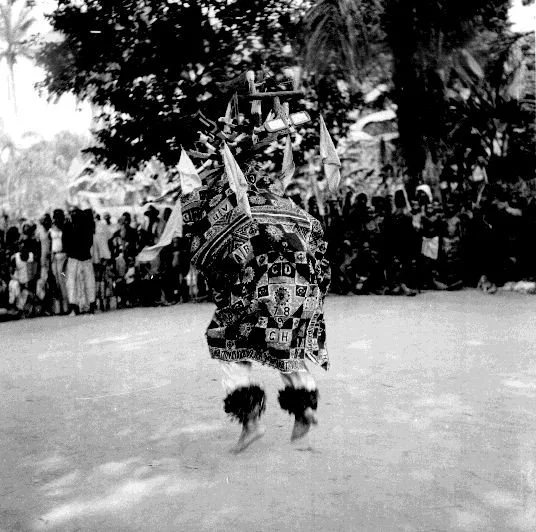
Lugbulu Mask Beautiful female mask. 📸: G. I. Jones.

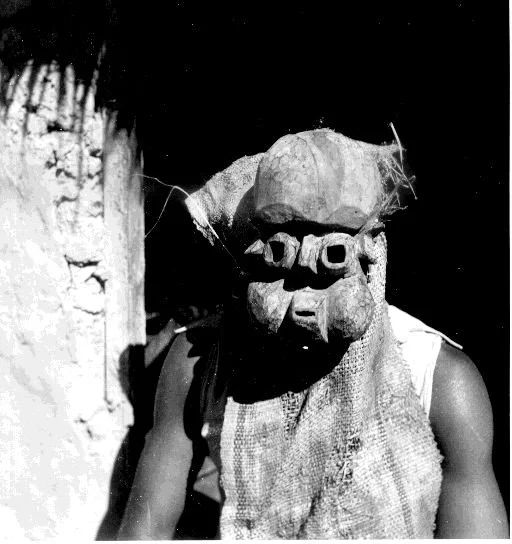
Lugbulu Mask Comic male flanked by heads of a pig and a dog. 📸: G. I. Jones.
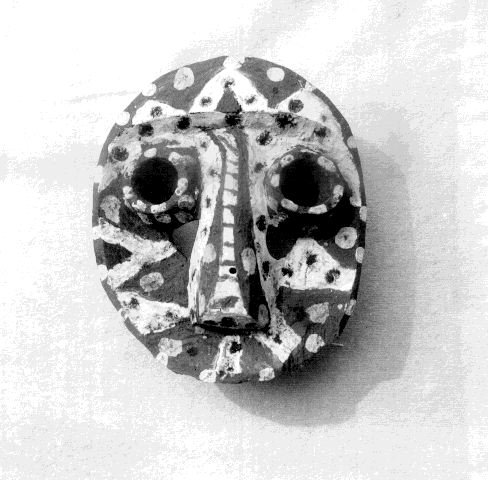
Lugbulu Mask Comic male mask. 📸: G. I. Jones.
Lugbulu Mask Comic male mask. 📸: G. I. Jones.

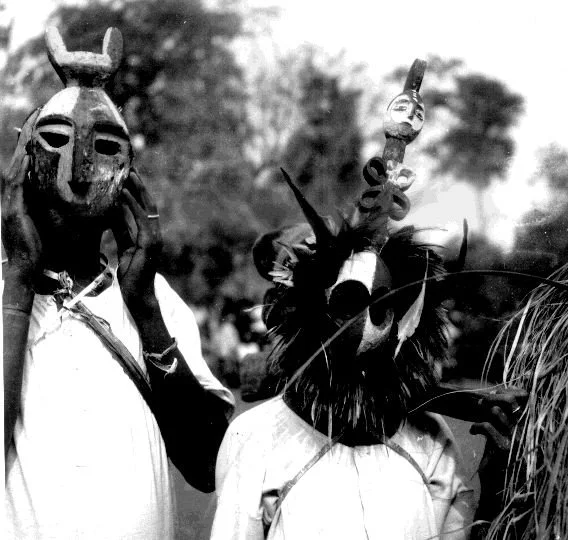
Lugbulu Mask – Man holding ‘female’ mask and ‘comic male’ mask. 📸: G. I. Jones.
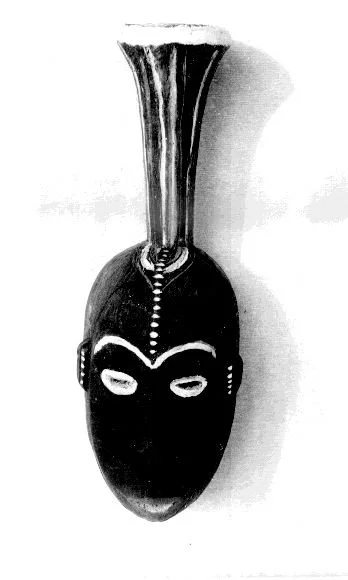
Ngusu Ada Mask. 📸: G. I. Jones.
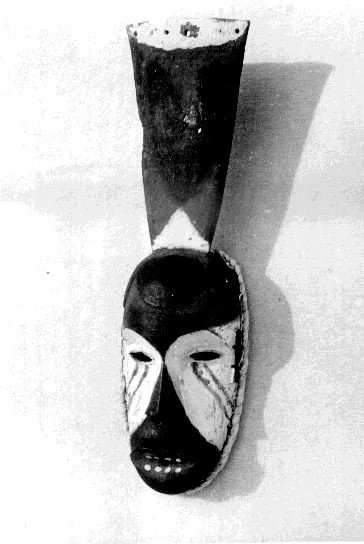
Ngusu Ada Mask. 📸: G. I. Jones.
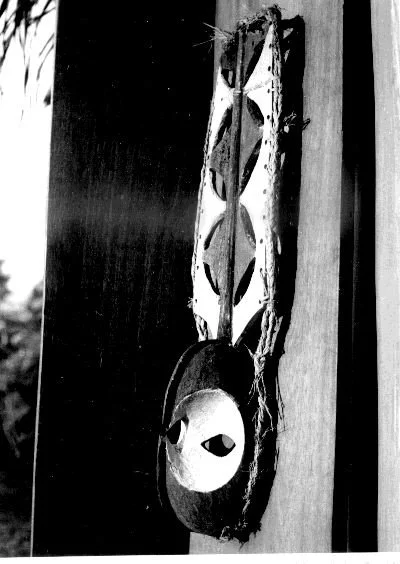
Ngusu Ada Mask. 📸: G. I. Jones.
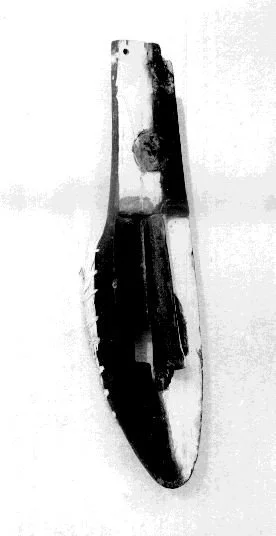
Ngusu Ada Mask. 📸: G. I. Jones.
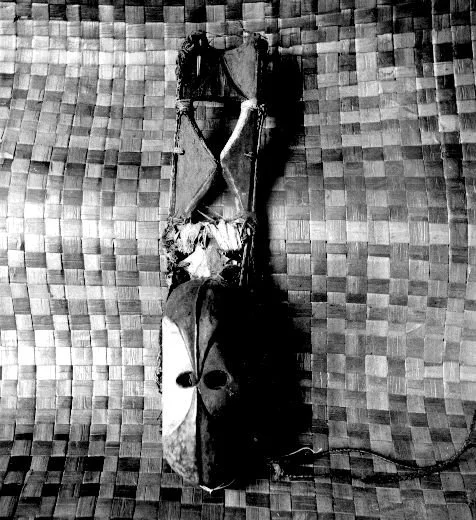
Ngusu Ada Mask. 📸: G. I. Jones.
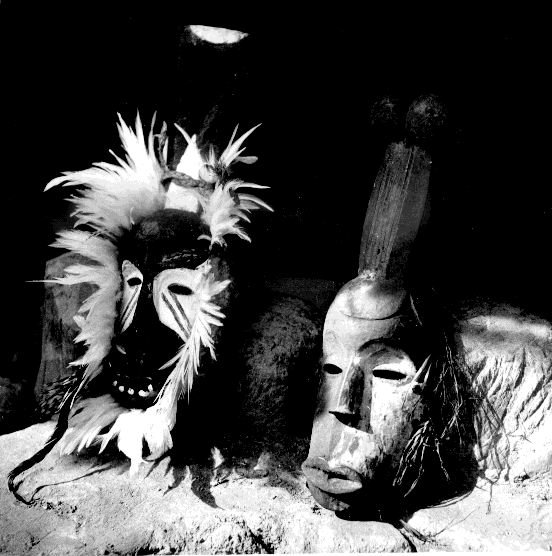
Ngusu Ada Mask. 📸: G. I. Jones.
Ngusu Ada. 📸: G. I. Jones.
Ngusu Ada. 📸: G. I. Jones.
Ngusu Ada Mask. 📸: G. I. Jones.
Ngusu Ada Mask. 📸: G. I. Jones.
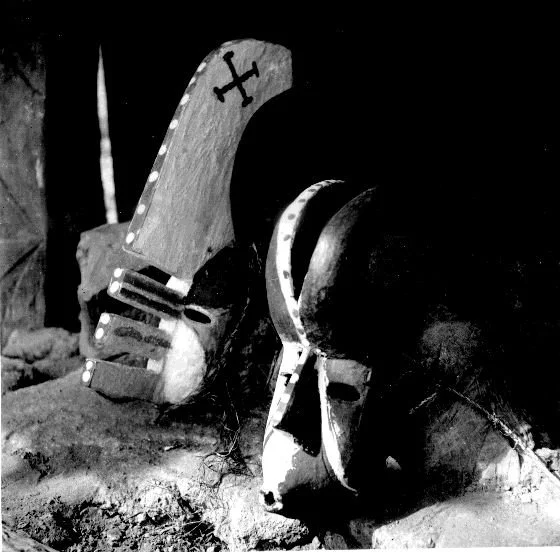
Two Ngusu Ada Mask. 📸: G. I. Jones.
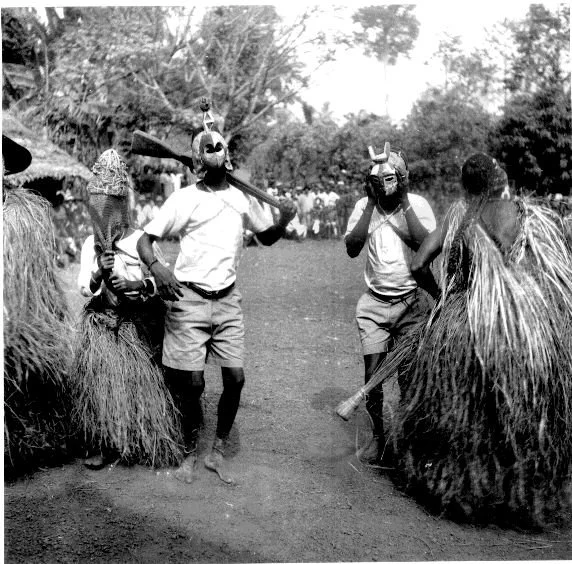
A group of masks, Boys initiation, Obohia. 📸: G. I. Jones.
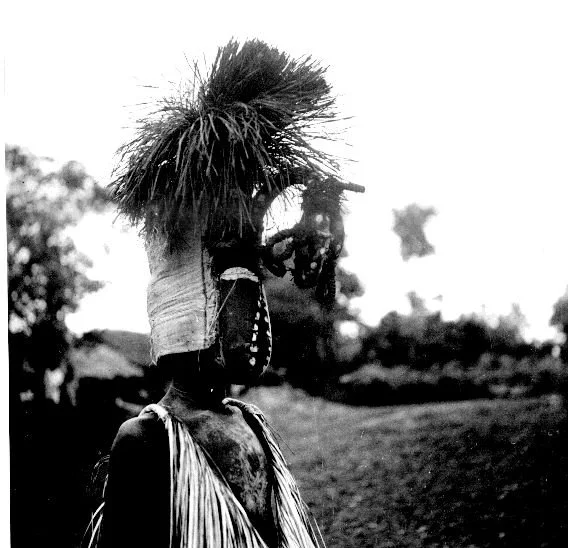
Calabash mask, Boys initiation. 📸: G. I. Jones.
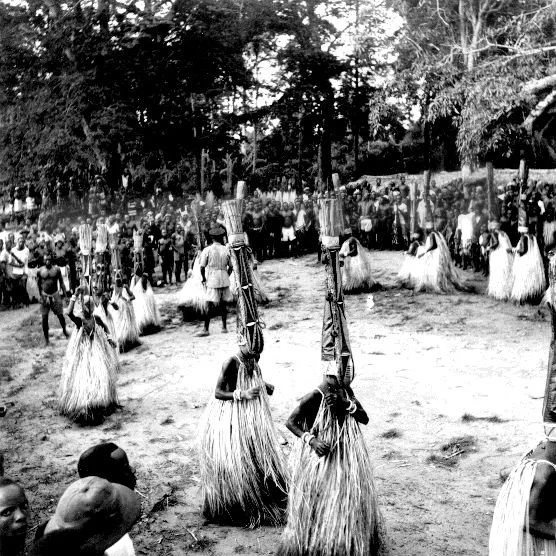
Dancing initiation masks, Boys initiation. 📸: G. I. Jones.
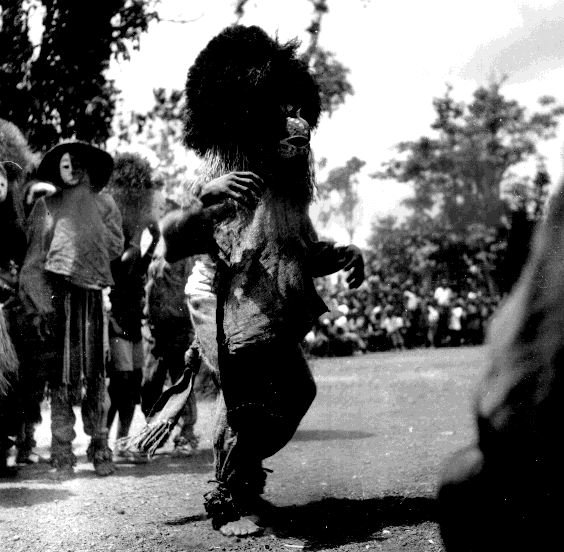
Dancing masker, Boys initiation, Obohia. 📸: G. I. Jones.
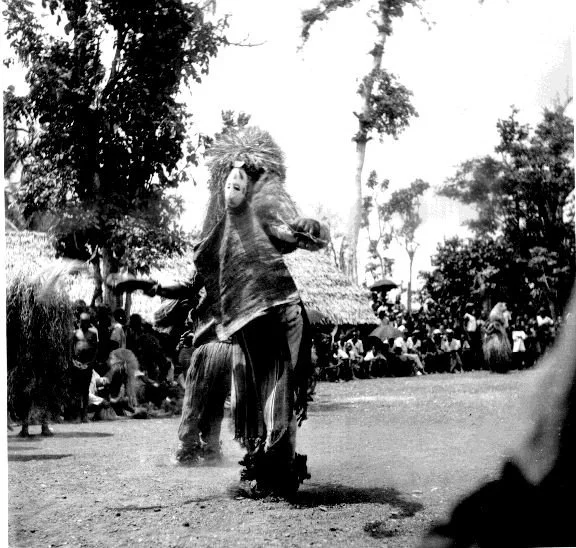
Dancing masker, Boys initiation, Obohia. 📸: G. I. Jones.
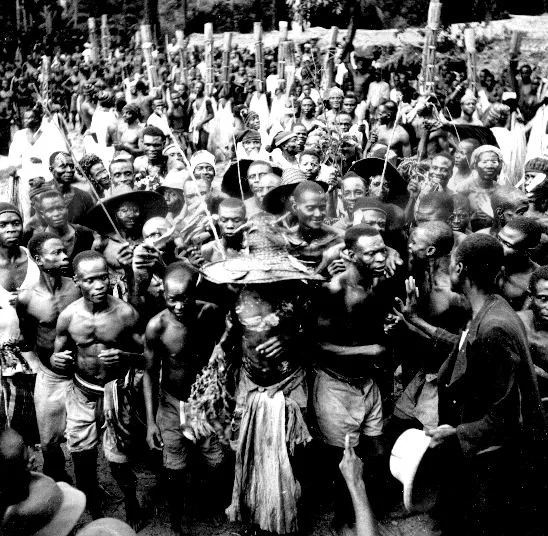
Group leading masks, Boys initiation. 📸: G. I. Jones.
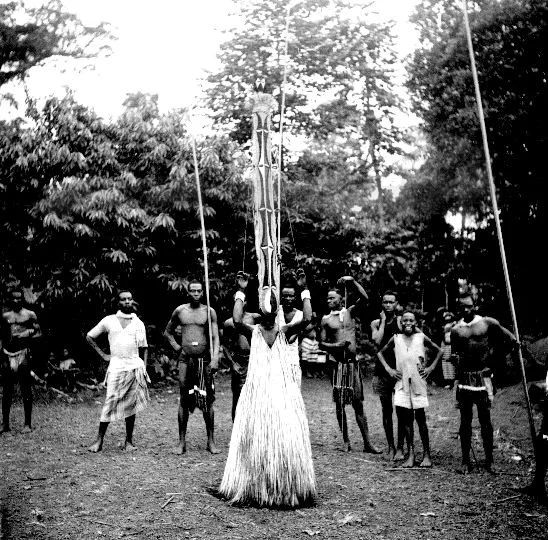
Initiation mask, Boys initiation. 📸: G. I. Jones.
Mask, Boys initiation, Obohia. 📸: G. I. Jones.
Mask, Boys initiation, Obohia. 📸: G. I. Jones.

Mask, Caricatures an old woman catching crayfish and putting them into a gourd container, Boys initiation, Obohia. 📸: G. I. Jones.
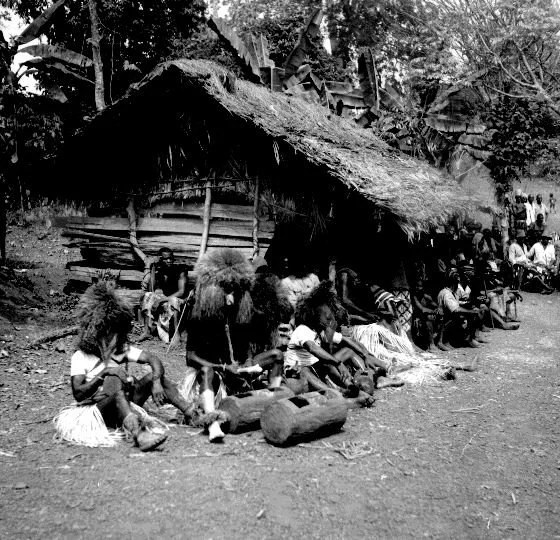
Masquerade band, Boys initiation, Elugu. 📸: G. I. Jones.
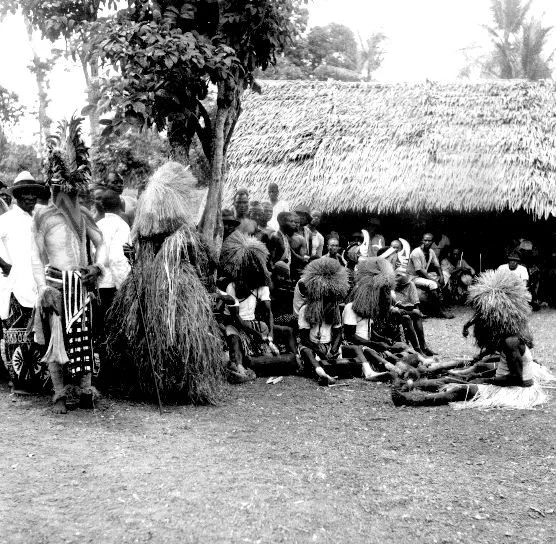
Masquerade band, Boys initiation, Elugu. 📸: G. I. Jones.
Nkporo. 📸: G. I. Jones.
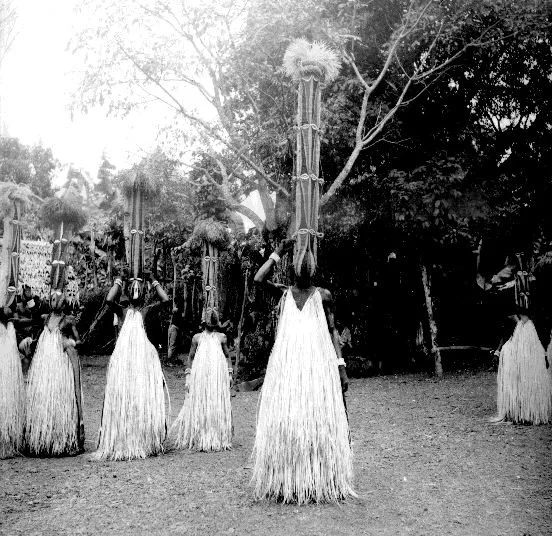
Nkporo. 📸: G. I. Jones.
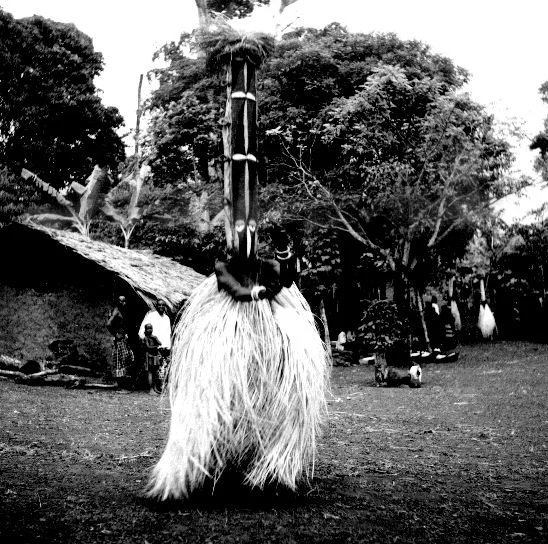
Nkporo. 📸: G. I. Jones.
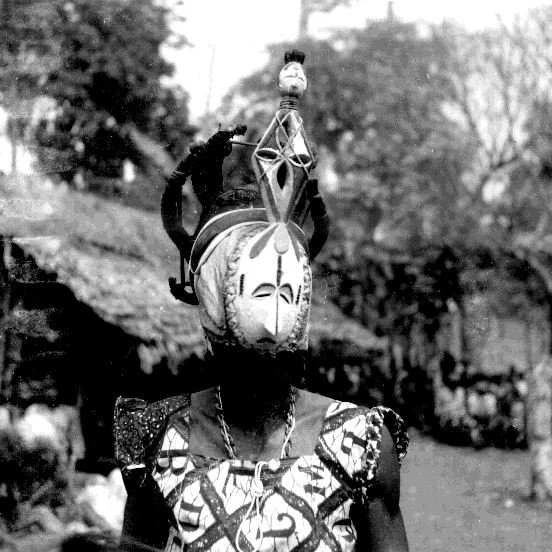
Nwanyi Oma (Beautiful Woman), Boys initiation, Etiti Ama. 📸: G. I. Jones.
Nwanyi Oma (Beautiful Woman), Boys initiation, Etiti Ama. 📸: G. I. Jones.
Nwanyi Oma (Beautiful Woman), Boys initiation, Etiti Ama. 📸: G. I. Jones.
Ofogu mask, Boys initiation, Etiti Ama. 📸: G. I. Jones.
Ogbo (Clown) mask and masquerade band, Boys initiation, Etiti Ama. 📸: G. I. Jones.
Ogbo (Clown) mask and masquerade band, Boys initiation, Etiti Ama. 📸: G. I. Jones.
Ogwu Mask, Boys initiation, Etiti Ama. 📸: G. I. Jones.
Okpa masquerade, the band, Boys initiation, Etiti Ama. 📸: G. I. Jones.
Two masks, Boys initiation, Obohia. 📸: G. I. Jones.
![Two Nwanyi Oma [beautiful women] with an attendant, Boys initiation, Elugu. 📸: G. I. Jones.](https://images.squarespace-cdn.com/content/v1/667099650b8ef12fccbce837/d6f39562-a8c7-40e3-9a63-51df135f8931/Two+Nwanyi+Oma+%5Bbeautiful+women%5D+with+an+attendant%2C+Boys+initiation%2C+Elugu.jpg)
Two Nwanyi Oma [beautiful women] with an attendant, Boys initiation, Elugu. 📸: G. I. Jones.
Two Ofogu masks, Boys initiation, Etiti Ama. 📸: G. I. Jones.
Agu nechenyi (leopard/elephant), Amuobia village. 📸: G. I. Jones.
Two Ogwu Aba (singers), Boys initiation, Etiti Ama. 📸: G. I. Jones.
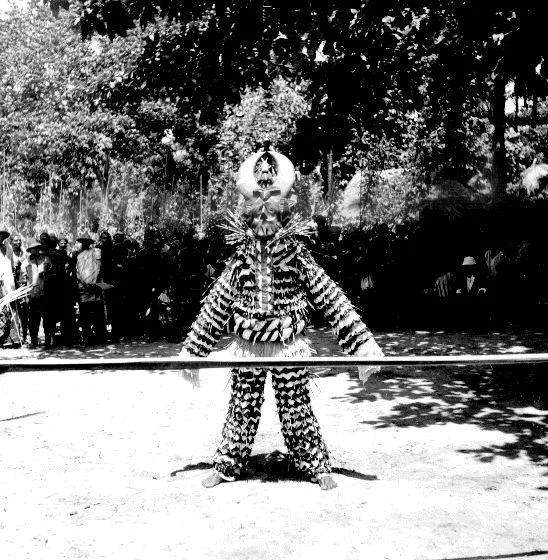
Anumbii (Horned Beast), Amuobia village. 📸: G. I. Jones.

Awo Ohia (Traveller — he who travels through the bush) Mmau Masquerade, Amuda village, Isu Ochi. 📸: G. I. Jones.
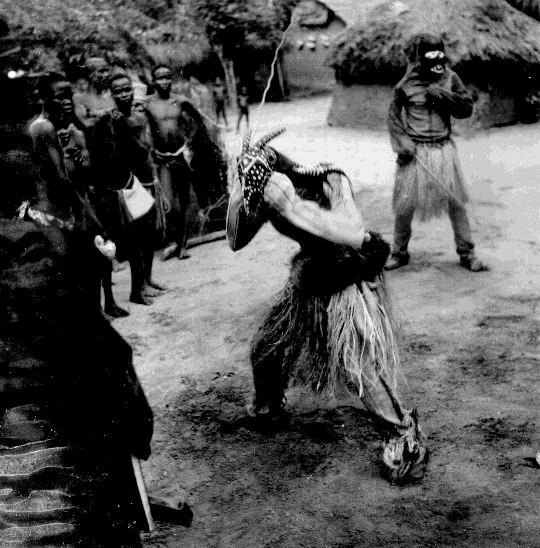
Eju Onu (Long Mouth) Mmau Masquerade, Amuda village, Isu Ochi. 📸: G. I. Jones.
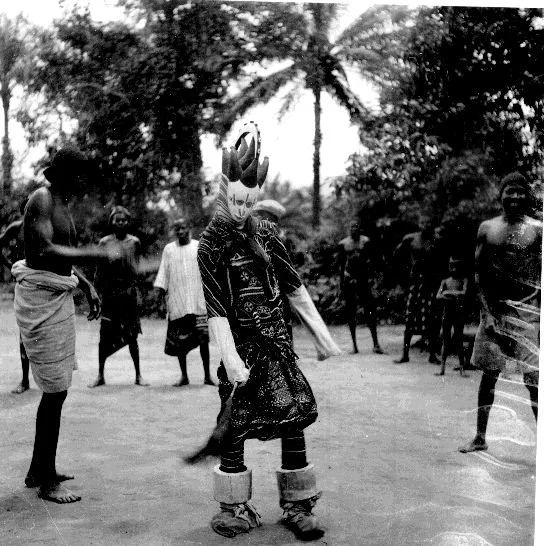
Grandmother Mask, Obugula Mmau, Amuobia village. 📸: G. I. Jones.
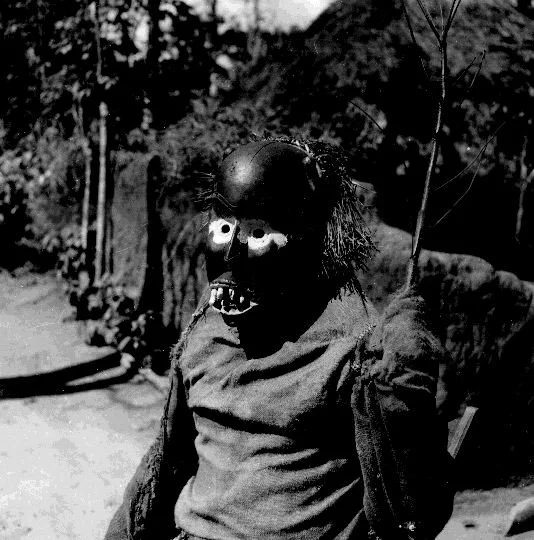
Iro Ekpetu (Merciless) Mmau Masquerade, Amuda village, Isu Ochi. 📸: G. I. Jones.
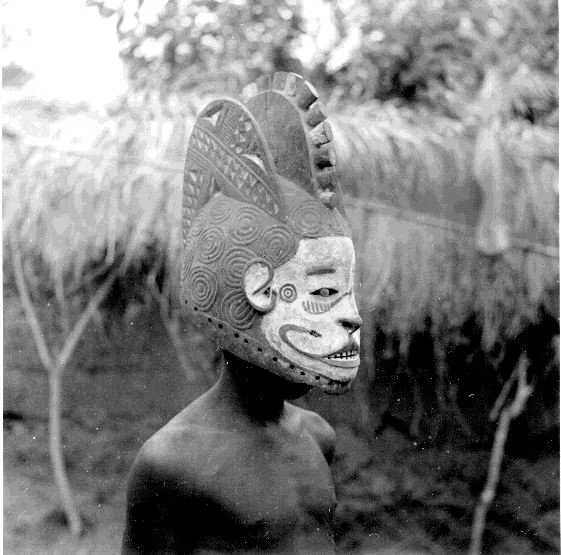
Masquerader in Nsukka. 📸: G. I. Jones.
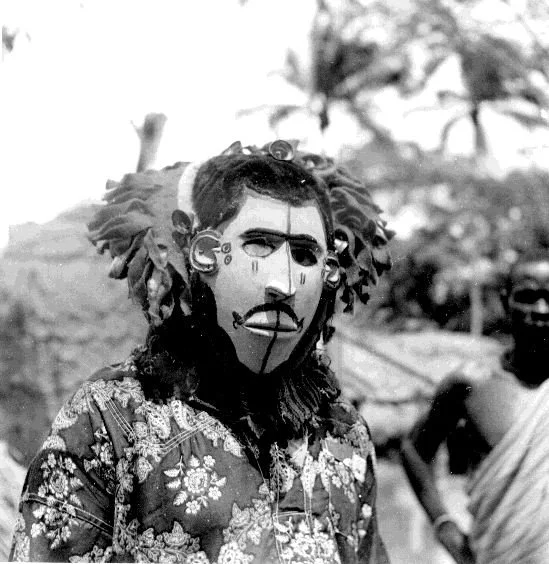
Masquerader in Nsukka. 📸: G. I. Jones.
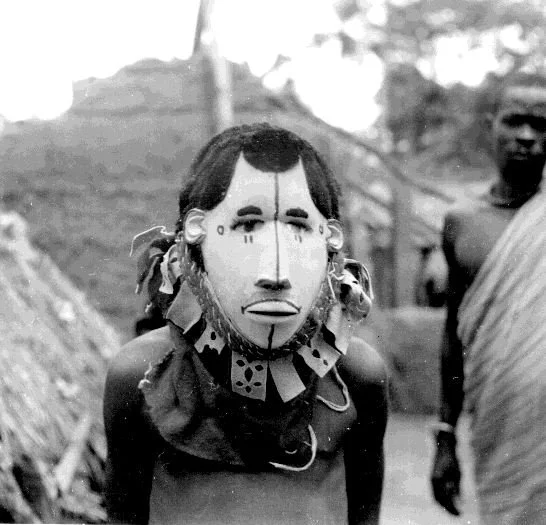
Masquerader in Nsukka. 📸: G. I. Jones.
![Mgbedike or Agu neche Enyi (leopard/elephant) [close-up], Nimo. 📸: G. I. Jones.](https://images.squarespace-cdn.com/content/v1/667099650b8ef12fccbce837/87595a86-a935-4a87-b6fc-cee8d2c0e7d0/Mgbedike+or+Agu+neche+Enyi+%28leopard_elephant%29+%5Bclose-up%5D%2C+Nimo.jpg)
Mgbedike or Agu neche Enyi (leopard/elephant) [close-up], Nimo. 📸: G. I. Jones.
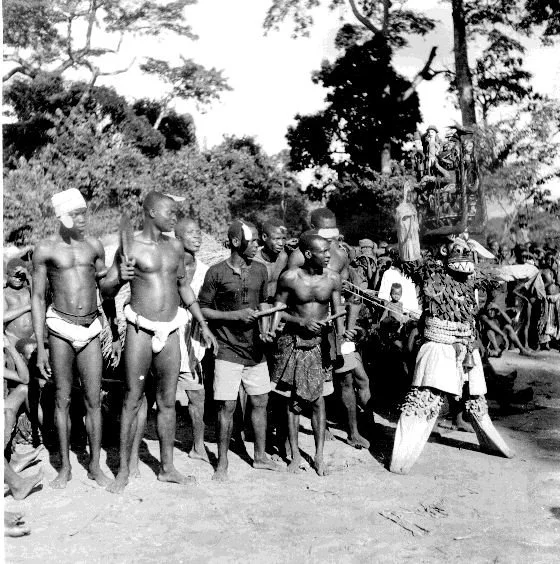
Mgbedike or Agu neche Enyi (leopard/elephant), Nimo. 📸: G. I. Jones.
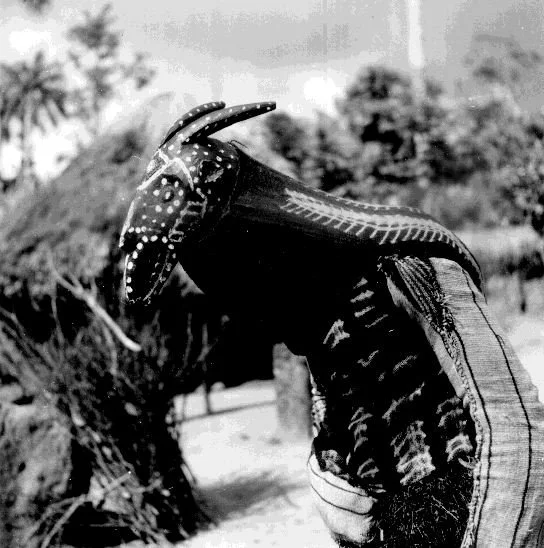
Mmau Masquerade, Amuda village, Isu Ochi. 📸: G. I. Jones.
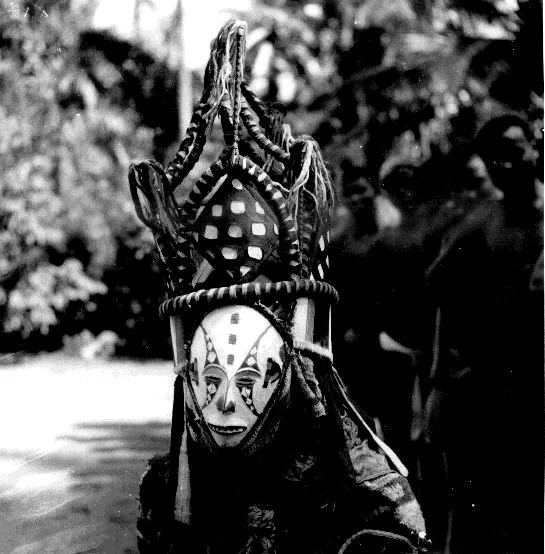
Mmau Masquerade, Amuda village, Isu Ochi. 📸: G. I. Jones.
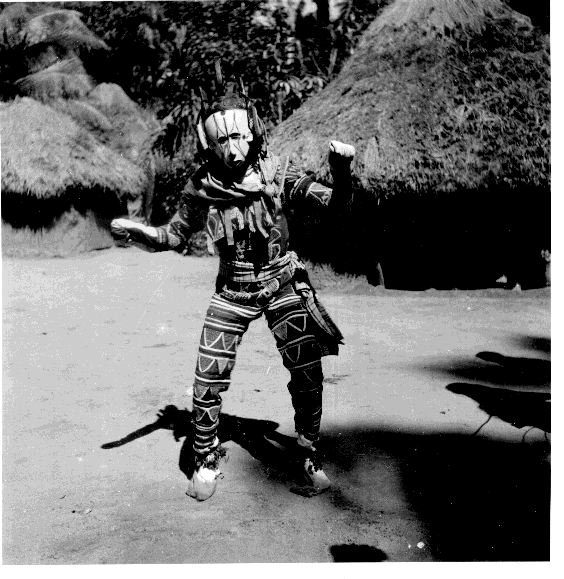
Nwabogho Ehi (heifer) Mmau Masquerade, Amuda village, Isi Ochi. 📸: G. I. Jones.
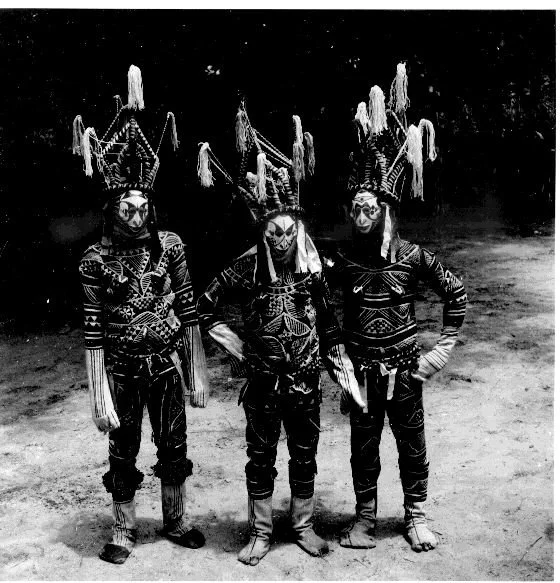
Obugula Mmau, Amuobia village. 📸: G. I. Jones.
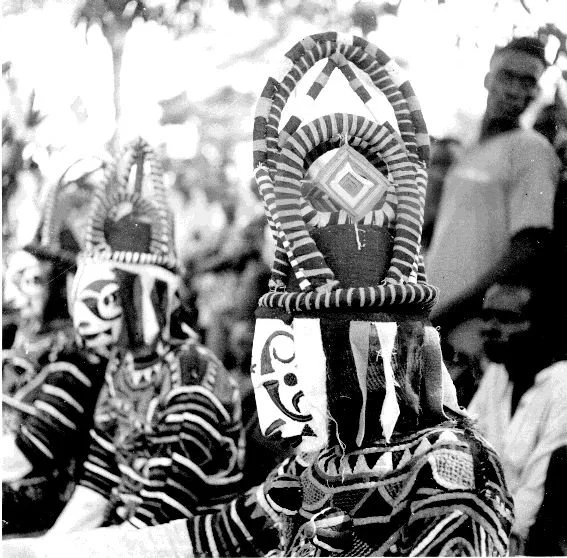
Obugula Mmau, daughter masks, Amuobia village. 📸: G. I. Jones.
Ogaranya (a powerful man), Nimo. 📸: G. I. Jones.
Omuko (very old elder), Amuobia village. 📸: G. I. Jones.

Onu Kamma maskers (mouth stronger than sword), Nimo. 📸: G. I. Jones.
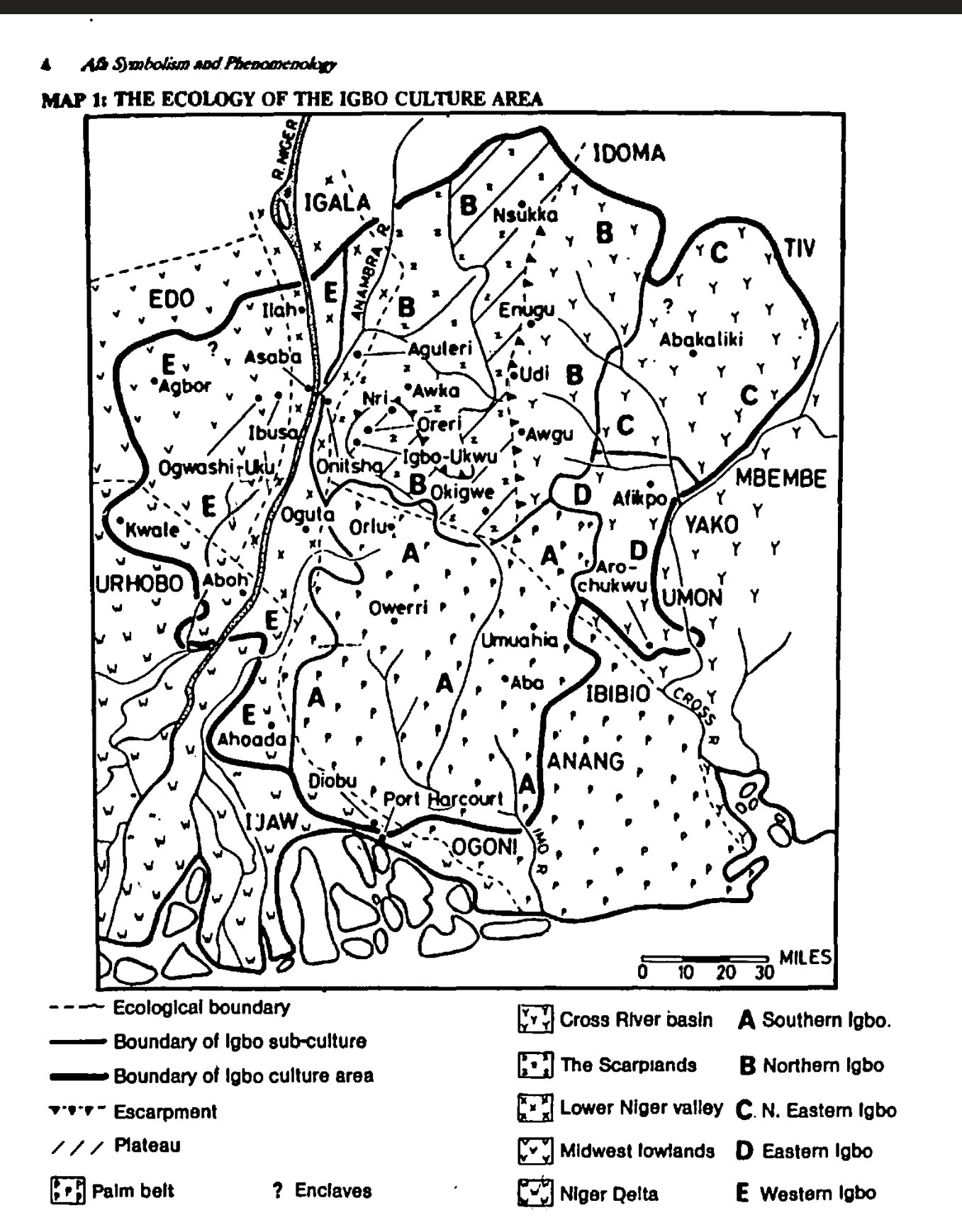
Map 1: Anthropographic Map of Nri by M. Angulu Onwuejeogwu.
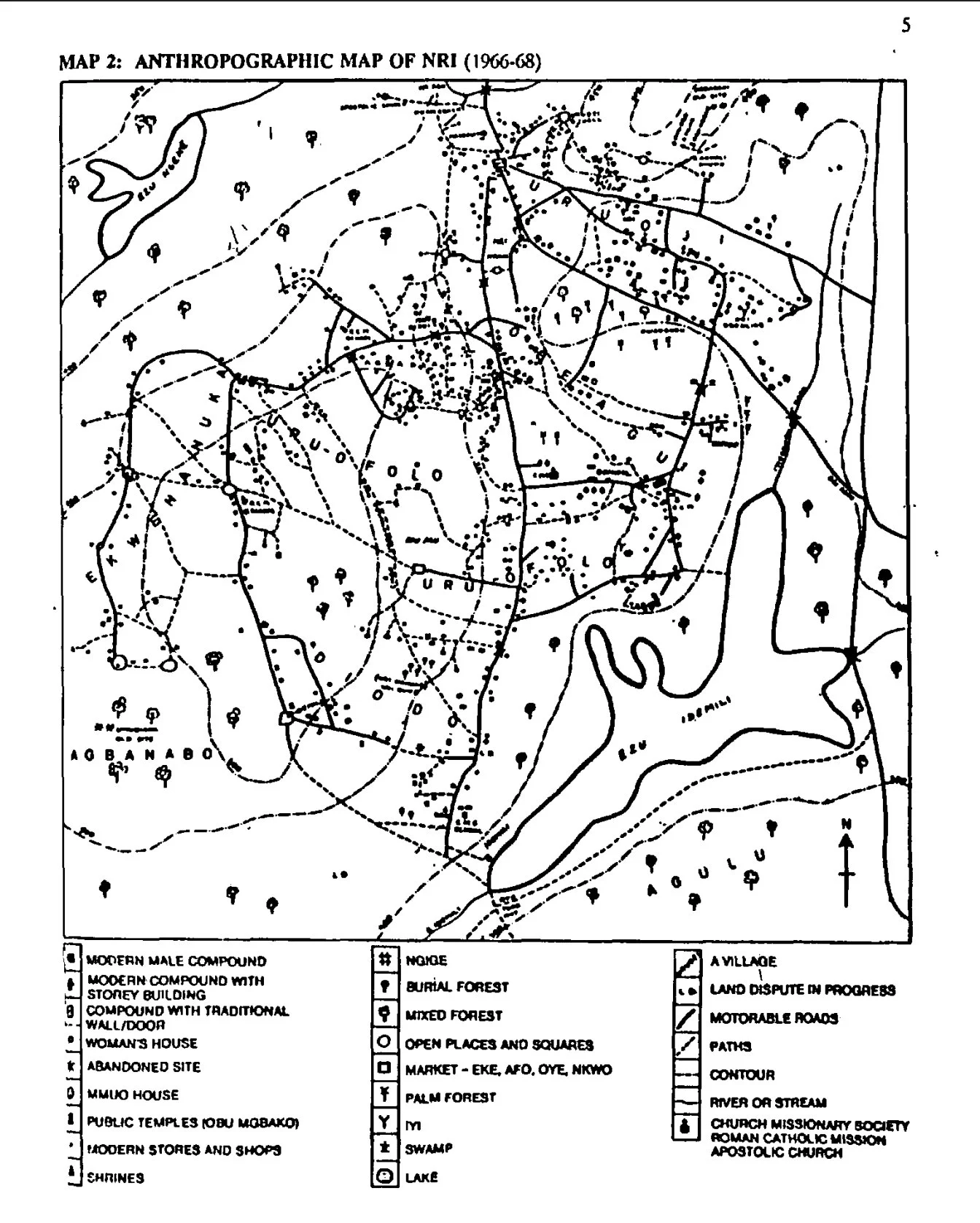
Map 2: Anthropographic Map of Nri by M. Angulu Onwuejeogwu.
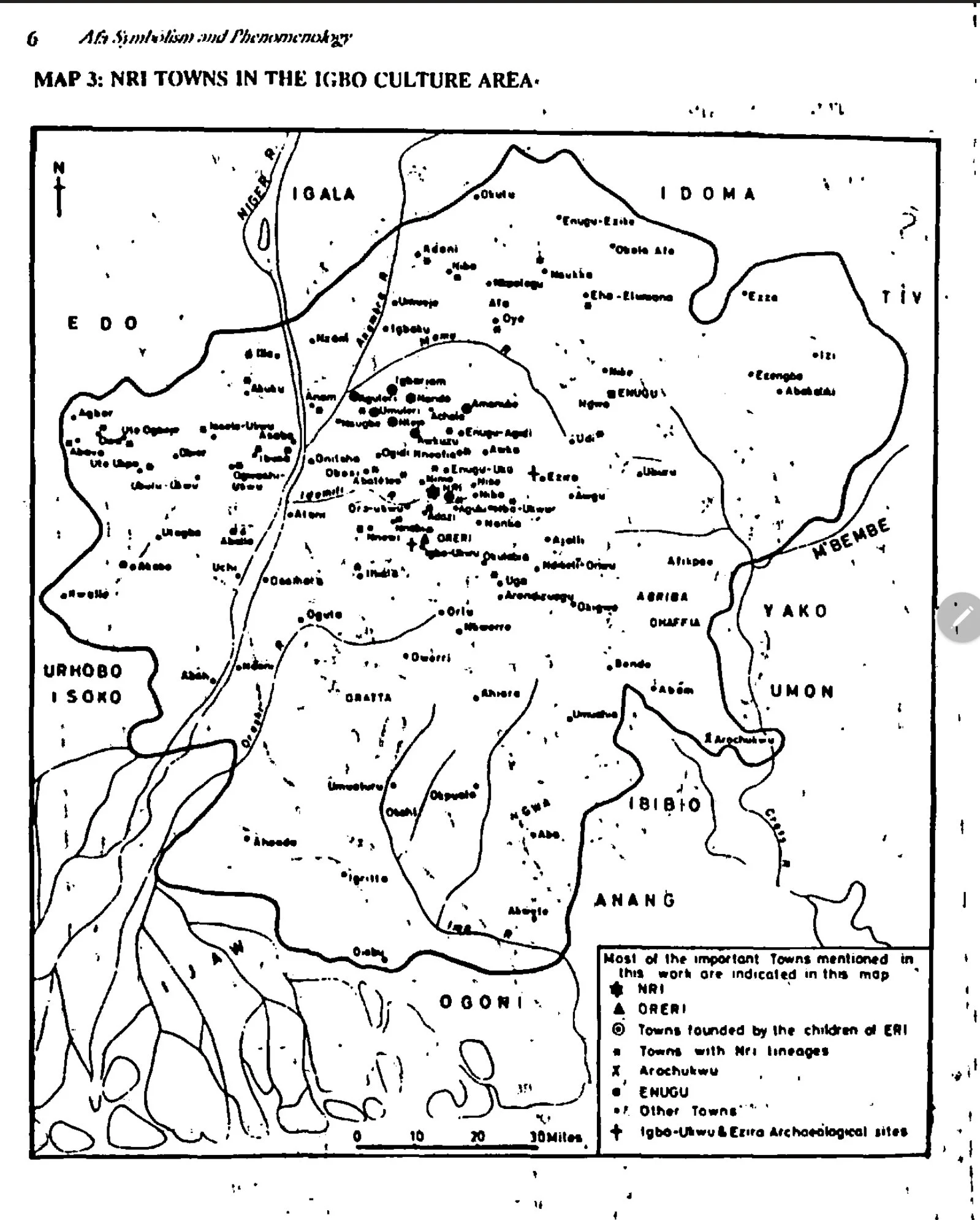
Map 3: Nri Towns in Igbo Culture Area by M. Angulu Onwuejeogwu.
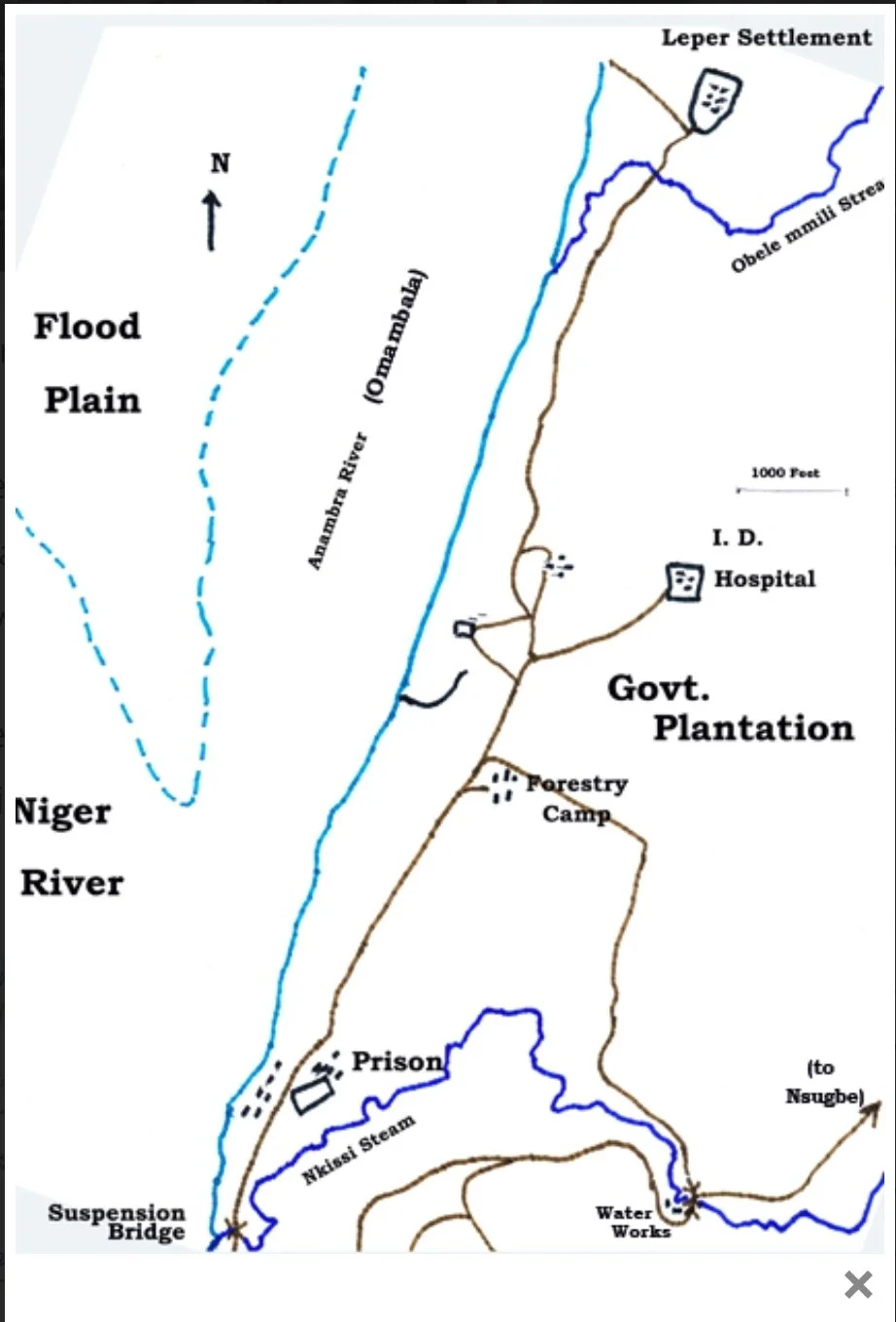
1932 Official map, redrawn in the abstract by RN Henderson in 2016.
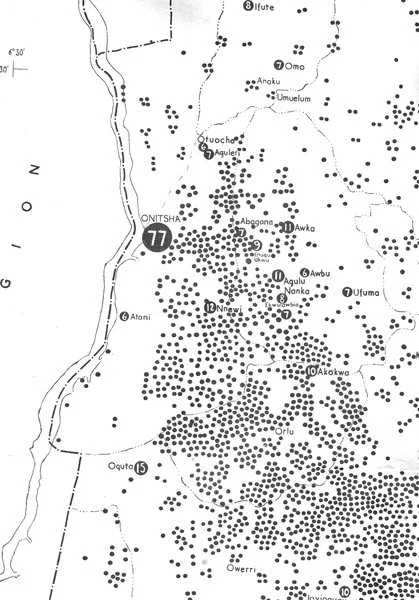
1953 Census Onitsha Vicinity
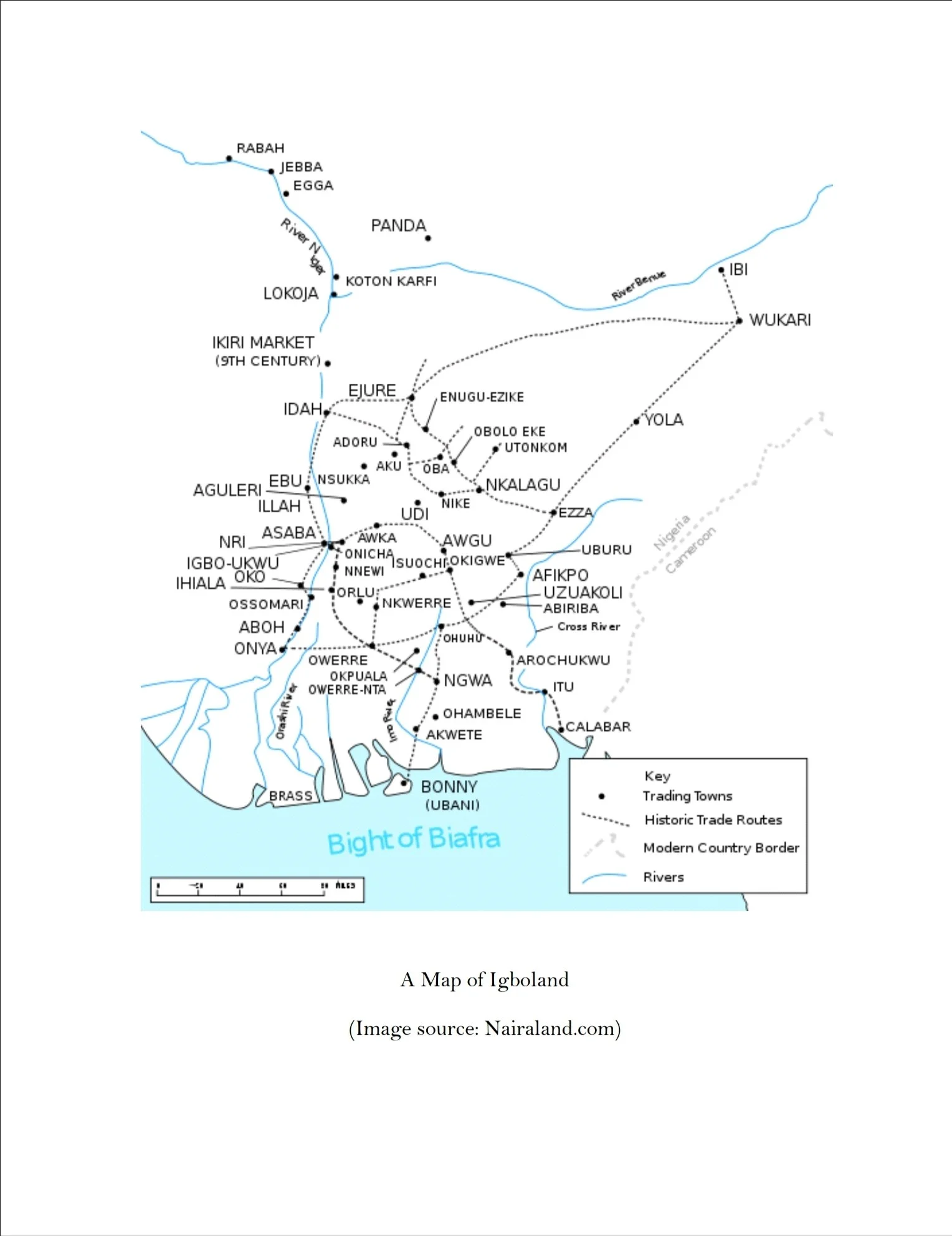
A Map of Igbo land
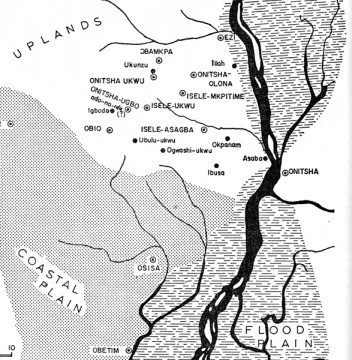
Asaba Onitsha Uplands Cities
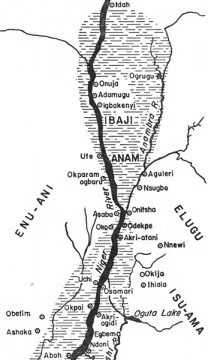
Igala-Aboh-Riverine-Trade-Area
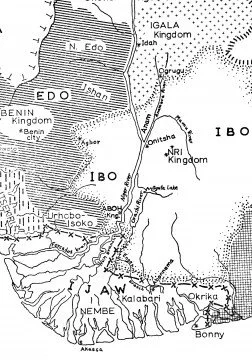
Lower Niger 1972 Map
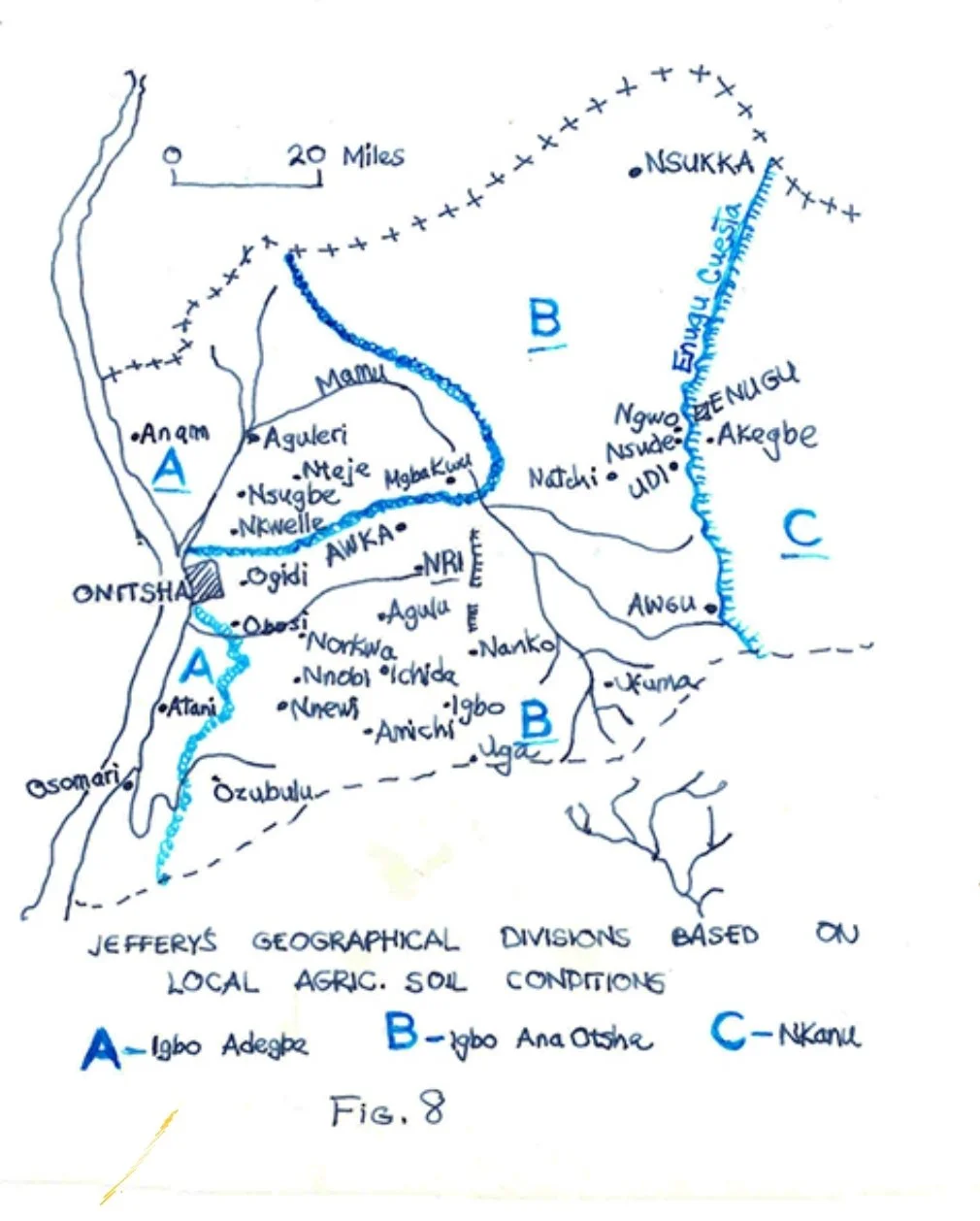
M.D.W. Jeffreys on the lowlands-uplands division.

Manfredi 1989 dialect map (geographical distribution of Manfredi’s classification of Igbo dialects in terms of degrees of relationship)
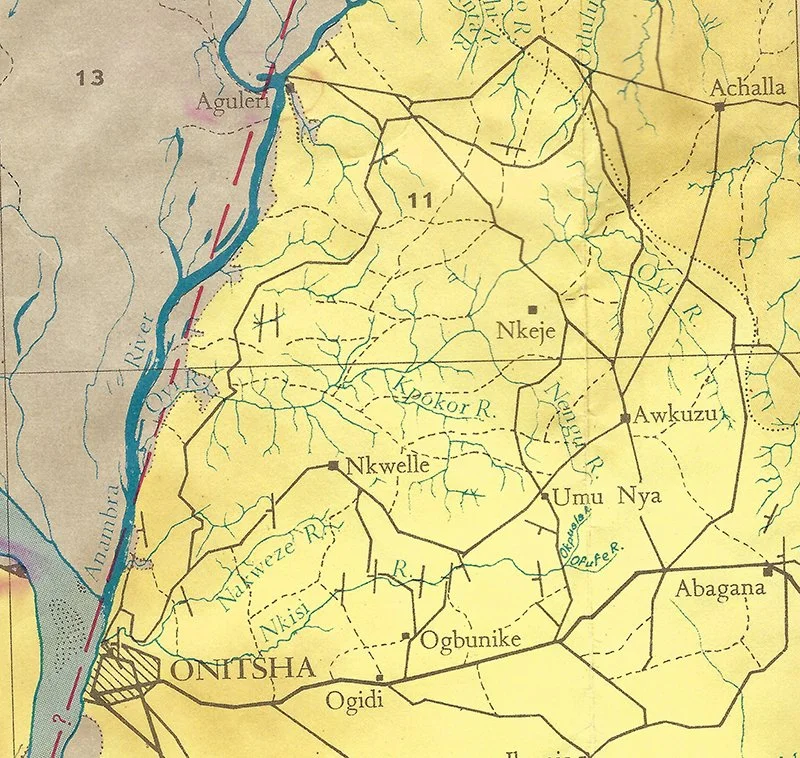
Map Onitsha Aguleri Geology
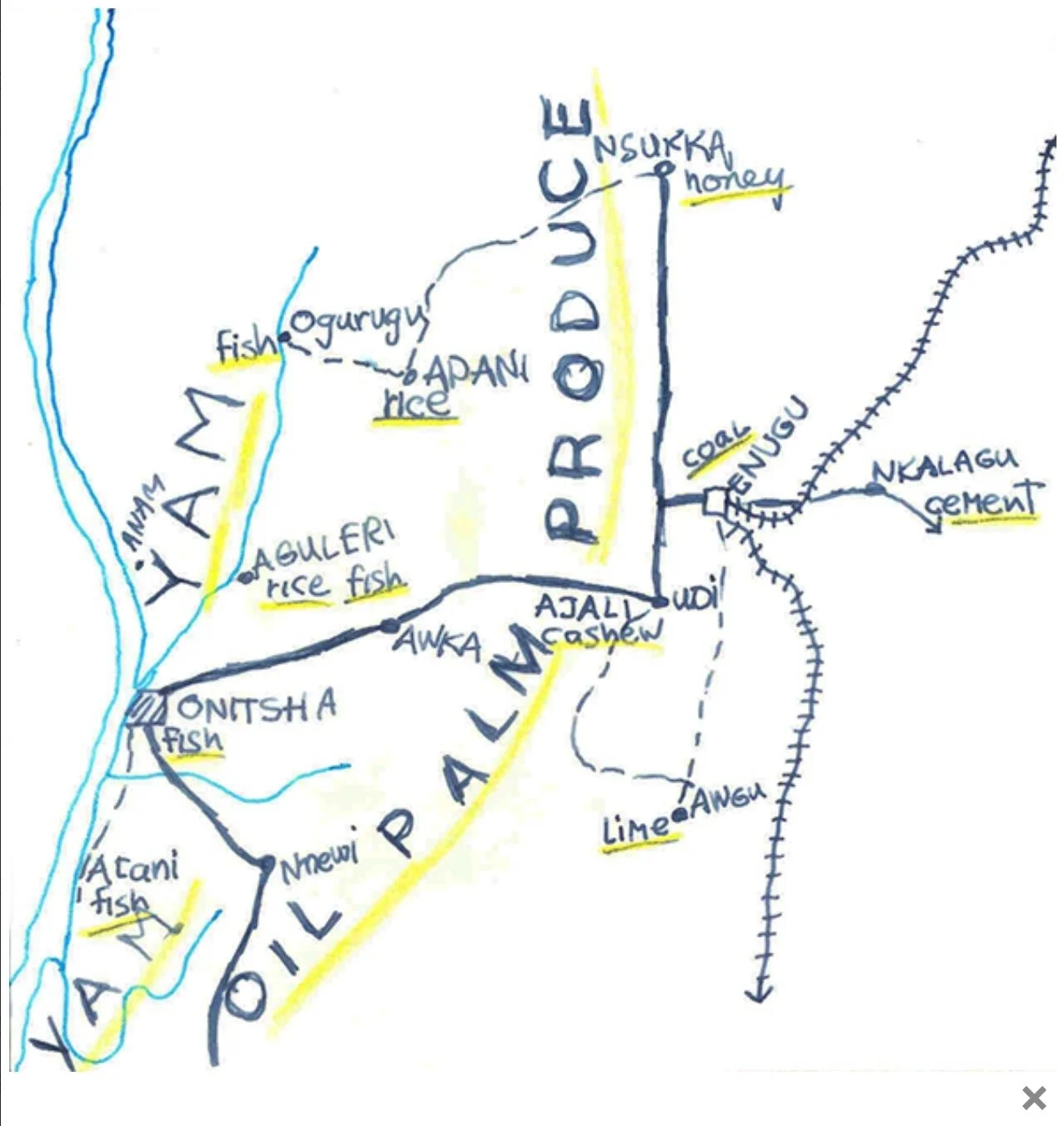
Mr Oduah on Production Geography
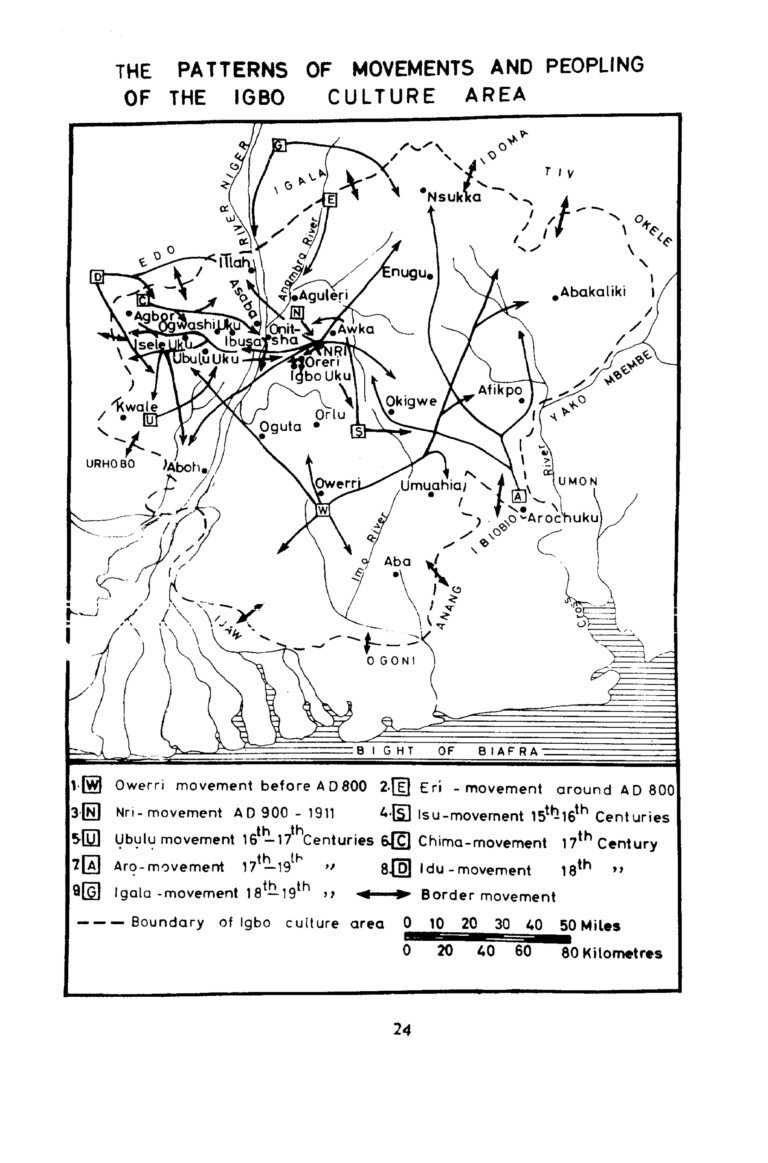
On Igbo migration 1977 outline. An overview of various stages of the expansion of Nri influence into the lands west of the Niger, culminating in a late period of “decline” by M Onwuejeogwu
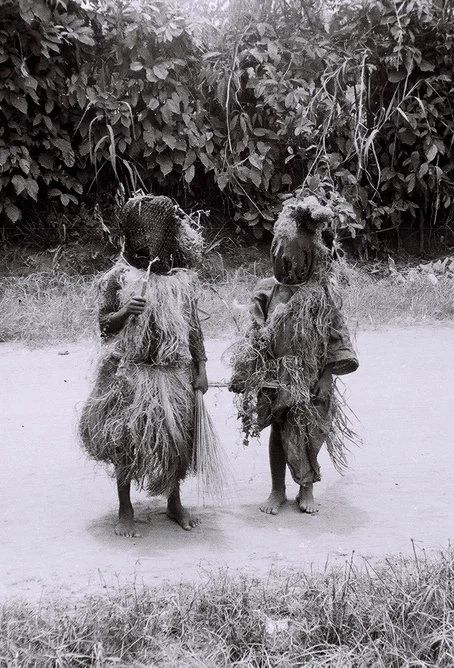
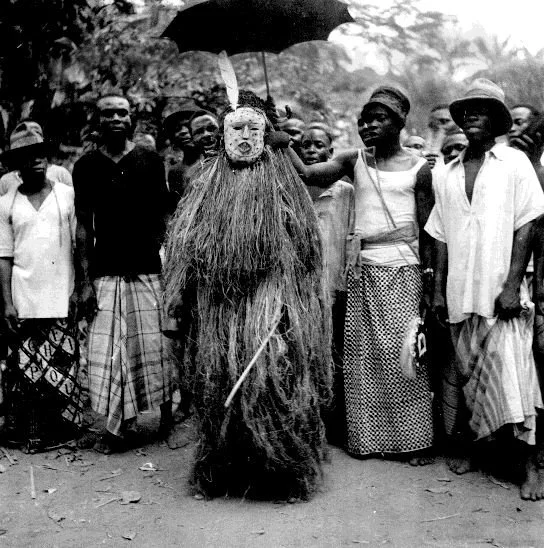
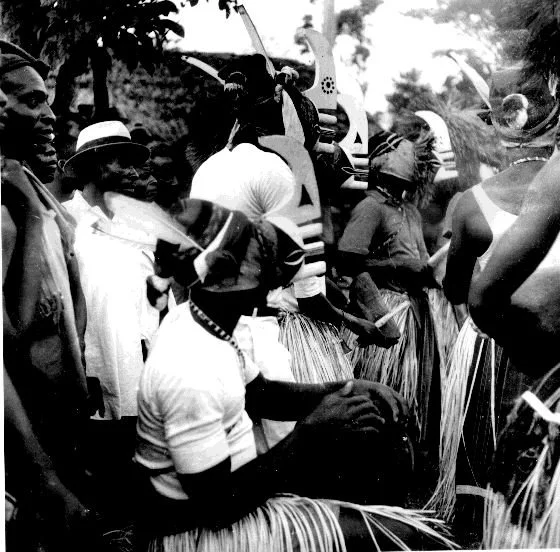
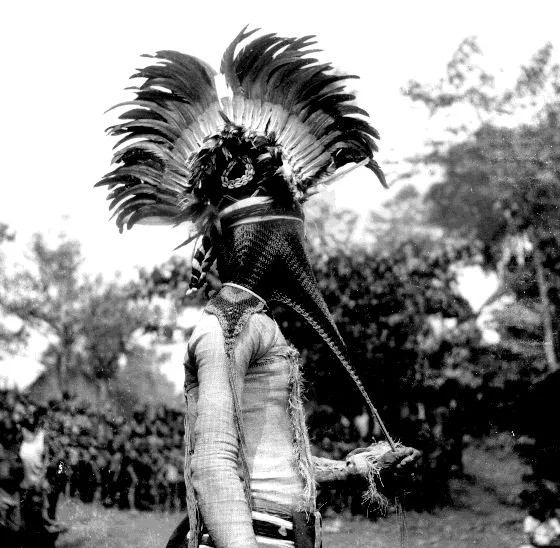
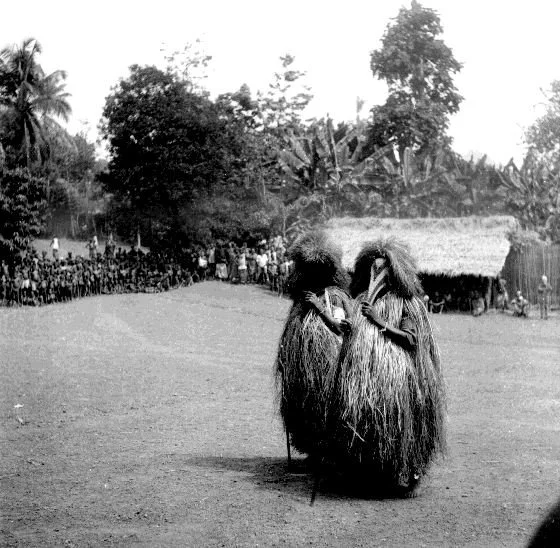
Young Igbo Mask Dancers Wearing Net Masks and Raffia Costumes.
Okoroshi masquerade
Nnemanwu 1961 📸: Richard & Helen Henderson
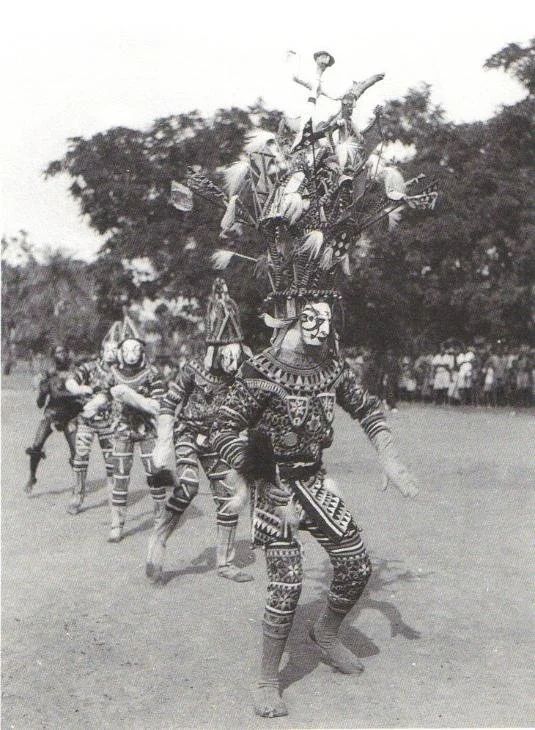
Igbo maiden spirit maskers near Akwa, Nigeria 1935.

Ajabu is a solitary and unpleasant masquerade, historically associated with the fight against a British punitive expedition that occupied the town in 1916. Uga, July 19, 2005 📸: Charles Gore.
Adada masquerade.
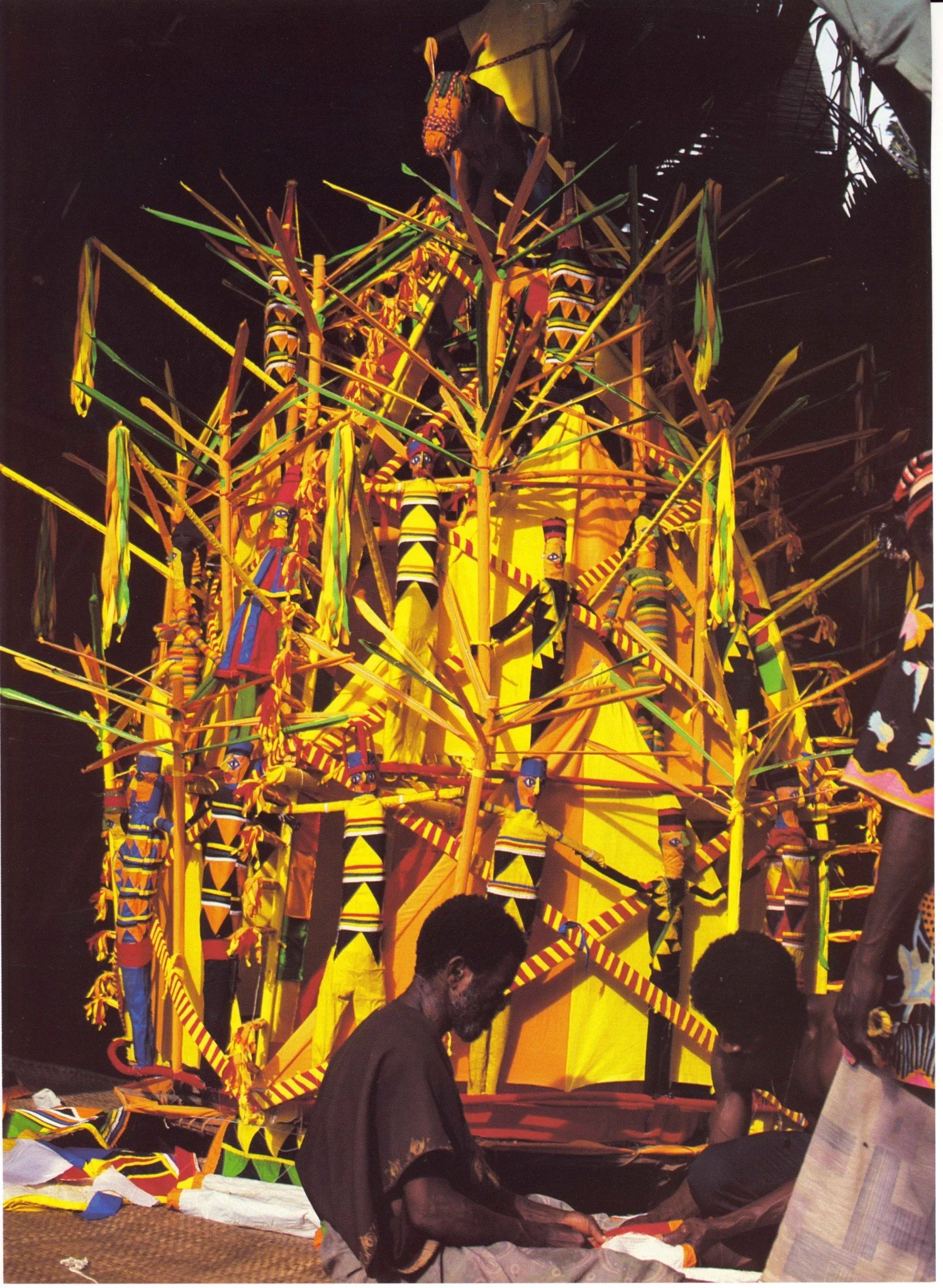
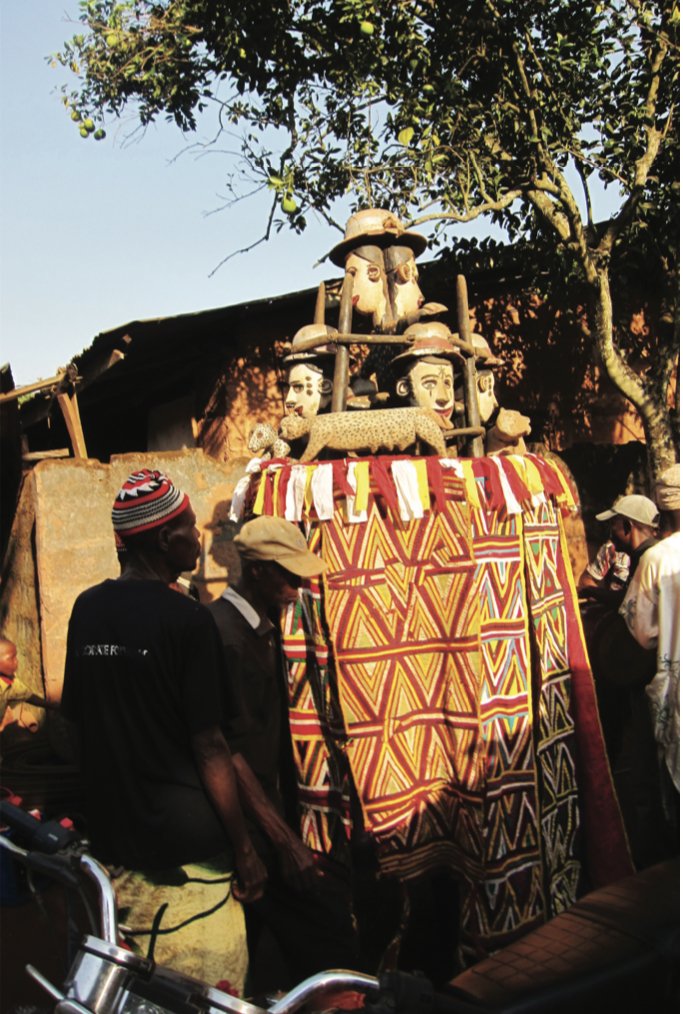
Ijele in construction.

Uga masquerade confronting a car, embellished with the slogan “war against indiscipline”—a slogan promoted by the Nigerian government parastatal organization Mamser, although now applied to the power of this masquerade. December 26, 1991 📸: Charles Gore
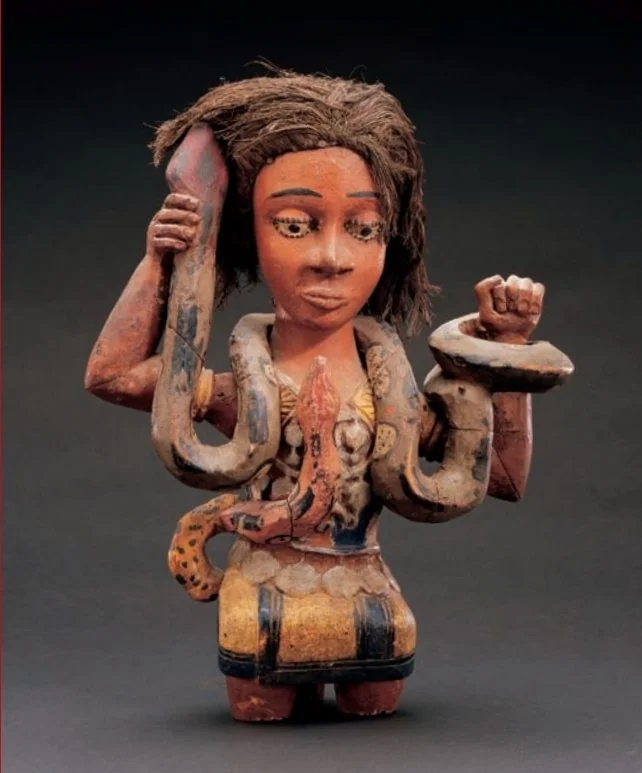
Akpan Chukwu or John Onyok, Annang Ibibio peoples, southeastern Nigeria Mami Wata figure, 1950s Wood, paint, raffia; 40.6cm (16") Collection of Herbert M. and Shelley Cole; L2007.22.1 Based on a nineteenth-century chromolithograph of a snake charmer from Hamburg, Germany, this shrine sculpture of Mami Wata was carved by the Ibibio artist Akpan Chukwu. Through the use of rich jewelry in the form of a necklace and waist ornament, the figure emphasizes the involvement of Mami Wata in matters of wealth.

Mami Wata figure Igbo peoples, Ogoja (?), Nigeria 1950s Wood, pigment; 145cm (57") Collection of Charles D. Miller III; L2007.68.1 'This large figure, carved in the 1950s by an Igbo sculptor in the vicinity of Ogoja, may have adorned a Mami Wata shrine, but more likely it was commissioned by an Ejagham women’s secret society. Other Ejagham women’s societies interpret the figure as a young mother fresh from her seclusion after the birth of her first child. She thus would have embodied the “ideals of an Ejagham beauty.”'
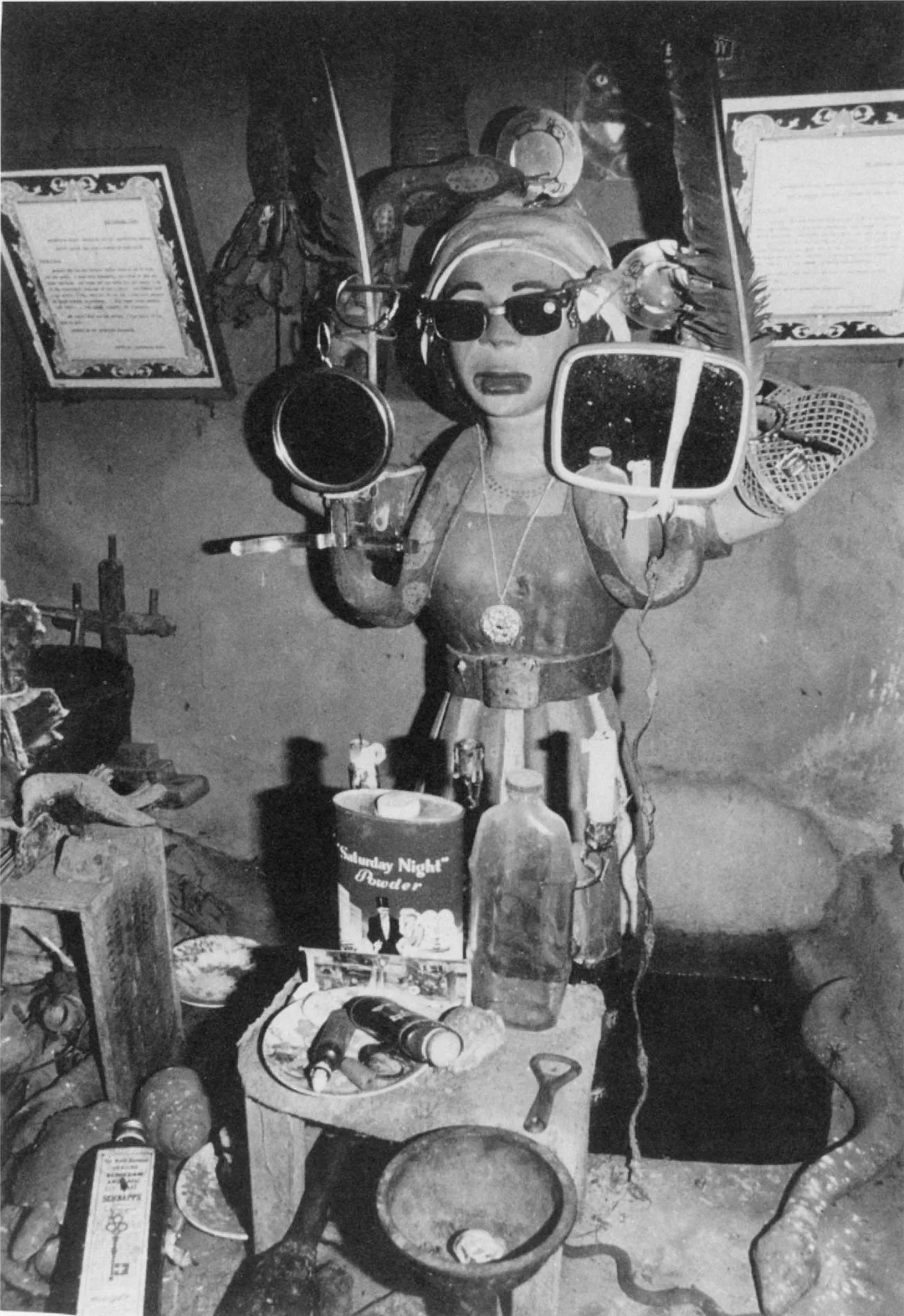
'Mirrors and sunglasses adorn an Igbo shrine sculpture of Mami Wata that stands on Coke bottles in a small pool of water. In front, plates, a bottle, a bottle opener, wooden and metal snakes, talcum powder containers, kola nuts, and a candelabrum cluster on a table. Nigeria, Igbo, 1978. 📸: Henry Drewal.
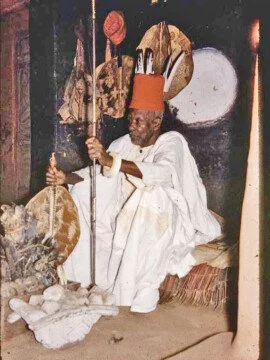
Ojiabu seated on Ukpo; Okwachi in foreground 📸: Richard & Helen Henderson.
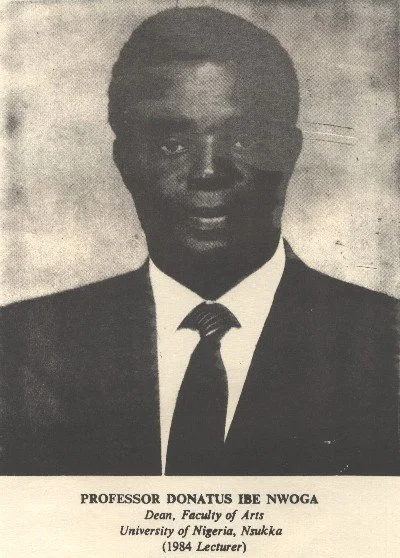
Donatus Ibe Nwoga.
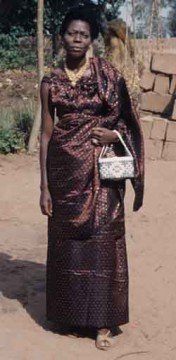
Madame Ibekwe a daughter of the late Obi Okosi II.

Michael Ogoejiofor Ibeziako Born in 1904 in Onitsha, he was a great-grandson of the historically prominent Onye-Onicha chief Ogene Eze-Oba of Ogboli-Olosi.

Michael Ogoejiofor Ibeziako, photo published in the Nigerian Spokesman July 27, 1961.
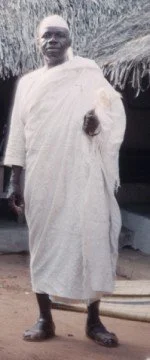
Nnanyelugo Paul Ibekwe.
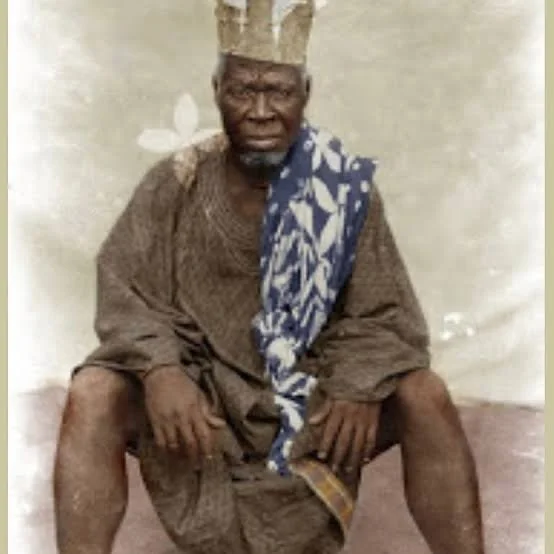
Obalike, the first Eze Nri to be seen.

Ojiabu with his various fans and his Chief’s bag. 📸: Richard & Helen Henderson

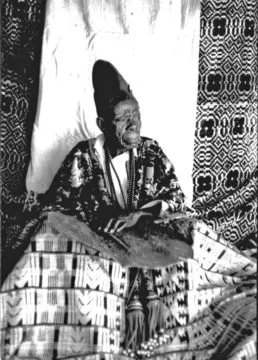
The Obi of Awkuzu December 1960 📸: Richard & Helen Henderson.

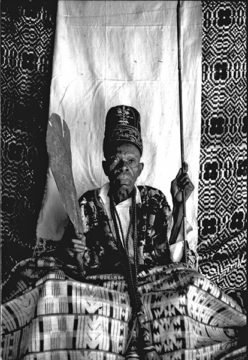
the Onitsha King (Obi), as he appeared at his Emergence from his ordinary seclusion 1960 📸: Richard & Helen Henderson
Umera Ozi on Ukpo with chief’s spear.
Umera Ozi on Ukpo Chiefs fan.
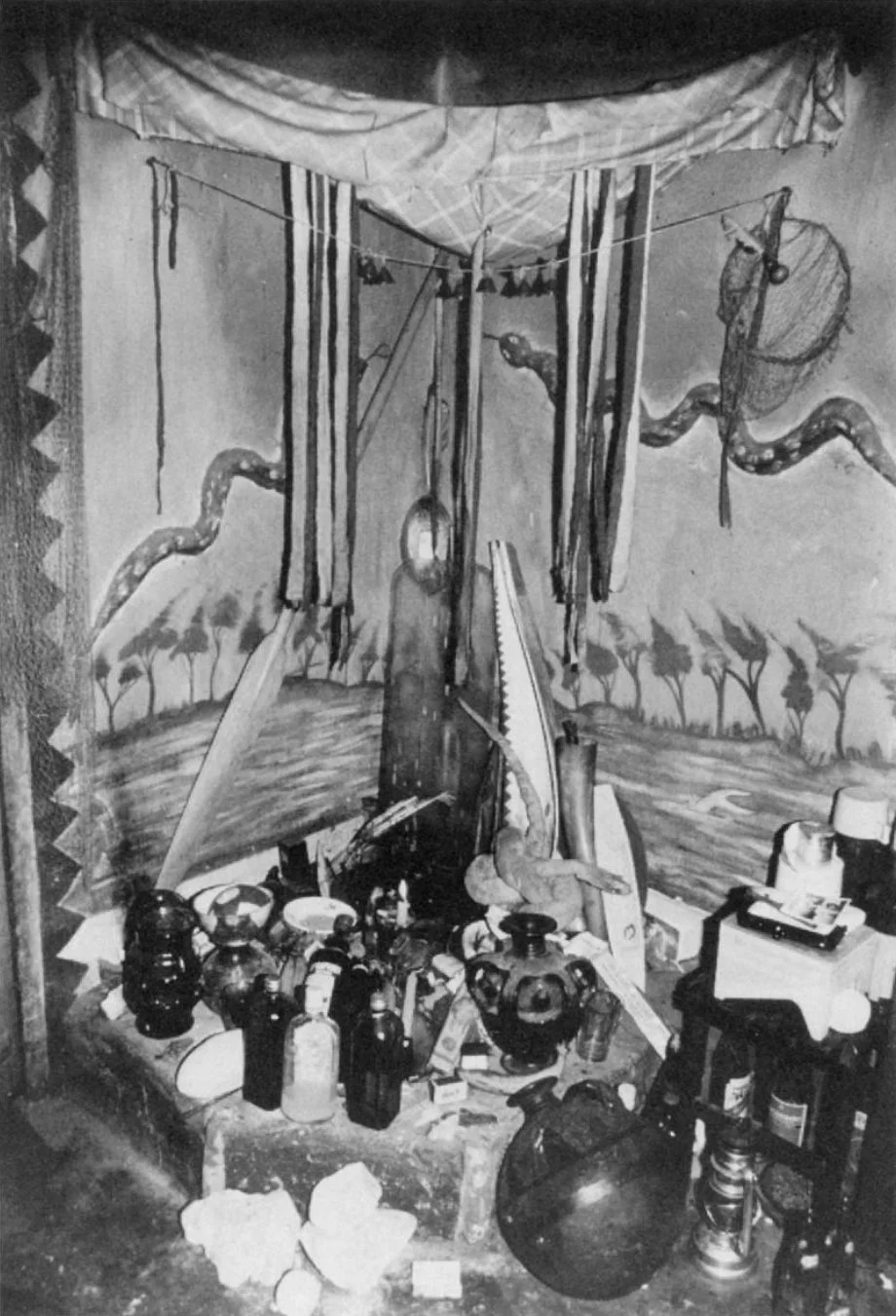
'An aquamarine shrine environment recreating Mami Wata's underwater world with fishnets, canoe paddles, and a stuffed, coiled snake which the possessed medium wraps around her neck and holds aloft in her right hand in imitation of the snake charmer print. Nigeria, Igbo, 1978.' 📸: Henry .J. Drewal

Iyi-Oji shrine, Nwelle. Black cloth entryway 1961 📸: Richard & Helen Henderson
Nze Onicha Olona Shrine 📸: Northcote Thomas.jpg

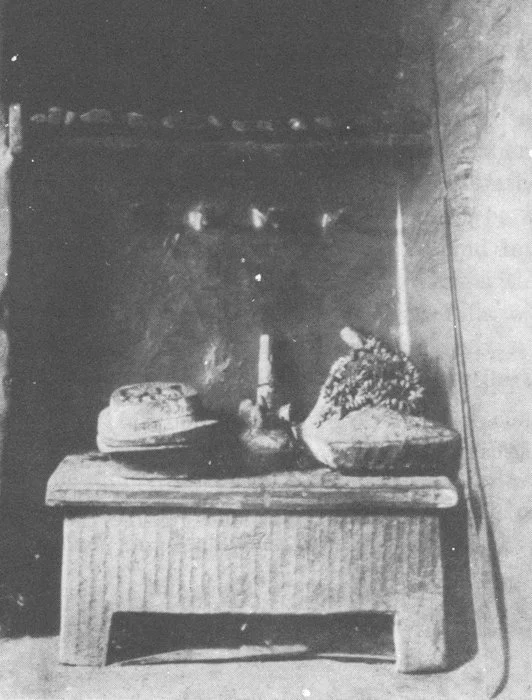
The patrilineage altar of a young man’s wider descent group - Umuerum, May 1962, ofo.
📸: Thomas 1913 (Awka): Plt V-a, “Ainyanwu” shrine with Schnapps bottles.

Ikenga seized by Richard Henderson out of the on rushing fiery furnace created by the RCM priest at Nnewi who was conducting an Anti-juju Crisade.
![Agu Neche Enyi [leopard guard of an elephant] mask. The mask is unfinished and is being “modelled’ by a seated male. 📸: G. I. Jones, 1930s.](https://images.squarespace-cdn.com/content/v1/667099650b8ef12fccbce837/93b39061-5e43-428f-8c2e-317295f2b653/Agu+Neche+Enyi+%28%5Bleopard+guard+of+an+elephant%5D%29+mask.+The+mask+is+unfinished+and+is+being+%E2%80%9Cmodelled%E2%80%99+by+a+seated+male.+%E2%80%94+G.+I.+Jones%2C+1930s.JPG)
Agu Neche Enyi [leopard guard of an elephant] mask. The mask is unfinished and is being “modelled’ by a seated male. 📸: G. I. Jones, 1930s.

An array of iron spears and staffs, and wooden staves, lay on the ground having been given substantial sacrifice Umuerum, May 1962 📸: Richard & Helen Henderson
Egwu-ota Drums wardrums

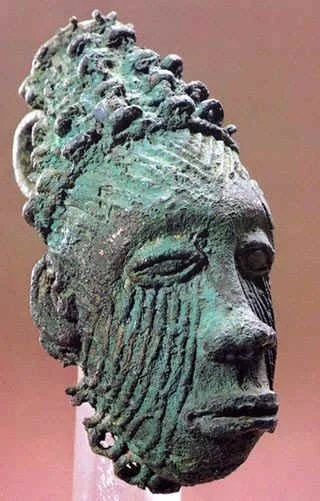
Igbo Ukwu bronze
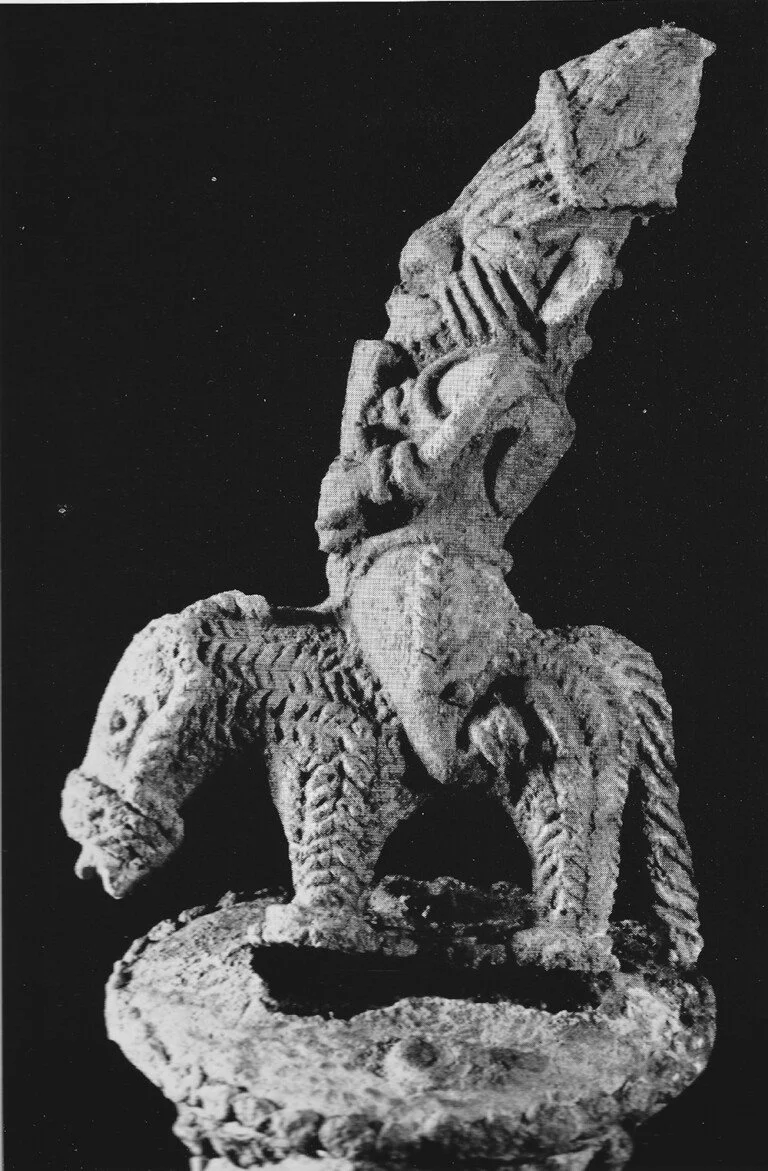
Igbo horserider 📸: Richard & Helen Henderson
Ikena oba yam ban 📸: Richard & Helen Henderson
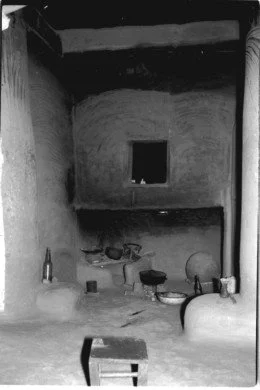
Igbo kitchen

Local boys guard an array of small mini-cannons (“petards”) 📸: Richard & Helen Henderson
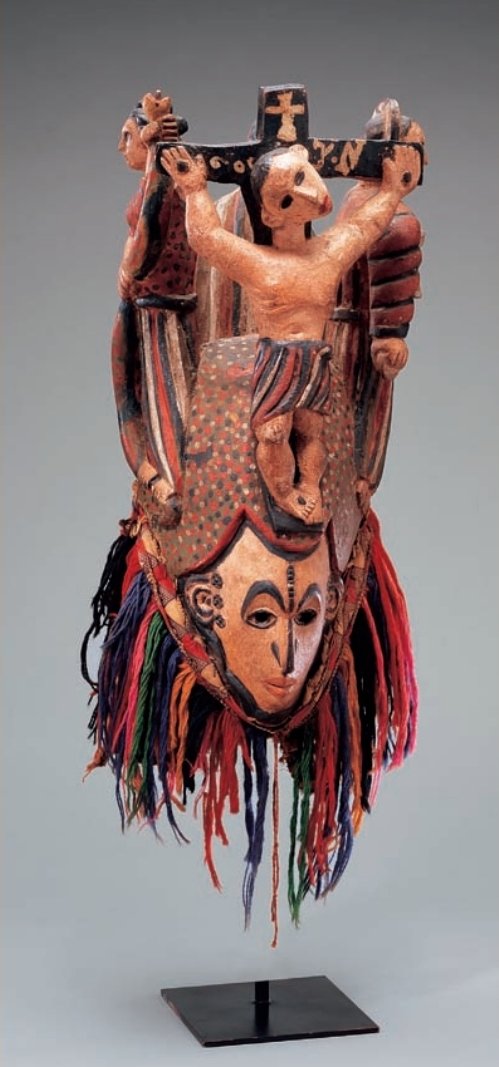
Mma mask, north central Igboland, Nigeria Circa 1960 Wood, cloth, pigment; 76.2cm (30") Collection of the African Art Museum of the SMA Fathers; 'This mask is a testament to the multiple spiritual forces present in Igboland. Here Mami Wata is depicted with Jesus on the cross, priests or saints, and the Madonna. These masks, probably carved in the 1950s or 1960s, visualize local religious and ideological negotiations of a particular era'
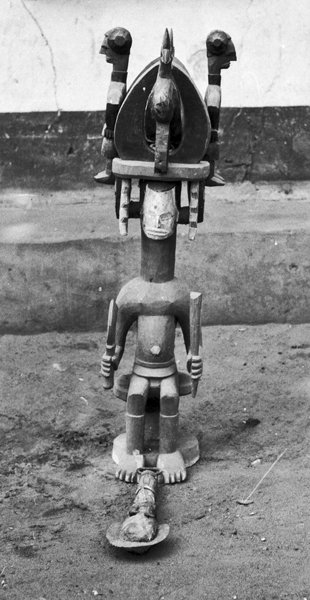
Nsugbe Ikenga.
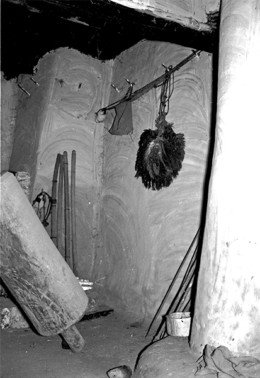
Olisiloku feathered fan-et-al
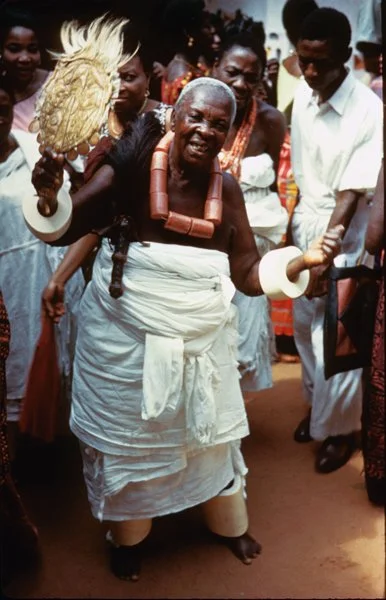
Etukokwu Omenyi dances 📸: Richard & Helen Henderson
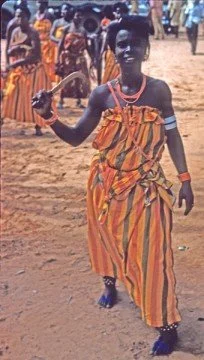
Royal Daughters dance leader

Side-blown elephant tusk horn, okike, blown by Ezema Nwodo Eze, 1965. 📸: David Ames.

Titled elder Onyeso of Agukwu Nri washing hands for a rite before a shrine to Agwụ̀.
Ufie drum.

Umato omodi priests. The five Di-Okpala of Umu-Ase-Iyawu. Omodi Nzekwu at left. Okwachi and balls of Yam Foo-foo at lower right. The Omodi’s giant Ikenga can also be seen in the image.

Umato Onowu Omodi. Anatogu Onowu & Omodi Nzekwu. A grand cone of nni-oka stands beside them.
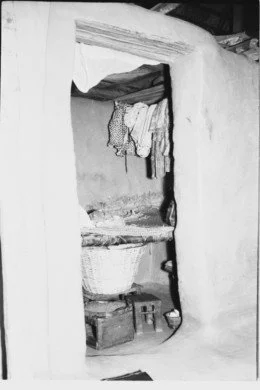
Ozi house wifes bedroom 📸: Richard & Helen Henderson
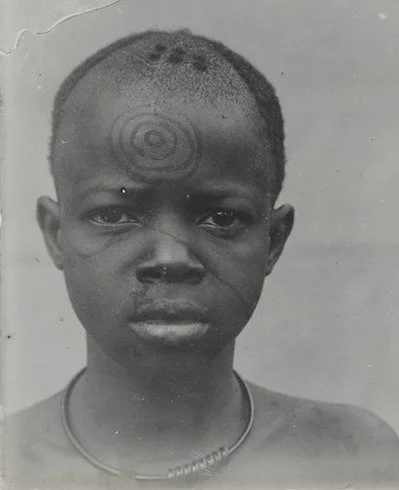
An Igbo girl from Nibo, present-day Anambra State, with ùlì designs on her skin. 📸: Northcote Thomas c. 1911. MAA Cambridge.

An Igbo woman from Nibo, present-day Anambra State. 📸: Northcote Thomas c. 1911. MAA Cambridge.
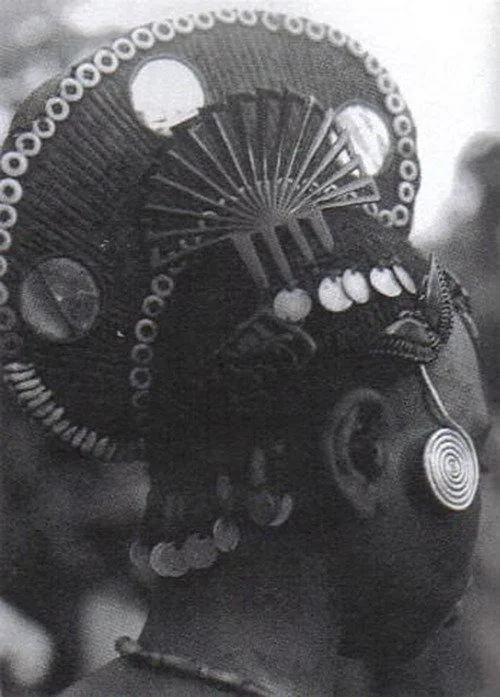
A woman with crest hairstyle and ornaments, Igboland. 📸: Afrika Museum, Berg en Dal, Mid 20th century.

“Achetefu(?) young man.” … “Hairdressing (Ibo) Man of Awka”. 📸: Northcote Thomas, c. 1911. MAA Cambridge.
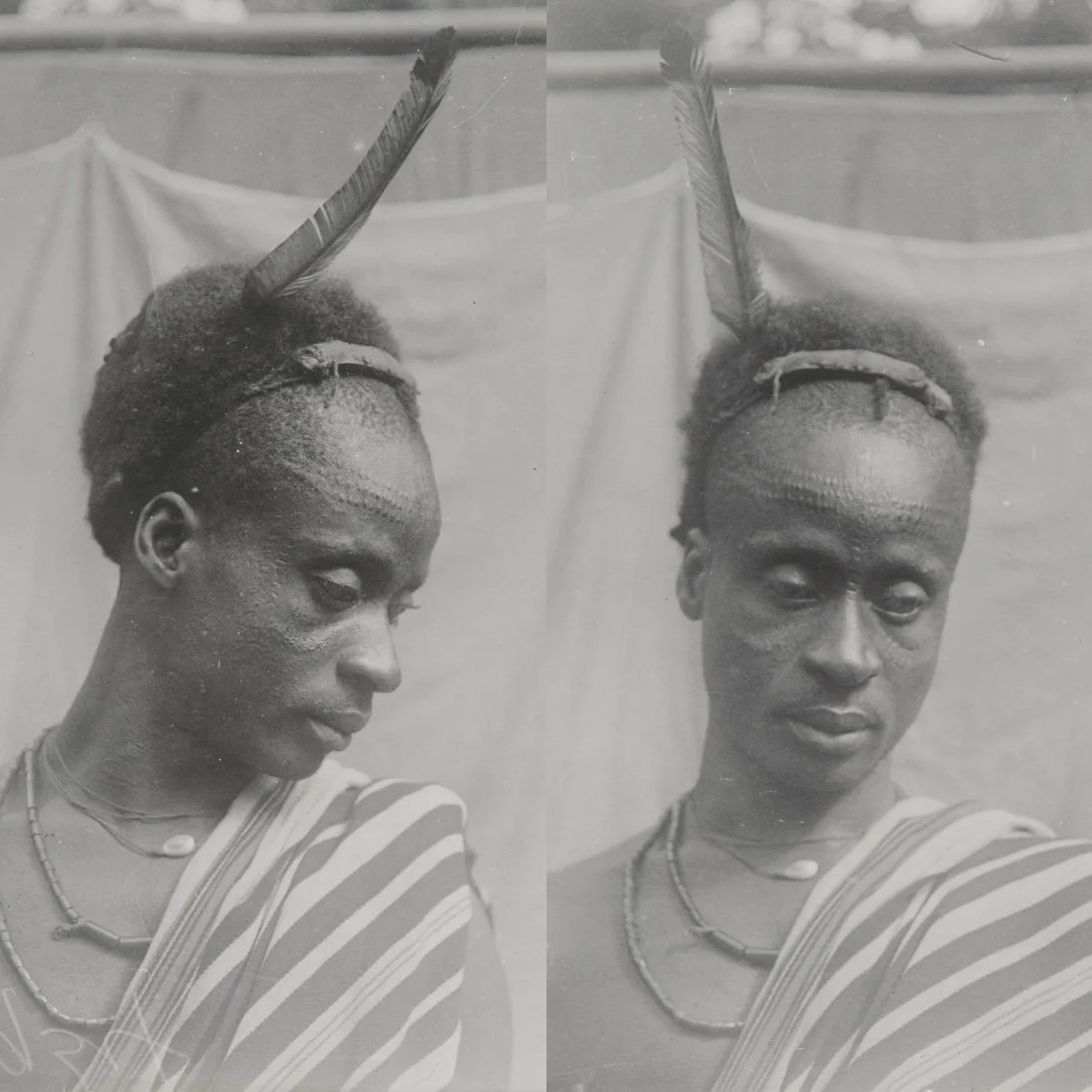
A person from Nsukwa, a western Igbo community in the Enuani area of today’s Delta State. Nsukwa is apparently an anglicisation of Nchukwa according to J. G. Nkem Onyekpe (2012). Nsukwa was known for its women’s pottery industry. 📸: Northcote Thomas, c. 1913.
![The ùrì body art of a lady who may be from Isuochi (as the album was labelled) [cropped]. 📸: G. I. Jones, 1930s.](https://images.squarespace-cdn.com/content/v1/667099650b8ef12fccbce837/fc8cb4de-633c-4743-8241-a1e22d84e557/The+%C3%B9r%C3%AC+body+art+of+a+lady+who+may+be+from+Isuochi+%28as+the+album+was+labelled%29+%5Bcropped%5D.+Photographed+by+G.+I.+Jones%2C+1930s..jpg)
The ùrì body art of a lady who may be from Isuochi (as the album was labelled) [cropped]. 📸: G. I. Jones, 1930s.
![A man from Enugwu Ukwu in present day Anambra State, 📸: Northcote Thomas, c. 1910-11. MAA Cambridge. [There’s nzụ, chalk, on his eyes.]](https://images.squarespace-cdn.com/content/v1/667099650b8ef12fccbce837/db0ab6c5-2cad-42a5-9732-bd1d5454118a/A+man+from+Enugwu+Ukwu+in+present+day+Anambra+State%2C+photographed+by+Northcote+Thomas%2C+c.+1910-11.+MAA+Cambridge..jpg)
A man from Enugwu Ukwu in present day Anambra State, 📸: Northcote Thomas, c. 1910-11. MAA Cambridge. [There’s nzụ, chalk, on his eyes.]

The Omu of Okpanam, whose name was not recorded, 📸: Northcote Thomas in 1912. Okpanam is an Enuani Igbo town near Asaba in Delta State, Nigeria today.

An Igbo man from Agukwu Nri decorated with what appears to be ùlì, a semi-permanent dye from a plant and a system of symbols of the same name. 📸: Northcote Thomas, c. 1910-11. MAA Cambridge.
![Asaba, turn of the 20th century. Igbo jewellery [cropped].](https://images.squarespace-cdn.com/content/v1/667099650b8ef12fccbce837/d9fee290-98e2-41f8-a412-f97fc040cf5a/Asaba%2C+turn+of+the+20th+century.+Igbo+jewellery+%5Bcropped%5D..jpg)
Asaba, turn of the 20th century. Igbo jewellery [cropped].

An Igbo girl photographed in Nibo and noted as ‘Nwauko’ in Northcote Thomas’ photographic register, c. 1910-11.

A woman photographed in Öka (Awka) by Northcote Thomas, c. 1910-11. MAA Cambridge.
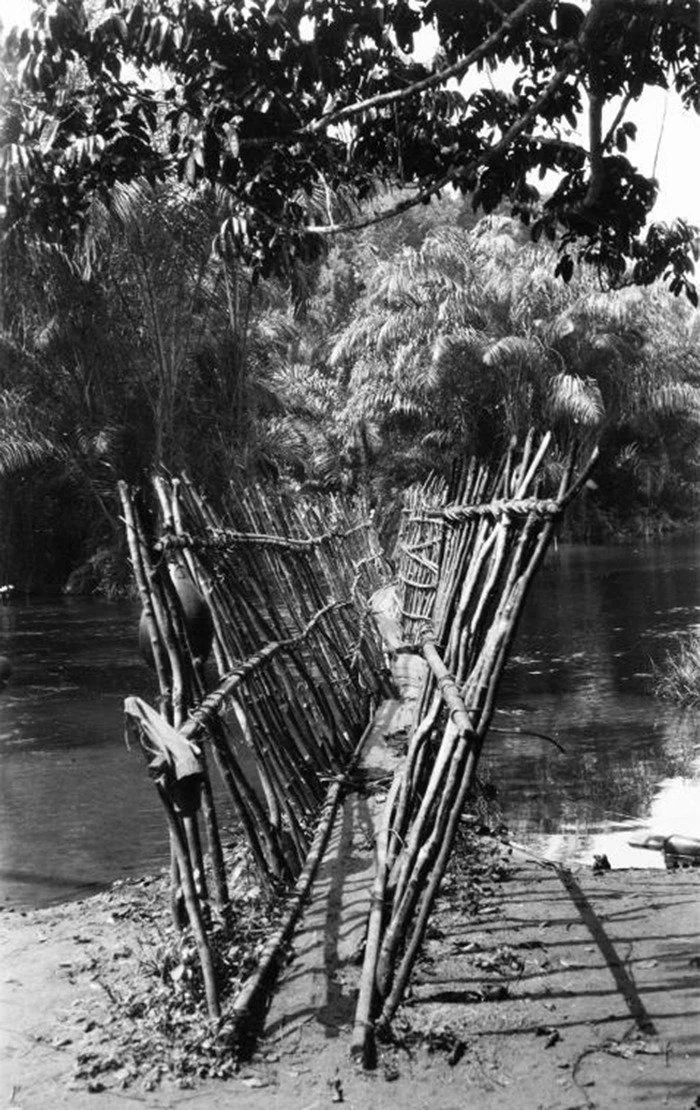
A bridge somewhere in the Igbo country, 📸: Gustaf Bolinder, 1930-31.

A young boy wearing a large helmet shaped mask in Abiriba, in the eastern Igbo area, Nigeria. G. I. Jones, 1930s.
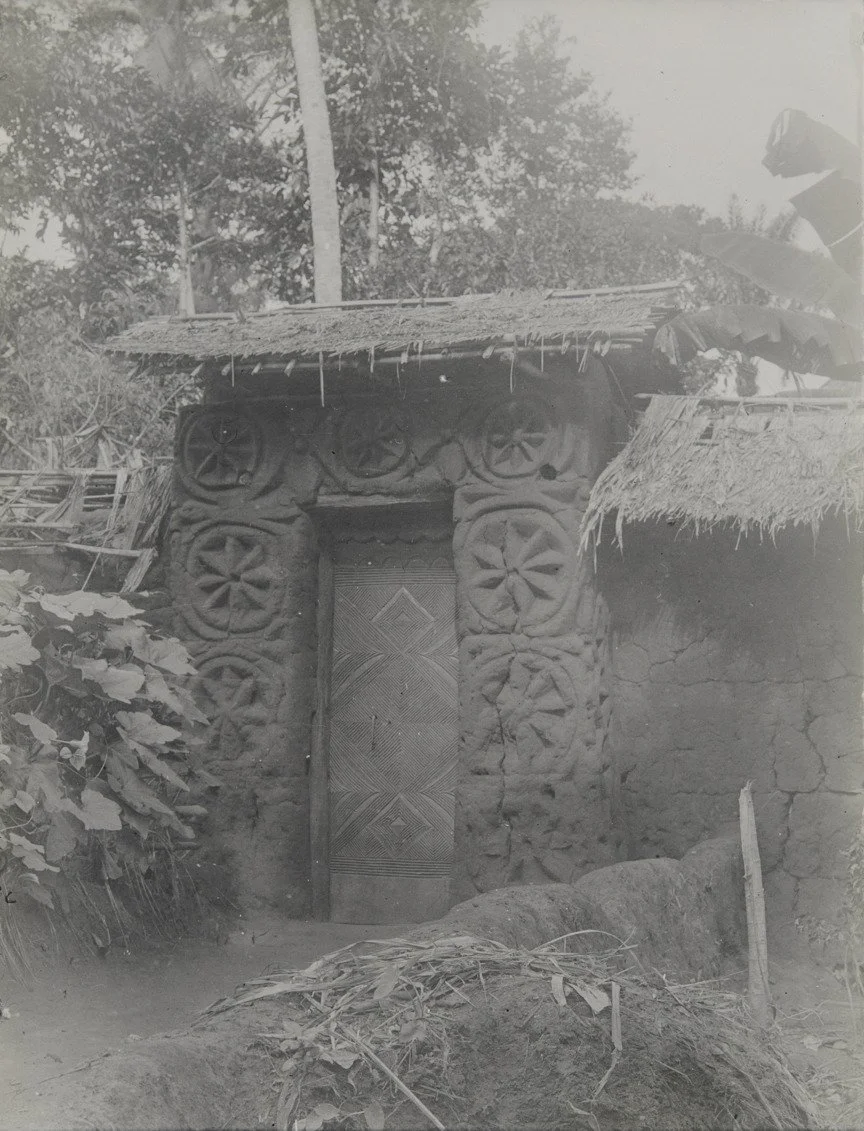
An entrance of a compound in Agukwu Nri. 📸: Northcote Thomas, 1911.

Young married woman from Achalla Awka wearing a wig, north-central Igbo area, Nigeria. 📸: K. C. Murray, 1939.

An mgburuichi, an Igbo person with ichi marks associated with Nri. 📸: British colonial government anthropologist Northcote Thomas, c. 1910-1911. Museum of Archaeology and Anthropology, Cambridge.

Oven for smoking fish by the Niger River, Onitsha, Nigeria, 1930-31. 📸: Gustaf Bolinder.
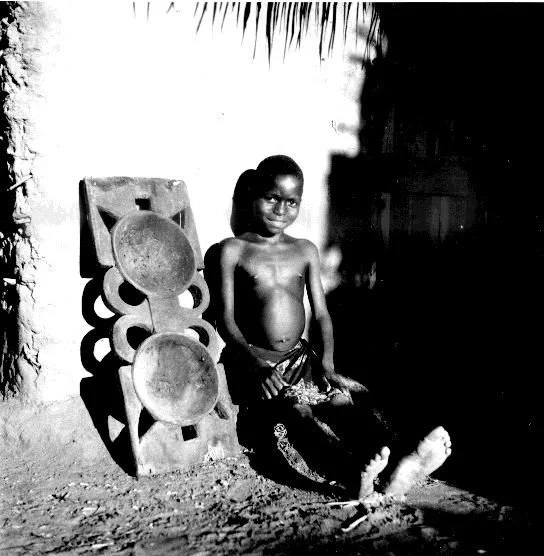
Boy next to food bowl. Abiriba Igbo. — G. I. Jones
![[Igbo] Ohafia war dance: The Ohafia war dance iri agha. Adult male carrying a headhunters trophy (oyaya) on his head. The trophy is a rectangular shaped wooden frame decorated with feathers, leopard fur, cloths and animal fur at either end. He is wea](https://images.squarespace-cdn.com/content/v1/667099650b8ef12fccbce837/4ef38f81-ea91-40e0-b516-628ef5022162/%5BIgbo%5D+Ohafia+war+dance.jpg)
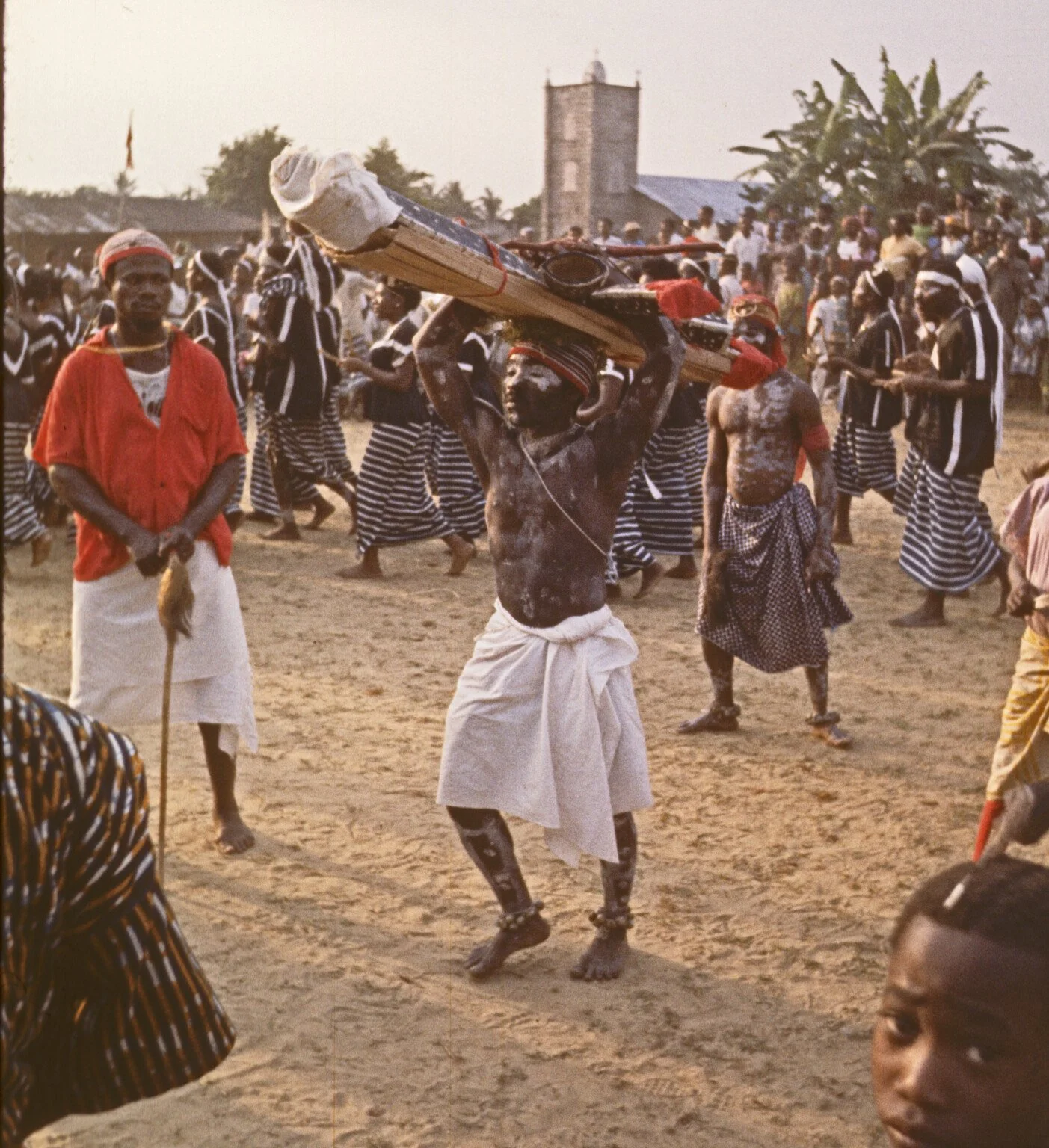
[Igbo] Ohafia war dance: The Ohafia war dance iri agha. Adult male carrying a headhunters trophy (oyaya) on his head. The trophy is a rectangular shaped wooden frame decorated with feathers, leopard fur, cloths and animal fur at either end. He is wearing a striped shirt, and holding a ?metal rod in one hand. Behind him is a crowd of people and a Building with corrugated iron roof.-- Jones, G.I. 1932 - 1939

Young men of the ogbolo age-grade, with uli and fine hairstyles, Achalla Awka, north central-Igbo area, Nigeria. 📸: K. C. Murray, 1939.

Tutelary shrine, Awka, northern Igbo area, 1930-31. 📸: Gustaf Bolinder.
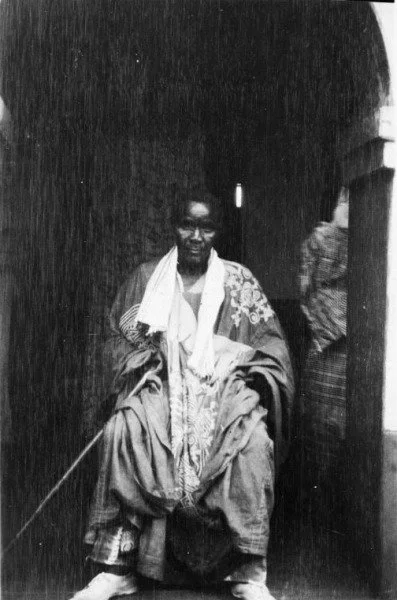
Titled Igbo men 📸: Gustaf Bolinder, 1930-31.
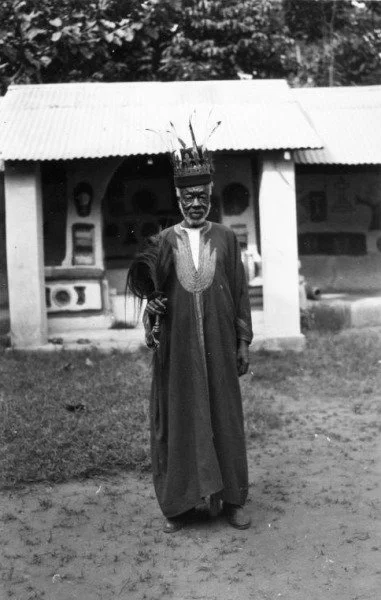
Titled Igbo men 📸: Gustaf Bolinder, 1930-31.
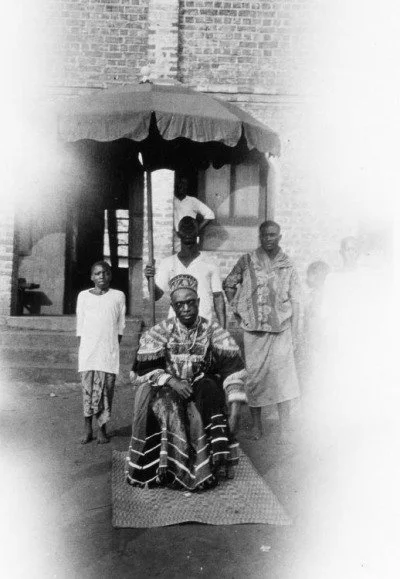
Titled Igbo men 📸: Gustaf Bolinder, 1930-31.
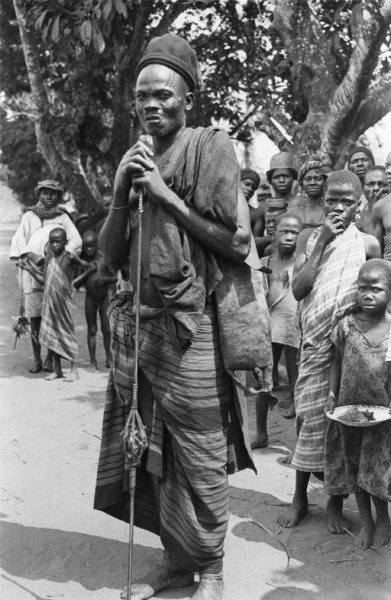
Titled Igbo men 📸: Gustaf Bolinder, 1930-31.
![“Young man of Ubuluku” [present day northern Delta States, Nigeria] Igbo man taken by Northcote Thomas, early 20th century.](https://images.squarespace-cdn.com/content/v1/667099650b8ef12fccbce837/c13a204e-061d-481b-9f2c-7b6c9aadf3f3/%E2%80%9CYoung+man+of+Ubuluku%E2%80%9D+%5Bpresent+day+northern+Delta+States%2C+Nigeria%5D+Igbo+man+taken+by+Northcote+Thomas%2C+early+20th+century..jpg)
“Young man of Ubuluku” [present day northern Delta States, Nigeria] Igbo man taken by Northcote Thomas, early 20th century.

Traditional Igbo house/room from the Anambra area, Drs. G.W. (Gerrit Willem) Grootenhuis, 1967.
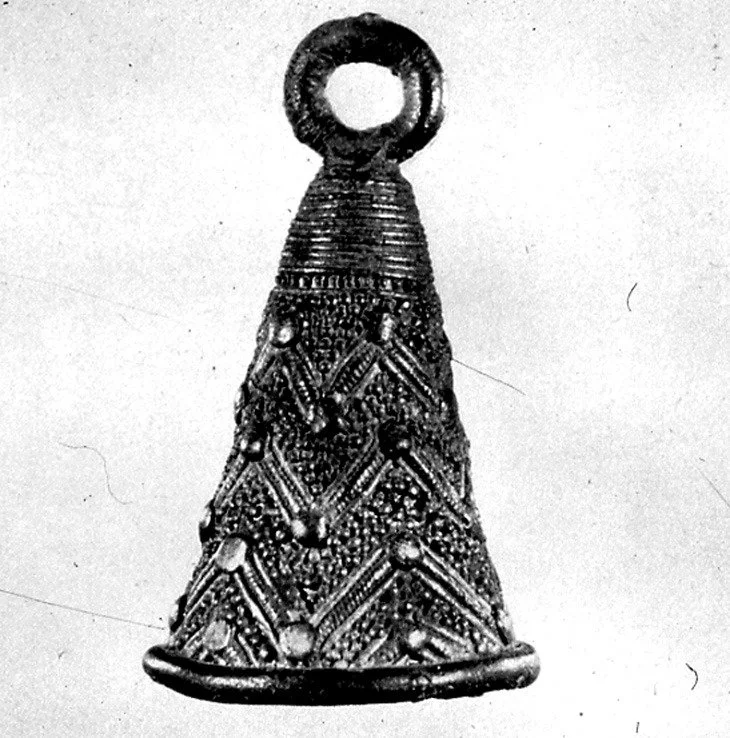
Igbo Ukwu leaded bronze bell, c. 9th century CE.
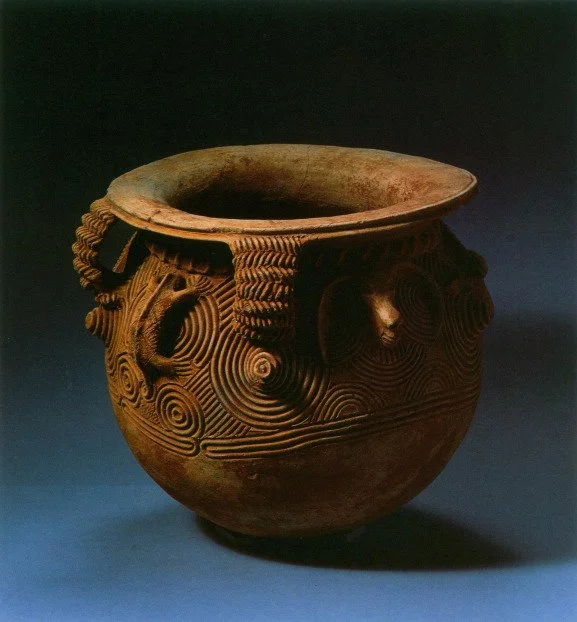
Globular vessel, 10th century Igbo Ukwu, terracotta.
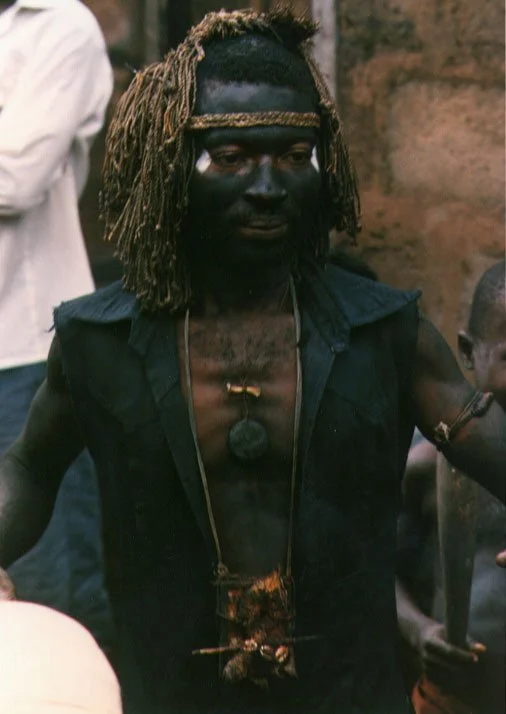
Ohafia dibia (Igbo diviner). 📸: John C McCall, 1992.
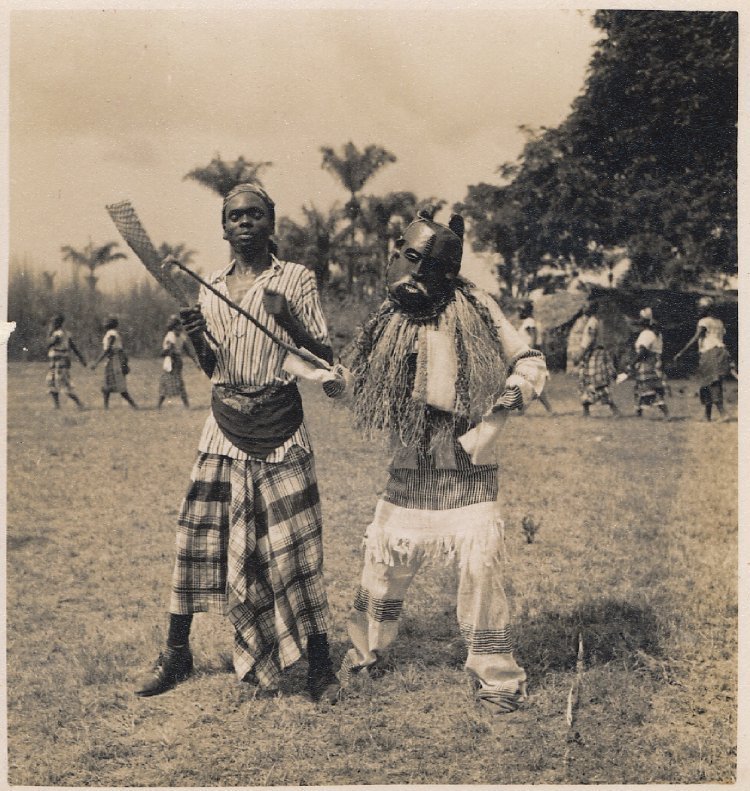
Igbo mask for end of the year celebrations, 1937. 📸: Edward Chadwick.
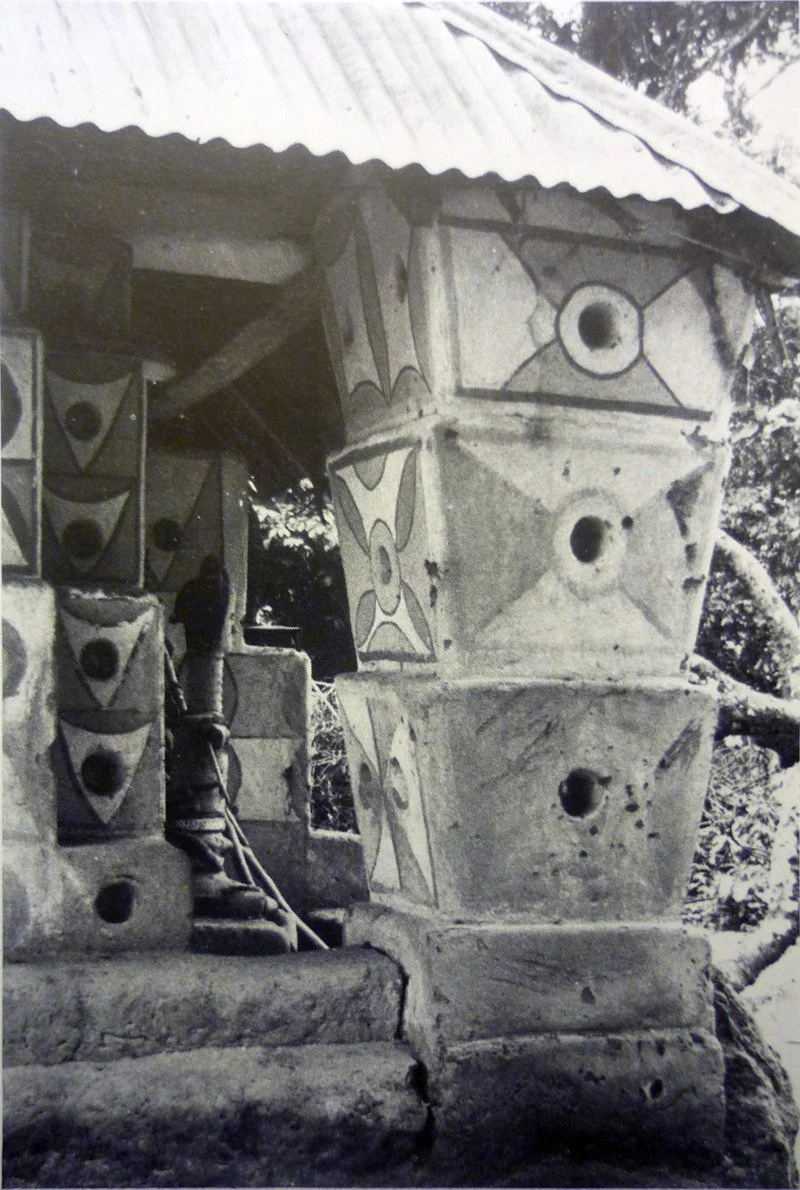
Pillar of an mbari shrine. 📸: Zbigniew Dmochowski, 1960s.

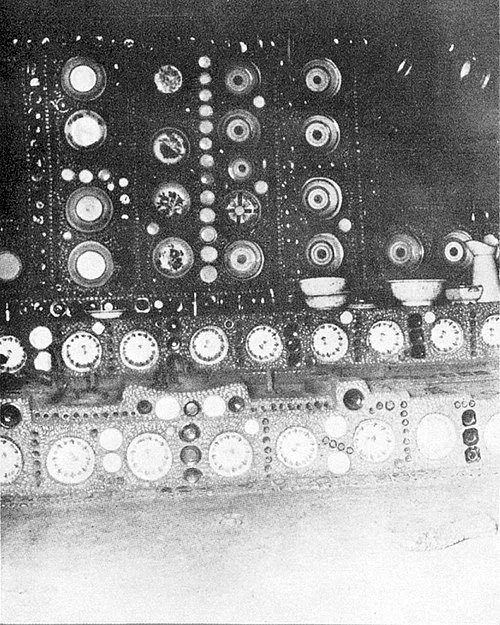
Interior of house with plates inset in walls, south Ikwere Igbo. 📸: G. I. Jones, 1930s.
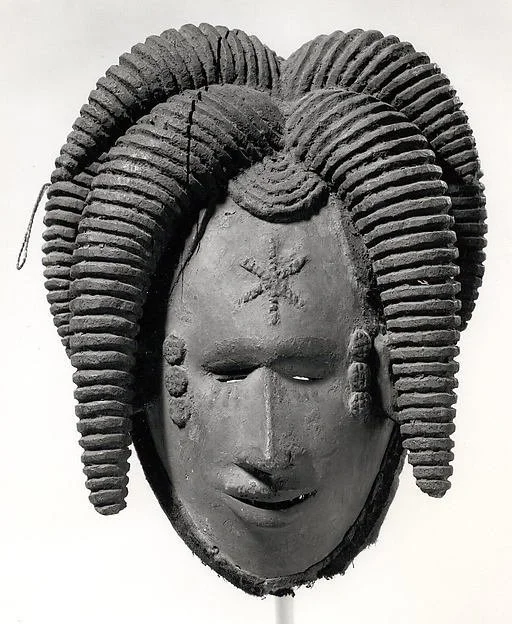
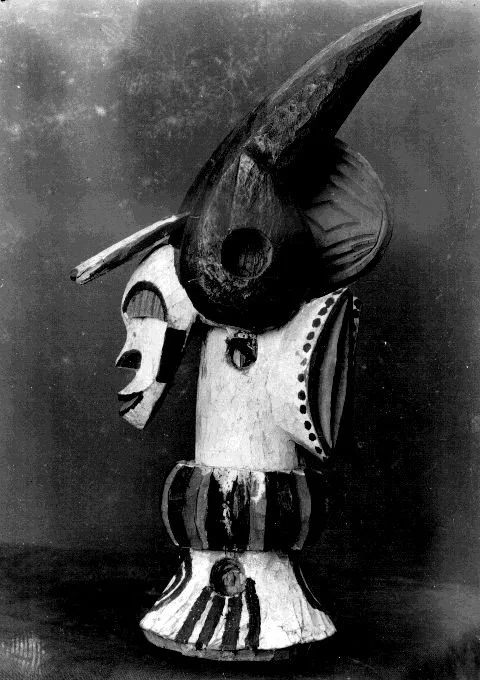
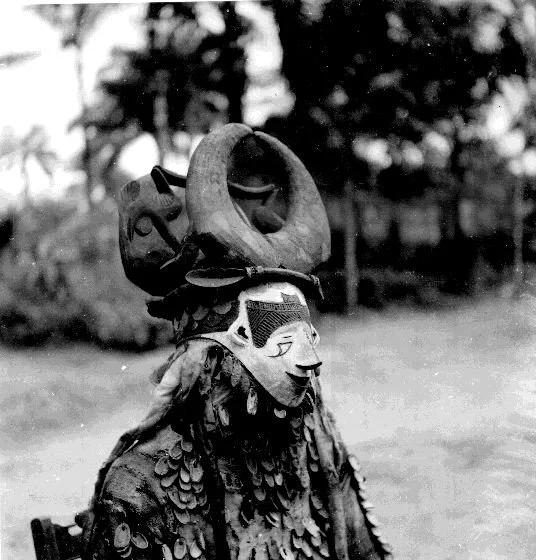
Agbogho mmuo mask, north-central Igbo, 19th–20th century. Met Museum.

Mgbedike (north-central Igbo), Mmuo (Isuama Igbo), and Ogbodo Enyi (Izi Igbo) masks, 19th–20th century. Met Museum.
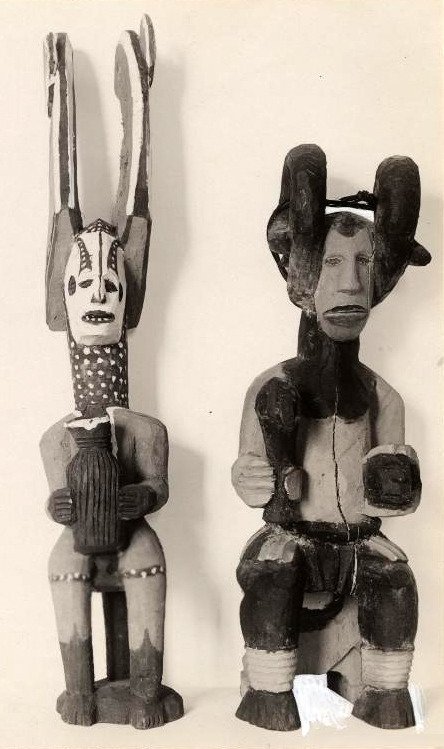
Ikenga figures collected by Gustaf Bolinder, Etnografiska Museet, Stockholm, 1930-31.
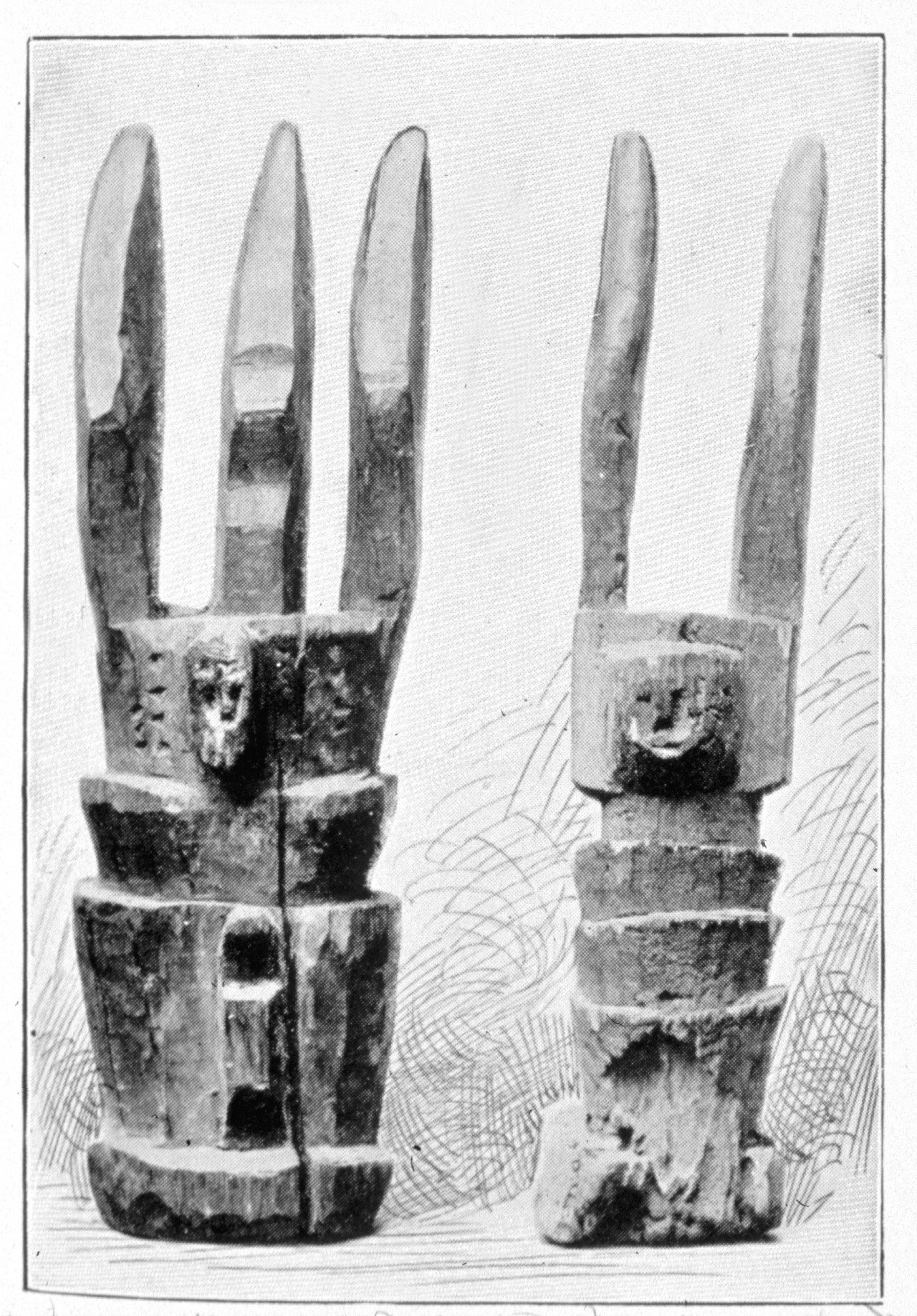
Ikenga statuettes, 1906.

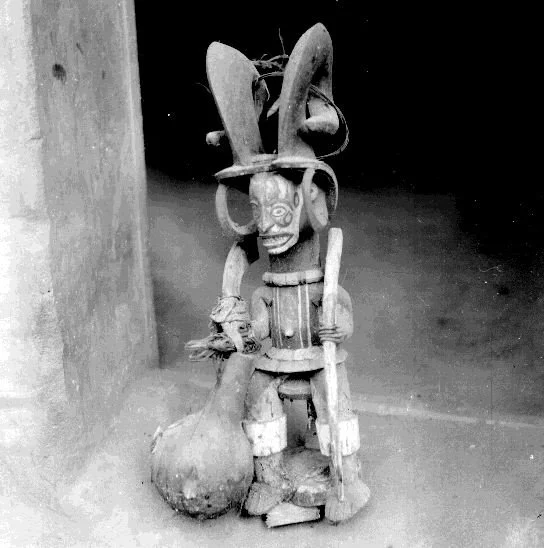
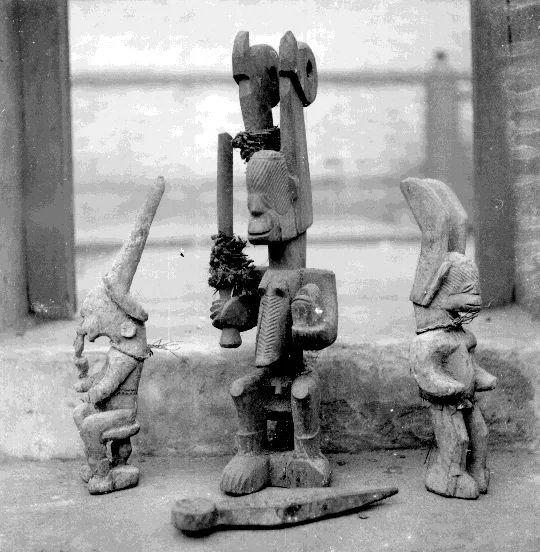
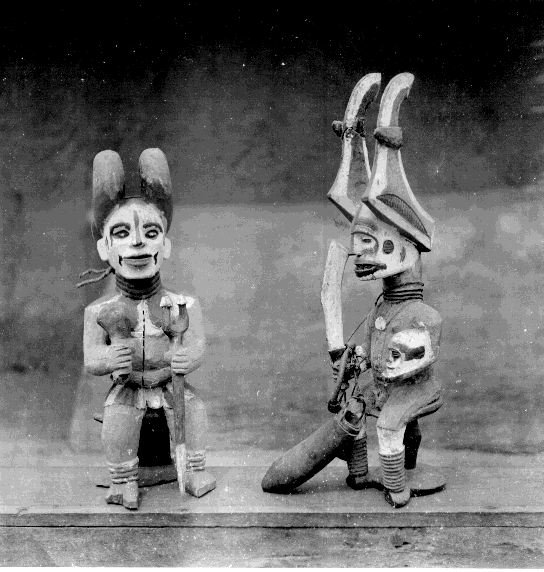
Town deities at Adonta near Ogwashi Ukwu, western Igbo area, Nigeria. 📸: G. T. Basden, before 1921.

'Uninhabited By a Spirit, and Inhabited: A New Ikenga, and an Old One with Bloodstains from Sacrifices.' "The ‘ikenga’ is the most universal of the Ibo household gods, and no house may be without one. The two long horns, curving backwards, are the “symbol of strength and power.” - G. T. Basden (1921). Among the Ibos of Nigeria. pp. 588–589.
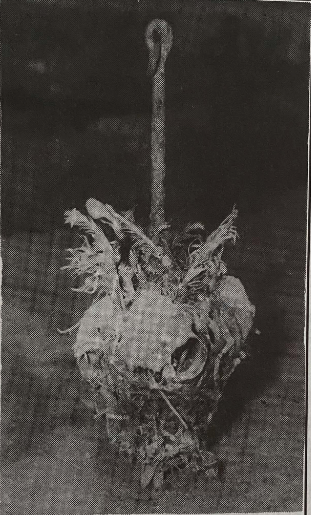
Otunsi cleansing and purification instrument wielded by Nri priests.
