Welcome to Faculty of Nne Agwu Studies!
Explore our growing collection of 50 teachings and resources on Nne Agwu, Oke Agwu, the animating force behind divination, intuition, healing, creative & spiritual intelligence, with its various forms.
Search results will show you available teachings organized by category for easier navigation.
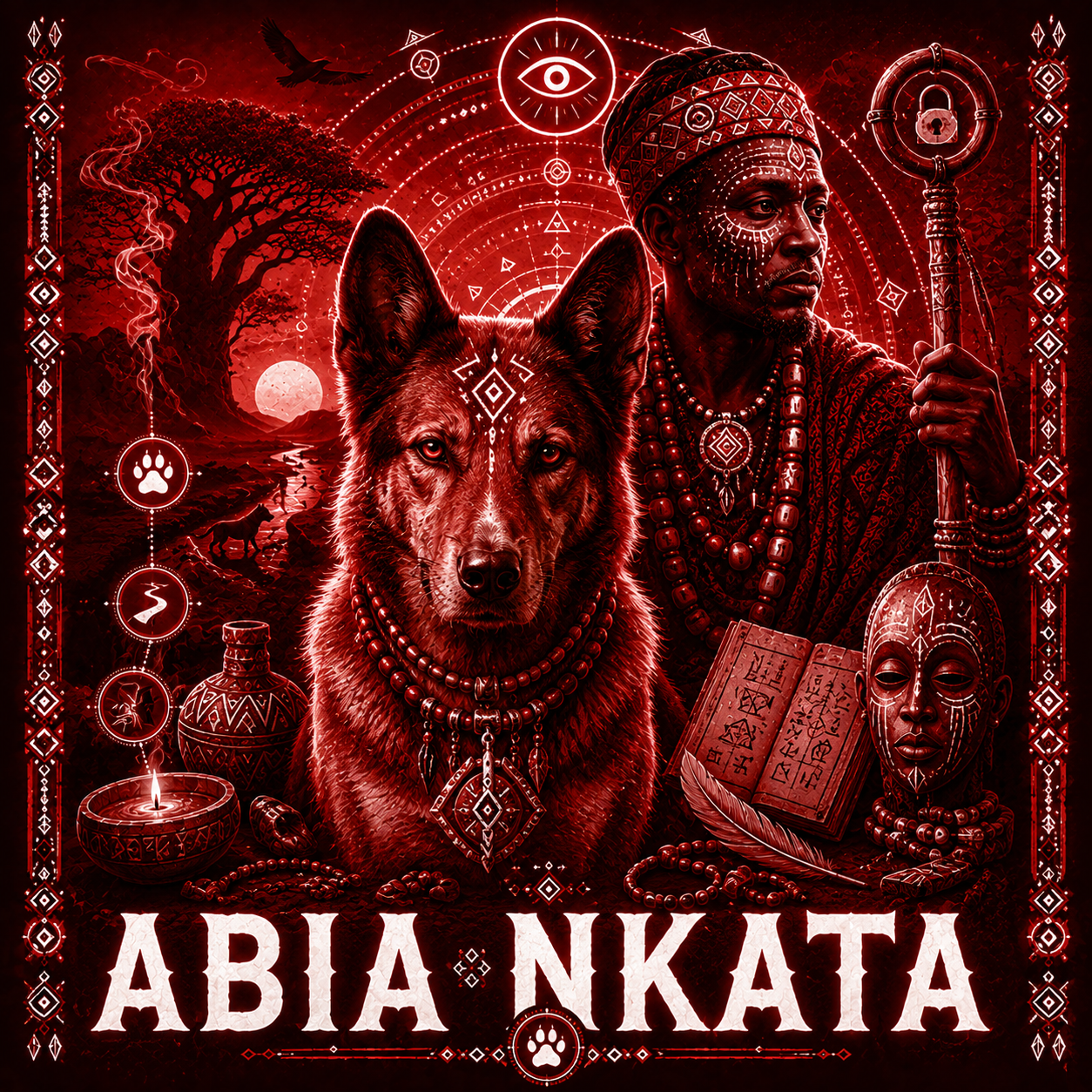
Abia Nkita: The Dog as an Agwu Totem
Abia Nkita represents the superconscious, intuitive intelligence of the Dibia, symbolized through the dog as one of the most important totems of Agwu. Revered as a tracker, investigator, guardian, and spirit guide, the dog embodies the relentless pursuit of esoteric truth, the ability to perceive what others cannot, and the instinctive wisdom required to navigate both visible and invisible realities. Known in ancient Igbo thought as Di Ngo (Expert Tracker) and Di Ntu (Expert Investigator), the dog mirrors the vocation of the Di-Abia, who follows subtle clues, intuitive insights, and spiritual signs to uncover deeper knowledge and understanding. As a guardian of sacred spaces and a symbol of transcendental wisdom, Abia Nkita teaches us alot on the living intelligence of Agwu.
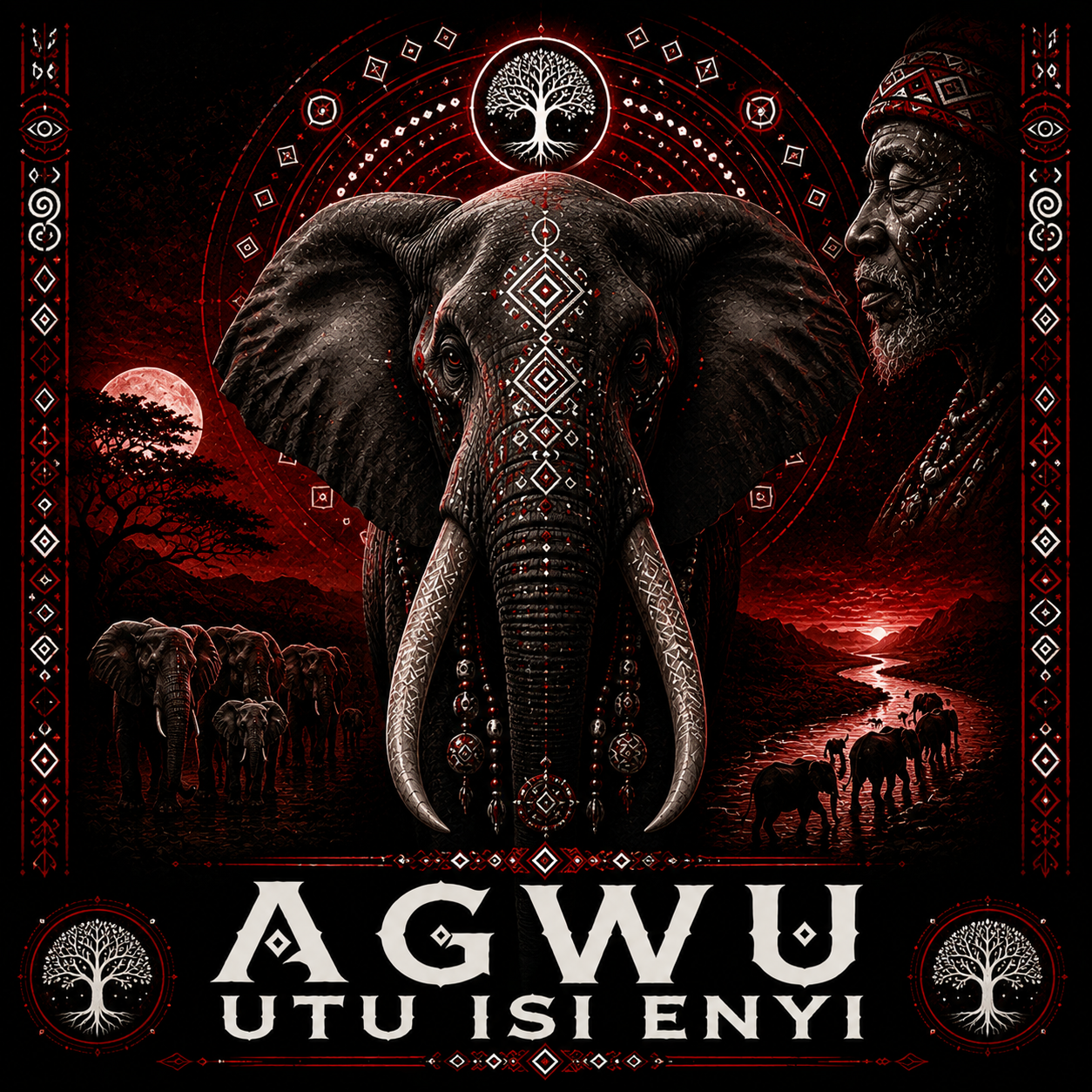
11 Things We Can Learn from the Elephant as a Totem of Agwu (Utu Isi Enyi)
As a sacred totem of Agwu Utu Isi Enyi, the elephant embodies the highest virtues of wisdom, memory, patience, leadership, and spiritual intelligence. Its ability to remember, protect its community, move with deliberate purpose, and balance immense strength with remarkable gentleness offers deep lessons for anyone walking a path of knowledge and self-mastery. The elephant teaches that sensitivity is a form of heightened awareness, and that the greatest legacy one can leave is a path others may safely follow. In this way, Agwu Utu Isi Enyi reminds us that wisdom is measured by how responsibly, compassionately, and enduringly one applies that knowledge in service to life and future generations.
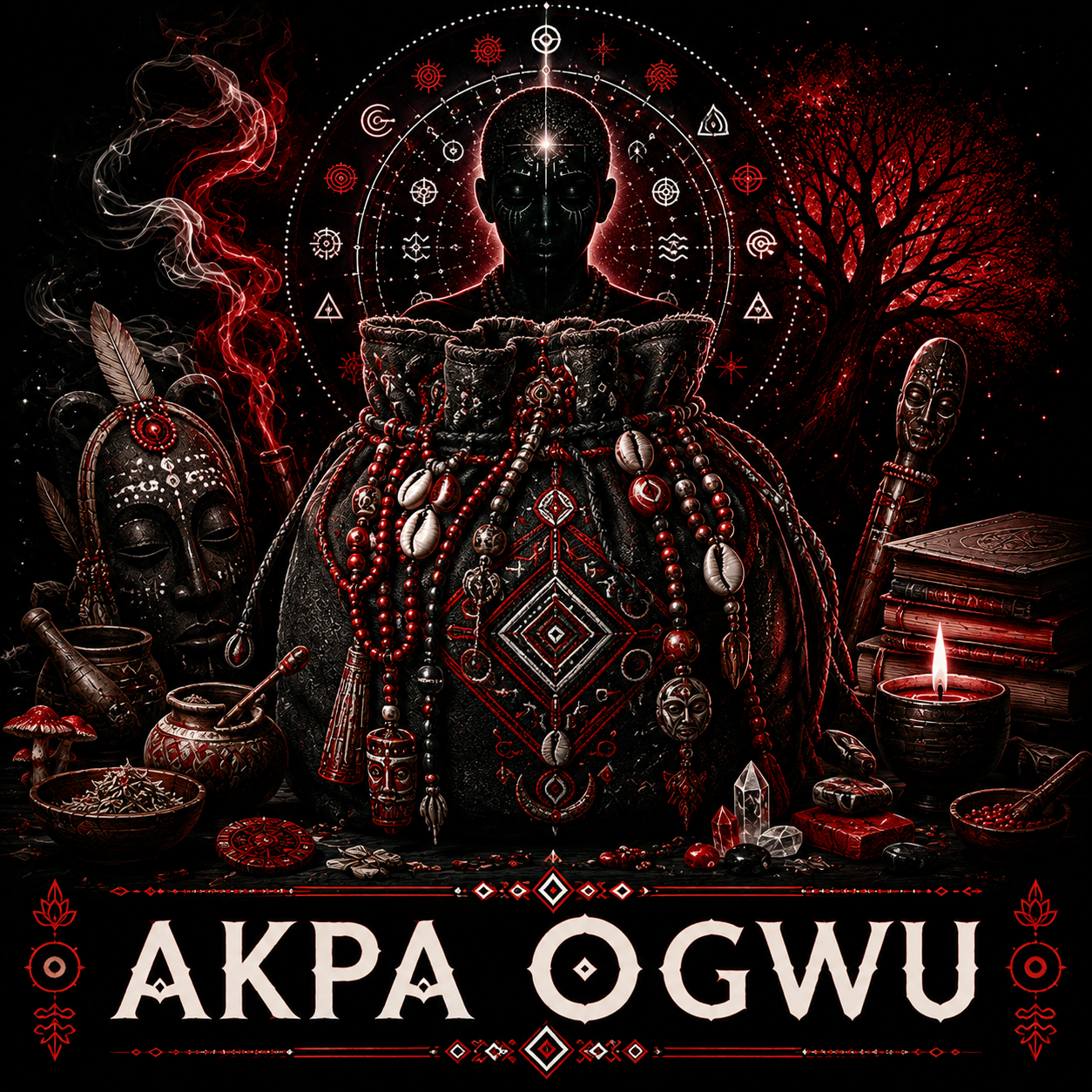
What is Akpa Agwu? (Akpa Ogwu / Akpa Dibia)
Akpa Agwu (Akpa Dibia or Akpa Ogwu) extends beyond the physical bag of sacred tools carried by a Dibia; it is the invisible superconscious treasury of Abia, divine knowledge, wisdom, intuition, memory, and spiritual intelligence operating through the mystic. While its physical dimension is seen in ritual instruments and medicines, its true form exists within the consciousness of the Dibia and is only revealed through acts of healing, insight, discernment, and manifestation. Said to have been entrusted to humanity through Idemmili, who received it from Chukwu, Akpa Agwu symbolizes the living reservoir of Agwu itself. Thus, when it is said that “whatever you seek is found in the Dibia’s bag,” the deeper meaning is that true wisdom is in the awakened consciousness capable of accessing and expressing the infinite treasury of divine understanding.
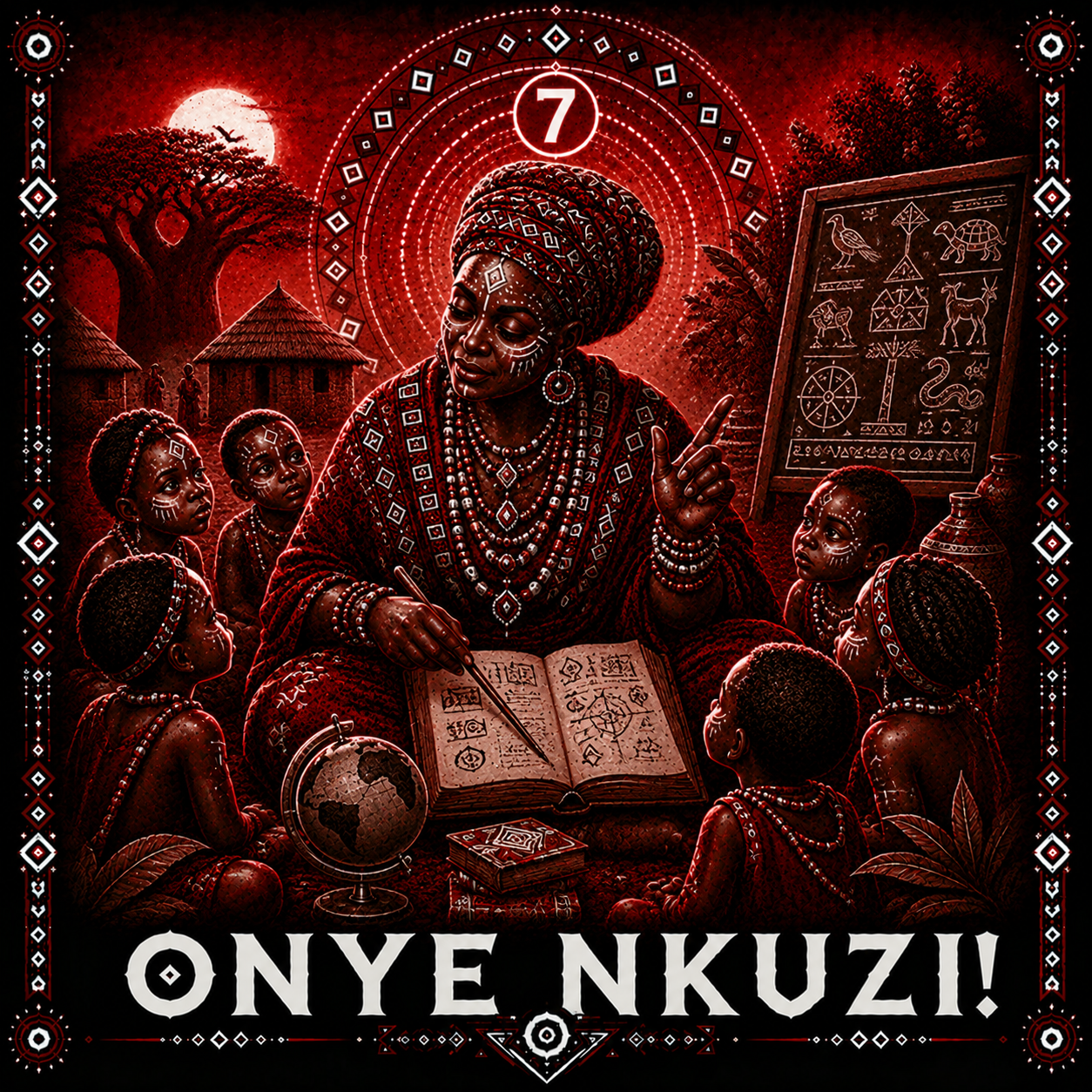
How Agwu Manifests Through the Teacher Archetype
The Teacher Archetype represents one of the most enduring expressions of Agwu, the sacred impulse to transform knowledge into wisdom and wisdom into collective growth. Associated with the number seven in Igbo numerology, a symbol of maturation, reflection, and the integration of experience into understanding, this archetype is driven by a deep desire to illuminate, guide, and cultivate the potential within others. Governed by the element of Earth, the Teacher embodies grounded wisdom, recognizing that true knowledge is lived, tested, and embodied. Deeply connected to Ala, the Earth Goddess, this archetype understands that the entire natural world serves as a classroom, where animals, plants, seasons, and cycles all reveal fundamental truths to those willing to observe from first principles. Through this archetype, Agwu manifests as insight, discernment, curiosity, and the ability to communicate understanding in ways that inspire growth. The Teacher reminds us that wisdom fulfills its highest purpose when it is shared, becoming a living force that nurtures the evolution of individuals, communities, and generations to come.
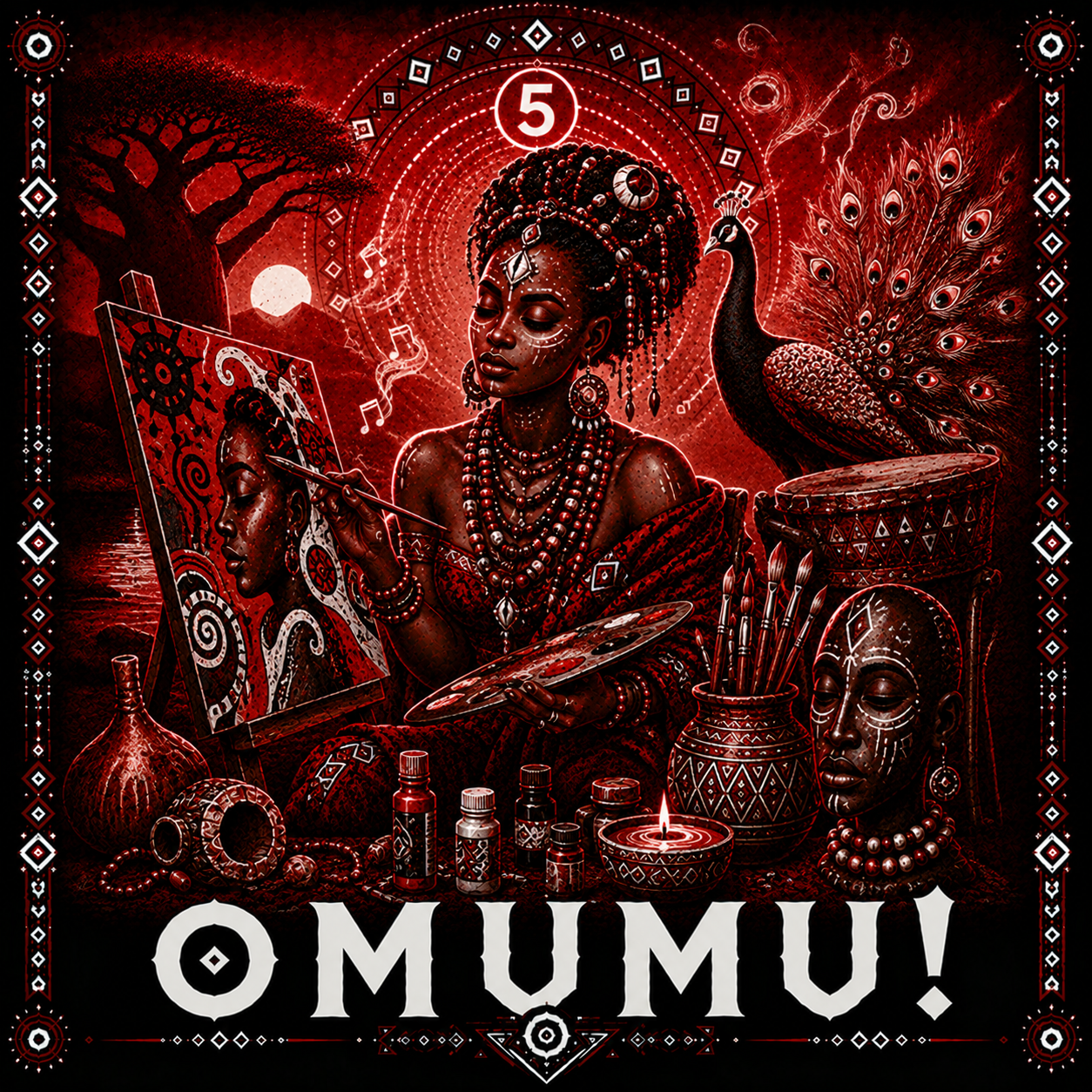
How Agwu Manifests Through the Artist Archetype
The Artist Archetype represents one of the most vibrant expressions of Agwu, the sacred impulse to transform inspiration into beauty, meaning, and creative expression. Associated with the number five in Igbo numerology, symbolizing Omumu or procreative energy, this archetype reflects the universal principle of bringing something new into existence, whether through art, music, storytelling, design, ritual, or any other creative form. Governed by the element of Air, the realm of inspiration, imagination, communication, and movement, the Artist serves as a channel through which ideas and visions flow into the world. Deeply connected to Ala as Akwali Omumu, the fertile force of creation, and to Idemmili, the principle of beauty, refinement, and elevated expression, this archetype recognizes that creativity is participation in the ongoing act of creation itself. Like the peacock and countless other beautiful forms throughout nature, the Artist reminds us that beauty is a form of intelligence, and through Agwu, artistic creation becomes a sacred act that reveals hidden dimensions of existence and inspires the soul toward wonder.
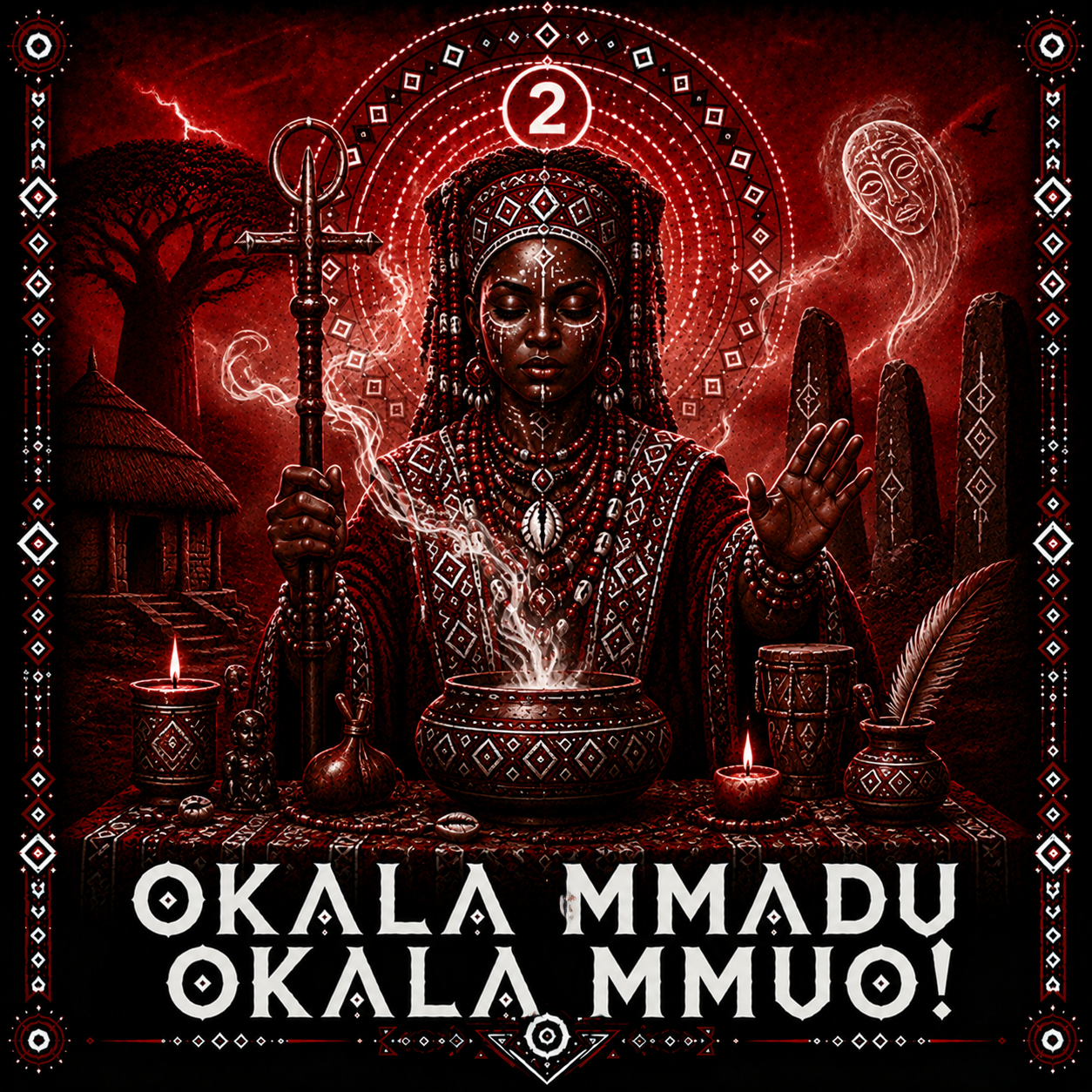
How Agwu Manifests Through the Priestly Archetype
The Priestly Archetype represents one of the most sacred expressions of Agwu, the calling to stand between worlds and serve as a bridge between the spiritual and physical realms. Associated with the number two in Igbo numerology, this archetype embodies the principle of Okara mmadu, okara mmuo, one who is simultaneously rooted in human existence while maintaining conscious relationship with the world of spirit. Governed by the element of Air, the breath of life through which communication, inspiration, prayer, and sacred utterance flow, the Priest acts as a mediator, interpreter, and vessel for divine wisdom. Unlike other archetypes defined by a particular domain, the Priestly path is shaped by the specific cosmic and spiritual forces to which one is called into service. Through this archetype, Agwu manifests as heightened intuition, ritual knowledge, spiritual sensitivity, and the ability to facilitate meaningful connection between visible and invisible realities. The Priest reminds us that true spiritual authority is centered on humility, service, and the responsibility of helping others navigate their relationship with the sacred.
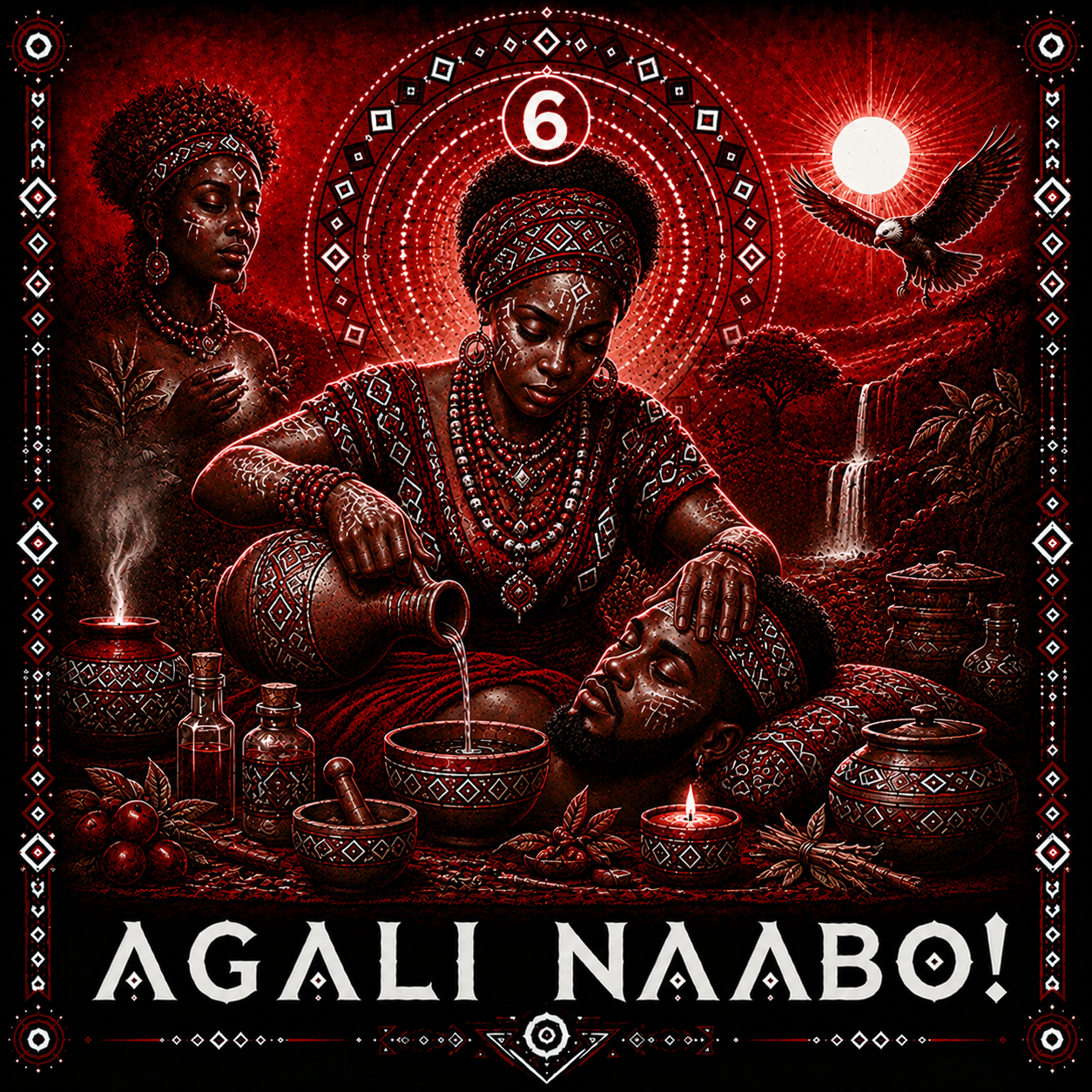
How Agwu Manifests Through the Healer Archetype
The Healer Archetype represents one of the most compassionate expressions of Agwu, the sacred impulse to restore balance, renew vitality, and guide life back toward wholeness. Associated with the number six in Igbo numerology, a symbol of harmony, nurturing, and restoration, this archetype is driven by an immense sensitivity to suffering and an equally powerful desire to alleviate it. Governed by Fire as cosmic light, the Healer embodies illumination, regeneration, and the life-giving radiance of Anyanwu, the infinite divine deathless light that sustains all existence. Deeply connected to Arobinagu, the healing intelligence that dwells within forest life, and reflected through medicinal plants and regenerative forms in nature, the Healer understands that true healing is the restoration of alignment between body, mind, spirit, community, and the natural world. Through this archetype, Agwu manifests as an inner source of compassion, intuition, and restorative wisdom, calling individuals to become channels through which life continually renews itself.
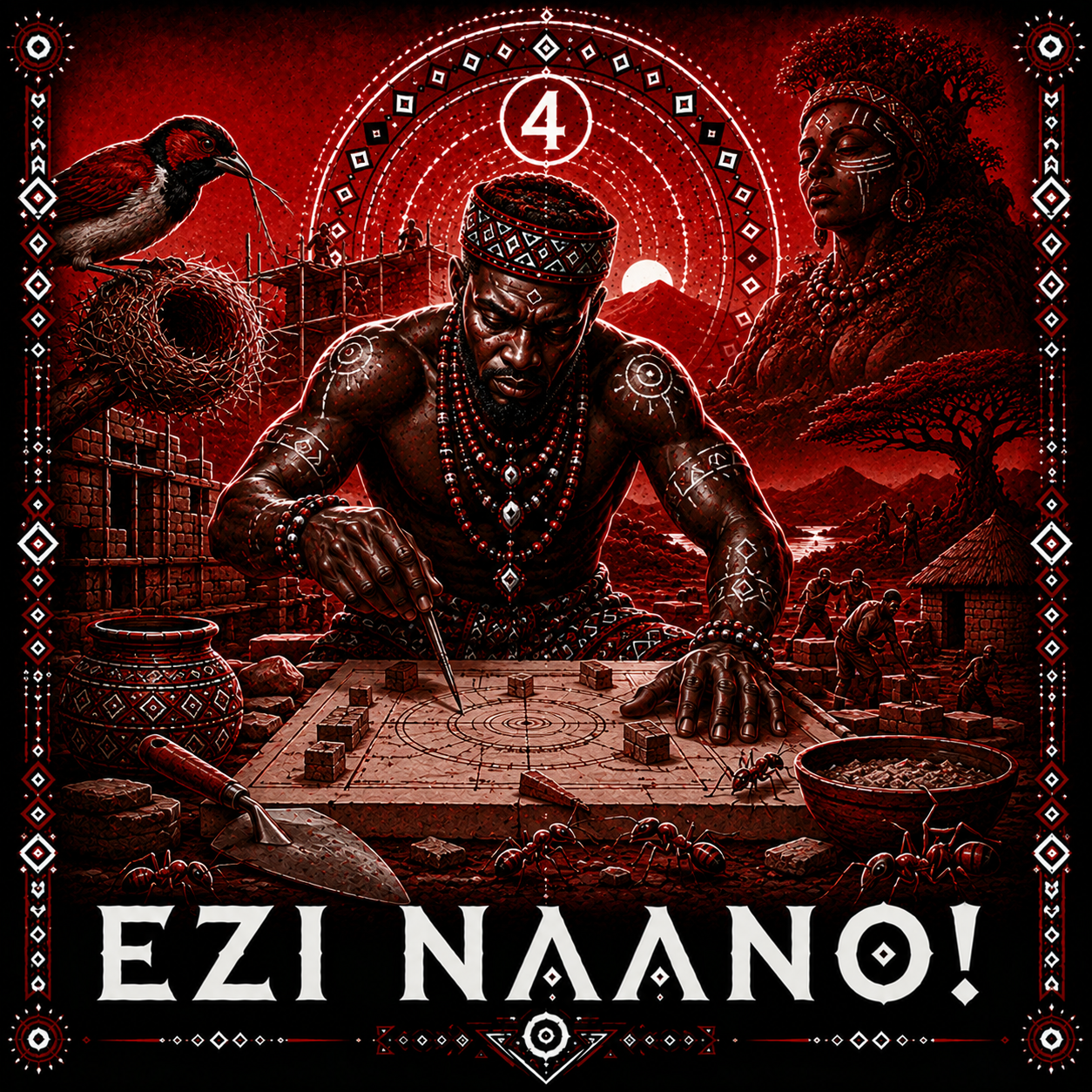
How Agwu Manifests Through the Builder Archetype
The Builder Archetype represents Agwu's power to transform vision into reality. Associated with the number four in Igbo numerology, the sacred number of foundation, structure, and stability, this archetype is driven by the desire to create, construct, organize, and leave behind something of lasting value. Governed primarily by the element of Earth and closely aligned with Ala, the Earth Goddess who embodies fertility, productivity, and the sustaining ground of existence, the Builder understands that meaningful creation requires patience, discipline, and responsibility. Like the nest-building bird or the remarkably coordinated ant colony, those carrying this expression of Agwu possess a natural gift for turning ideas into tangible forms that support life and community. Through the Builder Archetype, Agwu teaches that creation is a sacred process of bringing divine potential into the physical world and establishing foundations upon which future generations can thrive.
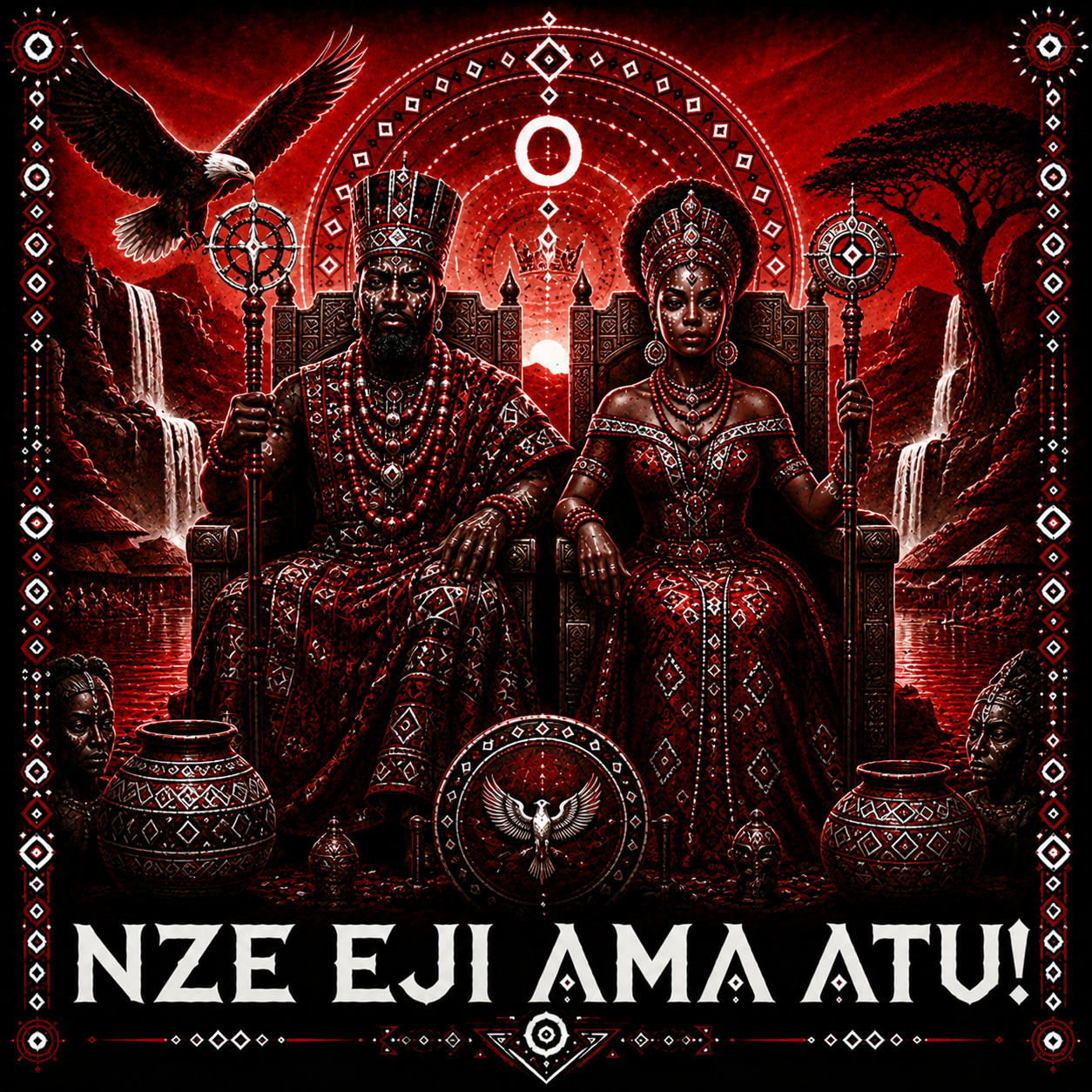
How Agwu Manifests Through the Queen (King) Archetype
The Queen (King) Archetype represents one of the highest expressions of Agwu's capacity to lead, nurture, and sustain collective life. Associated with Ofu (One) in Igbo numerology, the primordial source from which all consciousness and creation emerge, this archetype embodies the sacred responsibility of stewardship. Governed primarily by the element of Water, it reflects the qualities of wisdom, compassion, stability, and life-giving leadership that nourishes a community much like water sustains all living things. Through symbols such as the eagle, whose elevated vision allows it to perceive what others cannot, and through its divine association with Nechukwu and Chukwu Okike, the Queen (King) Archetype reveals that true sovereignty is centered on alignment with divine order. When Agwu manifests through this archetype, it calls an individual to become a guardian of harmony, a builder of legacy, and a living channel through which wisdom, responsibility, and collective flourishing can emerge.
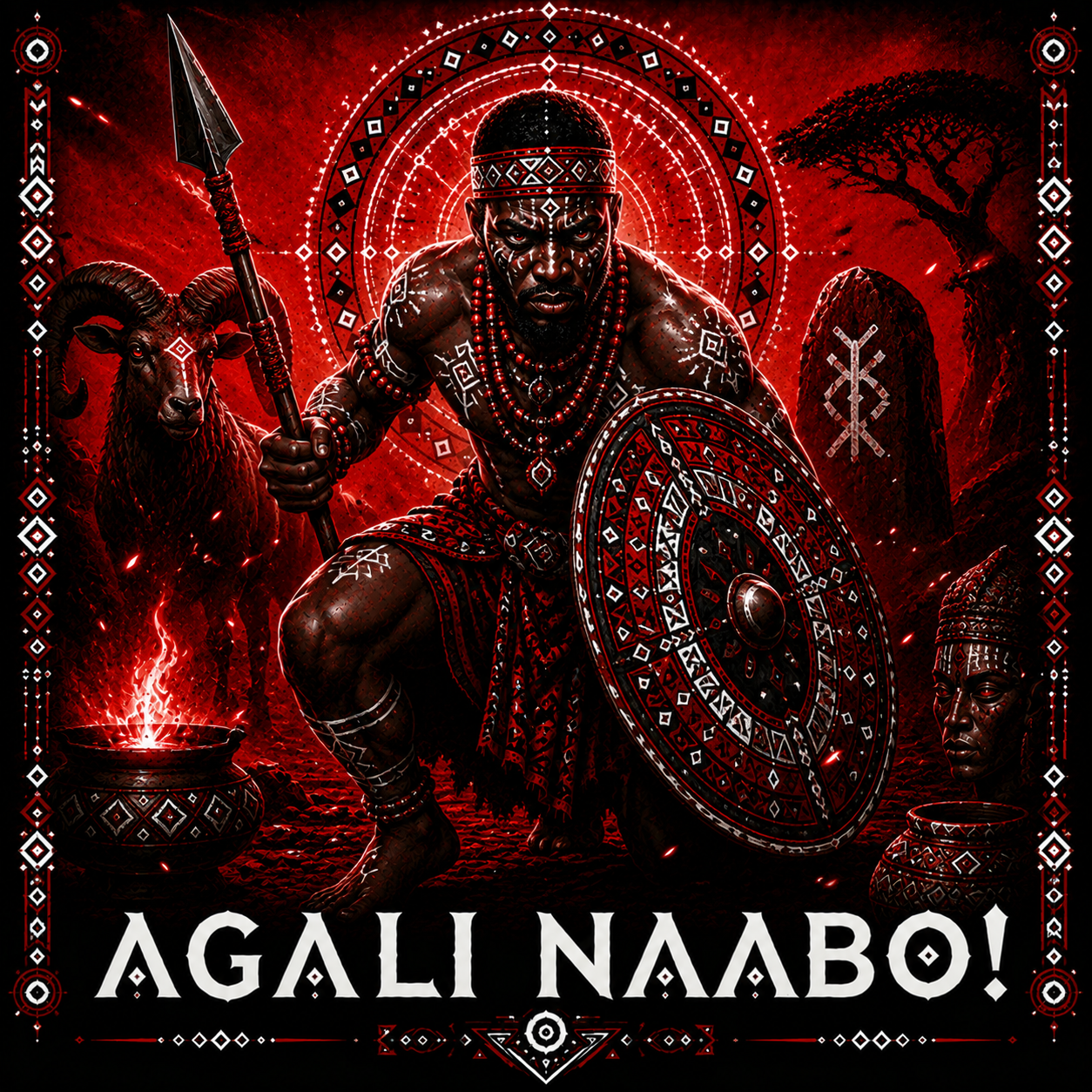
How Agwu Manifests Through the Warrior Archetype
The Warrior Archetype represents one of the most dynamic expressions of Agwu, the sacred force that compels an individual to act with courage, resilience, and unwavering purpose. Associated with the number three through Ikenga, the spiritual principle of achievement, strength, and self-determination, this archetype embodies the power to transform vision into action and destiny into reality. Governed primarily by the element of Fire, the Warrior is driven by passion, discipline, protection, and the will to overcome adversity. Like the ram that charges forward with focused determination, those carrying this expression of Agwu are often called to lead, defend, build, and persevere where others may retreat. Yet the Warrior's greatest battle is not against external opponents but against fear, weakness, and limitation within themselves. Through this archetype, Agwu teaches that true power can be found in the disciplined mastery of one's strength in service to a higher purpose.
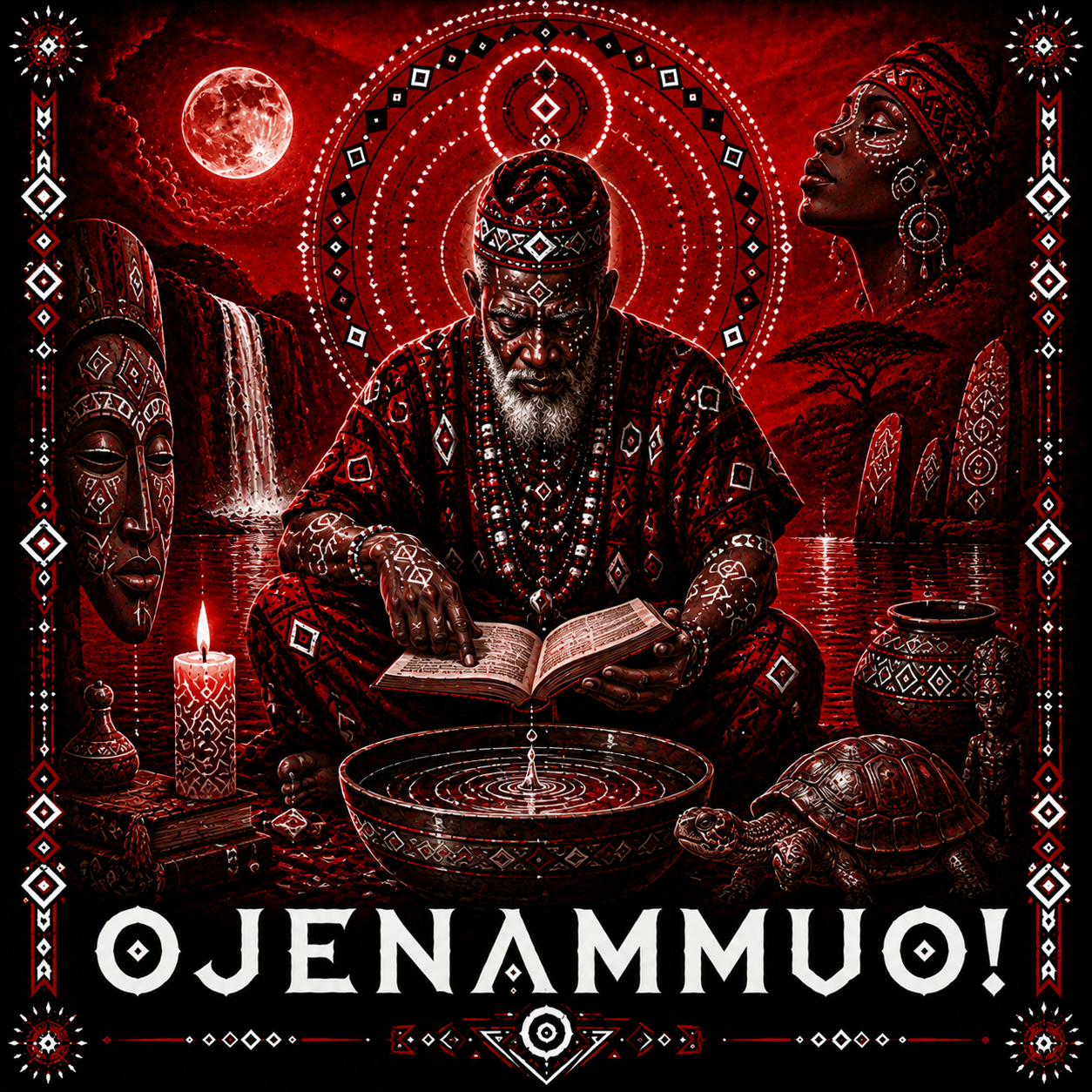
How Agwu Manifests Through the Sage Archetype
The Sage Archetype represents one of the deepest expressions of Agwu, the sacred impulse to seek truth, wisdom, and understanding beyond the surface of ordinary life. Associated with the number eight in Igbo numerology, a symbol of mastery, balance, and the continuous cycle of learning, this archetype is guided by the element of Water, whose depth, reflection, and receptivity mirror the Sage's inner journey. Like Mbe Mmiri, the turtle, the Sage moves deliberately through life, valuing discernment over haste and wisdom over mere information. Through this archetype, Agwu manifests as an inner teacher, drawing individuals toward spiritual insight, contemplation, ancestral knowledge, and the mysteries of existence. The Sage reminds us that true enlightenment emerges from developing the humility, patience, and depth necessary to embody wisdom itself.
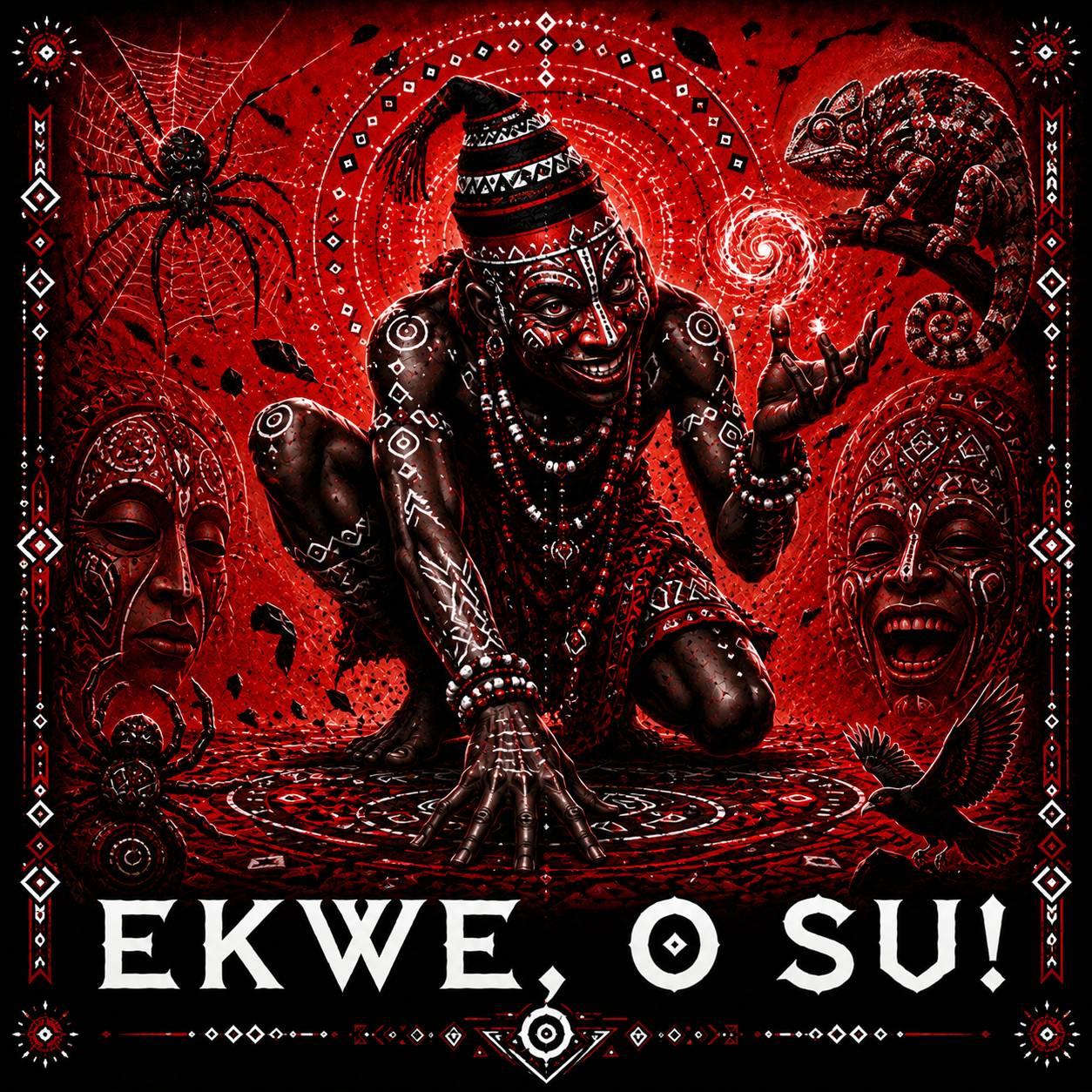
How Agwu Manifests Through the Trickster Archetype
The Trickster Archetype is one of the most misunderstood expressions of Agwu. Often reduced to the image of a joker, deceiver, or mischief-maker, its deeper meaning within Igbo cosmology reveals a master force of divine creativity, transformation, and reality-weaving. Associated with the sacred number nine and the fifth element, Ether (Ete Ora), the Trickster operates through intuition, adaptability, disruption, and innovation. Like Udide, the Cosmic Spider, it weaves new possibilities into existence, and like the chameleon, it teaches the wisdom of strategic transformation. Through this archetype, Agwu challenges stagnation, breaks limiting patterns, and opens hidden pathways for growth, reminding us that sometimes the greatest wisdom might not arrive through preserving the old order, but through courageously reimagining it.
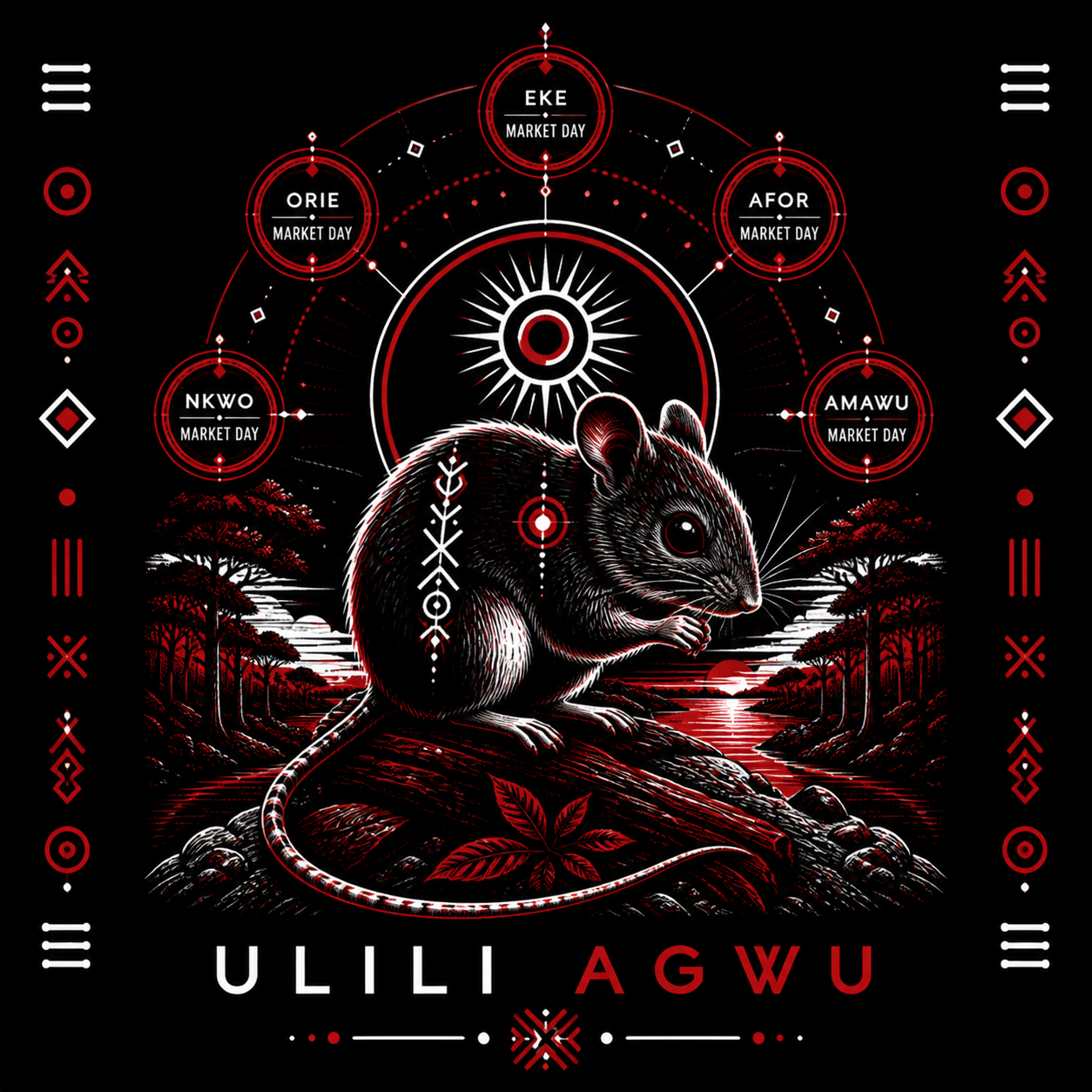
Ulili Agwu: The Sacred Rodent as an Agwu Totem
In Igbo cosmology, Ulili Agwu, the small forest rodent, embodies the subtle intelligence of Agwu, teaching that true wisdom lies in caution, reflection, and strategic movement. As told in myth, Agwu once took the form of a rodent to uncover the hidden names of the four market days, earning the title Isi Ora through insight rather than force. Like Ulili, which moves swiftly yet pauses to assess danger and redirect its path, human life must be lived with awareness—stopping at intervals to reflect, consult intuition, and adjust course when necessary. Thus, Ulili Agwu reveals that survival and success are born of mindful navigation guided by inner knowing (Agwu).
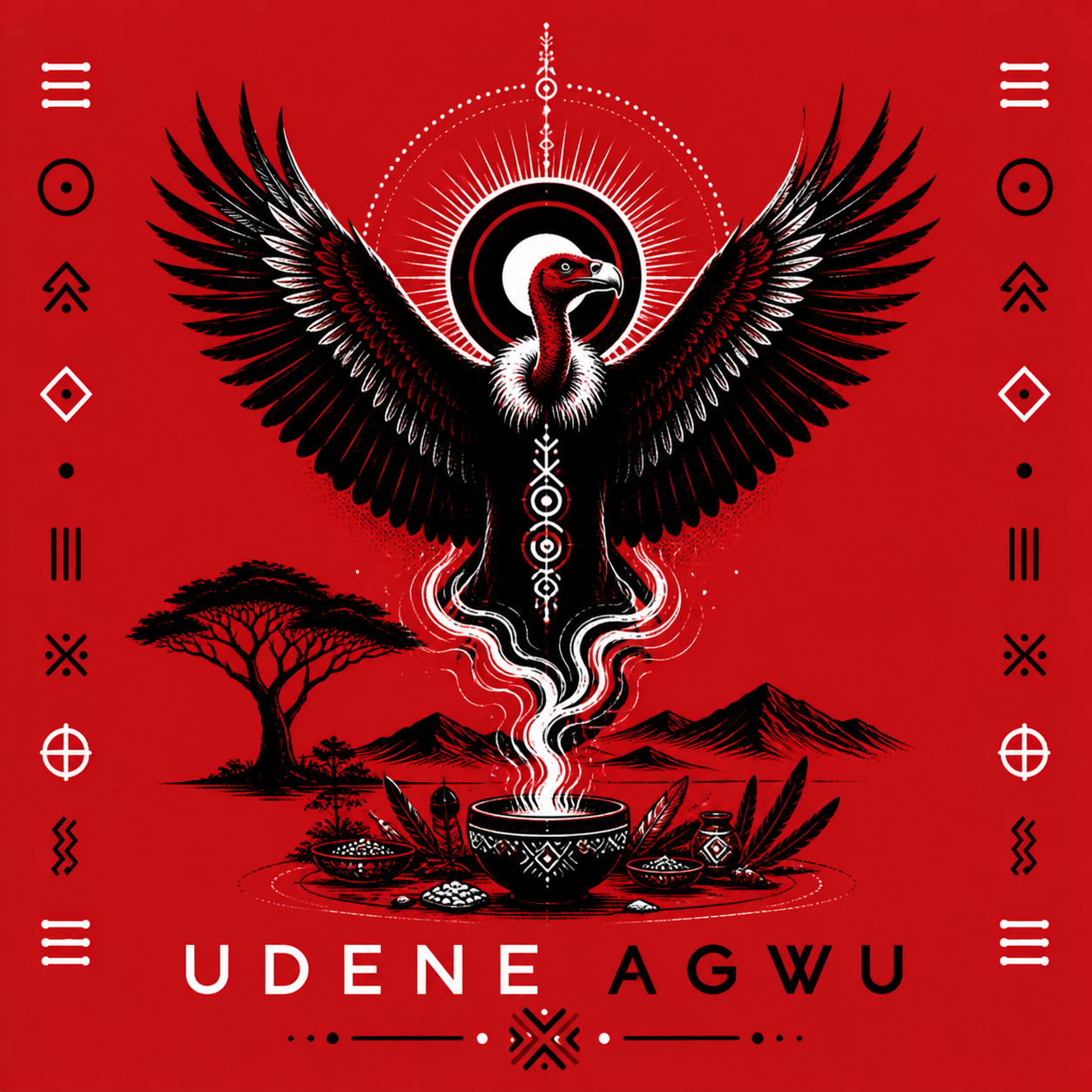
Udene Agwu: The Vulture as an Agwu Totem
In Igbo cosmology, the Udene (vulture) is a sacred totem of Agwu, serving as a messenger between the human and spiritual realms. Its presence at sacrifices signifies acceptance by the spirits, while its absence signals imbalance beyond the visible world. As a seer, it reveals hidden truths—detecting both physical decay and moral impurity—thereby aiding Agwu in restoring order through subtle warnings. Represented in Afa as Aka Ora, the journey of divine light, Udene embodies purification, transformation, and spiritual intelligence, teaching that even what is often misunderstood holds a vital role in maintaining cosmic balance.
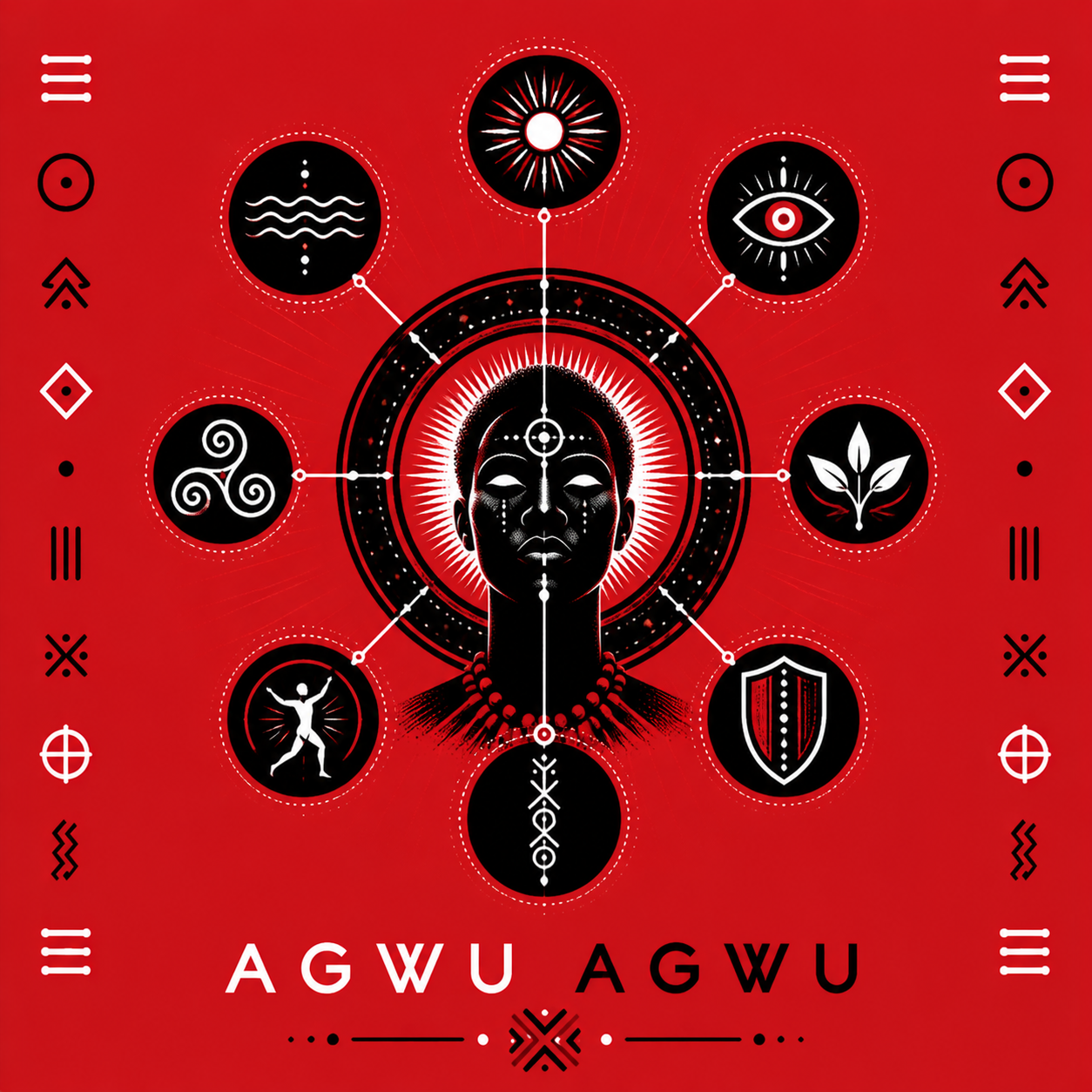
Multiple Ways We Can Understand Agwu from Afa
In Afa, Agwu is understood in many ways depending on its combination with other principles. It can appear as light, movement, perception, healing, or power. Each expression, such as Aka Ora, Obara Ose, or Ofu Akwu e.t.c reveals a different function of the same underlying intelligence. This teaching shows that Agwu is a complete system of divine intelligence that operates across all aspects of existence.
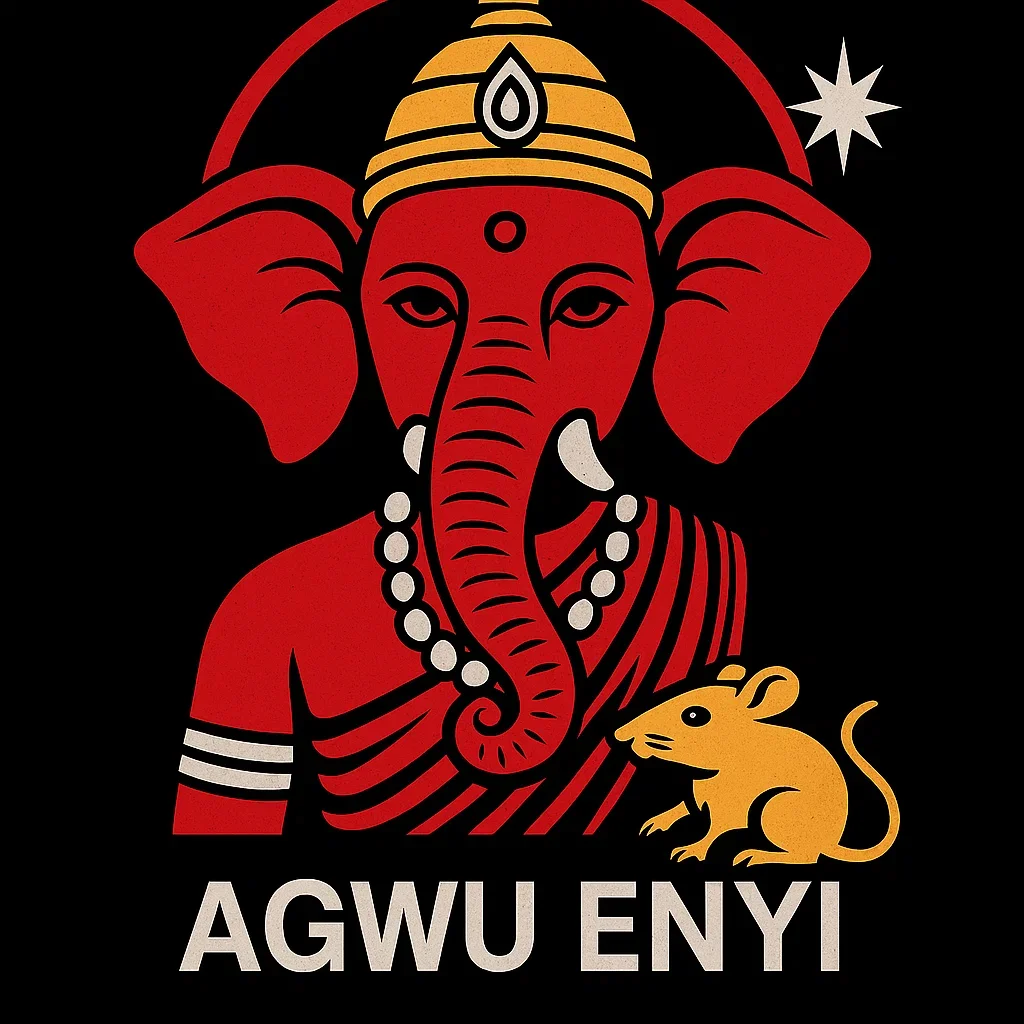
Agwu Utu Isi Enyi (Elephant-Headed Agwu)
Agwu Utu Isi Enyi, the elephant-headed Agwu, symbolizes wisdom, balance, and the removal of obstacles. As one of the sons of Agwu Okpanku and the Spirit of Beginnings, he represents clarity before action and harmony between mind and heart. His elephant head reflects intelligence, his rat vehicle the mastery of desire, and his broken tusk the beauty of imperfection. More than a mythic figure, Agwu Utu Isi Enyi is an inner guide, teaching us to face challenges with insight, humility, and grace.

Agwu Ishi Ora (The Head of All Agwu)
Agwu Ishi Ora—“The Head of All Agwu”—is the supreme force of divine intelligence in Igbo cosmology. Crowned by Chukwu Okike after deciphering the secrets hidden in four sacred baskets, Agwu became Odi Obala, the namer of time and consciousness. Revered as the mind of the cosmos, Agwu Ishi Ora represents the infinite source of enlightenment and the metaphysical brain of humanity. This teaching explores the mythic origins, sacred symbolism, and timeless relevance of Agwu Ishi Ora, calling us to awaken the divine mind within.

Ebo Agwu: The Particularized and Lineage-Specific Form of Agwu
Ebo Agwu, the lineage-specific and particularized aspect of Agwu in Odinani, represents the inherited divine intelligence passed down through ancestral bloodlines. It symbolizes a sacred calling, a particularized expression of Agwu tailored to a family’s ancestral gifts, roles, and destinies. This teaching explores the nature of Ebo Agwu, its signs of awakening, and how reclaiming it can lead to spiritual alignment and clarity of purpose.
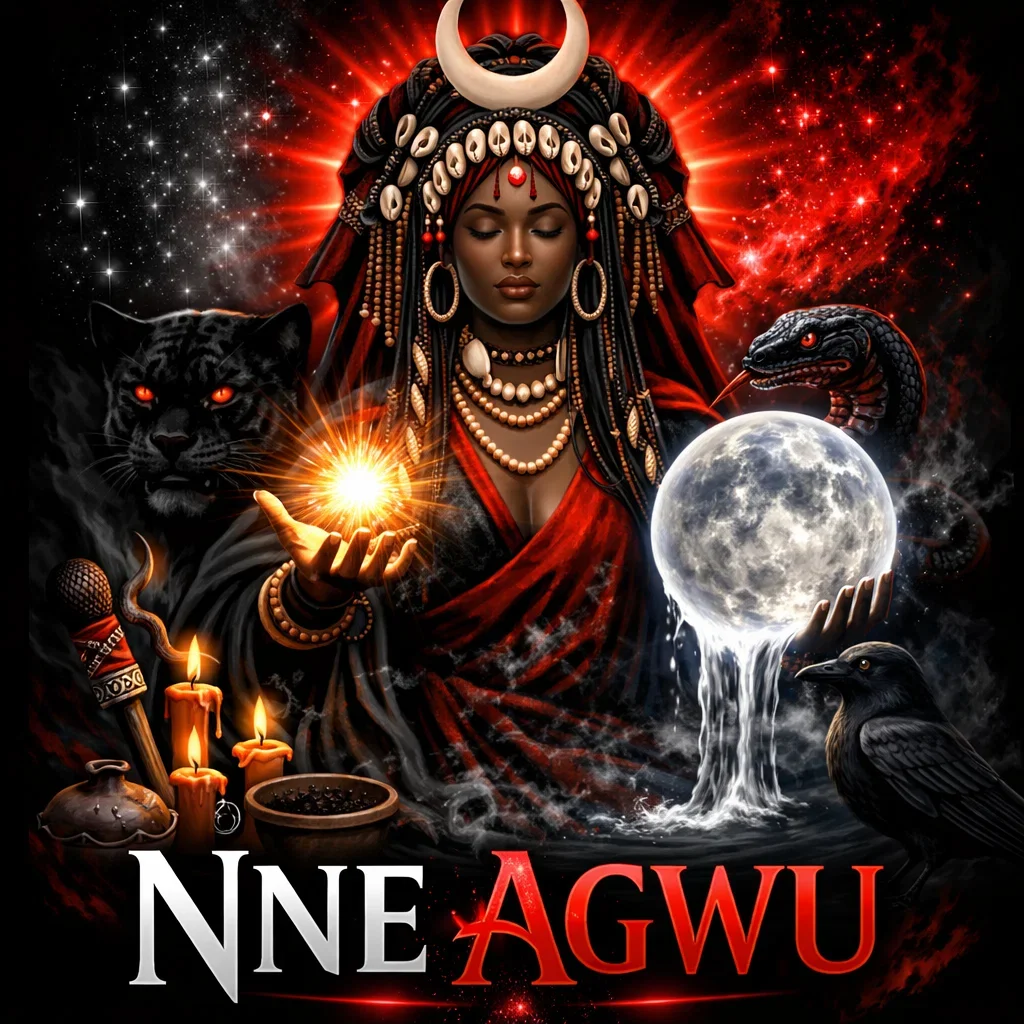
Nne Agwu: The Totality Sum Form of Agwu
Nne Agwu is the Source and totality of Agwu; the divine mother in whom all forms of spiritual intelligence are unified. As the living amalgam of Agwu Dibia, Agwu Mmili, and Abia Nkita, she represents the fullness of healing, intuition, and perception in one holistic force. Known as Odi Obala, she embodies both the hidden depth of darkness and the revealed brilliance of cosmic light, making her the womb of mystery and the source of illumination. Those called by Nne Agwu walk the path of the complete Dibia, operating beyond fragments and limitations, as vessels of integrated knowledge, power, and divine presence.